

Are you paying close attention to the electrolytes you consume every day? These minerals are essential for your body to function, but did you know that too much can actually harm you?
Finding the right balance is key to staying healthy and feeling your best. You’ll discover exactly how much electrolytes is too much, why overdoing it matters, and how to avoid common mistakes that could impact your well-being. Keep reading to take control of your electrolyte intake and protect your health.
Role Of Electrolytes
Electrolytes are minerals that carry electric charges. They help your body work well every day.
They control many important jobs like muscle movement and keeping water balanced in your body.
Key Electrolytes In The Body
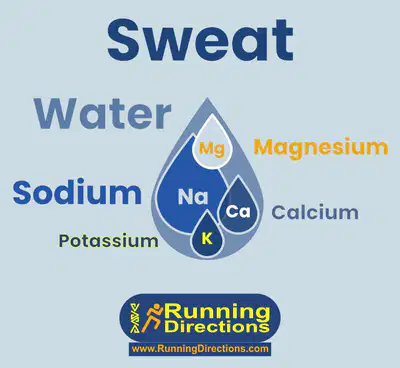
The main electrolytes in your body are sodium, potassium, calcium, magnesium, chloride, and phosphate. Each one has a special role.
- Sodium:Controls water balance and blood pressure.
- Potassium:Helps muscles work and keeps heart rhythm steady.
- Calcium:Builds strong bones and helps with muscle contractions.
- Magnesium:Supports nerve function and energy production.
- Chloride:Works with sodium to balance fluids.
- Phosphate:Helps build bones and teeth and stores energy.
Functions And Importance
Electrolytes keep your body fluids balanced. They help nerves send messages and muscles to move.
Without the right amount of electrolytes, your body can feel weak or tired. Too much can cause problems too.
- Keep hydration levels steady
- Help muscles contract and relax
- Support heart and brain functions
- Balance pH levels in the body
- Assist in energy production
Daily Electrolyte Needs
Electrolytes are minerals that help your body work well. They keep your muscles moving and your heart beating.
You get electrolytes from food and drinks. Eating the right amount is important for good health.
Recommended Intake Levels
Your body needs different amounts of each electrolyte every day. Too little or too much can cause problems.
| Electrolyte | Daily Recommended Amount |
|---|---|
| Sodium | 1,500 mg to 2,300 mg |
| Potassium | 2,500 mg to 3,000 mg |
| Calcium | 1,000 mg |
| Magnesium | 310 mg to 420 mg |
| Chloride | 2,300 mg |
These amounts vary by age and health status. Following them helps keep your body balanced.
Factors Influencing Requirements
Your need for electrolytes changes with your lifestyle and health. Some people need more than others.
- Exercise: You lose electrolytes when you sweat.
- Climate: Hot weather increases electrolyte loss.
- Age: Older adults may need different amounts.
- Illness: Vomiting or diarrhea can reduce electrolytes.
- Medications: Some drugs affect electrolyte balance.
Talk to a doctor if you think your needs are different. They can help you find the right balance.
Signs Of Excess Electrolytes
Electrolytes like sodium, potassium, and calcium help your body work properly. Too many electrolytes can cause problems. It is important to know the signs of having too much.
When electrolyte levels get too high, your body shows symptoms. These signs help you understand if your balance is off and if you need help.
Common Symptoms
Having too many electrolytes can cause many symptoms. These often show in how you feel or act. Some symptoms are mild, but others can be serious.
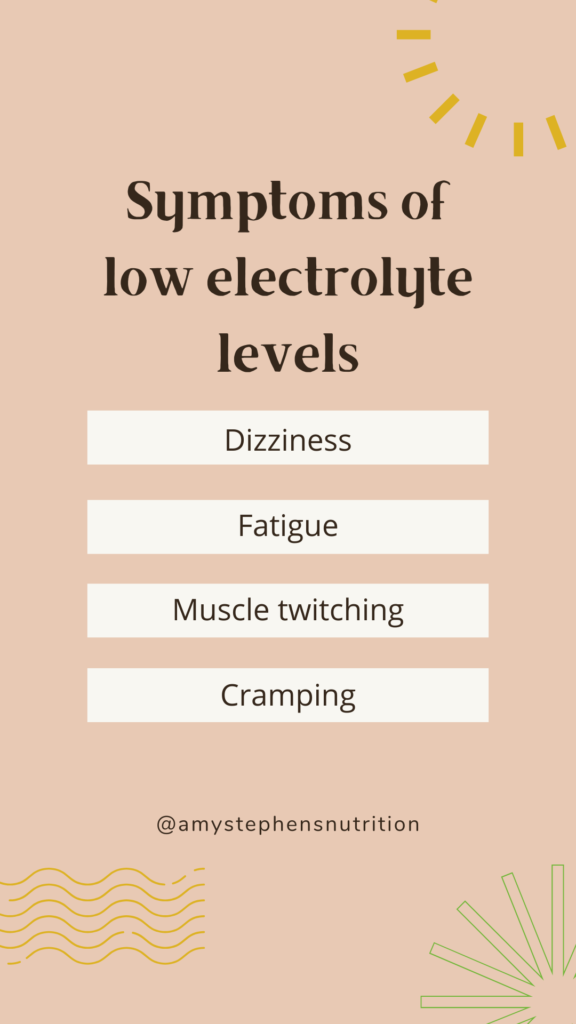
- Muscle weakness or twitching
- Fatigue or feeling tired
- Headaches and dizziness
- Nausea or vomiting
- Irregular heartbeat or palpitations
- Confusion or difficulty thinking clearly
- Thirst and frequent urination
Health Risks And Complications
Too many electrolytes can cause serious health problems. Your heart and kidneys are most at risk. These issues need fast care to avoid lasting damage.
High electrolyte levels can lead to problems like heart rhythm changes or kidney failure. Severe cases may cause seizures or even loss of consciousness.
- Irregular heartbeat or arrhythmia
- High blood pressure
- Kidney damage or failure
- Seizures or muscle spasms
- Swelling and fluid retention
- Loss of consciousness in extreme cases
Credit: runningdirections.com
Causes Of Electrolyte Overload
Electrolyte overload happens when the body has too many electrolytes. This can disturb your body’s normal functions.
Several factors can cause electrolyte levels to rise too high. Understanding these causes helps prevent problems.
Dietary Sources
Eating foods high in electrolytes can increase levels in your body. Foods rich in sodium, potassium, and calcium are common sources.
- Salty snacks and processed foods have high sodium.
- Bananas, oranges, and potatoes contain potassium.
- Dairy products and leafy greens provide calcium.
- Too much intake can lead to overload.
Supplements And Medications
Some supplements have added electrolytes to improve health. Taking many supplements can cause excess electrolytes.
Certain medicines also affect electrolyte levels. Diuretics and laxatives can change your body’s balance.
- Electrolyte tablets or powders can raise levels quickly.
- Diuretics remove water but may increase some electrolytes.
- Laxatives can cause loss or gain of electrolytes.
- Always follow medical advice when using these products.
Medical Conditions
Health problems can cause the body to keep too many electrolytes. Kidney or adrenal gland issues are common causes.
Other conditions like dehydration or hormonal imbalances can also change electrolyte levels.
- Kidney failure reduces electrolyte removal.
- Addison’s disease affects hormone control.
- Dehydration concentrates electrolytes in blood.
- Heart problems may disrupt electrolyte balance.
Managing Electrolyte Balance
Electrolytes help your body work well. They control muscles, nerves, and fluids.
Too many electrolytes can cause health problems. It is important to keep them balanced.
Monitoring Intake
Check how much salt, potassium, and other electrolytes you consume daily. Foods, drinks, and supplements add to your total intake.
Track your intake to avoid too much or too little. Use food labels and notes to stay aware.
- Read nutrition labels carefully
- Note electrolyte content in supplements
- Keep a daily food and drink journal
Dietary Adjustments
Change your diet to fix electrolyte imbalances. Eat less salt if you have too much sodium.
Choose fresh fruits and vegetables. They provide potassium and magnesium naturally and safely.
- Reduce processed and salty foods
- Eat bananas, oranges, and spinach
- Drink water to help balance electrolytes
When To Seek Medical Help
See a doctor if you feel weak, dizzy, or have muscle cramps. These can be signs of too many electrolytes.
Medical tests can measure your electrolyte levels. Doctors can give treatments to restore balance safely.
- Severe muscle weakness or twitching
- Irregular heartbeat or chest pain
- Confusion or seizures
- Persistent vomiting or diarrhea

Credit: www.cosmopolitan.com
Electrolytes And Exercise
Electrolytes are minerals that help your body work well during exercise. They keep your muscles moving and your heart beating.
When you exercise, you lose electrolytes through sweat. It is important to replace them, but too much can cause problems.
Hydration Strategies
Drink water and electrolyte drinks to stay hydrated during exercise. Balance is key to avoid feeling tired or cramping.
Use drinks with the right amount of electrolytes. Sports drinks usually have sodium, potassium, and magnesium.
- Drink water before, during, and after exercise
- Choose drinks with moderate electrolytes for long workouts
- Avoid drinking only water if you sweat a lot
Avoiding Overconsumption
Too many electrolytes can cause nausea, headaches, or muscle weakness. Your body needs a balance to work well.
Do not drink electrolyte drinks if you have a low sweat rate or short exercise sessions. Check labels to avoid excess sodium and potassium.
- Limit electrolyte drinks to longer, intense workouts
- Do not add extra salt or supplements without advice
- Watch for signs of too many electrolytes, like swelling or confusion
Special Populations
Electrolytes help keep our body working well. They balance fluids and support muscles and nerves.
Some groups need to watch how much electrolytes they get. Too much can cause problems.
Children And Elderly
Children and elderly people have different electrolyte needs than adults. Their bodies handle electrolytes differently.
Too many electrolytes can cause stomach pain, weakness, or heart issues in these groups.
- Children should avoid high doses of supplements without advice.
- Elderly should monitor salt and potassium intake carefully.
- Both groups need balanced fluids to avoid dehydration or overload.
People With Kidney Issues
Kidneys control electrolyte levels. When they do not work well, electrolytes can build up in the body.
Too much potassium or sodium can be dangerous and cause heart or muscle problems.
- People with kidney problems should limit salt and potassium.
- They must follow doctor advice on electrolyte intake.
- Regular blood tests help track electrolyte levels.
Credit: www.amystephensnutrition.com
Frequently Asked Questions
How Much Electrolytes Should I Consume Daily?
Daily electrolyte needs vary by age and activity. Generally, adults need 1,000-4,700 mg of key electrolytes like sodium, potassium, and magnesium. Balanced diet and hydration usually meet these requirements without excess.
What Are The Symptoms Of Too Many Electrolytes?
Excess electrolytes can cause nausea, muscle weakness, confusion, and irregular heartbeat. Severe cases may lead to dehydration or kidney issues. Monitoring intake helps prevent these symptoms.
Can Too Much Electrolyte Cause Health Problems?
Yes, excessive electrolytes may lead to hypernatremia or hyperkalemia, causing serious heart and kidney problems. Always follow recommended intake and consult a healthcare provider if unsure.
How To Avoid Electrolyte Overdose Naturally?
Drink balanced fluids, eat varied foods, and avoid excess supplements. Listening to your body’s thirst and hydration needs prevents electrolyte overload safely.
Conclusion
Too many electrolytes can harm your body. Balance is key for good health. Drinking water helps keep electrolytes steady. Watch your intake of salt, potassium, and magnesium. Signs like dizziness or muscle cramps may show excess. Talk to a doctor if you feel unwell.
Small changes make a big difference over time. Stay mindful of what you consume daily. Your body will thank you for the care.


