
Are you tired of waking up with sore, achy muscles after a tough workout? You’re not alone.
Many people wonder if a simple protein shake can actually help ease that soreness and speed up recovery. Imagine feeling less pain and getting back to your routine faster—sounds great, right? You’ll discover how protein shakes work, whether they really make a difference for sore muscles, and what you should keep in mind to get the best results.
Keep reading, because your body will thank you for it.
How Muscle Soreness Happens
Muscle soreness often appears after hard exercise. It happens because muscles get small injuries during workouts.
This soreness can make moving uncomfortable. Understanding why it happens helps us manage it better.
Causes Of Delayed Onset Muscle Soreness
Delayed onset muscle soreness, or DOMS, usually starts a day after exercise. It is caused by tiny tears in muscle fibers.
These tears cause inflammation. The body sends fluids and cells to repair the damage, which leads to soreness.
- Intense or new exercises increase DOMS risk
- Lengthening muscles under tension cause more soreness
- Muscle inflammation from repair causes pain and stiffness
Effects Of Exercise On Muscle Fibers
Exercise causes tiny damage to muscle fibers. This damage helps muscles grow stronger over time.
During repair, muscles get thicker and more able to handle stress. This process can cause soreness at first.
- Muscle fibers stretch and tear during exercise
- Body repairs fibers by making them stronger
- Repair process causes swelling and soreness
- Repeated exercise reduces soreness as muscles adapt

Credit: www.eatthis.com
Role Of Protein In Muscle Recovery
Protein plays an important role in muscle recovery after exercise. It helps repair muscle fibers that get damaged during workouts. Eating enough protein can reduce muscle soreness.
Muscle recovery is key for building strength and improving performance. Protein supplies the building blocks needed to rebuild muscles stronger and faster.
Protein’s Impact On Muscle Repair
Protein provides amino acids that repair tiny tears in muscle fibers. These tears happen during intense exercise. Fixing them helps muscles grow and get less sore.
Consuming protein after a workout starts the repair process. This helps reduce muscle pain and stiffness in the days after exercise.
Timing And Amount Of Protein Intake
Eating protein soon after exercise is best for muscle recovery. Try to have protein within 30 to 60 minutes after working out. This helps muscles use the amino acids quickly.
Adults who exercise should aim for about 20 to 30 grams of protein per meal. This amount supports muscle repair and growth effectively.
- Consume protein shortly after exercise
- Aim for 20-30 grams of protein per meal
- Spread protein intake evenly throughout the day
Protein Shakes As A Recovery Tool
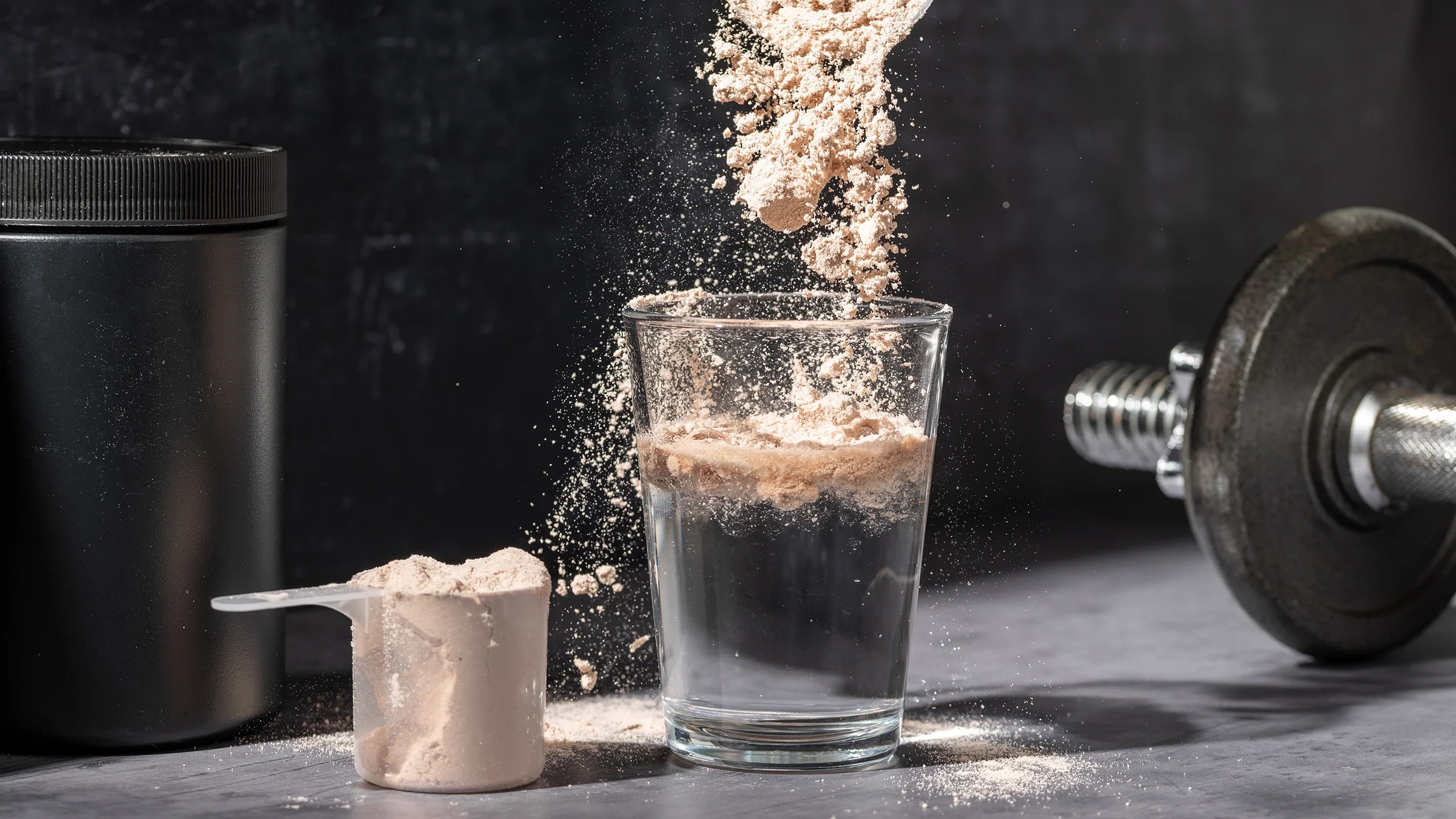
Protein shakes are popular for helping sore muscles after exercise. They provide quick protein to support muscle repair.
After a workout, muscles need nutrients to recover and grow stronger. Protein shakes can deliver these nutrients fast.
Types Of Protein Powders
There are many kinds of protein powders. Each type has different benefits and digestion speeds.
- Whey Protein:Fast digesting and rich in essential amino acids.
- Casein Protein:Slow digesting, good for overnight recovery.
- Plant-Based Protein:Made from peas, rice, or hemp, suitable for vegans.
- Egg White Protein:High quality and easy to digest.
Choosing the right protein depends on your diet and how quickly you want nutrients.
Benefits Compared To Whole Foods
Protein shakes are easier to prepare and digest than whole foods after exercise. They provide protein without extra calories.
Whole foods have vitamins and minerals but take longer to eat and digest. Protein shakes help muscles faster.
- Quick absorption of protein
- Convenient and portable
- Lower in fat and carbs
- Good for people with low appetite
Scientific Evidence On Protein Shakes And Soreness
Many people use protein shakes after workouts to reduce muscle soreness. Muscle soreness happens when muscles get tiny damages from exercise. Protein helps repair these damages. Scientists study if protein shakes really help with soreness.
Some studies show protein shakes lower soreness and help muscles heal faster. Other studies find no clear effect. It is important to look at both sides to understand the truth.
Studies Supporting Reduced Muscle Soreness
Several studies found that protein shakes reduce muscle pain after exercise. They showed faster recovery and less soreness. These studies often gave protein right after workouts.
- Protein helps rebuild muscle fibers faster.
- It can reduce inflammation that causes soreness.
- Consuming protein soon after exercise is most effective.
- Whey protein is common in these studies and shows benefits.
These results suggest protein shakes can help people feel less sore and get back to exercise quicker.
Limitations And Conflicting Research
Not all studies agree on protein shakes reducing soreness. Some found no difference between protein and other drinks. Differences in study design may explain these results.
- Some studies used small groups of people.
- Different types and amounts of protein were tested.
- Timing of protein intake varied widely.
- Exercise type and intensity were not always the same.
More research is needed to know when and how protein shakes help muscle soreness best. Personal factors like diet and fitness level also matter.
Expert Tips For Using Protein Shakes
Protein shakes are a popular choice for people with sore muscles. They can help repair and build muscle after exercise. Using protein shakes the right way can improve recovery and reduce soreness.
Knowing what to put in your shake and when to drink it is important. This guide shares expert tips to help you get the most benefit.
Optimal Shake Ingredients
Choosing the right ingredients makes your protein shake more effective. Protein helps repair muscle, but other nutrients support recovery too. A balanced shake can reduce soreness faster.
Good ingredients include high-quality protein, carbs, and healthy fats. Protein powders from whey or plant sources work well. Adding fruits or oats adds carbs for energy.
- Whey or plant-based protein powder
- Banana or berries for natural carbs
- Oats for slow-release energy
- Nut butter or seeds for healthy fats
- Water or milk to blend smoothly
Best Practices For Consumption
Timing your protein shake is key to helping sore muscles. Drink your shake soon after exercise to start muscle repair. Waiting too long can slow recovery.
Also, avoid drinking shakes on an empty stomach if you feel sick. Spread protein intake through the day for best results. Use shakes as part of a balanced diet, not a meal replacement.
- Drink within 30 minutes after workouts
- Eat a small meal or snack before if needed
- Have protein shakes 2-3 times daily for recovery
- Combine with water to stay hydrated
- Use shakes as a supplement, not main meals

Credit: www.aol.com
Other Strategies To Ease Muscle Soreness
Sore muscles can slow you down after exercise. There are many ways to ease the pain besides protein shakes.
Using simple strategies helps your muscles heal faster. These methods improve recovery and reduce discomfort.
Hydration And Nutrition
Drinking water is very important for muscle recovery. Water helps flush out toxins and keeps your body working well.
Eating foods rich in vitamins and minerals supports muscle repair. Balanced meals with fruits, vegetables, and healthy fats help reduce soreness.
- Drink at least 8 cups of water daily
- Include fruits like berries and oranges
- Eat vegetables such as spinach and kale
- Choose healthy fats from nuts and seeds
- Consume lean proteins like chicken and fish
Rest And Active Recovery
Rest gives your muscles time to repair and grow stronger. Avoid intense workouts for a day or two after soreness starts.
Active recovery means doing light exercises. Gentle walking or stretching helps blood flow and reduces stiffness.
- Take a rest day after hard workouts
- Try light stretching or yoga
- Go for slow walks to keep moving
- Use foam rollers to ease tight muscles
- Sleep well to support muscle repair
Credit: www.healthline.com
Frequently Asked Questions
Do Protein Shakes Reduce Muscle Soreness?
Protein shakes can help reduce muscle soreness by promoting muscle repair and growth. Consuming protein after exercise provides amino acids to muscles, aiding recovery. While protein shakes alone won’t eliminate soreness, they support the body’s natural healing process. Pairing them with proper rest and hydration enhances their effectiveness.
How Soon After A Workout Should I Drink A Protein Shake?
It’s best to consume a protein shake within 30 to 60 minutes after a workout. This period is known as the “anabolic window,” where muscles are most receptive to nutrients. Quick protein intake can enhance muscle recovery and growth. However, any time within two hours post-exercise is beneficial.
Can Protein Shakes Replace Whole Meals?
Protein shakes are convenient but shouldn’t replace whole meals regularly. Whole foods provide essential nutrients, fiber, and energy that shakes may lack. Use shakes as a supplement to your diet or a quick snack. Incorporate them into a balanced diet for optimal nutrition and health.
Are There Side Effects Of Drinking Protein Shakes?
Protein shakes are generally safe, but overconsumption can lead to side effects like digestive issues. Excess protein may strain kidneys, especially if you have pre-existing conditions. Some individuals might experience bloating or gas. It’s crucial to follow recommended serving sizes and choose shakes with quality ingredients.
Conclusion
Protein shakes can support muscle recovery after exercise. They provide important nutrients like protein to help repair muscles. Drinking a shake soon after working out may reduce soreness. Remember to also rest and stay hydrated for best results. Not every shake works the same, so choose one with quality ingredients.
Combining protein shakes with a good diet and exercise plan helps your muscles heal better. Small steps like these make a difference in how you feel after workouts. Keep listening to your body and adjust as needed.


