
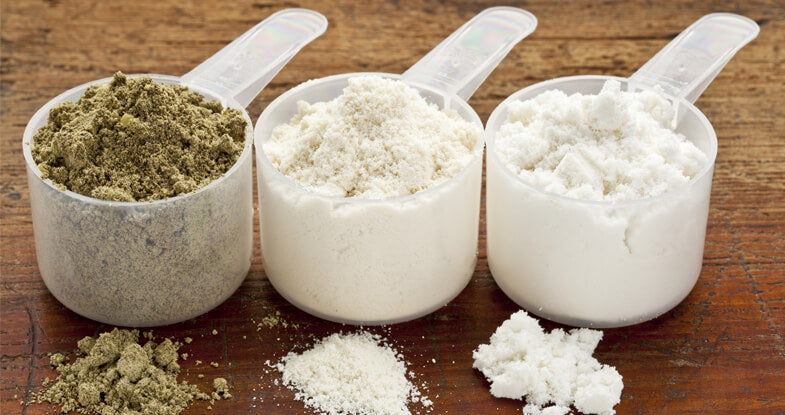
Are you confused about which protein powder to choose—whey or plant-based? You’re not alone.
Picking the right protein can make a big difference in your fitness results and overall health. But how do you know which one suits your body and goals best? You’ll discover the key differences between whey protein and plant protein.
By the end, you’ll feel confident about which option will fuel your workouts and support your lifestyle. Keep reading to find out what your body really needs!

Credit: denzournutrition.com
Whey Protein Basics
Whey protein is a popular supplement made from milk. It helps build muscles and improve strength.
It is often used by athletes and fitness enthusiasts. Whey protein comes in powder form and is easy to mix.
Source And Production
Whey protein comes from cow’s milk. Milk has two main proteins: casein and whey.
During cheese production, whey separates from the curds. The liquid whey is then processed and turned into powder.
Amino Acid Profile
Whey protein is rich in essential amino acids. These are important for muscle repair and growth.
It includes all nine essential amino acids. This makes whey a complete protein source.
- Leucine
- Isoleucine
- Valine
Digestibility
Whey protein is easy to digest. It is absorbed quickly by the body.
This fast absorption helps in quick muscle recovery. It is ideal for post-workout nutrition.

Credit: www.bigmusclesnutrition.com
Plant Protein Essentials
People often choose plant protein for health or diet reasons. It comes from foods like beans, nuts, and seeds.
Plant protein differs from whey protein in sources and nutrients. Understanding these helps you pick the right one.
Common Plant Sources
Plant protein comes from many foods. Some are easy to find and use in meals.
- Beans and lentils
- Peas
- Chia and flax seeds
- Quinoa
- Tofu and tempeh
- Brown rice
These sources offer variety for different tastes and diets. Many are also rich in other nutrients.
Amino Acid Completeness
Proteins are made of amino acids. Some amino acids are essential for the body.
Whey protein has all essential amino acids, making it a complete protein. Most plant proteins lack one or more.
- Quinoa and soy are complete plant proteins
- Combining different plants can provide all amino acids
- Eating a variety of plant foods ensures protein needs
Fiber And Nutrient Content
Plant proteins usually have fiber. Fiber helps with digestion and keeps you full longer.
Plant proteins also provide vitamins and minerals like iron, magnesium, and antioxidants. Whey protein has fewer of these nutrients.
- Fiber supports gut health
- Vitamins and minerals support overall wellness
- Plant proteins add extra nutrition beyond protein
Muscle Building Effects
Whey protein and plant protein both help build muscle. They supply the body with needed amino acids. These proteins differ in how the body uses them.
Understanding these differences helps you choose the best protein for muscle growth. Let’s look at protein synthesis and recovery support.
Protein Synthesis
Protein synthesis is the process of building new muscle proteins. Whey protein has a high level of essential amino acids. It especially contains a lot of leucine, which starts muscle growth.
Plant protein usually has less leucine and may lack some essential amino acids. This can slow muscle protein synthesis compared to whey. Mixing different plant proteins can improve this effect.
- Whey protein: high leucine, fast muscle growth
- Plant protein: lower leucine, slower muscle growth
- Combining plants improves amino acid balance
Recovery Support
Recovery support means helping muscles heal after exercise. Whey protein digests quickly and delivers amino acids fast. This speed helps reduce muscle soreness and repair damage.
Plant protein digests slower but still supports recovery. Some plant proteins contain antioxidants that may reduce inflammation. Eating enough protein from either source helps muscles recover.
- Whey protein: fast digestion, quick repair
- Plant protein: slower digestion, contains antioxidants
- Both support muscle recovery when consumed properly
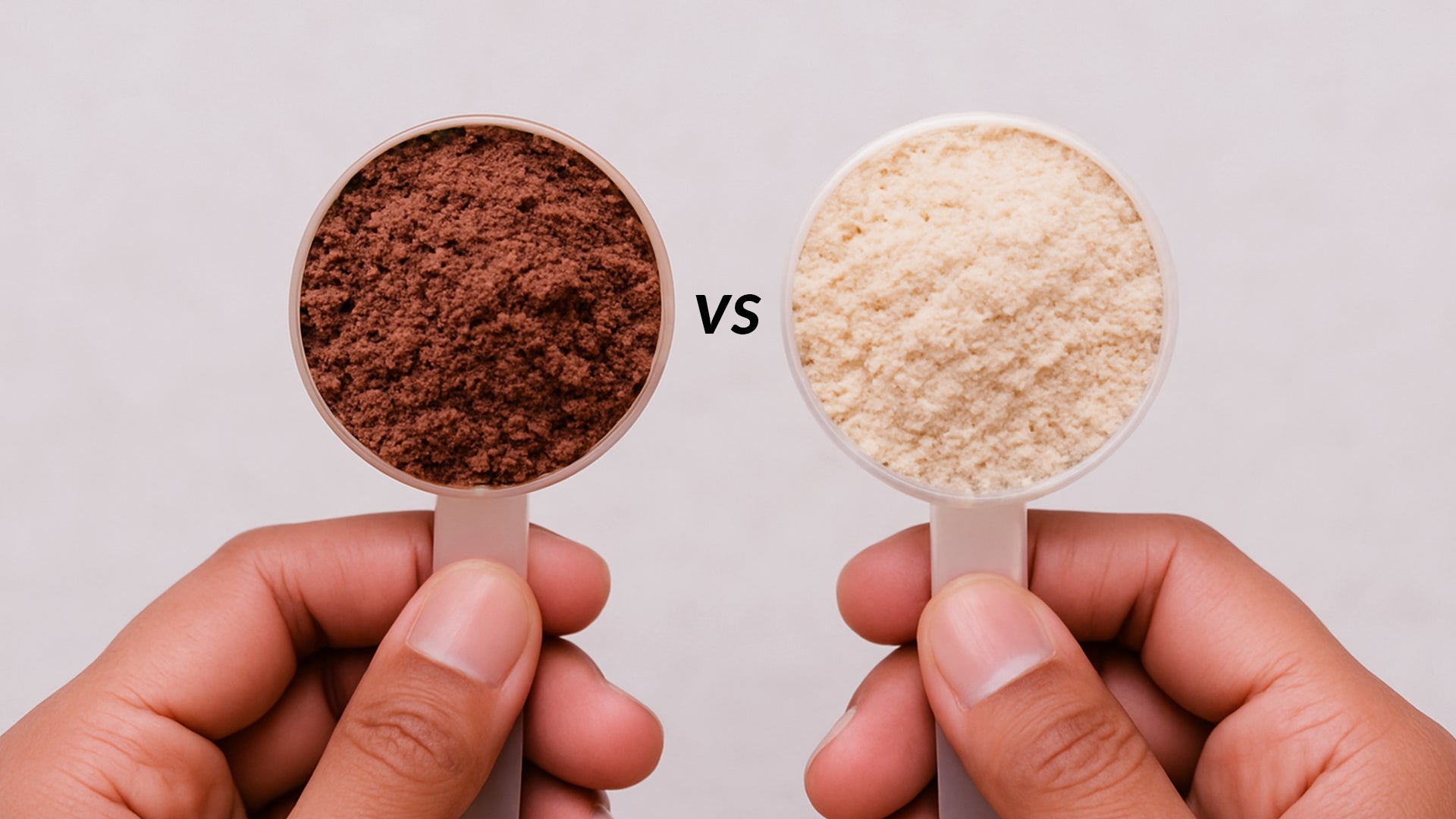
Credit: nutrova.com
Allergy And Sensitivity Issues
Choosing between whey protein and plant protein can depend on allergies and sensitivities. Both types of protein may cause reactions in some people.
Understanding these issues helps you pick the right protein for your body and health needs.
Lactose Intolerance
Whey protein comes from milk and has lactose. Some people cannot digest lactose well. This causes stomach pain, gas, and diarrhea.
Whey isolate protein has less lactose than whey concentrate. It is easier for people with mild lactose intolerance. Still, people with strong intolerance may need to avoid whey protein.
Plant-based Allergens
Plant proteins come from sources like soy, pea, rice, and hemp. Some people are allergic to these plants. Soy is a common allergen.
Plant protein powders may cause reactions like itching, swelling, or breathing trouble. Always check the ingredients if you have allergies.
- Soy protein can cause allergies in some people
- Pea protein is less common but may still cause reactions
- Rice and hemp proteins are usually safer for allergies
- Cross-contamination can happen during processing
Environmental Impact
Whey protein and plant protein differ in how they affect the environment. This section explains their impact on nature and resources.
Understanding these differences helps people choose protein sources that are better for the planet.
Sustainability Factors
Plant protein usually needs less water and land to grow. Plants absorb carbon and support soil health.
Whey protein comes from dairy farming. Dairy cows need more food, water, and space. They also produce methane, a strong greenhouse gas.
- Plant protein uses fewer natural resources
- Dairy farming requires large land and water areas
- Methane from cows adds to climate change
- Plants help improve soil quality
Carbon Footprint Comparison
Carbon footprint shows how much greenhouse gas is made during production. Whey protein has a bigger carbon footprint than plant protein.
Plant protein releases less carbon because plants absorb CO2. Dairy production releases more methane and CO2.
| Protein Type | Carbon Footprint (kg CO2 eq/kg protein) |
|---|---|
| Whey Protein | 9 – 12 |
| Plant Protein (e.g., pea, soy) | 1 – 3 |
Taste And Mixability
Whey protein and plant protein are popular choices for fitness and nutrition. They differ in taste and how well they mix with liquids.
Understanding these differences helps you pick the best protein for your needs and preferences.
Flavor Profiles
Whey protein usually has a mild, creamy flavor. It often tastes like milk or vanilla. Many people find it easy to enjoy.
Plant protein has a more earthy or nutty taste. It can sometimes taste grassy or bean-like. This depends on the source, like pea or rice protein.
- Whey protein: creamy, mild, often vanilla or chocolate
- Plant protein: earthy, nutty, sometimes grassy
Texture Differences
Whey protein mixes smoothly with water or milk. It creates a creamy, light shake without clumps.
Plant protein can be thicker and grainier. Some types may leave a chalky or sandy feel in the mouth.
- Whey protein: smooth, creamy, easy to mix
- Plant protein: thicker, grainy, may feel chalky
Cost And Availability
Whey protein and plant protein are popular choices for many people. They differ in cost and how easy they are to find.
Understanding these differences helps you pick the right protein for your budget and needs.
Price Comparison
Whey protein usually costs less than plant protein. It is made from milk and is cheaper to produce.
Plant proteins often come from sources like peas, rice, or hemp. These can cost more because of farming and processing.
- Whey protein: generally lower price per serving
- Plant protein: can be pricier due to ingredient variety
- Organic or specialty plant proteins may cost extra
Market Accessibility
Whey protein is widely available in most stores and online shops. It is a common supplement in many countries.
Plant protein is growing in popularity but might be harder to find in some areas. Specialty stores and online shops often carry it.
- Whey protein: easy to find in supermarkets and gyms
- Plant protein: better availability in health food stores
- Online shopping offers both types with many options
Choosing The Right Protein
Choosing between whey protein and plant protein depends on your needs. Both provide essential nutrients for your body.
Knowing your preferences and goals helps pick the best protein source for you.
Dietary Preferences
Whey protein comes from milk and is not suitable for vegans or those with lactose intolerance. Plant protein is made from sources like peas, rice, or soy. It fits better with vegan and vegetarian diets.
Choosing a protein that matches your diet helps avoid allergies and supports your eating habits.
- Whey protein: animal-based, contains lactose
- Plant protein: vegan-friendly, lactose-free
- Consider allergies and food sensitivities
Health Goals
Whey protein is rich in essential amino acids. It supports muscle growth and recovery quickly. Plant protein may digest slower but offers fiber and other nutrients.
Pick protein based on whether you want fast muscle repair or steady nutrition.
- Whey protein: fast absorption, high in leucine
- Plant protein: slower absorption, includes fiber
- Both support muscle health and repair
Lifestyle Considerations
Your daily routine and values affect protein choice. Whey protein is easy to mix and tastes creamy. Plant protein suits those who want natural, eco-friendly options.
Think about convenience, taste, and environmental impact when choosing your protein.
- Whey protein: smooth texture, quick to prepare
- Plant protein: often organic, sustainable sources
- Match protein with your daily habits and values
Frequently Asked Questions
What Is The Main Difference Between Whey And Plant Protein?
Whey protein is animal-based and quickly absorbed. Plant protein comes from sources like peas or rice and digests slower. Whey contains all essential amino acids, while plant protein may lack one or more unless combined.
Which Protein Is Better For Muscle Building, Whey Or Plant?
Whey protein is often preferred for muscle growth due to its complete amino acid profile and fast absorption. Plant proteins can also support muscle building but may require combining sources for completeness.
Are Plant Proteins Suitable For People With Lactose Intolerance?
Yes, plant proteins are ideal for lactose-intolerant individuals since they contain no dairy. Whey protein may cause digestive issues for those sensitive to lactose unless it is a lactose-free isolate.
How Do Whey And Plant Proteins Differ In Taste And Texture?
Whey protein usually has a creamy texture and mild taste. Plant proteins can be grittier and have earthier flavors, which some people may find less palatable.
Conclusion
Choosing between whey and plant protein depends on your needs and diet. Whey protein offers quick absorption and rich amino acids. Plant protein suits those who prefer vegan or lactose-free options. Both types support muscle growth and recovery effectively. Think about allergies, taste, and digestion before deciding.
Balance and variety often work best in protein intake. Protein helps your body stay strong and healthy every day. Pick what feels right for your lifestyle and goals.


