
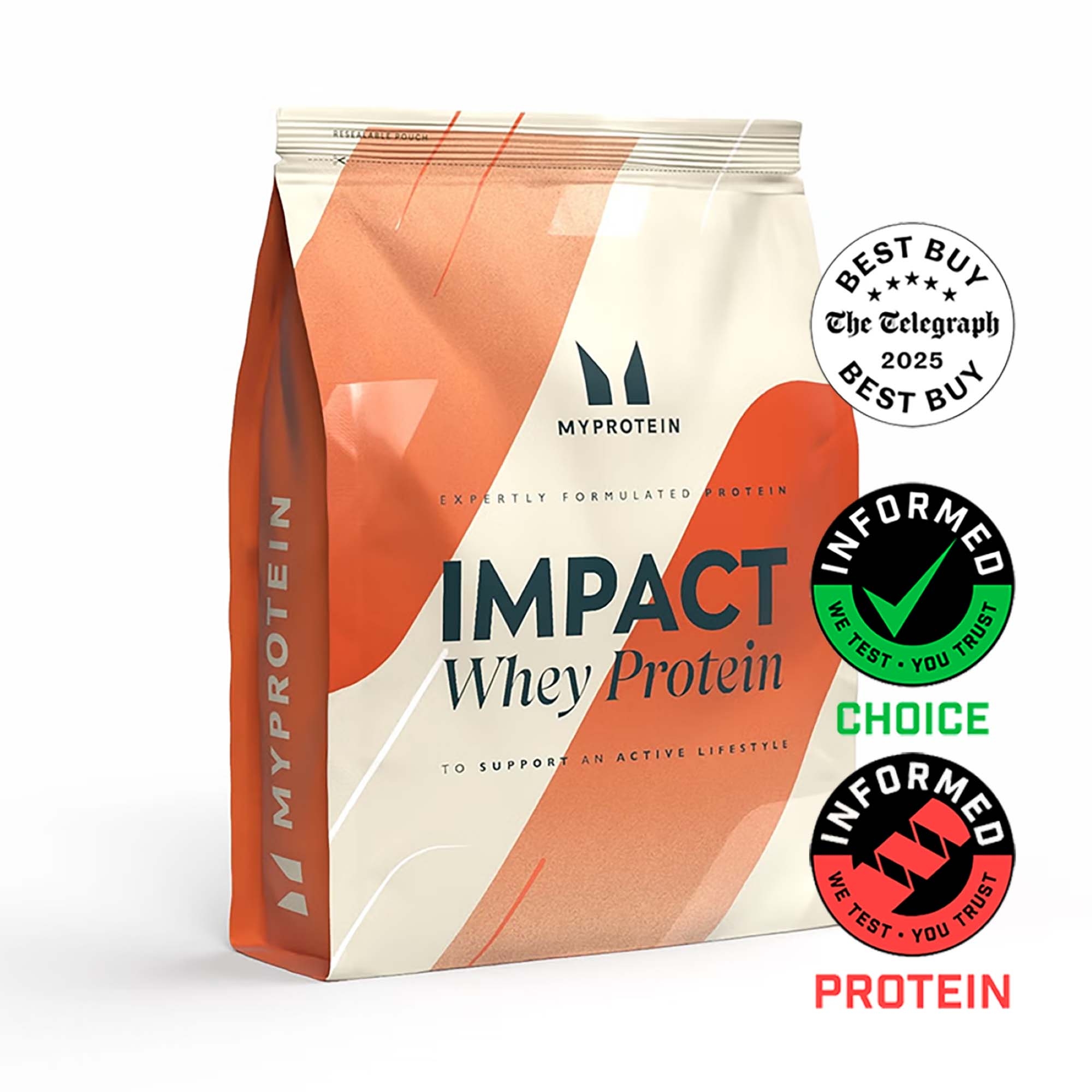
Are you wondering if whey protein is safe for your gluten-free diet? If you’re careful about what you eat because of gluten sensitivity or celiac disease, you probably want clear answers before adding whey protein to your routine.
Knowing whether whey protein is gluten free can help you stay healthy and avoid unexpected reactions. Keep reading to discover the truth about whey protein and gluten, so you can make the best choice for your body and fitness goals.

Credit: biochemprotein.com
Whey Protein Basics
Whey protein is a popular supplement for athletes and fitness enthusiasts. It helps build muscles and supports recovery.
Many people are curious if whey protein is gluten-free. Understanding its basics can help clarify this.
What Is Whey Protein
Whey protein is a byproduct of cheese production. It comes from the liquid part of milk that separates during this process.
It is rich in essential amino acids and digests quickly. Many people use it to improve their protein intake.
Types Of Whey Protein
There are different types of whey protein available. Each type has unique benefits and characteristics.
- Whey Protein Concentrate: Contains some fat and lactose.
- Whey Protein Isolate: Has less fat and lactose, more protein.
- Whey Protein Hydrolysate: Pre-digested for faster absorption.
Gluten And Its Sources
Gluten is a protein found in some grains. It helps dough stay stretchy and chewy.
People often find gluten in many everyday foods. Knowing where gluten hides can help avoid it.
Common Gluten-containing Foods
Gluten is mostly in wheat, barley, and rye. These grains are in many common foods.
- Bread and rolls
- Pastas made from wheat
- Cakes, cookies, and pastries
- Breakfast cereals with wheat or barley
- Beer and malt beverages
- Some sauces and soups thickened with flour
- Crackers and snack foods with wheat flour
Gluten Sensitivity And Allergy
Some people cannot eat gluten without problems. Their bodies react badly to gluten.
Gluten sensitivity causes symptoms like stomach pain and tiredness. Gluten allergy is rare but serious.
- Gluten sensitivity leads to discomfort but no immune damage
- Celiac disease is an immune reaction that harms the small intestine
- Wheat allergy causes allergic reactions like hives or swelling
- People with these conditions must avoid gluten strictly
Whey Protein And Gluten Content
Whey protein is a popular supplement used by many people. It helps build muscle and recover after exercise.
Gluten is a protein found in wheat, barley, and rye. Some people need to avoid gluten for health reasons.
Is Pure Whey Protein Gluten Free
Pure whey protein comes from milk, not grains. Milk does not contain gluten naturally.
Most pure whey protein powders are gluten free. They do not have wheat, barley, or rye ingredients.
Potential Cross-contamination Risks
Some whey protein products may have gluten if made in shared factories. This can cause cross-contamination.
People with gluten sensitivity should check labels carefully. Look for gluten-free certification if needed.
- Check if the product is made in a gluten-free facility
- Look for allergen warnings on the label
- Choose brands that test for gluten contamination
Label Reading Tips
Whey protein is popular for building muscle and health. Many people want to know if it is gluten free.
Reading the label carefully helps you avoid gluten in whey protein products.
Identifying Gluten In Ingredients
Check the ingredient list for common gluten sources. Gluten comes from wheat, barley, and rye.
- Look for wheat, wheat flour, or wheat starch
- Watch for barley or malt extracts
- Check for rye or rye flour
- Avoid ingredients like brewer’s yeast or hydrolyzed wheat protein
- Some additives may contain gluten
Contact the manufacturer if the ingredients are unclear or if cross-contamination is possible.
Certifications To Look For
Certifications help confirm if a whey protein is gluten free. Look for trusted labels on the package.
- Gluten-Free Certification from recognized organizations
- FDA gluten-free label
- Non-GMO Project Verified (may indicate careful ingredient sourcing)
- Third-party lab testing claims
- Allergen statements specifying “gluten-free”
These certifications reduce the risk of gluten contamination in whey protein.
Choosing Safe Whey Protein
Whey protein is a popular supplement for building muscle and staying healthy. Some people worry if whey protein contains gluten.
Gluten can cause problems for those with celiac disease or gluten sensitivity. It is important to pick whey protein that is safe and gluten-free.
Trusted Brands For Gluten-free Whey
Some whey protein brands test their products to ensure they do not contain gluten. These brands label their products as gluten-free.
Choosing brands that are certified gluten-free helps avoid gluten contamination. This is best for people with gluten intolerance.
- Look for “gluten-free” on the label.
- Check if the product has gluten-free certification.
- Read reviews and customer feedback.
- Avoid products made in facilities that process gluten.
Alternative Protein Options
Some people prefer protein powders that never contain gluten. Plant-based proteins can be a good choice.
Pea, rice, and hemp proteins are naturally gluten-free and safe for most diets. These options work well for vegans and those with allergies.
- Pea protein: high in protein and easy to digest.
- Rice protein: hypoallergenic and light on the stomach.
- Hemp protein: contains healthy fats and fiber.
- Egg white protein: gluten-free animal protein.

Credit: www.amazon.ca
Health Considerations
Whey protein is a popular supplement for many people. It comes from milk and is used to help build muscle. Some people wonder if whey protein is safe for those who avoid gluten.
Gluten is a protein found in wheat, barley, and rye. It can cause health problems for some people. This guide explains whey protein and gluten concerns.
Gluten-free Diet Benefits
People who avoid gluten often feel better and have more energy. A gluten-free diet helps those with gluten sensitivity or celiac disease.
Removing gluten can reduce stomach pain, bloating, and tiredness. It also helps improve digestion and nutrient absorption.
- Reduces stomach pain and bloating
- Improves energy levels
- Helps with nutrient absorption
- Supports gut health
Whey Protein Allergies And Intolerances
Whey protein comes from milk, so it contains dairy. Some people are allergic to milk or lactose intolerant. These issues are different from gluten problems.
Whey protein itself does not contain gluten. But some whey products may have gluten added or may be made near gluten products. Always check the label for gluten-free certification.
- Whey protein is dairy-based, not gluten-based
- Milk allergies and lactose intolerance are separate issues
- Check labels to avoid gluten contamination
- Choose certified gluten-free whey protein if needed

Credit: www.ebay.ca
Frequently Asked Questions
Is Whey Protein Naturally Gluten Free?
Yes, whey protein is naturally gluten free. It is derived from milk, not grains that contain gluten. However, always check the label for cross-contamination warnings.
Can Whey Protein Cause Gluten Intolerance Symptoms?
Pure whey protein usually does not cause gluten intolerance symptoms. Symptoms may occur if the product is contaminated with gluten during processing.
How To Find Gluten Free Whey Protein Brands?
Look for labels that say “gluten free. ” Choose reputable brands with third-party testing to ensure no gluten contamination.
Is Whey Protein Safe For Celiac Disease Patients?
Whey protein is generally safe for celiac patients if certified gluten free. Always verify product certification before consumption to avoid risks.
Conclusion
Whey protein is usually gluten free. Most pure whey powders do not contain gluten. Still, always check the label to be sure. Some brands add ingredients that may have gluten. People with gluten allergies should choose trusted brands. This helps avoid any unwanted reactions or problems.
Eating safe whey protein supports health and fitness goals. Keep reading labels and ask questions if unsure. Stay informed, stay healthy.


