
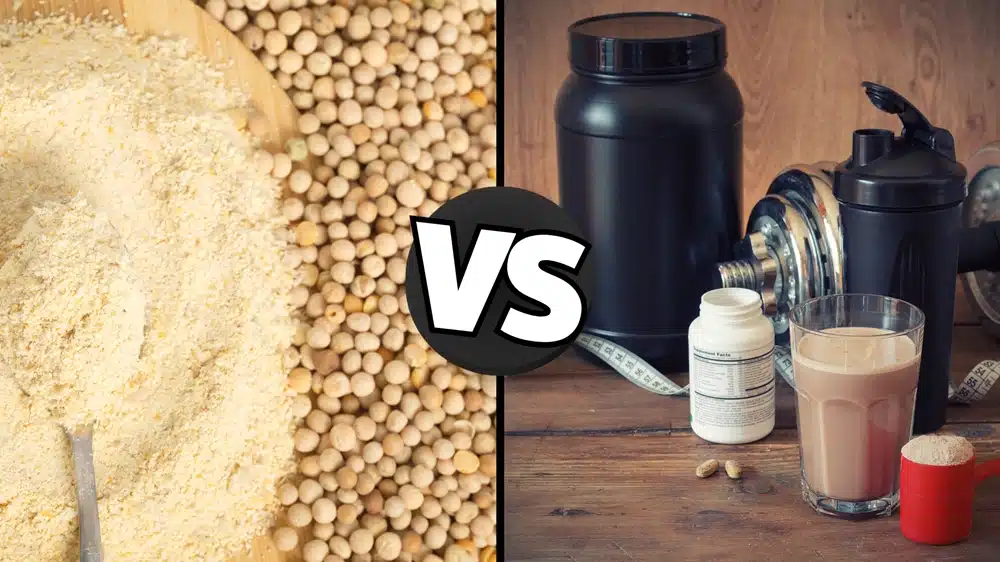
Are you trying to decide between whey protein and pea protein but aren’t sure which one suits you best? Choosing the right protein can make a big difference in your energy, muscle growth, and overall health.
You want something that fits your lifestyle, tastes good, and delivers real results. You’ll discover the key differences between whey and pea protein, so you can make an informed choice that works perfectly for your body and goals. Keep reading—your perfect protein match might be just a few paragraphs away.

Credit: aloha.com
Protein Sources Compared
Whey protein and pea protein are popular choices. They provide essential nutrients for our bodies. Let’s explore their origins and benefits.
Understanding these proteins helps in choosing the right one for your needs. Each has unique characteristics and benefits.
Origins Of Whey Protein
Whey protein comes from milk. It is a byproduct of cheese making. When milk is curdled, whey is the liquid part left behind.
It is rich in essential amino acids. These are important for muscle building and repair. Athletes often use whey protein for recovery.
- Derived from cow’s milk
- Contains all essential amino acids
- Quickly absorbed by the body
Origins Of Pea Protein
Pea protein is made from yellow peas. It is a plant-based protein source. People use it as an alternative to animal proteins.
It is hypoallergenic and easy to digest. Pea protein is rich in iron and supports muscle growth. It is suitable for vegans and vegetarians.
- Extracted from yellow peas
- Rich in iron and easy to digest
- Suitable for plant-based diets
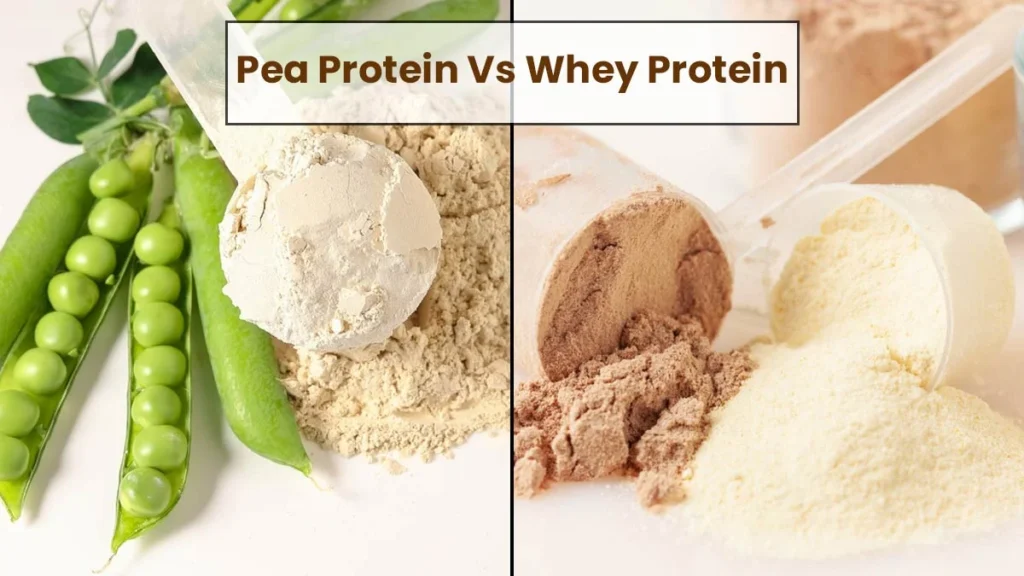
Credit: bstextract.com
Nutritional Profiles
Whey protein and pea protein are popular supplements for muscle building and nutrition. They have different nutritional profiles that affect your choice.
Understanding their nutrients helps you pick the right protein for your diet and health goals.
Amino Acid Content
Whey protein contains all nine essential amino acids. It is a complete protein and rich in branched-chain amino acids (BCAAs).
Pea protein also has all essential amino acids but in lower amounts. It is lower in methionine and cysteine compared to whey.
| Amino Acid | Whey Protein (per 100g) | Pea Protein (per 100g) |
|---|---|---|
| Leucine | 10.8 g | 8.0 g |
| Isoleucine | 6.6 g | 5.0 g |
| Valine | 6.0 g | 4.8 g |
| Methionine | 2.2 g | 1.0 g |
| Lysine | 9.5 g | 7.0 g |
Calorie And Macronutrient Breakdown
Whey protein usually has fewer calories and fats. It is higher in protein per serving compared to pea protein.
Pea protein has more carbohydrates and fiber. It is a good option for those who want extra fiber in their diet.
| Nutrient | Whey Protein (per 30g) | Pea Protein (per 30g) |
|---|---|---|
| Calories | 120 kcal | 130 kcal |
| Protein | 24 g | 21 g |
| Carbohydrates | 2 g | 5 g |
| Fiber | 0 g | 2 g |
| Fat | 1.5 g | 3 g |
Digestibility And Absorption
Digestibility and absorption are key to how well proteins help the body. They tell us how fast and well the body uses the protein.
Whey protein and pea protein digest differently. This affects how your body gets nutrients from them.
How Whey Protein Is Digested
Whey protein is a dairy protein that the body digests quickly. It breaks down fast in the stomach and small intestine.
Its amino acids enter the bloodstream soon after eating. This helps muscles get nutrients fast for repair and growth.
- Whey is rich in essential amino acids.
- It has a high level of leucine, important for muscle building.
- Whey digestion starts in the stomach with enzymes like pepsin.
- Proteins break down into smaller peptides and amino acids in the small intestine.
- The body absorbs these amino acids quickly.
Pea Protein Digestion Process
Pea protein is plant-based and digests slower than whey. This means amino acids enter the blood more gradually.
Its slower absorption can help keep amino acid levels steady. This supports muscle repair over time.
- Pea protein contains all essential amino acids but less methionine.
- It starts breaking down in the stomach with enzymes.
- Fiber and other compounds in peas may slow digestion.
- Peptides and amino acids absorb mainly in the small intestine.
- Absorption takes longer compared to whey protein.
Health Benefits
Whey protein and pea protein are popular choices for health and fitness. Both provide essential nutrients but differ in their benefits.
Understanding their effects helps you pick the right protein for your needs.
Muscle Growth And Recovery
Whey protein is rich in all essential amino acids. It contains a high amount of leucine, which supports muscle growth.
Pea protein also has all essential amino acids but in different amounts. It supports muscle repair and helps reduce soreness after exercise.
- Whey protein is fast-digesting, aiding quick recovery.
- Pea protein digests slower, providing steady amino acids.
- Both help build muscle when combined with strength training.
Allergy And Sensitivity Considerations
Whey protein comes from milk and may cause allergies in some people. It is not suitable for those with lactose intolerance or dairy allergies.
Pea protein is plant-based and hypoallergenic. It is a safe choice for people with dairy allergies or sensitivities.
- Whey protein may cause digestive issues in sensitive people.
- Pea protein is gentle on the stomach and easy to digest.
- Pea protein suits vegans and vegetarians better than whey.
Environmental Impact
Choosing between whey protein and pea protein often depends on their effects on the environment. Both have different impacts on natural resources and pollution. It is important to understand these differences.
Looking at the environmental impact helps consumers pick protein sources that are better for the planet. This guide focuses on sustainability and eco-friendliness of whey and pea proteins.
Sustainability Of Whey Production
Whey protein comes from milk. It is a byproduct of cheese making. Using whey reduces waste in dairy farms. This is a way to use resources fully.
Producing whey needs a lot of water and land. Dairy farming also creates greenhouse gases. These gases can harm the environment. The overall impact depends on farm practices.
- Whey uses milk from cows
- Dairy farms require large land and water
- Cow methane contributes to greenhouse gases
- Whey reduces cheese-making waste
Eco-friendliness Of Pea Protein
Pea protein is made from yellow peas. Peas grow quickly and need less water than animals. They also improve soil by adding nitrogen.
Growing peas causes fewer greenhouse gases. It uses less land and energy compared to dairy. Pea protein is a good choice for reducing environmental harm.
- Peas grow fast with low water needs
- Peas improve soil health
- Fewer greenhouse gases than animal farming
- Less land and energy used in production
Taste And Texture
Choosing between whey protein and pea protein often comes down to taste and texture. Both proteins offer unique eating experiences that affect how you enjoy your shakes and recipes.
Understanding the flavor and feel of each protein helps you pick the right one for your needs and preferences.
Flavor Profiles
Whey protein has a mild, creamy taste that blends well with many flavors. It often has a slightly sweet or milky note that many find pleasant.
Pea protein has a stronger, earthier flavor. It can taste a bit grassy or nutty, which some people may not like at first.
- Whey protein: mild, creamy, slightly sweet
- Pea protein: earthy, nutty, sometimes grassy
Mixability And Usage
Whey protein mixes easily with water, milk, or other liquids. It usually becomes smooth and creamy without lumps.
Pea protein can be harder to mix. It may leave a grainy or chalky texture if not blended well.
- Whey protein: smooth, creamy, easy to blend
- Pea protein: can be grainy, needs good mixing
Cost And Accessibility
Choosing between whey protein and pea protein often depends on cost and how easy it is to find them. These factors matter a lot for people who want to add protein to their diet regularly.
Both types of protein have their pros and cons when it comes to price and availability. Let’s look closer at these points.
Price Comparison
Whey protein usually costs less than pea protein. This is because whey is made from milk and is produced in large amounts.
Pea protein is plant-based and often costs a bit more. It requires more processing, which can add to the price.
- Whey protein price: generally lower per serving
- Pea protein price: often higher due to production costs
- Prices vary by brand and package size
Availability In Markets
Whey protein is widely available in most grocery stores and online shops. It is popular among fitness enthusiasts and general consumers.
Pea protein is also becoming easier to find. Many health food stores and specialty shops stock it, especially in urban areas.
- Whey protein found in supermarkets, sports shops, and online
- Pea protein available in health stores and some supermarkets
- Online stores offer both types with many options

Credit: www.reddit.com
Who Should Choose Which
Whey protein and pea protein are popular choices for protein supplements. Each one suits different people based on their needs and lifestyle.
Understanding who should choose whey or pea protein helps make a better decision for health and fitness goals.
Athletes And Bodybuilders
Athletes and bodybuilders need protein that supports muscle growth and repair. Whey protein is fast-absorbing and rich in essential amino acids.
It helps build muscle quickly and recover after workouts. Pea protein is a good alternative but digests slower and has slightly fewer amino acids.
- Whey protein supports rapid muscle recovery.
- It contains high levels of branched-chain amino acids (BCAAs).
- Pea protein is plant-based and good for those avoiding dairy.
- Pea protein supports muscle growth but may work slower.
Vegans And Vegetarians
Vegans and vegetarians avoid animal products, so whey protein is not suitable for them. Pea protein is a plant-based option that fits their diet well.
Pea protein offers a complete set of amino acids and is free from dairy, making it easy to digest and allergen-friendly.
- Pea protein is fully plant-based and vegan-friendly.
- It avoids common allergens like dairy and gluten.
- Whey protein is derived from milk and not vegan.
- Pea protein helps vegans meet their protein needs.
Individuals With Dietary Restrictions
People with allergies or lactose intolerance should choose their protein carefully. Whey protein contains lactose, which can cause discomfort.
Pea protein is free from lactose and common allergens. It suits those with dairy allergies or sensitive digestion better than whey protein.
- Whey protein may cause issues for lactose-intolerant people.
- Pea protein is dairy-free and hypoallergenic.
- Pea protein suits gluten-free and soy-free diets.
- Whey protein may not be good for sensitive stomachs.
Frequently Asked Questions
Which Protein Is Better For Muscle Gain, Whey Or Pea?
Whey protein is superior for muscle gain due to its high leucine content. It digests quickly, promoting faster recovery. Pea protein supports muscle growth but is slower to digest and has less leucine. Whey is preferred by athletes for rapid muscle synthesis.
Is Pea Protein Good For People With Allergies?
Yes, pea protein is hypoallergenic and suitable for those allergic to dairy or soy. It is plant-based, free from common allergens, and easy to digest. This makes it an excellent alternative for people with sensitive stomachs or dietary restrictions.
How Do Whey And Pea Protein Differ In Digestion Speed?
Whey protein digests rapidly, providing quick amino acid delivery to muscles. Pea protein digests more slowly, offering prolonged amino acid release. Fast digestion benefits post-workout recovery, while slower digestion supports sustained protein supply during the day.
Can Pea Protein Support Weight Loss Effectively?
Pea protein can aid weight loss by promoting satiety and preserving lean muscle mass. It is low in calories and helps reduce hunger. Its fiber content also supports digestive health, making it a beneficial choice for weight management.
Conclusion
Whey protein and pea protein both offer unique benefits. Whey has a complete amino acid profile and digests quickly. Pea protein suits those avoiding dairy or seeking plant-based options. Your choice depends on diet, allergies, and fitness goals. Neither is strictly better for everyone.
Trying both can help find what fits best. Focus on consistency and balanced nutrition for results. Protein quality and personal needs matter most. Choose what supports your health and lifestyle well.


