
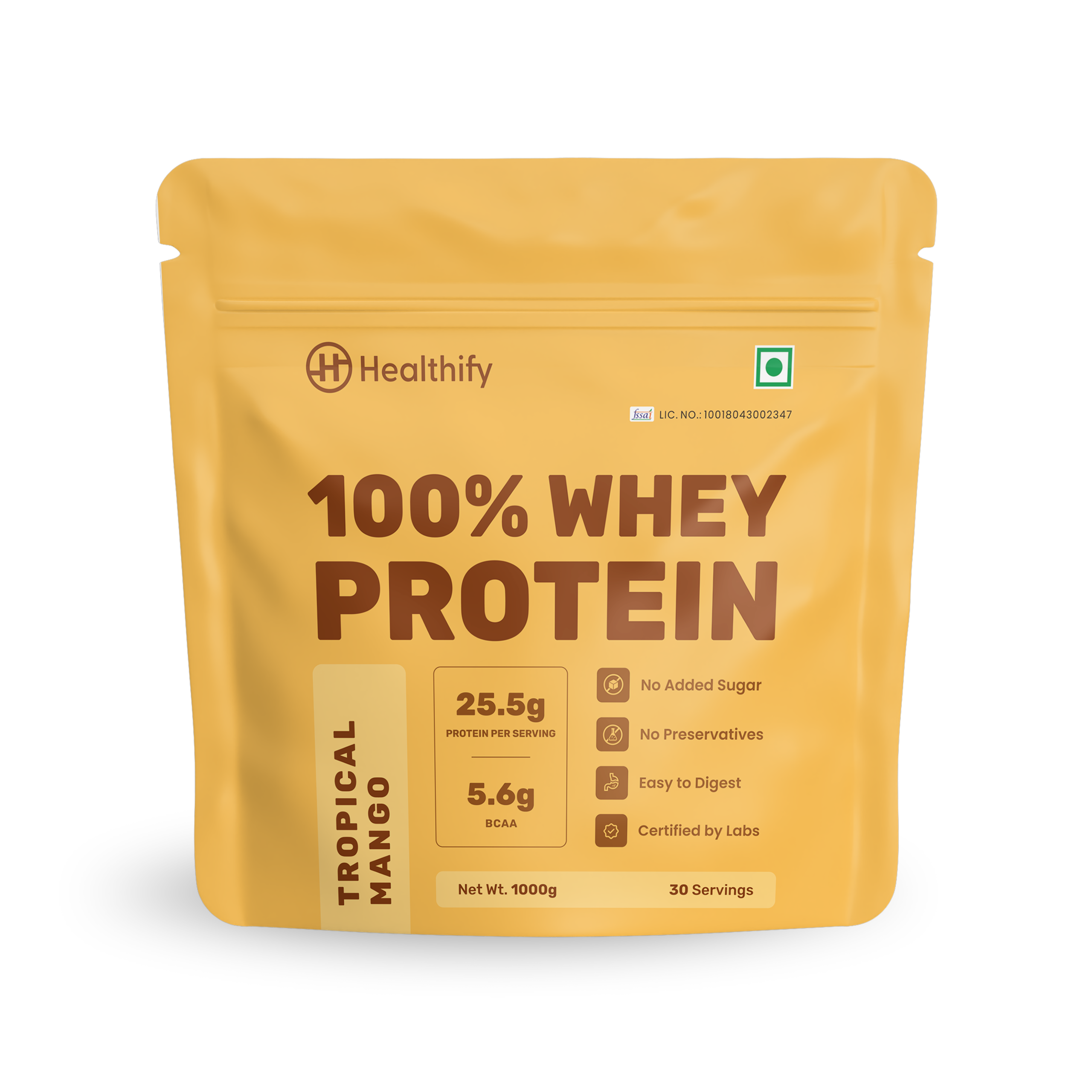
Are you wondering if whey protein is safe for your gluten-free or dairy-free diet? You’re not alone.
Many people want to boost their nutrition but worry about hidden ingredients that could trigger allergies or sensitivities. Understanding what’s really in your protein powder can protect your health and help you reach your fitness goals without unwanted side effects.
Keep reading to discover the truth about whey protein and whether it fits into your gluten-free and dairy-free lifestyle.
What Is Whey Protein
Whey protein is a popular dietary supplement. It is derived from milk during cheese production. People use it to build muscle and improve performance.
Whey protein contains essential amino acids. These are important for muscle repair and growth. It is often used by athletes and bodybuilders.
Sources Of Whey Protein
Whey protein comes from different sources. These sources provide high-quality protein.
- Milk: The primary source of whey protein.
- Cheese production: Whey is a by-product of making cheese.
- Supplements: Available in powder form for easy use.
Types Of Whey Protein
There are several types of whey protein. Each type has different benefits.
- Whey Protein Concentrate: Contains some fat and lactose.
- Whey Protein Isolate: Higher protein content, less fat and lactose.
- Whey Protein Hydrolysate: Pre-digested for faster absorption.
Gluten Content In Whey Protein
Whey protein is a popular supplement made from milk. Many people want to know if whey protein has gluten. Gluten is a protein found in wheat, barley, and rye. It can cause problems for people with gluten intolerance or celiac disease.
Understanding gluten content in whey protein helps you choose safe products. Not all whey protein contains gluten, but contamination can happen.
How Gluten Contamination Occurs
Gluten contamination happens when gluten enters whey protein during production. This can occur if the factory processes gluten-containing foods too.
Cross-contact can happen through shared equipment, surfaces, or air. Even small amounts of gluten can be harmful for sensitive people.
- Shared machinery with gluten products
- Improper cleaning between batches
- Storage near gluten-containing ingredients
- Airborne particles in the production area
Gluten-free Certifications
Gluten-free certifications show that whey protein is tested and safe. These labels follow strict rules to limit gluten content.
Certified gluten-free whey protein means less risk of contamination. Look for trusted certifications when buying whey protein.
- Certified Gluten-Free by recognized organizations
- Gluten levels below 20 parts per million (ppm)
- Regular testing of products and facilities
- Clear labeling for consumers
Dairy Presence In Whey Protein
Whey protein comes from milk, so it contains dairy. People with dairy allergies should be careful. Whey protein is made during cheese production.
It has proteins and small amounts of milk sugars. The dairy content depends on the whey type. Some forms have less dairy than others.
Lactose Levels In Whey
Lactose is a sugar found in milk. Whey protein has different lactose amounts. This affects people who are lactose intolerant.
Whey concentrate has more lactose. Whey isolate has less lactose because it is filtered more. People who avoid lactose often choose isolate.
- Whey concentrate contains about 3-4% lactose
- Whey isolate contains less than 1% lactose
- Lactose content affects digestion and tolerance
Whey Protein Isolate Vs Concentrate
Whey isolate is purer than concentrate. It has more protein and less fat and lactose. This makes it easier for some to digest.
Whey concentrate has more dairy parts like lactose and fat. It is less processed and may cause issues for dairy-sensitive people.
- Whey Isolate: Higher protein, lower lactose and fat
- Whey Concentrate: Lower protein, higher lactose and fat
- Isolate suits lactose-sensitive people better

Credit: biochemprotein.com
Suitability For Gluten Intolerant
Whey protein is a popular supplement made from milk. People who cannot eat gluten want to know if whey protein is safe for them.
Most whey protein powders do not contain gluten. Still, some products may have gluten due to added ingredients.
Celiac Disease Considerations
Celiac disease is a serious condition triggered by gluten. People with celiac must avoid all gluten to stay healthy.
Pure whey protein usually has no gluten. But people with celiac should check labels carefully. Some whey products include flavorings or fillers that contain gluten.
- Look for products labeled “gluten-free.”
- Avoid whey protein with added malt or wheat ingredients.
- Contact the manufacturer if unsure about gluten content.
Cross-contamination Risks
Cross-contamination can happen if whey protein is processed near gluten products. This can cause gluten traces in the protein powder.
Manufacturers often use shared equipment for different supplements. This increases the chance of gluten contamination.
- Choose whey protein from companies that test for gluten.
- Look for “certified gluten-free” seals.
- Store whey protein away from gluten-containing foods.
Suitability For Dairy Sensitive
Whey protein comes from milk, so it contains dairy components. This makes it important to check if whey protein is safe for people sensitive to dairy. Some whey protein powders have less lactose, but they are not always free from all dairy parts.
People with dairy sensitivity need to understand what is in whey protein. This helps them avoid discomfort or allergic reactions from dairy proteins.
Lactose Intolerance Effects
Lactose intolerance means the body cannot digest lactose, a sugar in milk. Whey protein contains some lactose, which may cause problems for these people.
Common effects include stomach pain, bloating, gas, and diarrhea after taking whey protein with lactose.
- Stomach cramps
- Bloating and gas
- Diarrhea
- Nausea in some cases
Alternatives To Whey Protein
People sensitive to dairy can try protein powders that do not contain dairy or gluten. These alternatives help meet protein needs without causing problems.
Common dairy-free and gluten-free protein options include:
- Pea protein
- Rice protein
- Hemp protein
- Soy protein
- Egg white protein
Reading Labels For Allergens
Whey protein is a popular supplement. Many people wonder if it is gluten and dairy free. Reading labels helps you find out.
Labels show what ingredients are inside. They also warn about allergens. Knowing how to read them keeps you safe.
What To Look For
Check the ingredient list for gluten and dairy. Some whey proteins contain milk. Others may have added gluten.
Look for words like “whey,” “milk,” and “casein.” These mean dairy is present. For gluten, watch for wheat, barley, or rye.
- Ingredients containing milk or dairy
- Sources of gluten such as wheat or barley
- Statements about cross-contamination risks
Common Allergen Warnings
Many products include allergen warnings. These show if the product may have traces of allergens.
Warnings often say “may contain” or “processed in a facility with.” Read these carefully if you have allergies.
- “Contains milk” means dairy is inside
- “May contain gluten” means risk of gluten
- “Processed in a facility with nuts” means possible cross-contact
Choosing The Right Whey Protein
Whey protein is popular for muscle building and fitness. Some people worry about gluten and dairy in whey protein.
Knowing if whey protein is gluten and dairy free helps you pick the best option for your health needs.
Certified Gluten-free Options
Some whey protein brands test their products to be gluten free. Look for a gluten-free certification on the label.
Certified gluten-free whey protein is safe for people with gluten intolerance or celiac disease.
- Check for certification symbols from trusted organizations
- Read ingredient lists to avoid hidden gluten sources
- Choose isolate whey protein, which usually has less gluten
Low Lactose And Dairy-free Alternatives
Whey protein contains lactose, but some versions have less lactose. These are better for lactose-sensitive people.
For those avoiding dairy completely, plant-based protein powders are good alternatives.
- Whey protein isolate has lower lactose than concentrate
- Lactase enzyme supplements can help digest lactose
- Pea, rice, and soy proteins are dairy-free options

Credit: www.hollandandbarrett.com

Credit: www.amazon.com
Frequently Asked Questions
Is Whey Protein Gluten-free?
Whey protein is naturally gluten-free as it is derived from milk, not grains. However, always check labels for cross-contamination or added ingredients containing gluten.
Does Whey Protein Contain Dairy?
Yes, whey protein is a dairy product made from milk during cheese production. It contains lactose, so it may not suit those with dairy intolerance.
Can People With Gluten Allergies Consume Whey Protein?
Most whey protein products are safe for gluten allergies, but verify the label for gluten-free certification to avoid contamination risks.
Is Whey Protein Suitable For Lactose Intolerant Individuals?
Whey protein isolate has minimal lactose and is often tolerated, but concentrate contains more lactose. Choose isolates or lactose-free options if sensitive.
Conclusion
Whey protein comes from milk, so it contains dairy naturally. Most whey protein powders are not gluten-free unless labeled. Some brands add gluten during processing, so check labels carefully. Many companies now offer gluten-free and dairy-free alternatives. People with allergies or sensitivities should choose products with clear ingredient lists.
Reading product details helps avoid unwanted reactions. Always pick whey protein that fits your dietary needs. Stay informed and choose wisely for your health goals.


