
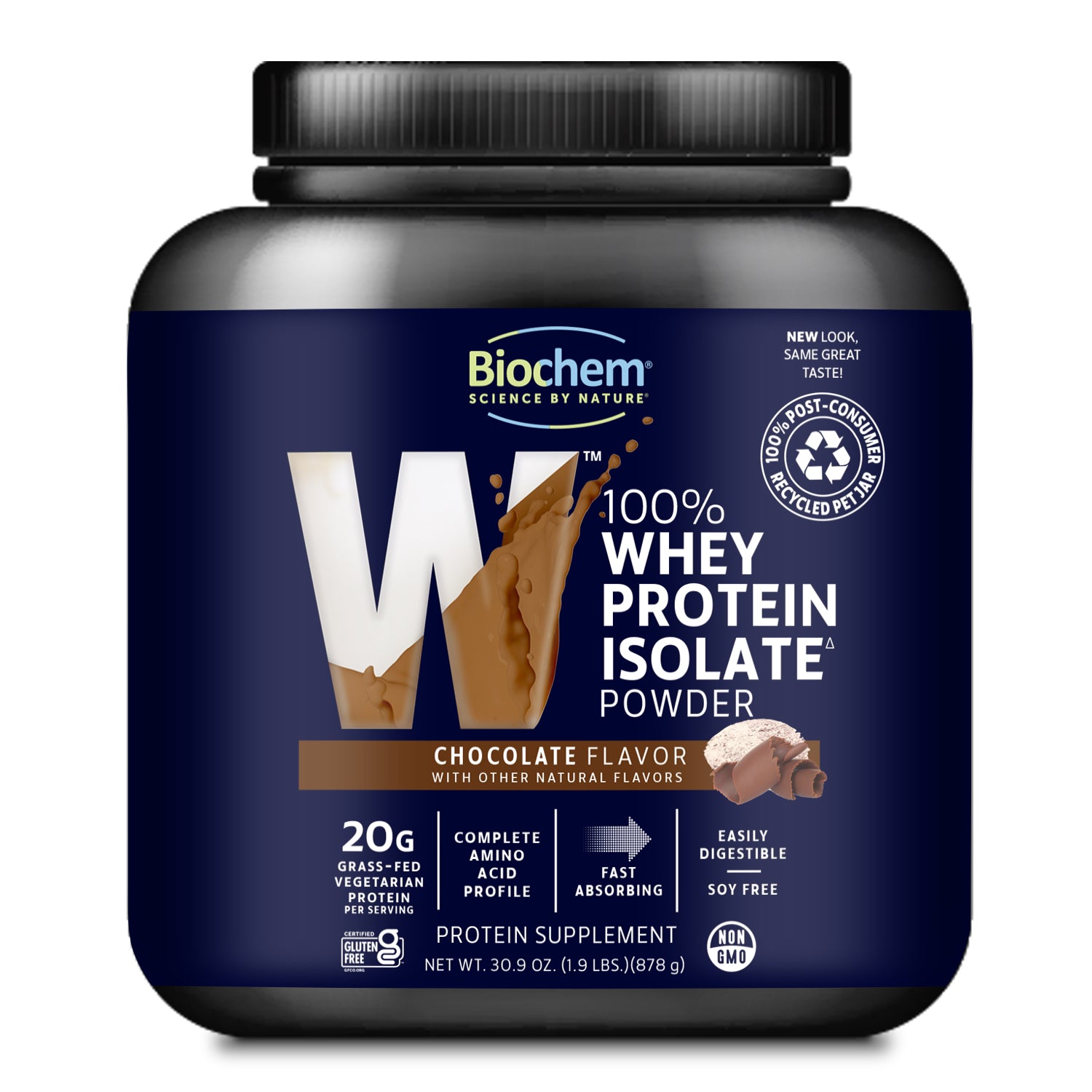
Have you ever wondered if whey protein contains glycine? If you’re focused on building muscle, improving recovery, or just staying healthy, knowing what’s inside your protein powder matters.
Glycine is a small but powerful amino acid that plays a big role in your body’s functions. Understanding whether whey protein has glycine can help you make smarter choices for your nutrition and fitness goals. Keep reading to find out the answer and how it impacts your health.
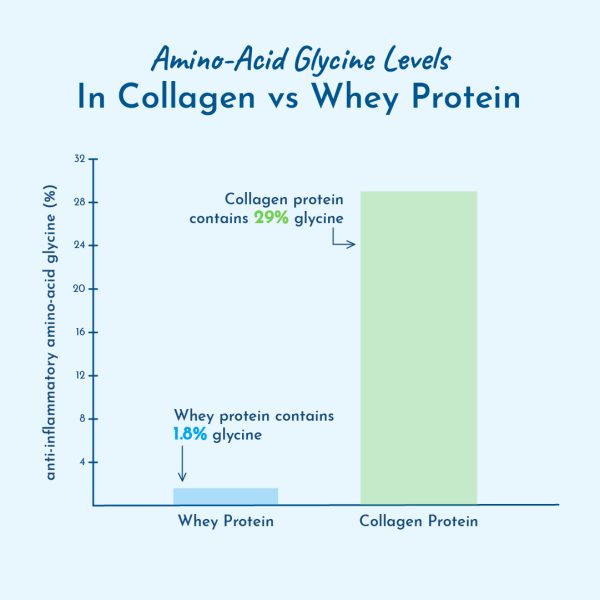
Credit: www.forefronthealth.com
Whey Protein Basics
Whey protein is a popular supplement for fitness enthusiasts. It helps in muscle building and recovery.
This protein comes from milk. It is separated during the cheese-making process.
Sources And Types
Whey protein is found in dairy products. It is available in different forms.
There are three main types: concentrate, isolate, and hydrolysate. Each type has unique properties.
- Concentrate: Contains some lactose and fat.
- Isolate: Processed to remove most fat and lactose.
- Hydrolysate: Pre-digested for faster absorption.
Nutritional Profile
Whey protein is rich in essential amino acids. It includes leucine, which helps in muscle growth.
It also contains glycine. Glycine supports muscle repair and overall health.
| Type | Protein Content | Glycine |
| Concentrate | 70-80% | Present |
| Isolate | 90% or more | Present |
| Hydrolysate | Varies | Present |
Glycine In Whey Protein
Glycine is one of many amino acids found in proteins. Whey protein contains glycine along with other amino acids. This amino acid helps build proteins and supports body functions.
People often ask if whey protein has enough glycine. This article looks at glycine presence and compares whey to other proteins.
Presence And Amounts
Whey protein contains glycine but in small amounts. Glycine makes up about 2% of the amino acids in whey protein. This is lower compared to some other proteins.
Even though the amount is small, glycine still adds to the overall protein quality. Whey protein mainly focuses on branched-chain amino acids for muscle repair.
- Glycine is about 2% of whey protein amino acids
- Whey is rich in essential amino acids
- Glycine amount in whey is lower than some proteins
Comparison With Other Proteins
Some proteins like collagen have much more glycine than whey. Collagen can contain over 25% glycine. Plant proteins have varying glycine levels depending on the source.
Whey protein is great for muscle growth but low in glycine. Collagen is better for glycine needs but lacks some essential amino acids.
| Protein Type | Glycine Content (%) |
|---|---|
| Whey Protein | ~2% |
| Collagen Protein | ~25% |
| Soy Protein | 4-5% |
| Pea Protein | 3-4% |
Health Benefits Of Glycine
Glycine is an important amino acid found in many proteins, including whey protein. It plays many roles in the body that help keep us healthy. Understanding glycine helps us see why it matters in our diet.
Glycine supports different body functions. It helps build strong tissues, improve sleep, and assist in metabolism. These benefits make glycine a valuable nutrient.
Role In Collagen Production
Glycine is a key part of collagen, a protein that supports skin, bones, and joints. It helps the body make and repair collagen, which keeps tissues strong and flexible.
Collagen helps your skin stay firm and your joints move smoothly. Without enough glycine, the body cannot produce enough collagen.
- Supports skin elasticity
- Strengthens bones and cartilage
- Aids in wound healing
Impact On Sleep And Relaxation
Glycine helps calm the brain and body. It can improve sleep quality by lowering body temperature and relaxing muscles. This makes it easier to fall asleep and stay asleep.
People who take glycine often feel more relaxed and less stressed. It supports a healthy sleep cycle and helps reduce anxiety.
- Promotes deep, restful sleep
- Reduces anxiety and stress
- Improves mental clarity after sleep
Supports Metabolism And Detox
Glycine helps the body break down nutrients and produce energy. It also supports the liver in removing toxins, which keeps the body clean and healthy.
This amino acid is involved in making important substances that help detoxify harmful chemicals. It also helps regulate blood sugar and supports immune function.
- Boosts energy production
- Helps liver detoxify chemicals
- Supports healthy blood sugar levels
- Strengthens immune system
Whey Protein And Muscle Health
Whey protein is a popular supplement for muscle health. It provides essential amino acids that help build muscle.
Glycine is an amino acid that plays a role in muscle function. Many wonder if whey protein contains glycine.
Muscle Growth And Repair
Whey protein has all essential amino acids needed for muscle growth. It helps repair muscle fibers after exercise.
Glycine supports collagen production, which is important for muscle repair. It also helps reduce inflammation.
- Whey protein supplies building blocks for new muscle tissue
- Glycine aids in repairing muscle and connective tissues
- Both help reduce muscle soreness after workouts
Synergy With Glycine
Whey protein contains small amounts of glycine. This helps support muscle health along with other amino acids.
Glycine works well with whey to improve muscle recovery. It also helps maintain overall joint and tendon health.
- Whey protein delivers essential amino acids for muscle growth
- Glycine enhances collagen and tissue repair
- Together, they support stronger muscles and faster recovery
Potential Side Effects And Considerations
Whey protein is a popular supplement for muscle growth and recovery. It contains many amino acids, including glycine. While it is generally safe, some people may experience side effects.
Understanding possible allergies, intolerances, and correct dosage helps avoid unwanted problems. It is important to know how whey protein might affect your body.
Allergies And Intolerances
Whey protein comes from milk, so people with milk allergies should avoid it. Allergic reactions can include itching, swelling, or breathing problems.
Lactose intolerance is different from an allergy. Some whey proteins have lactose, which can cause stomach pain, gas, or diarrhea in sensitive people.
- Milk allergy: avoid all whey protein products
- Lactose intolerance: choose whey protein isolate with low lactose
- Check labels for added ingredients that may cause allergies
Dosage Recommendations
Taking too much whey protein can strain your kidneys and cause stomach discomfort. It is best to follow recommended amounts based on your body weight and activity level.
Most adults use about 20 to 30 grams per serving. Spreading intake throughout the day helps your body absorb protein better.
- Do not exceed 2 grams of protein per kilogram of body weight daily
- Start with small amounts to check tolerance
- Drink plenty of water when using whey protein
Credit: biochemprotein.com
Incorporating Whey Protein Into Diet
Whey protein contains many amino acids, including glycine. Glycine helps build proteins in the body. Adding whey protein to your meals can boost your daily protein intake.
Many people use whey protein to support muscle growth and recovery. It fits well into different diets and can be mixed with many foods and drinks.
Best Times To Consume
Whey protein works well after workouts. It helps muscles recover faster and grow stronger. You can also take it in the morning to start your day with protein.
Some people use whey protein as a snack between meals. It keeps hunger away and supports your body’s needs throughout the day.
- Right after exercise to aid muscle repair
- In the morning for a protein-rich start
- Between meals to reduce hunger
- Before bed to support overnight recovery
Recipe Ideas
You can add whey protein to many recipes. It mixes well with smoothies and shakes. You can also use it in baked goods for a protein boost.
Try mixing whey protein with fruits and milk for a quick smoothie. You can add it to pancake batter or oatmeal for extra nutrition.
- Protein smoothie with banana and berries
- Pancakes made with whey protein powder
- Oatmeal stirred with a scoop of whey
- Yogurt mixed with whey and nuts

Credit: www.amazon.com
Frequently Asked Questions
Does Whey Protein Contain Glycine?
Yes, whey protein contains glycine, but in small amounts compared to other amino acids. It contributes to overall protein quality.
How Much Glycine Is In Whey Protein?
Whey protein has a modest glycine content, usually less than 3% of total amino acids. It’s not a primary source.
Is Glycine Important In Whey Protein Supplements?
Glycine is beneficial but not the main focus in whey supplements. Whey is valued for essential amino acids like leucine.
Can Whey Protein Boost Glycine Levels In The Body?
Whey protein can slightly increase glycine intake, but other sources like collagen have higher glycine levels.
Conclusion
Whey protein does contain glycine, but in small amounts. Glycine is an important amino acid for the body. It helps with muscle repair and overall health. While whey protein supports muscle growth, it is not the main source of glycine.
Eating a balanced diet with different proteins is best. This helps your body get all the amino acids it needs. Keep enjoying whey protein as part of your fitness plan. Remember, variety in food helps your body stay strong and healthy.


