
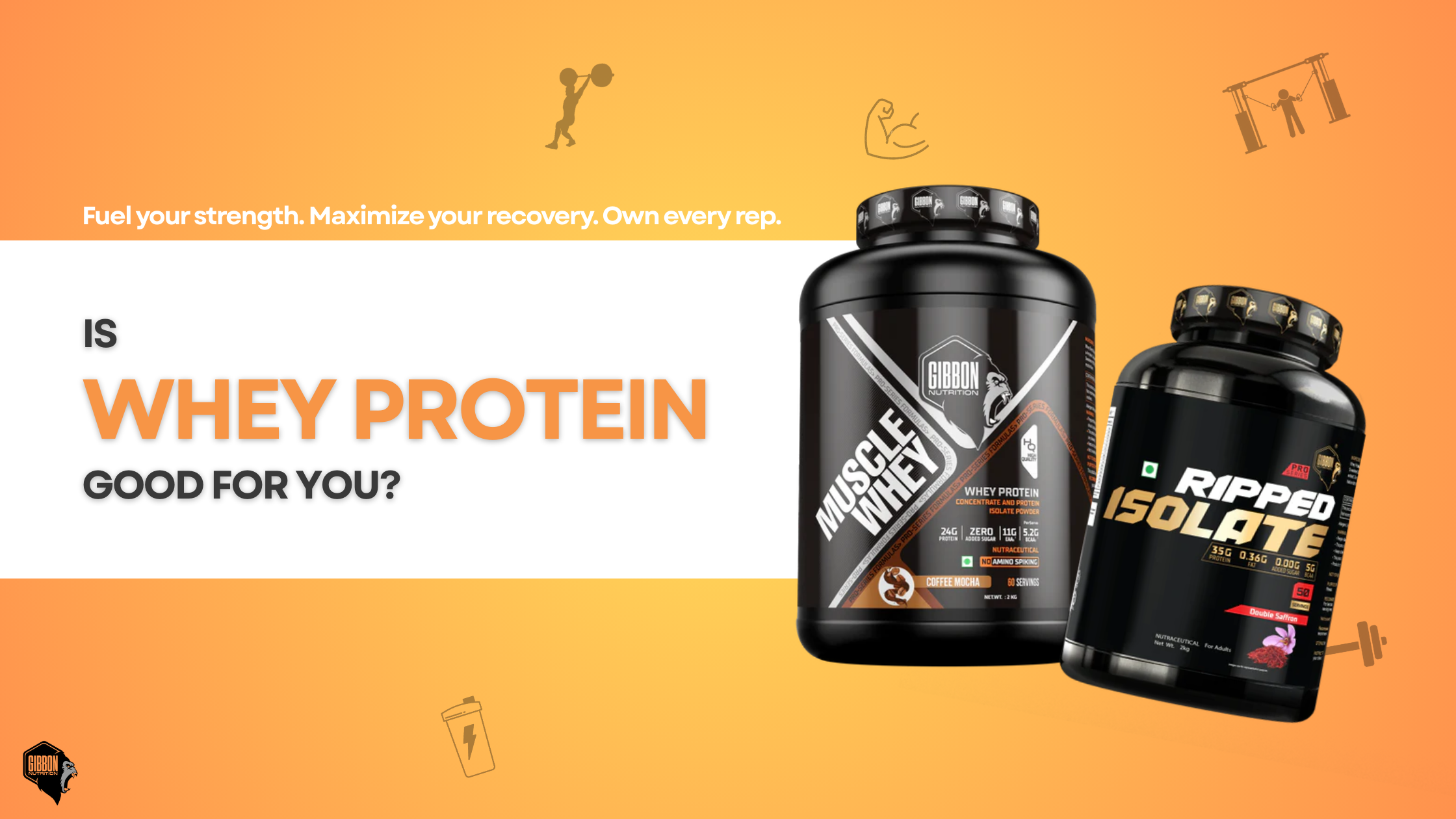
Are you worried that whey protein might be harming your cholesterol levels? You’re not alone.
Many people who use whey protein to build muscle or lose weight wonder if it could negatively affect their heart health. The truth isn’t as simple as yes or no. Understanding how whey protein interacts with your cholesterol can help you make smarter choices for your body.
Keep reading to discover what the latest research says and how you can enjoy whey protein without risking your heart.

Credit: allmaxnutrition.com
Whey Protein Basics
Whey protein is a popular supplement for fitness enthusiasts. It is derived from milk during the cheese-making process.
Whey protein contains essential amino acids. These are important for muscle growth and repair.
Types Of Whey Protein
There are three main types of whey protein. Each type has different benefits and uses.
- Whey Protein Concentrate: Contains low fat and carbohydrates.
- Whey Protein Isolate: Higher protein content, less fat and lactose.
- Whey Protein Hydrolysate: Pre-digested, easier to absorb.
Nutritional Profile
Whey protein is rich in essential nutrients. It provides a high amount of protein per serving.
It also contains vitamins and minerals. These support overall health and well-being.
| Component | Amount per 30g Serving |
| Protein | 24g |
| Fat | 1g |
| Carbohydrates | 2g |
Cholesterol And Its Impact
Cholesterol is a type of fat found in your blood. Your body needs some cholesterol to work well.
Too much cholesterol can cause health problems. It can block your blood vessels and harm your heart.
Good Vs. Bad Cholesterol
There are two main types of cholesterol: good and bad. They affect your body in different ways.
Good cholesterol is called HDL. It helps remove bad cholesterol from your blood.
Bad cholesterol is called LDL. It can build up in your arteries and cause blockages.
- HDL (Good Cholesterol):Protects your heart by cleaning arteries.
- LDL (Bad Cholesterol):Causes plaque buildup and narrows blood vessels.
Health Risks Of High Cholesterol
High cholesterol can lead to heart disease and stroke. These are serious health problems.
Blocked arteries make it harder for blood to flow. This can cause chest pain or heart attacks.
- Heart attack
- Stroke
- High blood pressure
- Peripheral artery disease
Whey Protein’s Effect On Cholesterol
Whey protein is a popular supplement for muscle growth. Many people wonder if it affects cholesterol levels. Understanding how whey protein interacts with cholesterol helps make informed choices.
Cholesterol is a fat-like substance in the blood. It is important to know if whey protein raises bad cholesterol or improves good cholesterol.
Research Findings
Studies show mixed results about whey protein and cholesterol. Some research finds whey protein lowers total cholesterol. Other studies find little change in cholesterol levels.
Whey protein may also reduce LDL cholesterol, known as bad cholesterol. It can increase HDL cholesterol, the good type. Effects depend on diet, exercise, and health status.
- Whey protein can lower total cholesterol in some people.
- It may reduce LDL (bad) cholesterol.
- It might raise HDL (good) cholesterol.
- Results vary by individual health and lifestyle.
How Whey Influences Lipid Levels
Whey protein contains bioactive peptides that affect cholesterol metabolism. These peptides help the liver remove cholesterol from the blood. Whey also supports weight loss, which can improve cholesterol.
Whey protein helps reduce fat in the blood, lowering triglycerides. It may also improve blood vessel function, which benefits heart health. Regular whey intake combined with healthy lifestyle helps manage lipid levels.
- Bioactive peptides in whey help clear cholesterol.
- Whey supports weight loss to improve cholesterol.
- It reduces blood fats like triglycerides.
- Whey may improve heart blood vessel health.
Factors That Affect Cholesterol Response
Whey protein is a popular supplement for muscle building. Some people worry about its effect on cholesterol levels.
Cholesterol response varies by several important factors. Understanding these can help manage health better.
Dosage And Consumption Patterns
The amount of whey protein taken can affect cholesterol. Large doses might influence cholesterol more than small ones.
How often and when you consume whey also matters. Regular intake with meals may have a different impact than occasional use.
- High doses could raise LDL (bad cholesterol)
- Moderate doses usually have little effect
- Taking whey with food may lower cholesterol changes
- Skipping meals and taking whey alone might increase risk
Individual Health Variations
Each person’s body reacts differently to whey protein. Genetics and existing health conditions play a role.
People with cholesterol problems may see bigger changes. Healthy people often show little or no effect.
- Genetic factors affect cholesterol processing
- Those with high cholesterol should monitor intake closely
- People with healthy cholesterol tend to tolerate whey better
- Consult a doctor if you have heart disease or diabetes
Comparing Whey To Other Protein Sources
Whey protein is popular for muscle building and recovery. People often ask if it affects cholesterol.
We will compare whey to other protein types. This helps understand their impact on cholesterol.
Plant-based Proteins
Plant proteins come from beans, peas, nuts, and grains. They usually have less saturated fat.
These proteins can help lower bad cholesterol. They also provide fiber and nutrients.
- Sources: lentils, chickpeas, quinoa, soy
- Lower in saturated fat than animal proteins
- High in fiber which helps reduce cholesterol
- Good for heart health
Animal-based Proteins
Animal proteins include meat, dairy, eggs, and whey. Some have higher saturated fat levels.
Whey protein is a dairy product. It usually has less fat than red meat but more than plants.
- Sources: chicken, beef, fish, eggs, whey
- Some types raise cholesterol more than plant proteins
- Whey protein is lower in saturated fat than red meat
- Good quality protein for muscle repair
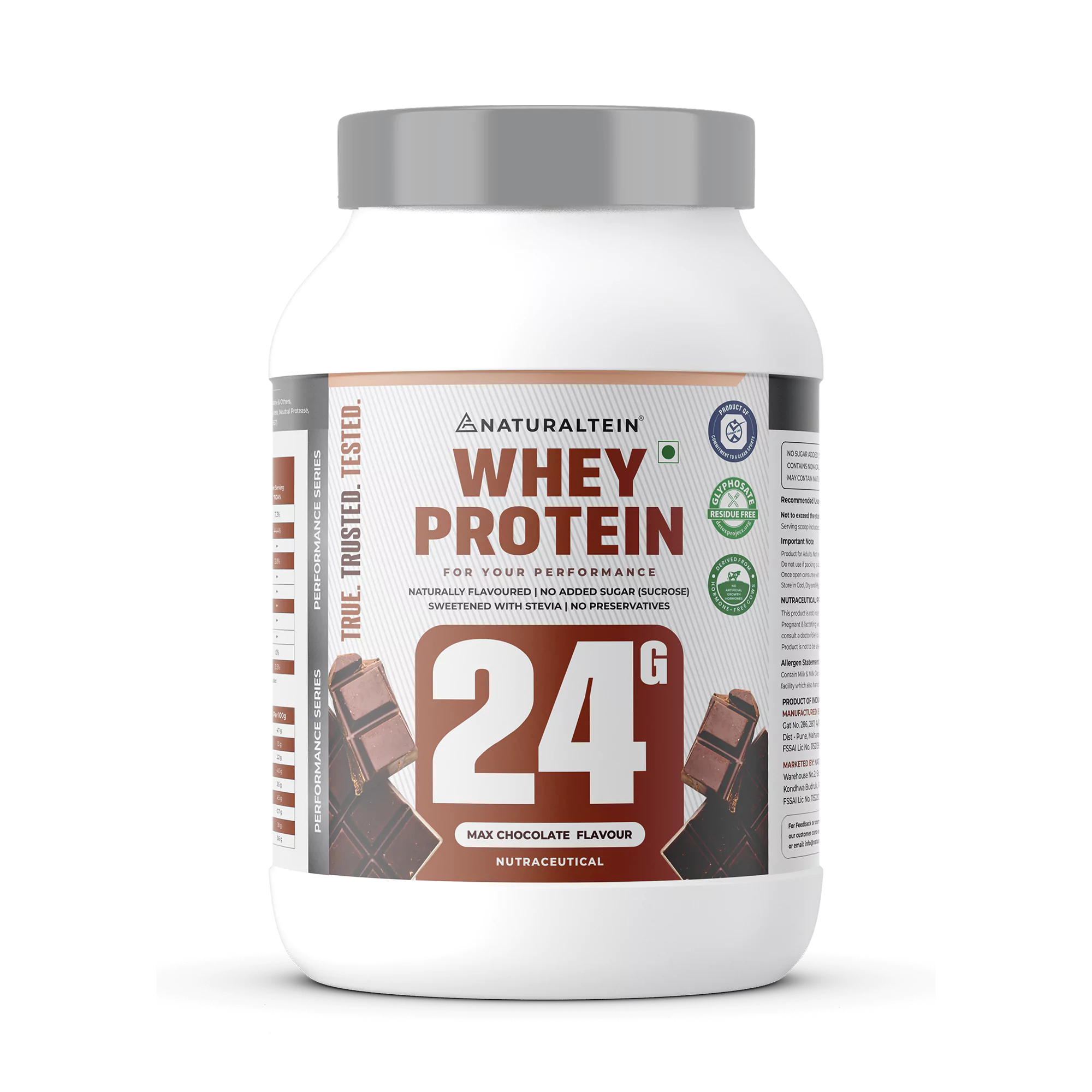
Credit: naturaltein.in
Tips For Managing Cholesterol With Whey
Whey protein is a popular supplement for muscle growth and recovery. Some people wonder if whey protein affects cholesterol levels.
This guide offers tips to help you manage cholesterol while using whey protein safely and effectively.
Choosing The Right Whey Protein
Select whey protein that fits your health needs. Some types have less fat and cholesterol than others.
Whey isolate usually has less fat and lactose than concentrate. This may help keep cholesterol lower.
- Pick whey isolate for lower fat content
- Check labels for cholesterol amounts
- Avoid added sugars and unhealthy fats
- Consider grass-fed whey for better fat quality
Lifestyle And Dietary Considerations
Whey protein alone does not control cholesterol. Your overall diet and lifestyle matter most.
Eat plenty of fruits, vegetables, and whole grains. Limit saturated fats and trans fats.
- Exercise regularly to improve heart health
- Maintain a healthy weight
- Limit processed and fried foods
- Drink enough water daily
- Consult a doctor before starting supplements
When To Consult A Healthcare Professional
Whey protein is a popular supplement used to build muscle and improve health. Some people worry it might affect cholesterol levels.
It is important to know when to ask a doctor about whey protein and your cholesterol. This helps keep your heart healthy.
If You Have High Cholesterol
People with high cholesterol should talk to a healthcare professional before using whey protein. A doctor can check if it is safe for you.
Whey protein may affect cholesterol levels differently in each person. Your doctor can help you choose the best option.
If You Have Heart Disease
If you have heart disease, ask a doctor before adding whey protein to your diet. Your heart needs special care.
Doctors can advise on how whey protein might impact your heart health and cholesterol levels.
If You Notice Side Effects
Stop using whey protein and see a healthcare professional if you feel unusual symptoms. These include stomach pain or changes in energy.
Early advice can prevent problems and keep your cholesterol in check.
If You Take Other Medications
Tell your doctor if you use medicines for cholesterol or other conditions. Whey protein might change how medicines work.
Your healthcare provider can adjust your treatment to keep you safe.

Credit: biochemprotein.com
Frequently Asked Questions
Does Whey Protein Raise Cholesterol Levels?
Whey protein generally does not raise cholesterol. It may actually help lower bad LDL cholesterol and improve heart health. Studies show moderate intake supports healthy lipid profiles.
Can Whey Protein Improve Cholesterol Profile?
Yes, whey protein can improve cholesterol by reducing LDL and increasing HDL levels. It contains bioactive peptides that aid heart health and lipid metabolism.
Is Whey Protein Safe For People With High Cholesterol?
Whey protein is safe for people with high cholesterol when consumed in moderation. It may help lower cholesterol and support cardiovascular health alongside a balanced diet.
How Does Whey Protein Affect Hdl Cholesterol?
Whey protein may increase HDL cholesterol, known as good cholesterol. Higher HDL levels help remove bad cholesterol and reduce heart disease risk.
Conclusion
Whey protein does not harm cholesterol for most people. It can support muscle growth and health safely. Choosing quality whey and balanced diet matters a lot. Regular exercise helps keep cholesterol at healthy levels too. Always check with a doctor before starting new supplements.
Small steps lead to better heart health over time. So, whey protein can fit well in a healthy lifestyle. Simple and mindful choices make all the difference.


