

Are you confused about which protein supplement is right for you? You’ve probably seen both isolate protein and whey protein on store shelves, but do you really know what sets them apart?
Choosing the right protein can make a big difference in your fitness results and overall health. You’ll discover the key differences between isolate protein and whey protein, so you can make an informed choice that fits your goals perfectly. Keep reading—your body will thank you!

Credit: www.gq-magazine.co.uk
Protein Basics
Proteins are essential nutrients needed for building muscles. They help repair tissues and make enzymes. Proteins are made of amino acids.
There are different types of protein supplements. Whey protein and isolate protein are popular choices. Understanding them helps in choosing the right one.
What Is Whey Protein
Whey protein comes from milk. It is a byproduct of cheese making. Whey is rich in essential amino acids.
Whey protein is easy to digest. It supports muscle growth and recovery. It is popular among athletes and bodybuilders.
What Is Isolate Protein
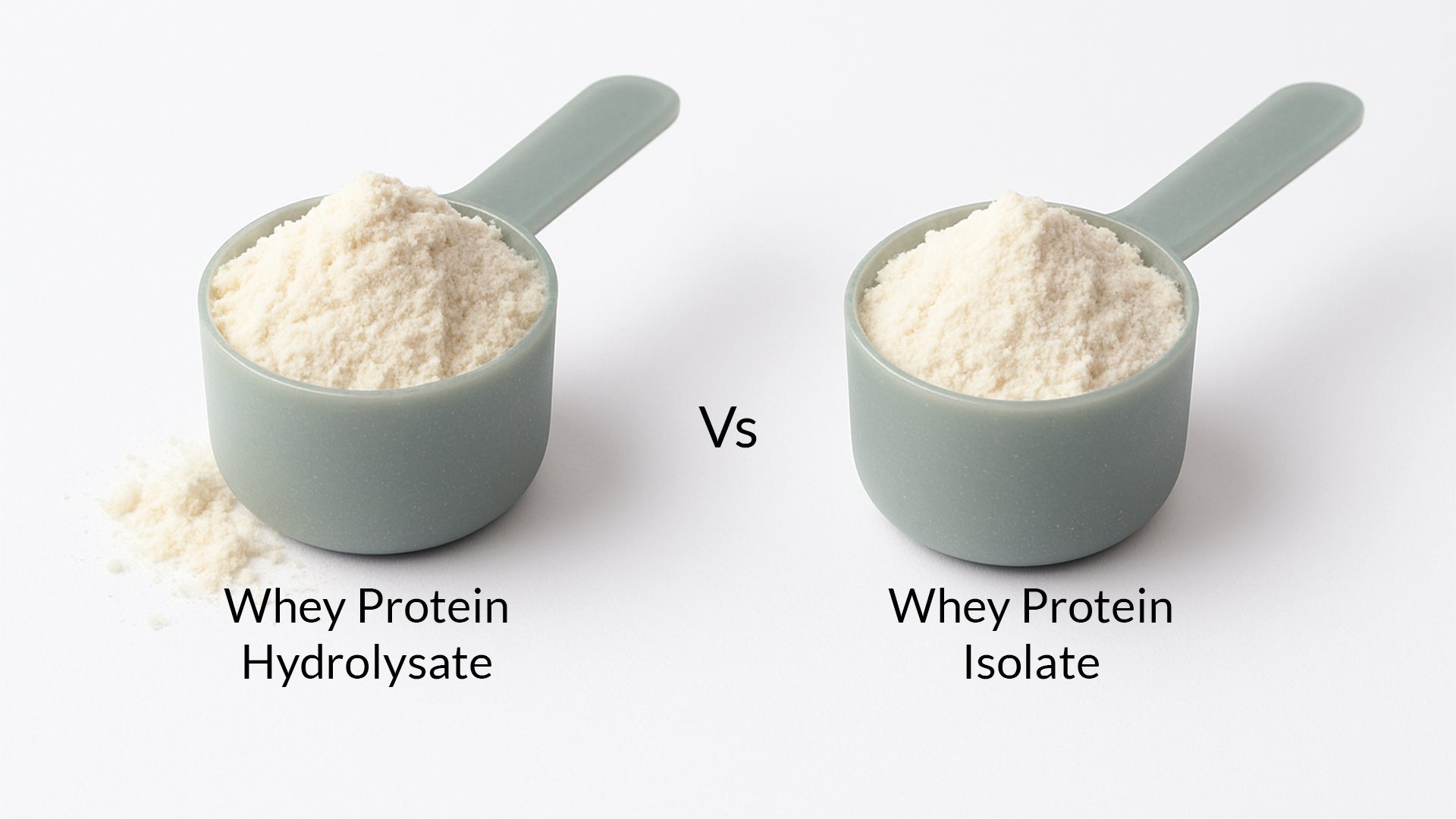
Isolate protein is a more refined form of whey. It has most of the fat and lactose removed. This makes it higher in protein content.
Isolate protein is good for those who are lactose intolerant. It is also quick to absorb. Many use it for post-workout recovery.
- Higher protein concentration
- Less fat and lactose
- Quick absorption
Credit: nutrova.com
Production Process
Whey protein and isolate protein come from milk. They are made through different steps. These steps change their content and quality.
Understanding how each protein is made helps you know their differences. This guide explains the production process.
How Whey Protein Is Made
Whey protein starts as a byproduct of cheese making. Milk is heated and enzymes are added to form curds and whey.
The liquid whey is separated from curds. Then it is filtered to remove fat and lactose but keeps many nutrients.
- The liquid whey is first pasteurized.
- It is then dried into powder form.
- This powder contains protein, some fat, and lactose.
How Isolate Protein Is Made
Isolate protein starts from whey protein. It goes through extra steps to remove more fat and lactose.
Special filters like microfiltration or ion exchange remove most non-protein parts. This makes isolate purer.
- The whey protein is filtered multiple times.
- More fat and lactose are removed.
- The powder is then dried to get isolate protein.
Nutritional Content
Isolate protein and whey protein are popular supplements for building muscle. They come from milk but have different nutrients.
Understanding their nutrition helps you choose the right protein for your needs.
Protein Percentage Comparison
Whey protein concentrate has about 70-80% protein by weight. Whey protein isolate contains 90% or more protein.
Isolate protein has more protein per serving than concentrate. This makes it better for those wanting more protein with fewer calories.
- Whey Protein Concentrate: 70-80% protein
- Whey Protein Isolate: 90% or more protein
Carbs And Fat Levels
Whey protein concentrate contains more carbs and fat than isolate protein. This is because concentrate is less processed.
Isolate protein has very low carbs and fat, making it a cleaner option for low-calorie diets.
- Whey Protein Concentrate: Higher carbs and fat
- Whey Protein Isolate: Low carbs and fat
Lactose Content Differences
Whey concentrate contains more lactose, the sugar found in milk. This can cause issues for people with lactose intolerance.
Whey isolate has most lactose removed during processing. It is usually safe for people with mild lactose intolerance.
- Whey Protein Concentrate: Higher lactose content
- Whey Protein Isolate: Very low lactose content
Absorption And Digestion
Isolate protein and whey protein are popular choices for muscle building. Both come from milk but differ in how the body absorbs and digests them.
Understanding their absorption and digestion helps you pick the right protein for your needs.
Absorption Speed
Whey protein absorbs quickly into the bloodstream. It delivers amino acids fast to muscles after exercise.
Isolate protein absorbs even faster than whey concentrate. It has less fat and lactose, which helps speed up digestion.
- Whey concentrate: absorbs in about 1 to 2 hours
- Whey isolate: absorbs in about 30 to 60 minutes
- Faster absorption means quicker muscle recovery
Digestive Impact
Whey concentrate contains more lactose. People with lactose intolerance may feel discomfort when using it.
Isolate protein has most lactose removed. It is easier on the stomach and less likely to cause bloating or gas.
- Whey concentrate: higher lactose, may cause digestion issues
- Whey isolate: lower lactose, better for sensitive stomachs
- Both proteins support digestion with enzymes added in some products
Performance Benefits
Isolate protein and whey protein are popular choices for athletes and fitness lovers. Both help improve workout results but differ in how they work in the body.
Understanding their performance benefits helps you pick the right protein for your goals.
Muscle Building Effects
Whey protein contains all essential amino acids needed for muscle growth. It has a mix of protein types, including isolate and concentrate.
Isolate protein is a purer form with higher protein content per serving. It absorbs faster and has less fat and lactose.
- Whey protein supports muscle gain with balanced nutrients.
- Isolate protein delivers more protein quickly for muscle repair.
- Isolate is better for those who need fast digestion and less lactose.
Recovery Support
Both proteins help muscles recover after exercise by supplying amino acids. Whey protein’s mix of components supports longer recovery.
Isolate protein works faster to reduce muscle soreness and speed up repair. It is often used right after workouts for quick effect.
- Whey protein aids steady recovery with balanced nutrients.
- Isolate protein boosts quick recovery due to fast absorption.
- Isolate suits people sensitive to lactose during recovery.
Suitability And Preferences
Isolate protein and whey protein serve different needs. Choosing the right one depends on your body and goals.
Both types offer protein but differ in how they fit into your lifestyle and preferences.
For Lactose Intolerant Individuals
Whey protein has some lactose, which may cause discomfort. Isolate protein has less lactose.
Isolate protein is a better choice for people who cannot digest lactose well.
- Whey protein contains more lactose
- Isolate protein removes most lactose
- Isolate protein is easier to digest
For Weight Management
Isolate protein has fewer fats and carbs than whey protein. This helps with calorie control.
Whey protein is good for muscle gain but may add more calories.
- Isolate protein supports low-calorie diets
- Whey protein may have more calories
- Choose isolate to reduce fat and carbs
Taste And Mixability
Whey protein usually tastes creamier and mixes well in drinks. Isolate protein can taste lighter.
Both mix easily but whey may feel smoother in shakes.
- Whey protein has a richer flavor
- Isolate protein tastes lighter and cleaner
- Both dissolve well in water or milk
Cost Differences
Isolate protein and whey protein cost different amounts. The price depends on how they are made and what they contain.
Understanding these cost differences helps you decide which protein fits your budget and needs.
Production Process And Its Impact On Cost
Whey protein is made by filtering milk to remove some fat and lactose. It has more carbs and fat than isolate protein.
Isolate protein goes through extra steps to remove most carbs and fat. This makes it purer but costs more to produce.
- Whey protein: simpler process, lower cost
- Isolate protein: extra filtering, higher cost
Price Per Serving
Whey protein usually costs less per serving. It is a budget-friendly option for many people.
Isolate protein is more expensive because it has more protein and less fat and carbs per serving.
| Protein Type | Cost per Serving | Protein Content |
|---|---|---|
| Whey Protein | Lower | About 70-80% |
| Isolate Protein | Higher | About 90% or more |
Value For Your Money
If you want more protein and less fat, isolate protein offers better value despite the price.
Whey protein gives good nutrition at a lower cost. It works well for everyday use.
- Choose isolate for purity and protein amount
- Choose whey for cost savings and balanced nutrition
Credit: www.med7online.com
Frequently Asked Questions
What Is Whey Protein Made From?
Whey protein is derived from milk during cheese production. It contains all essential amino acids and is quickly absorbed by the body, making it ideal for muscle recovery and growth.
How Does Isolate Protein Differ From Whey Protein?
Isolate protein undergoes extra processing to remove fat and lactose. It contains at least 90% protein, while regular whey has 70-80%. Isolates are purer and digest faster.
Which Protein Is Better For Lactose Intolerance?
Whey protein isolate is better for lactose intolerance. It has minimal lactose content due to additional filtration, reducing digestion issues for sensitive individuals.
Can Isolate Protein Help In Muscle Building?
Yes, isolate protein supports muscle building. Its high protein content and fast absorption promote muscle repair and growth effectively after workouts.
Conclusion
Isolate protein and whey protein serve different needs. Isolate has more protein and less fat or carbs. Whey protein offers more nutrients but with a bit less protein. Choose based on your fitness goals and dietary needs. Both support muscle growth and recovery well.
Understanding the difference helps you pick the right supplement. Simple choices lead to better results. Keep your goals clear, and your protein choice will follow.


