
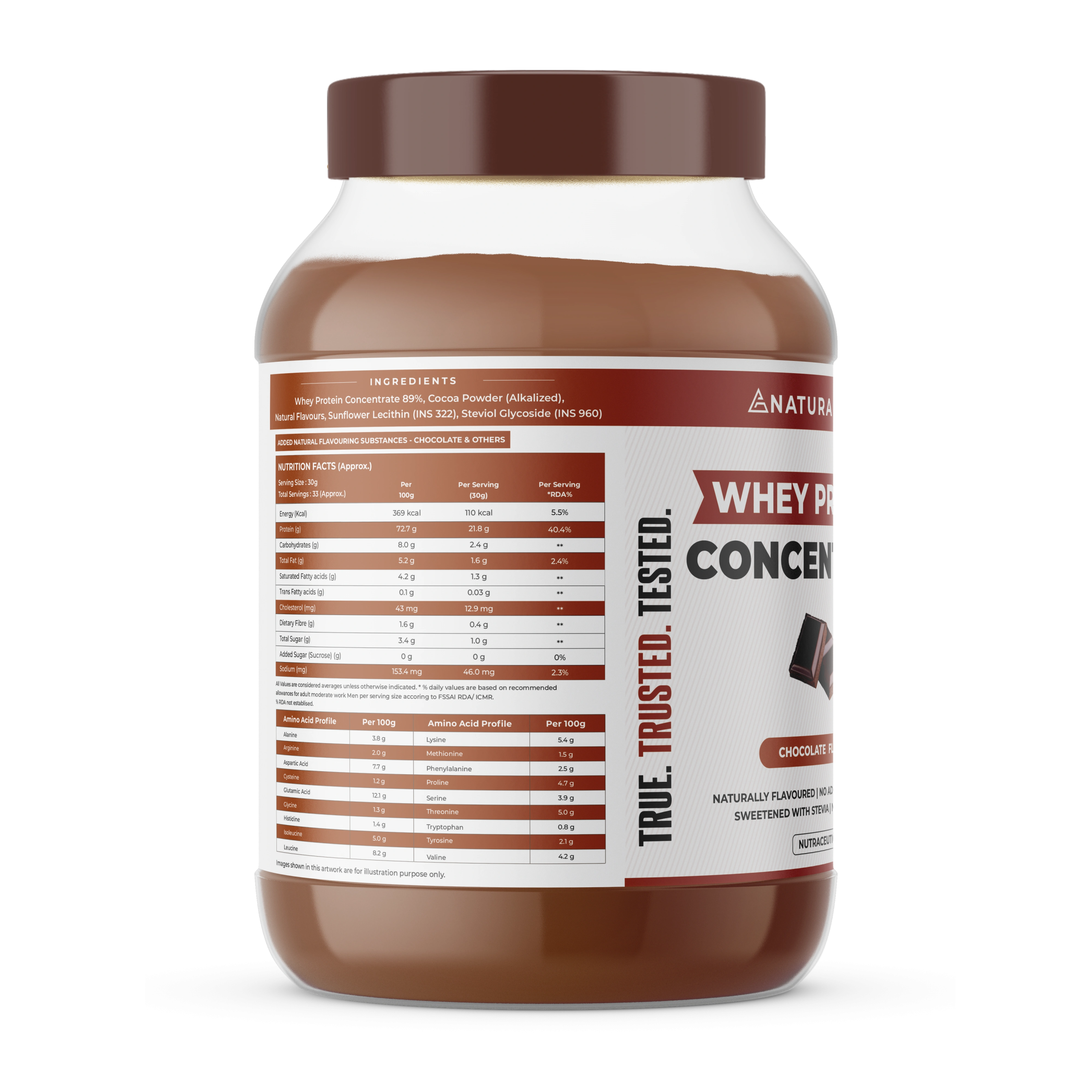
Are you curious about how much protein you’re really getting from whey liquid? Whether you’re aiming to build muscle, lose weight, or simply boost your nutrition, knowing the exact protein content matters.
Too little won’t fuel your goals, and too much might be wasted. You’ll discover clear answers that help you make smarter choices for your health. Keep reading to find out how whey liquid fits into your protein needs and how it can work best for your body.
Whey Liquid Basics
Whey liquid is a byproduct of cheese production. It contains valuable nutrients. People often use it for its protein content.
Understanding whey liquid can help you make better dietary choices. It is popular among fitness enthusiasts.
What Is Whey Liquid
Whey liquid is the watery part of milk that separates from curds. This happens during cheese making. It is rich in protein and other nutrients.
Farmers and food producers often use whey liquid. It can be found in protein shakes and supplements.
Types Of Whey Protein
There are different types of whey protein. These include whey protein concentrate, isolate, and hydrolysate. Each type has unique characteristics.
- Whey Protein Concentrate:Contains some fat and lactose.
- Whey Protein Isolate:Has more protein and less fat and lactose.
- Whey Protein Hydrolysate:Easier to digest, often used in supplements.
Nutritional Profile
Whey liquid is a good source of protein. It also contains essential amino acids. These are important for muscle growth and repair.
| Nutrient | Amount per 100ml |
| Protein | 0.8g |
| Carbohydrates | 5.1g |
| Fat | 0.3g |
Understanding the nutritional profile of whey can help you plan your diet. It is a versatile ingredient for many recipes.
Credit: www.med7online.com
Protein Content In Whey Liquid
Whey liquid is a popular source of protein. It comes from milk during cheese making. Many people drink it to get extra protein.
Knowing how much protein is in whey liquid helps you plan your diet. The amount of protein can vary by product and brand.
Protein Per Serving
A typical serving of whey liquid contains about 1 to 3 grams of protein. This depends on the concentration and processing method.
Some whey liquids are more diluted and have less protein. Others are filtered to increase protein content per serving.
Comparison With Whey Powder
Whey powder has more protein per serving than whey liquid. It is more concentrated after drying.
Whey powder typically contains 20 to 30 grams of protein per serving. Whey liquid has much less because it contains more water.
| Type | Protein per Serving | Water Content |
|---|---|---|
| Whey Liquid | 1-3 grams | High |
| Whey Powder | 20-30 grams | Low |
Factors Affecting Protein Levels
Protein content in whey liquid changes based on processing methods. Filtration and concentration increase protein levels.
The source of milk and the cheese-making process also affect protein amounts. Fresh whey has more protein than aged whey.
- Filtration method used
- Amount of water in whey
- Milk quality and source
- Stage of whey collection
Benefits For Muscle Growth
Whey liquid contains a good amount of protein that helps muscles grow. Protein is essential for building and fixing muscle tissue.
Drinking whey liquid after exercise can support muscle strength and size. It is a popular choice for people who want to improve muscle growth.
Protein And Muscle Repair
Protein in whey liquid helps repair muscle damage caused by exercise. It provides amino acids needed to rebuild muscles stronger.
Regular protein intake supports faster muscle recovery and reduces soreness. This helps you train more often and improve results.
- Whey protein has all essential amino acids.
- It promotes muscle protein synthesis after workouts.
- Helps reduce muscle breakdown during exercise.
Absorption Rate
Whey liquid protein is absorbed quickly by the body. This fast absorption makes amino acids available to muscles sooner.
The quick absorption helps muscles start repairing right after exercise. This timing improves muscle growth and recovery speed.
- Whey protein digest faster than other proteins.
- Rapid amino acid delivery supports muscle repair.
- Good choice for post-workout nutrition.
Ideal Timing For Intake
Taking whey liquid protein soon after exercise gives the best muscle growth benefits. The body uses the protein quickly during this time.
Protein intake before sleep or between meals can also help muscle repair and growth. Spreading protein intake through the day is useful.
- Consume whey protein within 30 minutes after workouts.
- Use whey as a snack between meals to boost protein.
- Consider whey protein before sleep to aid recovery.
Choosing The Right Whey Liquid
Whey liquid is a popular protein source for many people. Knowing how much protein it contains helps you pick the best option.
Choosing the right whey liquid depends on your needs and product quality. This guide helps you make a clear choice.
Reading Nutrition Labels
Nutrition labels show the amount of protein in each serving of whey liquid. Look for the protein content per 100 ml or per serving size.
Check for other nutrients like sugars and fats. Lower sugar and fat usually mean higher protein concentration.
- Protein per serving (grams)
- Serving size (ml or grams)
- Total calories
- Sugar and fat content
Quality Indicators
Good quality whey liquid should come from trusted sources. Look for products with minimal additives and preservatives.
Check if the whey is labeled as concentrate, isolate, or hydrolysate. Isolate usually has more protein and less fat.
- Whey Concentrate: moderate protein, some fat and lactose
- Whey Isolate: high protein, low fat and lactose
- Whey Hydrolysate: pre-digested, easier to absorb
Popular Brands And Products
Many brands offer whey liquid with different protein levels. Choose brands that provide clear labels and good reviews.
Look for products that fit your budget and dietary needs. Some brands offer organic or grass-fed whey liquids.
- Brand A: Whey isolate liquid, 20g protein per serving
- Brand B: Whey concentrate liquid, 15g protein per serving
- Brand C: Hydrolysate liquid, 22g protein per serving
- Brand D: Organic whey liquid, 18g protein per serving
Incorporating Whey Liquid Into Diet
Whey liquid is a popular protein source that is easy to add to meals. It contains a good amount of protein to help meet daily needs.
You can use whey liquid in many ways, such as in shakes or cooking recipes. It fits well in a balanced diet.
Daily Protein Requirements
Protein needs vary by age, weight, and activity level. Most adults should get about 46 to 56 grams of protein daily.
Whey liquid usually has about 8 grams of protein per 100 ml. This can help you reach your daily target.
- Light activity: 0.8 grams per kg of body weight
- Moderate activity: 1.0 to 1.2 grams per kg
- High activity or muscle building: 1.5 to 2.0 grams per kg
Combining With Other Foods
Whey liquid works well with carbs and fats. This helps your body use protein better and keeps meals balanced.
Adding fruits, nuts, or whole grains with whey liquid can improve taste and nutrition. It also helps you feel full longer.
- Mix whey liquid with bananas or berries for a fruit shake
- Add nuts or seeds for healthy fats
- Use with oatmeal or whole grain cereal
Sample Meal Plans
Here are simple meal ideas using whey liquid. These plans help you reach protein goals easily.
| Meal | Ingredients | Protein (approx.) |
|---|---|---|
| Breakfast Shake | Whey liquid, banana, oats, almond milk | 25g |
| Post-Workout Snack | Whey liquid, mixed berries, Greek yogurt | 30g |
| Lunch Smoothie | Whey liquid, spinach, apple, peanut butter | 28g |

Credit: allmaxnutrition.com
Potential Drawbacks
Whey liquid protein is popular for its quick absorption and high protein content. Still, it has some drawbacks to think about before using it regularly.
Understanding the possible downsides helps you decide if whey liquid fits your diet and lifestyle.
Allergies And Sensitivities
Whey protein comes from milk, so it can cause reactions in people with milk allergies. Some may also have trouble digesting lactose in whey liquid.
Symptoms can include stomach pain, bloating, or skin rashes. Always check labels for lactose content and talk to a doctor if you have allergies.
Overconsumption Risks
Taking too much whey liquid protein can strain your kidneys and liver. Your body can only use a certain amount of protein each day.
Eating excessive protein might also cause dehydration or digestive problems like gas and cramps.
- Kidney stress from high protein load
- Digestive issues like bloating or cramps
- Dehydration due to increased protein metabolism
Cost Considerations
Whey liquid protein can be more expensive than other protein sources like powders or natural foods. This cost may add up over time.
Choosing whey liquid means balancing convenience with your budget. Compare prices to find the best option for your needs.

Credit: www.instacart.com
Frequently Asked Questions
How Much Protein Is In Whey Liquid Per Serving?
Whey liquid typically contains 20 to 25 grams of protein per 8-ounce serving. This amount varies by brand and concentration. Always check the label for exact protein content to meet your dietary needs effectively.
Is Whey Liquid Protein Easily Absorbed By The Body?
Yes, whey liquid protein is quickly absorbed due to its fast-digesting nature. It helps in rapid muscle recovery and growth, making it ideal post-workout. This absorption efficiency supports muscle repair and protein synthesis efficiently.
Can Whey Liquid Protein Support Muscle Building?
Absolutely, whey liquid protein provides essential amino acids that promote muscle growth. Regular intake combined with exercise helps increase muscle mass and strength. It’s a popular choice for athletes and fitness enthusiasts.
How Does Whey Liquid Protein Compare To Powder?
Whey liquid protein offers convenience and quick absorption compared to powder. It’s pre-mixed and portable, making it easier to consume on-the-go. Protein content is similar, but liquid forms may include added ingredients for taste.
Conclusion
Whey liquid contains a good amount of protein per serving. This makes it a popular choice for those needing quick nutrition. Drinking whey helps support muscle growth and repair. It’s easy to digest and absorbs fast in the body. Knowing the protein content helps you track your daily intake.
Choose whey liquid to add protein without extra effort. Simple, effective, and convenient for many people’s diets. Protein from whey can fit well in various meal plans. Keep your goals clear and use whey wisely.


