

Are you trying to choose the best protein for your body and fitness goals? You’ve probably heard about soy protein and whey protein, but which one truly works better for you?
Picking the right protein can make a big difference in your energy, muscle growth, and overall health. You’ll discover the key differences between soy and whey protein, so you can make a smart choice that fits your lifestyle perfectly. Keep reading to find out which protein could give you the edge you’re looking for.
Soy Protein Basics
Soy protein is a popular plant-based protein. It comes from soybeans and is used in many foods and supplements. People choose it for health and dietary reasons.
Soy protein is a complete protein. This means it contains all nine essential amino acids. It is a great choice for vegetarians and vegans.
Sources And Types
Soy protein comes from soybeans. These beans are processed into different types of protein products. Each type has unique uses and benefits.
- Soy Protein Isolate: This is the purest form. It contains about 90% protein.
- Soy Protein Concentrate: Contains around 70% protein. It retains more fiber.
- Textured Soy Protein: Used in meat substitutes. It has a chewy texture.
Nutritional Profile
Soy protein is rich in nutrients. It provides essential amino acids and is low in fat. It also contains vitamins and minerals.
| Nutrient | Amount per 100g |
| Protein | 36g |
| Carbohydrates | 30g |
| Fat | 20g |
| Fiber | 9g |
Soy protein is also a source of antioxidants. These help protect cells from damage.
Credit: hyugalife.com
Whey Protein Essentials
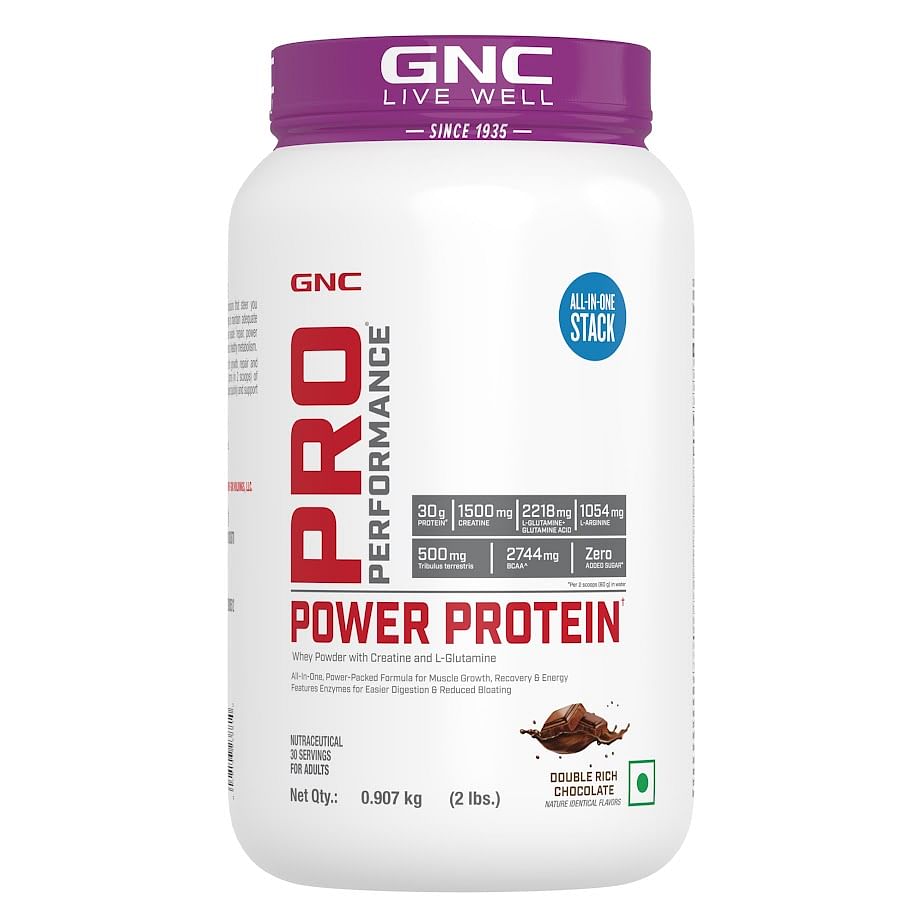
Whey protein is a popular supplement used by many people. It comes from milk and helps build muscle and recover after exercise.
Understanding whey protein can help you decide if it is better than soy protein for your needs.
Forms And Extraction
Whey protein comes in several forms. These include concentrate, isolate, and hydrolysate. Each form has a different protein amount and processing level.
Whey is extracted from milk during cheese making. The liquid part is filtered to remove fats and lactose. This process creates different whey protein types.
- Concentrate:Contains 70-80% protein with some fat and lactose.
- Isolate:Contains 90% or more protein with less fat and lactose.
- Hydrolysate:Pre-digested for faster absorption.
Nutritional Breakdown
Whey protein is rich in essential amino acids. It provides a complete protein source for the body. It is especially high in branched-chain amino acids (BCAAs).
The protein helps repair muscles and supports growth. Whey protein has low fat and carbohydrates, making it good for many diets.
| Nutrient | Amount per 30g Serving |
|---|---|
| Protein | 20-27 grams |
| Fat | 1-3 grams |
| Carbohydrates | 1-3 grams |
| Calories | 100-130 |
| BCAAs (Leucine, Isoleucine, Valine) | 5-6 grams |
Muscle Building Effects
Soy protein and whey protein are popular choices for building muscle. Both provide essential amino acids that help muscles grow. Understanding how each affects muscle building can help you choose the right one.
Whey protein comes from milk and is fast-digesting. Soy protein is plant-based and digests a bit slower. Their differences impact muscle growth and recovery.
Protein Synthesis Impact
Protein synthesis is the process where your body builds new muscle. Whey protein is rich in leucine, an amino acid that triggers this process quickly. This makes whey very effective for muscle growth.
Soy protein has all the essential amino acids but has less leucine than whey. It still supports protein synthesis but may do so at a slower rate compared to whey.
- Whey protein boosts muscle growth fast
- Soy protein supports muscle building steadily
- Both provide essential amino acids needed for muscles
Recovery And Performance
After exercise, muscles need protein to recover and grow stronger. Whey protein absorbs quickly, helping muscles recover faster. This can improve your performance in the next workout.
Soy protein digests slower but still helps reduce muscle soreness. It also contains antioxidants that support overall health during recovery. Both proteins can help you perform better over time.
- Whey protein speeds up muscle repair
- Soy protein supports long-term recovery
- Both improve workout performance with regular use

Credit: explosivewhey.com
Health Benefits Of Soy
Soy protein is a plant-based protein made from soybeans. It is popular among people who want a dairy-free option.
This protein source offers many health benefits. It supports overall wellness and can be part of a balanced diet.
Heart Health
Soy protein helps lower bad cholesterol levels. This can reduce the risk of heart disease.
Soy contains isoflavones that improve blood vessel function and reduce inflammation. These effects support a healthy heart.
Hormonal Balance
Soy is rich in plant compounds called phytoestrogens. These can mildly mimic estrogen in the body.
Phytoestrogens may help balance hormones, especially during menopause. They can ease symptoms like hot flashes.
Antioxidant Properties
Soy contains antioxidants that protect cells from damage. This helps reduce the risk of chronic diseases.
These antioxidants also support the immune system and promote healthy aging.
Health Benefits Of Whey
Whey protein is a popular supplement made from milk. It contains many nutrients that help your body stay healthy.
People use whey protein to support muscles and improve overall health. It offers benefits beyond just building muscle.
Immune Support
Whey protein helps strengthen your immune system. It contains antibodies that fight infections and illnesses.
Consuming whey protein can increase the production of glutathione. Glutathione is an antioxidant that protects your cells.
- Boosts white blood cell function
- Supports antibody production
- Helps reduce inflammation
Weight Management
Whey protein can help control your weight. It makes you feel full longer, so you eat less.
It also helps build lean muscle. Muscle burns more calories than fat, even when you rest.
- Increases feelings of fullness
- Boosts metabolism
- Preserves muscle during weight loss
Bone Health
Whey protein supports strong bones. It provides calcium and other nutrients important for bone health.
Regular whey intake can improve bone density. This helps reduce the risk of fractures and osteoporosis.
- Supplies calcium for bone strength
- Supports bone repair and growth
- May reduce bone loss with age

Credit: steelsupplements.com
Digestibility And Allergies
Soy protein and whey protein are popular choices for building muscle and staying healthy. Each has unique features that affect how easy they are to digest and their allergy risks.
Understanding these differences helps you pick the right protein for your body and diet.
Lactose Intolerance
Whey protein comes from milk and contains lactose. People with lactose intolerance may feel stomach pain or bloating after eating whey.
Soy protein is plant-based and does not have lactose. It is usually easier to digest for those with lactose intolerance.
Soy Allergies
Soy protein can cause allergic reactions in some people. Symptoms may include itching, swelling, or stomach upset.
Whey protein is less likely to cause soy allergies but may trigger milk allergies in sensitive individuals.
- Soy allergy symptoms: rash, hives, nausea
- Whey allergy symptoms: wheezing, skin rash, stomach pain
- Check labels carefully if you have food allergies
Gut Health Effects
Whey protein is quickly absorbed and may help muscle recovery. It contains compounds that support gut health.
Soy protein has fiber and plant compounds that can improve digestion. Some find it gentler on the stomach than whey.
- Whey: fast digestion, supports good gut bacteria
- Soy: contains fiber, may reduce inflammation
- Both can affect gut health differently
Environmental Impact
Choosing between soy protein and whey protein affects the environment. Both have different impacts on land, water, and energy use.
Understanding their environmental footprints helps make better choices for the planet.
Sustainability Of Soy
Soy protein comes from soybeans, a plant-based source. Plants usually need less water and land than animals.
Soy farming uses less energy and produces fewer greenhouse gases. It can also fix nitrogen in the soil, which helps grow other crops.
- Soy requires less water than animal farming
- Lower carbon emissions compared to dairy
- Helps improve soil health through nitrogen fixing
- Uses less land per protein unit
Whey Production Footprint
Whey protein is a byproduct of milk from cows. Dairy farming needs more water, land, and feed than growing soy.
Cows produce methane, a strong greenhouse gas. Processing whey also uses energy and creates waste.
- High water use for cow hydration and feed crops
- Greater land use for grazing and growing feed
- Methane emissions from cows contribute to climate change
- Energy needed for milk processing and whey extraction
Choosing The Right Protein
Choosing between soy protein and whey protein depends on your needs. Both provide essential nutrients for muscle growth and repair.
This guide helps you pick the right protein based on your diet, fitness goals, and ethics.
Dietary Preferences
Whey protein comes from milk. It is not suitable for people who are lactose intolerant or allergic to dairy.
Soy protein is plant-based and works well for vegetarians and vegans. It is also free from lactose.
- Whey: Contains lactose and animal protein
- Soy: Plant-based, lactose-free
- Choose soy if you avoid animal products
Fitness Goals
Whey protein digests quickly and helps build muscle fast. It is popular for post-workout recovery.
Soy protein digests slower but supports muscle growth too. It also contains plant compounds that may aid heart health.
- Whey: Fast absorption, boosts muscle repair
- Soy: Slower absorption, supports heart health
- Pick whey for quick recovery
- Pick soy for steady protein release
Ethical Considerations
Whey protein is an animal product. Some people avoid it for animal welfare reasons.
Soy protein is plant-based and often seen as more ethical. It has a lower environmental impact than whey.
- Whey: Animal product, higher environmental cost
- Soy: Plant-based, eco-friendly option
- Choose soy to reduce animal use
- Choose whey if you do not mind animal products
Frequently Asked Questions
What Are The Main Differences Between Soy And Whey Protein?
Soy protein is plant-based, rich in isoflavones, and suitable for vegans. Whey protein is dairy-based, quickly absorbed, and high in essential amino acids. Both support muscle growth but differ in digestion speed and nutrient profile.
Is Soy Protein As Effective As Whey For Muscle Growth?
Soy protein supports muscle growth but is slightly less effective than whey. Whey contains more branched-chain amino acids, which aid faster muscle recovery and synthesis. Soy is a good alternative for those avoiding dairy.
Which Protein Is Better For Weight Loss: Soy Or Whey?
Both soy and whey protein can aid weight loss by promoting satiety and preserving muscle mass. Whey may boost metabolism more due to its amino acid content. Soy offers additional benefits like heart health support.
Are There Any Allergy Concerns With Soy Versus Whey Protein?
Soy protein can trigger allergies in some individuals sensitive to soy. Whey protein may cause reactions in people with lactose intolerance or dairy allergies. Choosing based on personal allergies is important.
Conclusion
Choosing between soy and whey protein depends on your goals and needs. Soy protein offers plant-based benefits and suits vegans well. Whey protein absorbs quickly and supports muscle growth efficiently. Both provide good protein sources with unique advantages. Think about allergies, digestion, and diet preferences before deciding.
Balance and consistency matter most in any protein choice. Experiment to find what fits your body and lifestyle best. Keep your health and fitness goals clear to guide your choice.


