
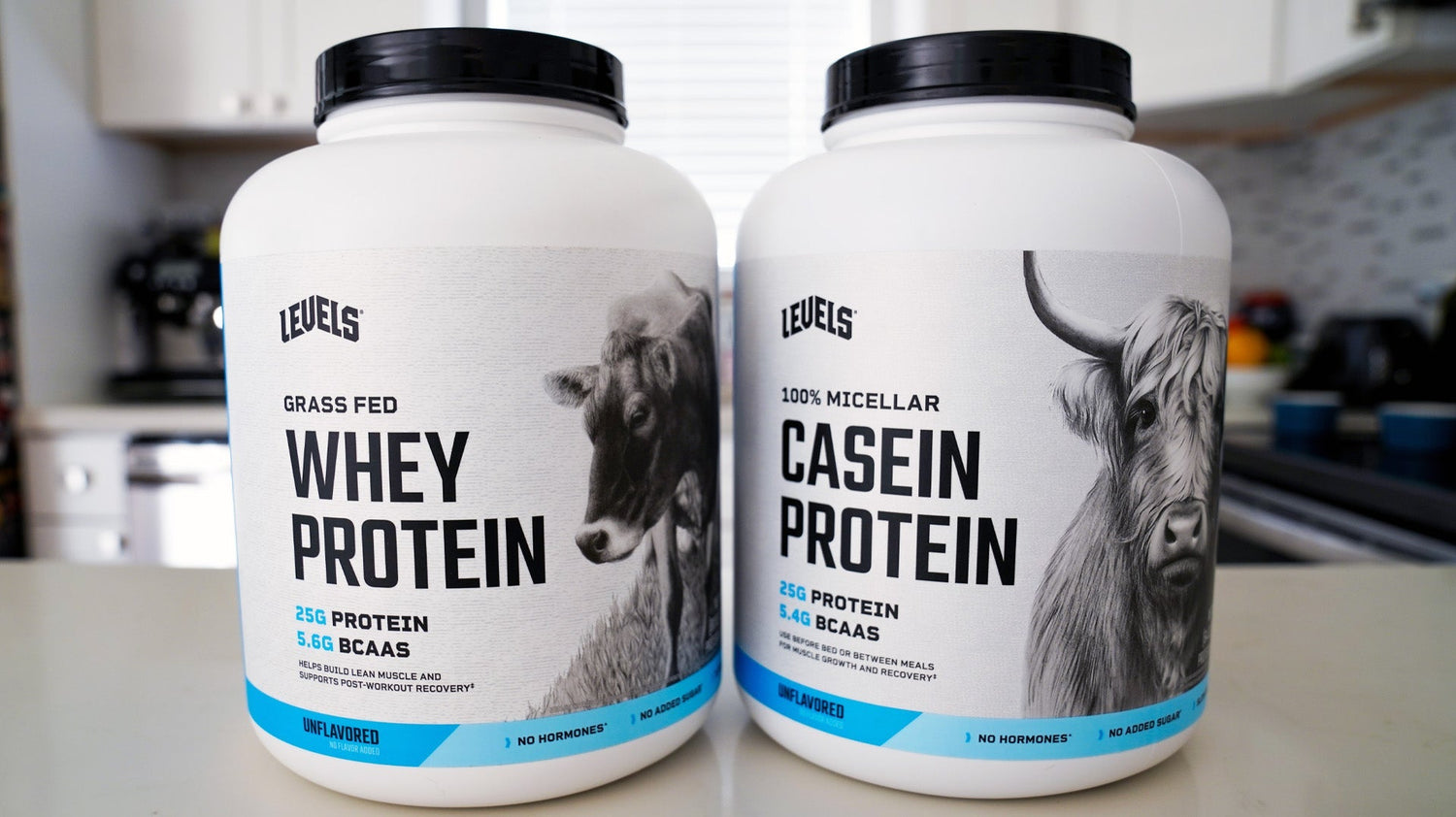
Are you using whey protein but sometimes feel an uncomfortable burning sensation in your chest or throat? You might be wondering if your protein shake is causing acid reflux.
Understanding how whey protein interacts with your digestive system can help you enjoy your workouts without the painful side effects. Keep reading to discover the facts about whey protein and acid reflux—and learn simple tips to keep your digestion smooth and comfortable.

Credit: biochemprotein.com
Whey Protein Basics
Whey protein is a popular supplement used by many people. It’s made from milk and is a complete protein. This means it contains all the essential amino acids the body needs.
It helps build and repair muscles and is often used by athletes. Some people worry it might cause acid reflux. Understanding whey protein can help you make informed choices.
What Is Whey Protein
Whey protein is a by-product of cheese production. It is the liquid part that separates from milk during this process. It is then processed and turned into powder for consumption.
It’s known for its high protein content and is easy to digest. Many people use it to supplement their diet and support their fitness goals.
Types Of Whey Protein
There are several types of whey protein available in the market. Each type has its unique characteristics.
- Whey Protein Concentrate: Contains some fat and lactose. It has a lower protein content.
- Whey Protein Isolate: Almost all fat and lactose are removed. It has a higher protein content.
- Whey Protein Hydrolysate: Pre-digested for faster absorption. It’s often more expensive.
Common Uses And Benefits
Whey protein is commonly used for muscle building and recovery. It is also used for weight management and as a protein source for those with dietary restrictions.
It provides essential amino acids that help in muscle repair. It can also support the immune system and improve overall nutrition.
Acid Reflux Explained
Acid reflux happens when stomach acid flows back into the esophagus. This can cause a burning feeling in the chest or throat.
Some foods and drinks can make acid reflux worse. Whey protein is one of the common supplements people wonder about.
What Causes Acid Reflux
Acid reflux occurs when the lower esophageal sphincter (LES) is weak or relaxes too much. This lets stomach acid move up into the esophagus.
Eating large meals, lying down after eating, and certain foods can trigger this condition.
- Weak LES muscle
- Large or fatty meals
- Eating late at night
- Obesity
- Smoking or alcohol use
- Certain medications
Symptoms To Watch For
Common symptoms of acid reflux include a burning sensation in the chest called heartburn. It may get worse after eating or when lying down.
Other signs are sour taste in the mouth, difficulty swallowing, and coughing or hoarseness.
- Burning chest pain (heartburn)
- Sour or bitter taste in mouth
- Difficulty swallowing food
- Chronic cough or hoarseness
- Feeling of food stuck in throat
Who Is Most At Risk
People who are overweight or obese have a higher chance of acid reflux. Pregnancy also raises risk because of pressure on the stomach.
Smoking, drinking alcohol, and eating spicy or fatty foods can increase risk. Older adults may experience acid reflux more often.
- Overweight or obese individuals
- Pregnant women
- Smokers
- People who drink alcohol
- Older adults
- Those who eat spicy or fatty foods often
Link Between Whey Protein And Acid Reflux
Whey protein is a popular supplement for muscle growth and fitness. Some people report acid reflux symptoms after using whey protein.
Acid reflux happens when stomach acid flows back into the esophagus. It causes burning and discomfort in the chest and throat.
How Whey Protein May Trigger Symptoms
Whey protein can increase stomach acid production. This extra acid can irritate the esophagus and cause reflux symptoms.
Some whey products contain added fats or ingredients that relax the lower esophageal sphincter. This muscle stops acid from rising up.
- High-fat whey shakes may slow digestion.
- Relaxed esophageal muscle allows acid to escape.
- Large protein servings can increase stomach pressure.
Digestive Effects Of Whey
Whey protein breaks down quickly in the stomach. This rapid digestion can increase acid levels temporarily.
For some, whey causes bloating or gas. These symptoms add pressure to the stomach and push acid upward.
- Fast digestion raises stomach acid.
- Bloating increases stomach pressure.
- Gas causes discomfort and reflux risk.
Individual Sensitivities
People react differently to whey protein. Some have no problems, while others get acid reflux easily.
Those with lactose intolerance or milk allergies may have stronger reactions. Their digestion struggles more with whey protein.
- Lactose intolerance can worsen reflux symptoms.
- Milk allergies trigger digestive discomfort.
- Some people need smaller doses or different protein types.

Credit: appliednutrition.uk
Scientific Studies And Evidence
Whey protein is popular for muscle building and nutrition. Some people ask if whey protein can cause acid reflux.
We look at scientific studies and evidence on whey protein and acid reflux. This helps understand if whey causes or worsens reflux.
Research Findings On Whey And Reflux
Some studies show that whey protein can increase stomach acid. This may irritate the esophagus and cause reflux symptoms.
Other research notes that whey is a dairy product. Dairy can relax the lower esophageal sphincter, which may lead to acid reflux.
- Whey protein may increase stomach acid in some people.
- Dairy proteins can relax the muscle that stops acid from rising.
- High protein diets sometimes reduce reflux, but effects vary.
Contrasting Opinions
Not all experts agree whey protein causes acid reflux. Some say whey can help digestion and reduce reflux symptoms.
Others point out that acid reflux is complex. Many factors like diet, weight, and lifestyle affect reflux more than whey protein alone.
- Some experts say whey protein does not cause reflux.
- Whey may improve digestion by helping stomach empty faster.
- Reflux depends on many factors, not just whey protein.
Limitations Of Current Studies
Most studies use small groups or animal tests. This limits how well results apply to all people.
Many studies do not separate whey from other dairy products. This makes it hard to know whey’s exact effect on reflux.
- Small study sizes reduce reliability.
- Animal studies may not reflect human responses.
- Whey effects mixed with other dairy products.
- More research is needed to confirm whey’s role in reflux.
Managing Acid Reflux With Whey Protein
Whey protein is popular for building muscle and staying healthy. Some people worry it may cause acid reflux.
Knowing how to manage acid reflux while using whey protein can help you feel better and stay on track.
Choosing The Right Whey Protein
Not all whey protein types are the same. Some can be easier on your stomach and less likely to cause acid reflux.
Look for whey protein isolate or hydrolyzed whey. These have less fat and lactose, which may reduce reflux symptoms.
- Whey isolate has less fat and lactose than concentrate
- Hydrolyzed whey breaks down faster and may be gentler
- Avoid added sugars and artificial flavors
Timing And Portion Control
When and how much whey protein you take can affect acid reflux. Large or late meals can make reflux worse.
Try to consume smaller portions and avoid whey protein close to bedtime to reduce acid reflux risk.
- Take whey protein in smaller servings throughout the day
- Eat at least 2-3 hours before lying down
- Combine whey with other foods to slow digestion
Alternative Protein Sources
If whey protein triggers acid reflux, try other protein options. Plant-based proteins may be easier to digest.
Options like pea, rice, or soy protein can provide good nutrition without causing reflux for some people.
- Pea protein is gentle and low in fat
- Rice protein is hypoallergenic and smooth
- Soy protein has complete amino acids
- Whole foods like eggs and chicken are also good
Tips To Reduce Reflux Symptoms
Whey protein is popular for building muscle and improving health. Some people wonder if it can cause acid reflux.
Acid reflux happens when stomach acid flows back into the esophagus. This causes heartburn and discomfort.
Diet And Lifestyle Changes
Changing what you eat and how you live can lower reflux symptoms. Avoid large meals and eat slowly.
Try not to eat right before bed. Stay upright for at least two hours after eating.
- Limit spicy and fatty foods
- Reduce caffeine and alcohol intake
- Choose low-fat whey protein options
- Eat smaller, more frequent meals
- Maintain a healthy weight
- Quit smoking if you smoke
Supplements And Remedies
Some supplements may help reduce reflux symptoms. Probiotics support digestion and gut health.
Ginger can soothe the stomach. Aloe vera juice may reduce irritation in the esophagus.
- Take probiotics daily
- Try ginger tea before meals
- Use aloe vera juice in small amounts
- Avoid large doses of whey protein at once
When To Seek Medical Advice
See a doctor if reflux symptoms last more than two weeks. Severe pain or difficulty swallowing needs prompt care.
Your doctor can check for serious conditions. They may suggest tests or prescribe medicine to help.
- Persistent heartburn despite lifestyle changes
- Chest pain or severe discomfort
- Difficulty swallowing or painful swallowing
- Unexplained weight loss
- Frequent regurgitation or vomiting
Credit: leanfit.ca
Frequently Asked Questions
Can Whey Protein Trigger Acid Reflux Symptoms?
Whey protein can sometimes trigger acid reflux in sensitive individuals. It may relax the lower esophageal sphincter, allowing stomach acid to rise. However, reactions vary, and not everyone experiences reflux from whey protein. Monitoring intake and choosing low-fat options can reduce the risk.
Is Whey Protein Isolate Better For Acid Reflux?
Whey protein isolate contains less fat and lactose than concentrate, making it easier to digest. This can help reduce acid reflux symptoms for some people. Choosing isolate may be a better option for those prone to acid reflux after consuming whey protein.
How To Prevent Acid Reflux From Whey Protein?
To prevent acid reflux, consume whey protein in smaller amounts and avoid late-night intake. Mix whey with water instead of milk to reduce fat content. Eating slowly and staying upright after consumption also helps minimize acid reflux risks.
Does Plant-based Protein Cause Less Acid Reflux?
Plant-based proteins often cause fewer acid reflux symptoms due to lower fat content. They are easier to digest and less likely to irritate the stomach. For acid reflux sufferers, plant proteins like pea or rice protein may be gentler alternatives.
Conclusion
Whey protein might cause acid reflux in some people. Everyone’s body reacts differently to foods. Drinking plenty of water and eating smaller meals can help. Choosing the right type of whey protein matters too. Pay attention to how your body feels after taking it.
Avoid whey protein if it causes discomfort. Talk to a doctor for better advice. Taking care of your digestion is important. Keep learning and adjusting for your health’s sake.


