
Are you confused about which protein is best for your body—whey or plant-based? Choosing the right protein can feel overwhelming with so many options and claims.
But what if understanding the key differences could help you make the best choice for your health and fitness goals? You’ll discover how whey and plant protein stack up against each other. By the end, you’ll know exactly which one suits your needs, helping you fuel your body smarter and reach your goals faster.
Keep reading to find out which protein truly works better for you.
Credit: www.nutrelanutrition.com
Whey Protein Basics
Whey protein is a popular choice among fitness enthusiasts. It is derived from milk and is a complete protein source.
It contains all nine essential amino acids. Whey protein is often used to support muscle growth and recovery.
What Is Whey Protein
Whey protein is a by-product of cheese production. It is the liquid part that separates from milk during this process.
This protein is easily digestible and quickly absorbed by the body. It is often used in shakes and supplements.
Nutritional Profile
Whey protein offers high nutritional value. It is low in fat and carbohydrates.
Here is a basic breakdown of its nutritional content:
| Component | Amount per 30g |
| Protein | 24g |
| Carbohydrates | 2g |
| Fat | 1g |
Common Uses
People use whey protein for various purposes. It is popular in the fitness community.
Here are some common uses of whey protein:
- Muscle building
- Weight loss
- Improving athletic performance
Plant Protein Essentials
Plant protein is a popular choice for people who want a natural and healthy diet. It comes from plants like beans, peas, and grains. Many choose plant protein for its benefits and variety.
This guide will explain the basics of plant protein, including sources, nutrition, and uses. You will learn what makes plant protein a good option.
Popular Plant Protein Sources
Many plants provide good protein. Some are easy to find and use. These sources offer different tastes and nutrition.
- Pea protein – common in shakes and bars
- Rice protein – gentle on digestion
- Hemp protein – contains healthy fats
- Soy protein – complete protein with all amino acids
- Chia seeds – small but rich in protein and fiber
Nutritional Content
Plant proteins have different nutrition profiles. Some provide all essential amino acids. Others may lack one or two but mix well with other foods.
| Protein Source | Protein per Serving | Key Nutrients | Amino Acid Profile |
|---|---|---|---|
| Pea Protein | 20-25 grams | Iron, fiber | Nearly complete |
| Rice Protein | 15-20 grams | Carbs, some fiber | Low in lysine |
| Hemp Protein | 10-15 grams | Omega-3, fiber | Complete |
| Soy Protein | 20-25 grams | Calcium, iron | Complete |
Typical Applications
Plant proteins fit many diets and recipes. They work well in shakes, snacks, and meals. People use them to boost protein intake.
- Protein powders for shakes and smoothies
- Protein bars and snacks
- Baking, such as bread and muffins
- Meal replacements and supplements
- Adding to soups and stews for extra nutrition
Protein Quality Comparison
Whey protein and plant protein are popular choices for many people. Both provide essential nutrients for the body. Understanding their quality helps you pick the right one.
This comparison looks at amino acid profiles, digestibility scores, and bioavailability factors. These elements show how well the body uses each protein.
Amino Acid Profiles
Amino acids build proteins and support many body functions. Whey protein has all nine essential amino acids. It is a complete protein.
Plant proteins sometimes miss one or more essential amino acids. Some plant sources combine well to form a complete profile.
- Whey protein contains high levels of leucine, important for muscle growth.
- Plant proteins vary: pea and rice together make a complete set.
- Some plants like soy also provide all essential amino acids.
Digestibility Scores
Digestibility shows how well the body breaks down protein. Whey protein scores very high on digestibility tests.
Plant proteins often have lower scores. Some contain fibers or compounds that reduce digestion efficiency.
- Whey protein has a Digestible Indispensable Amino Acid Score (DIAAS) above 1.0, meaning excellent digestibility.
- Pea protein scores around 0.8 to 0.9, which is good but less than whey.
- Rice protein scores lower, near 0.6 to 0.7, due to fiber content.
Bioavailability Factors
Bioavailability means how much protein the body can absorb and use. Whey protein has high bioavailability.
Plant proteins can have lower bioavailability because of anti-nutrients. These reduce protein absorption.
- Whey is quickly absorbed and supports fast muscle repair.
- Some plant proteins digest slower, providing a steady release.
- Processing plant proteins can improve their bioavailability.
Health Benefits And Risks
Choosing between whey and plant protein depends on your health needs. Both have benefits and risks to consider.
This article compares their effects on muscle growth, allergies, and digestion.
Muscle Growth Support
Whey protein contains all essential amino acids. It is rich in leucine, which helps build muscle fast.
Plant proteins sometimes lack one or more essential amino acids. You may need to combine different plants to get a full profile.
- Whey offers quick muscle repair and growth
- Plant proteins support muscle but may require mixing
- Both help if consumed after exercise
Allergy And Intolerance Issues
Whey protein comes from milk and can cause allergies or lactose intolerance symptoms. This may limit its use for some people.
Plant proteins come from sources like peas, rice, or soy. They usually cause fewer allergies but can still affect sensitive individuals.
- Whey may cause dairy allergies or lactose intolerance
- Plant proteins can trigger soy or nut allergies
- Choose protein based on your allergy history
Impact On Digestion
Whey protein is fast to digest for most people. It can sometimes cause bloating or gas, especially if lactose intolerant.
Plant proteins digest slower and often contain fiber. This can improve digestion but may cause gas in some cases.
- Whey digests quickly but may upset sensitive stomachs
- Plant proteins digest slower and add fiber
- Try both to see which suits your digestion best
Environmental Impact
Choosing between whey and plant protein affects the environment. Each type has a different impact on natural resources.
We will look at how whey and plant proteins affect the planet. This helps you make a better choice for the earth.
Sustainability Of Whey Production
Whey protein is made from milk, a byproduct of cheese making. It uses resources like water, land, and energy.
Dairy farming creates greenhouse gases like methane. It can also cause water pollution if waste is not managed well.
- Whey uses more water than plant proteins
- Dairy farms emit methane, a strong greenhouse gas
- Waste from farms can pollute water sources
- Whey is a byproduct, reducing waste in cheese making
Ecological Footprint Of Plant Proteins
Plant proteins come from crops like peas, soy, and rice. Growing these crops uses less water and land than dairy.
Plant crops absorb carbon dioxide and produce less pollution. They often need fewer chemicals and less energy to grow.
- Plants need less water than dairy cows
- Growing plants emits less greenhouse gas
- Plants improve soil health and reduce erosion
- Crop farming may use pesticides and fertilizers
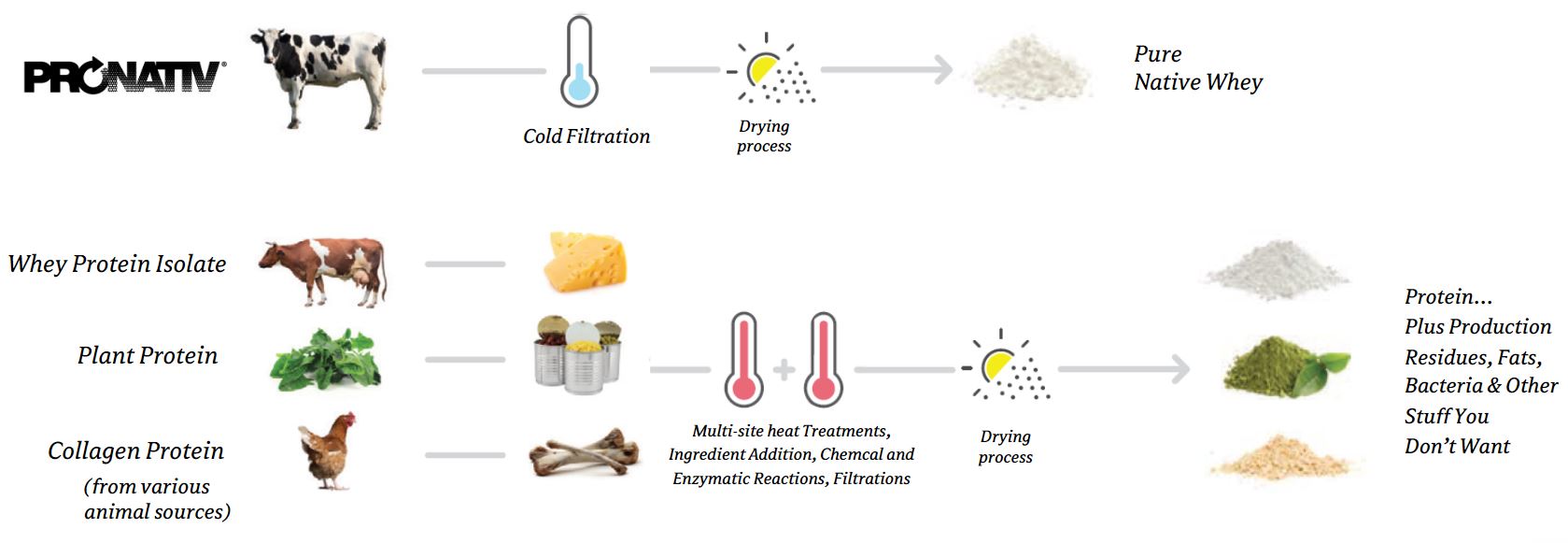
Credit: www.lactalisingredients.com
Taste And Texture
Choosing between whey and plant protein often depends on taste and texture. These factors affect how much people enjoy their protein shakes.
Both types have unique qualities. Understanding these can help you pick the right protein for your needs.
Flavor Differences
Whey protein usually has a mild, creamy flavor. It mixes well with many flavors like chocolate or vanilla.
Plant protein can taste earthier or grainy. Some find this less pleasant, but flavors vary by plant source.
- Whey: Smooth, dairy-like taste
- Plant: Earthy, nutty, or grassy taste
- Flavored versions help mask strong tastes
Mixability And Texture
Whey protein usually mixes easily. It forms a smooth, creamy shake with little clumping.
Plant protein can be harder to mix. It may feel grainy or chalky, and some powders clump more.
- Whey: Smooth texture, mixes well in water or milk
- Plant: Sometimes grainy, may need more stirring
- Adding liquids slowly helps reduce clumps
Cost And Availability
Choosing between whey and plant protein often depends on cost and how easy they are to find. Both types have different price points and market presence.
Understanding these differences helps buyers make smart choices based on budget and access.
Price Comparison
Whey protein usually costs less per serving than plant protein. This is because whey is made from milk, which is widely produced.
Plant proteins like pea or hemp often cost more. Their production involves more processing and sourcing from various plants.
- Whey protein: generally cheaper
- Plant protein: tends to be pricier
- Prices vary by brand and quality
Market Accessibility
Whey protein is widely available in most stores and online shops. It has been popular for many years.
Plant proteins are growing in popularity but still less common. Some types may be harder to find in local stores.
- Whey: found in many supermarkets and gyms
- Plant: more common in health food stores
- Online shopping increases access for both
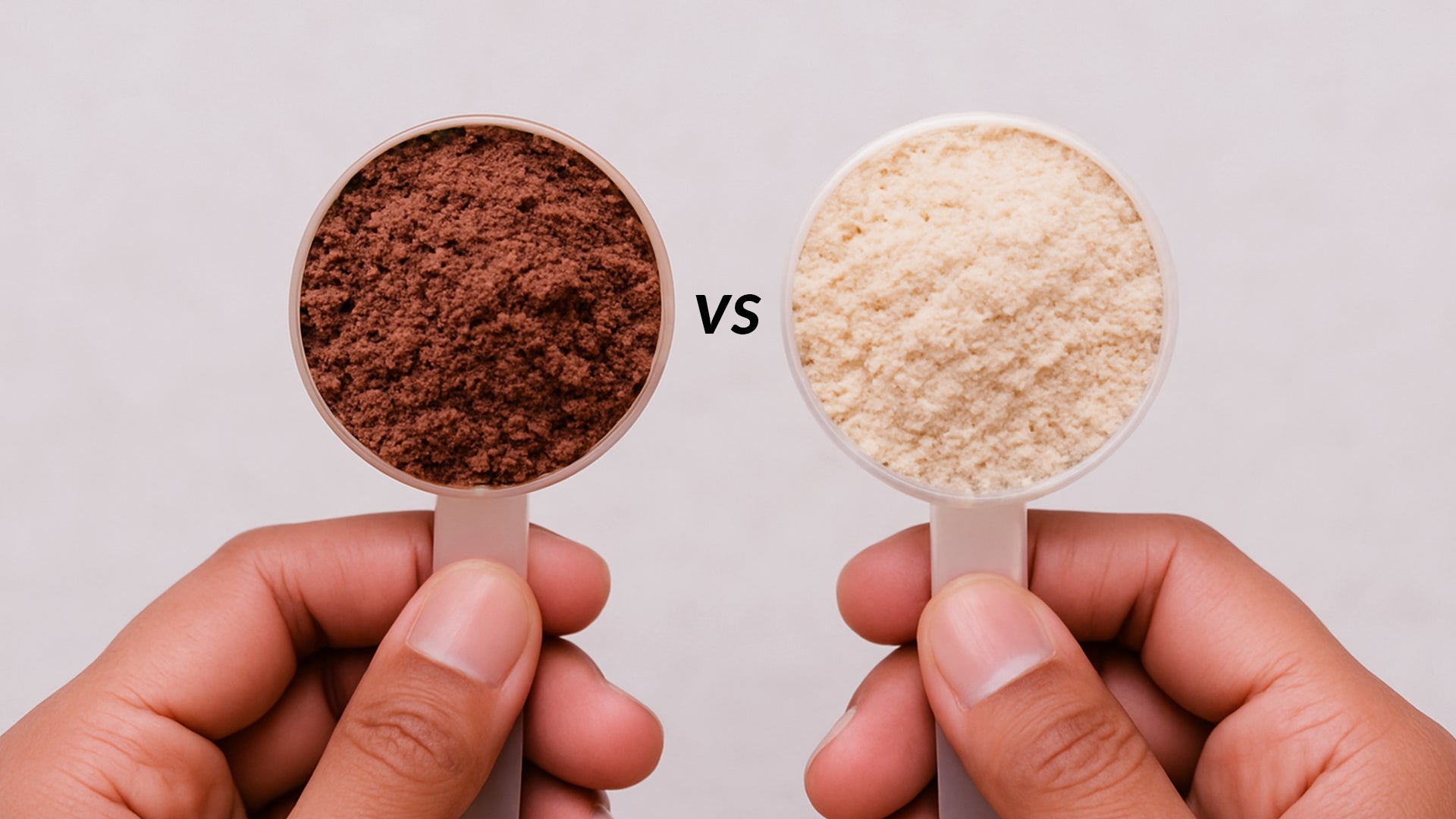
Credit: nutrova.com
Choosing The Right Protein
Proteins are important for building muscles and staying healthy. Many people choose between whey and plant protein. Each type has its own benefits and fits different needs.
To pick the best protein, think about what matters most to you. Your goals, diet, and daily habits all play a role in this choice.
Personal Goals And Preferences
Your fitness and health goals affect which protein suits you. Whey protein helps build muscle fast because it absorbs quickly. Plant protein may be better if you want a slower digestion or more fiber.
Some people prefer the taste or texture of one protein over the other. It is good to try both types to see what you enjoy and what fits your routine.
- Choose whey for quick muscle recovery
- Pick plant protein for extra fiber and slower digestion
- Try both to find your favorite taste and texture
Dietary Restrictions
Your diet limits your protein options. Whey comes from milk, so it contains lactose. People who are lactose intolerant may feel stomach problems after whey.
Plant proteins come from peas, rice, hemp, and soy. They are good for vegans and people with dairy allergies. Make sure to check if the plant protein is complete, meaning it has all essential amino acids.
- Whey contains lactose and is not vegan
- Plant proteins suit vegans and people with dairy allergies
- Look for complete plant proteins for full nutrition
Lifestyle Considerations
Your daily schedule can influence your protein choice. Whey protein works well after workouts because your body absorbs it fast. Plant protein may fit better for snacks or meals because it digests slowly.
Also, think about your budget and availability. Whey protein is often cheaper and more common. Some plant proteins cost more but offer extra nutrients like fiber and antioxidants.
- Use whey protein for quick post-workout nutrition
- Choose plant protein for slower digestion and meal times
- Consider cost and availability in your area
Frequently Asked Questions
What Are The Main Differences Between Whey And Plant Protein?
Whey protein is animal-based, rich in essential amino acids, and absorbed quickly. Plant protein is derived from sources like peas or rice, often lower in some amino acids but suitable for vegans and those with lactose intolerance.
Is Whey Protein More Effective For Muscle Growth?
Yes, whey protein contains all essential amino acids and is quickly absorbed, making it ideal for muscle repair and growth. Plant protein can also support muscle growth but may require combining sources for a complete amino acid profile.
Can Plant Protein Be As Good As Whey Protein?
Plant protein can be as effective if combined properly to include all essential amino acids. It suits vegans and those with allergies but may digest slower than whey. Choosing high-quality plant protein enhances its benefits.
Which Protein Is Better For Weight Loss: Whey Or Plant?
Whey protein helps preserve muscle mass during weight loss and promotes fullness. Plant protein also supports weight management with fiber content and slower digestion. Both can aid weight loss when combined with a healthy diet.
Conclusion
Choosing between whey and plant protein depends on your needs and values. Whey offers quick absorption and complete amino acids. Plant protein suits those seeking dairy-free or vegan options. Taste, digestion, and allergies also affect your choice. Both can support muscle growth and recovery well.
Try both types to see which feels best for you. Balance and consistency matter most in any diet. Keep your goals clear and choose wisely.


