

Are you wondering when the best time to use whey protein is? Whether you want to build muscle, lose weight, or simply stay healthy, timing your protein intake can make a big difference.
You might be surprised how small changes in when you take whey protein can boost your results faster than you expect. Keep reading to discover the perfect moments to fuel your body and get the most out of your whey protein.
Your fitness goals are closer than you think!
Timing And Muscle Growth
Whey protein is popular for muscle growth. The timing of intake can influence results. Knowing when to consume it helps maximize benefits.
Different times of the day may offer unique advantages. Let’s explore the best times to use whey protein for muscle growth.
Post-workout Benefits
After exercise, muscles need nutrients. Whey protein can help repair and build muscles. It is quickly absorbed by the body.
Consuming whey protein post-workout aids recovery. It supports muscle repair and growth efficiently.
- Speeds up muscle recovery
- Supports muscle protein synthesis
- Enhances muscle growth
Pre-workout Intake
Having whey protein before a workout can be beneficial. It provides energy and supports muscle endurance. This can lead to better performance.
Pre-workout protein can minimize muscle breakdown. It prepares your body for intense exercise and supports endurance.
- Boosts energy levels
- Reduces muscle breakdown
- Improves workout performance
Morning Consumption
Starting your day with whey protein has advantages. It helps break the overnight fast and provides immediate nutrients.
Consuming whey protein in the morning helps maintain muscle mass. It gives your body a protein boost to start the day right.
- Boosts metabolism
- Provides morning energy
- Supports muscle maintenance

Credit: www.quenchlabz.com
Daily Protein Needs
Protein is important for your body every day. It helps build muscles and repair tissues.
Whey protein is a quick way to add protein to your diet. Knowing when to use it depends on your daily needs.
Total Protein Intake
The total amount of protein you need depends on your age, weight, and activity level. Most adults need about 0.8 to 1 gram of protein per kilogram of body weight.
If you exercise a lot or want to build muscle, your protein needs can be higher. Whey protein helps meet these higher goals easily.
Protein Distribution
Spreading protein intake evenly across meals helps your body use it better. Eating protein every 3 to 4 hours is good for muscle growth and repair.
Whey protein is best used after workouts or between meals. This helps keep your protein intake steady throughout the day.
- Eat protein at breakfast, lunch, and dinner
- Use whey protein after exercise
- Have a whey protein snack if meals are far apart
Whey Protein Types
Whey protein is popular for building muscle and recovery. There are different types of whey protein. Each type has unique features and uses.
Choosing the right type can help you get the best results. Let’s explore the main whey protein types and when to use them.
Concentrate Vs Isolate
Whey concentrate contains about 70-80% protein. It has some fat and lactose. It tastes creamy and is usually less expensive.
Whey isolate has 90% or more protein. It has less fat and almost no lactose. It digests faster and is good for lactose-sensitive people.
- Concentrate is good for everyday use and general fitness.
- Isolate is best after workouts for quick protein intake.
- Isolate suits people who avoid lactose or want low fat.
Hydrolyzed Whey
Hydrolyzed whey is pre-digested protein. It breaks down faster in the body. This helps muscles absorb protein quickly.
This type is good right after intense workouts. It reduces muscle soreness and speeds recovery. It can taste bitter because of the breakdown process.
- Hydrolyzed whey is best for fast absorption.
- Use it after heavy training or competition.
- It may be more expensive than other types.
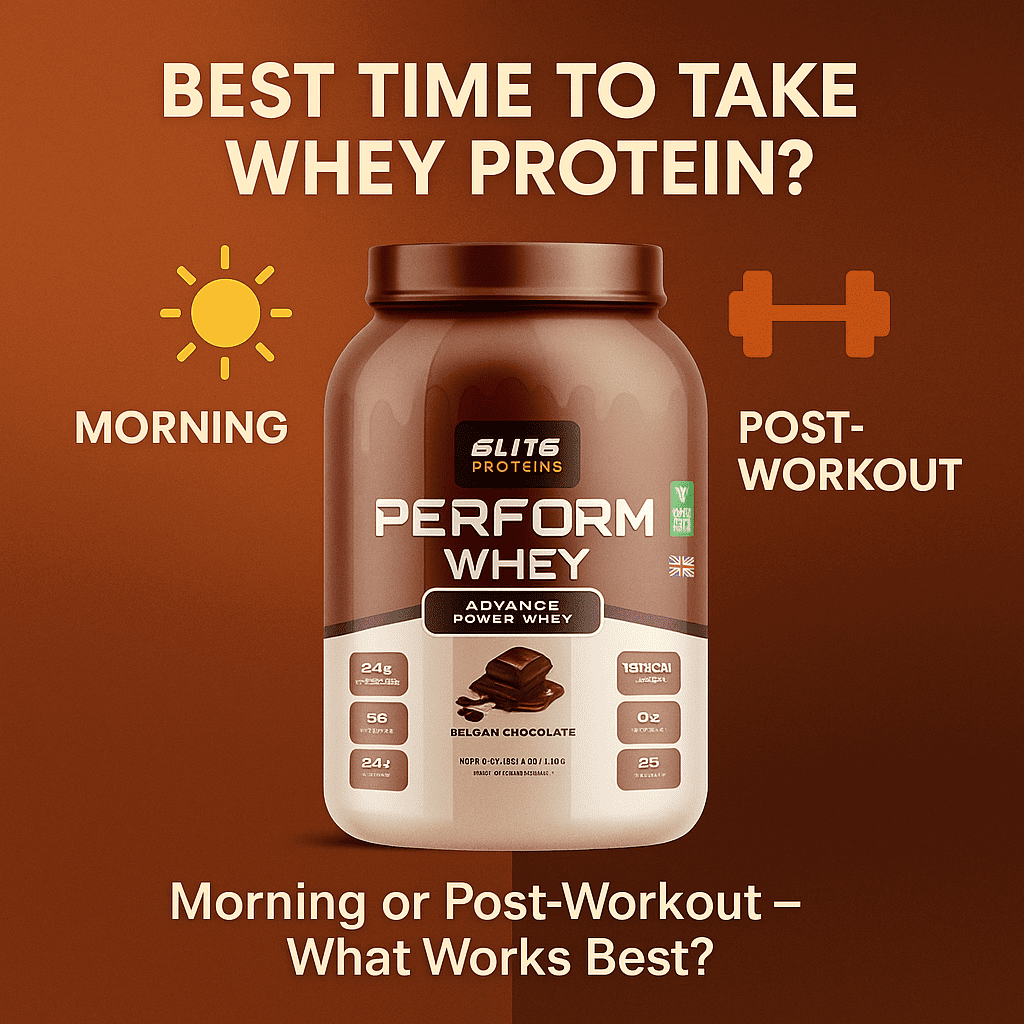
Credit: www.eliteproteins.com
Combining Whey With Meals
Whey protein is a popular supplement for muscle growth and recovery. Knowing when to combine it with meals can improve how your body uses it.
Adding whey to your meals can help balance nutrients and keep you full longer. Let’s see how whey works with carbohydrates and fats.
With Carbohydrates
Eating whey protein with carbohydrates can boost your energy and muscle repair. Carbs help your body absorb protein better.
This combination is good after exercise. Carbs refill your energy stores while whey helps fix muscle tissue.
- Examples of carbs: rice, bread, fruits, and oats
- Try a whey shake with a banana or toast
- This mix helps your muscles recover faster
With Fats
Combining whey protein with fats slows digestion. This helps you feel full longer and keeps energy steady.
Eating whey with healthy fats can be a good choice for meals like breakfast or snacks. It supports steady muscle repair throughout the day.
- Healthy fats include nuts, seeds, avocado, and olive oil
- Try mixing whey with nut butter or adding avocado to your meal
- This combo supports long-lasting energy and fullness
Individual Factors
The best time to use whey protein depends on personal needs and goals. Different factors can change when to take it.
Understanding your workout and body goals helps you decide the right timing for whey protein intake.
Workout Intensity
High-intensity workouts cause more muscle breakdown. Your body needs protein quickly to repair muscles.
After intense exercise, taking whey protein helps muscles recover faster. For light workouts, timing is less critical.
- Intense workouts: Take whey protein soon after exercising
- Moderate workouts: Protein timing can be flexible
- Light activity: Protein timing is less important
Body Composition Goals
Your goal affects when to use whey protein. For muscle gain, protein timing around workouts matters.
If you want to lose fat, spreading protein evenly during the day is helpful. Whey protein can support both goals.
- Muscle gain: Use whey protein before and after workouts
- Fat loss: Take whey protein between meals to control hunger
- Maintenance: Use whey protein as part of regular meals
Common Mistakes
Many people do not use whey protein the right way. This causes them to get less benefit from it.
Knowing common mistakes helps you use whey protein better and avoid problems.
Overconsumption
Taking too much whey protein can harm your body. Your kidneys work harder to process extra protein.
Eating more protein than needed does not build more muscle. It just adds extra calories.
- Too much protein may cause stomach upset.
- Excess protein can lead to weight gain.
- Your body can only use a limited amount at once.
Ignoring Whole Foods
Relying only on whey protein ignores the benefits of whole foods. Whole foods have fiber and vitamins.
Whey protein should complement your diet, not replace healthy meals.
- Eat fruits and vegetables for vitamins.
- Include whole grains for energy and fiber.
- Use whey protein after meals or workouts.

Credit: www.exalt.co.uk
Frequently Asked Questions
When Is The Best Time To Consume Whey Protein?
The best time to consume whey protein is within 30 minutes after workouts. This helps muscle recovery and growth. It can also be used as a snack between meals for extra protein intake.
Can Whey Protein Be Taken Before Workouts?
Yes, taking whey protein 30-60 minutes before workouts provides amino acids for energy and muscle protection. It may improve workout performance and reduce muscle breakdown.
Is Whey Protein Effective In The Morning?
Whey protein in the morning jumpstarts muscle repair after fasting overnight. It supplies quick-digesting protein, helping maintain muscle mass and reduce hunger until your next meal.
How Often Should I Use Whey Protein Daily?
Use whey protein 1-2 times daily depending on your protein needs. Balance it with whole foods to meet your daily protein goals for muscle growth and recovery.
Conclusion
Choosing the right time to take whey protein depends on your goals. Many find it helpful after workouts to support muscle recovery. Others prefer it in the morning to start the day with protein. Some use it between meals to curb hunger and keep energy steady.
Remember, consistency matters more than exact timing. Listen to your body and see what works best. Keep your diet balanced and include whey as a helpful addition. This way, you support your health and fitness effectively. Simple steps lead to good results over time.


