
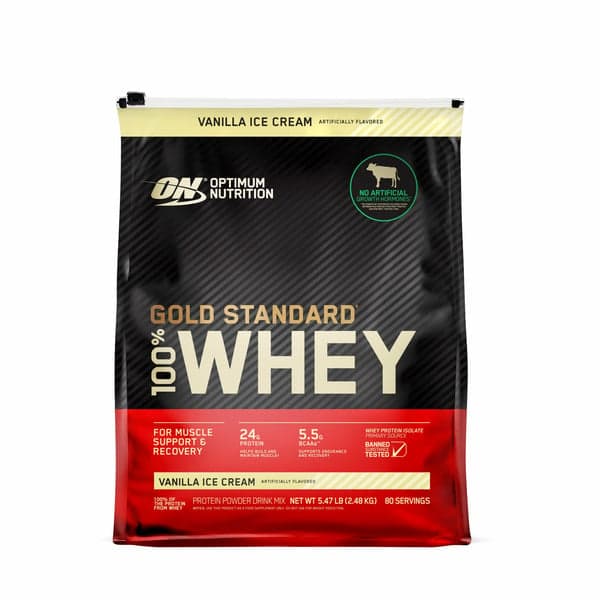
Are you following a low FODMAP diet but unsure if whey protein isolate fits into your plan? Finding the right protein supplement can be tricky when you’re managing digestive health.
You want something that fuels your body without causing discomfort or bloating. This article will clear up the confusion and help you understand whether whey protein isolate is truly low FODMAP—and how it might affect your gut. Keep reading to make the best choice for your health and fitness goals.
Credit: casadesante.com
What Is Whey Protein Isolate?
Whey protein isolate is a popular supplement for fitness enthusiasts. It comes from cow’s milk and is known for its high protein content.
Many people use it to build muscle and improve recovery after workouts. It is important to know its benefits and how it is made.
Production Process
Whey protein isolate is made by separating whey from milk. The process involves removing fats and lactose to increase protein concentration.
This type of protein goes through several filtration steps. These steps help to achieve a protein content of over 90%.
- Milk is first curdled to separate whey.
- Whey is filtered to remove fats and lactose.
- Final product is dried to create a powder form.
Nutritional Profile
Whey protein isolate is rich in essential amino acids. These acids are vital for muscle repair and growth.
It contains very little fat and lactose, making it suitable for those with lactose intolerance. This makes it a preferred choice for many athletes.
| Nutrient | Amount per 100g |
| Protein | 90g |
| Fat | 1g |
| Lactose | Less than 1g |
Basics Of Low Fodmap Diet
The Low FODMAP diet helps people with digestive issues. It limits foods that can cause bloating and pain.
FODMAPs are types of carbs that some people find hard to digest. Cutting these can ease symptoms.
Common High Fodmap Ingredients
High FODMAP foods often cause stomach trouble. These include certain fruits, vegetables, and grains.
- Garlic and onions
- Wheat and rye products
- Apples, pears, and cherries
- Milk, yogurt, and soft cheeses
- Beans and lentils
- Certain sweeteners like honey and high-fructose corn syrup
Purpose Of Low Fodmap Diet
The diet aims to reduce symptoms of irritable bowel syndrome (IBS). It helps improve gut health and comfort.
People follow this diet to find out which foods trigger their symptoms. It guides better food choices.
Fodmap Content In Whey Protein Isolate
Whey protein isolate is a popular supplement for fitness and health. People on a low FODMAP diet often wonder if it is safe to use. This depends on the FODMAP content in the product.
FODMAPs are certain types of carbohydrates that can cause digestion problems. Knowing the lactose and other FODMAP levels in whey protein isolate helps decide if it fits a low FODMAP diet.
Lactose Levels
Lactose is a sugar found in milk and dairy products. It is a common FODMAP that can cause bloating and gas in some people. Whey protein isolate usually has very low lactose content.
Most whey protein isolates contain less than 1 gram of lactose per serving. This amount is often safe for people on a low FODMAP diet. Still, it is important to check the label for lactose content.
- Whey protein concentrate has more lactose than isolate
- Isolate undergoes extra processing to remove lactose
- Look for “lactose-free” labels for added safety
Other Potential Fodmaps
Besides lactose, whey protein isolate may contain other FODMAPs. These include added ingredients like inulin or fructooligosaccharides (FOS). These are added for taste or texture.
Some flavored whey protein isolates may have high FODMAP ingredients. It is best to choose unflavored or pure isolates. Always read the ingredients list carefully to avoid unwanted FODMAPs.
- Added fibers like inulin increase FODMAP content
- Sweeteners such as high fructose corn syrup are high FODMAP
- Pure whey protein isolate usually has minimal FODMAPs
Whey Protein Concentrate Vs Isolate: Fodmap Differences
Many people on a low FODMAP diet wonder if whey protein is safe. This depends on the type of whey protein used.
Whey protein concentrate and isolate differ in how much lactose they contain. Lactose is a FODMAP that can cause digestive issues.
Whey Protein Concentrate And Fodmaps
Whey protein concentrate contains more lactose than isolate. This means it can have higher FODMAP content.
People sensitive to lactose may experience gas, bloating, or stomach pain after taking whey concentrate.
- Contains around 3-5% lactose
- More likely to trigger symptoms for sensitive people
- Not ideal for strict low FODMAP diets
Whey Protein Isolate And Fodmaps
Whey protein isolate has most lactose removed during processing. It usually contains less than 1% lactose.
This makes whey isolate a better choice for those following a low FODMAP diet.
- Contains very low lactose levels
- Less likely to cause digestive issues
- Often tolerated by people with lactose intolerance
Choosing Low Fodmap Whey Protein
Whey protein isolate can be a good choice for people on a low FODMAP diet. It often contains less lactose than other whey proteins. This makes it easier to digest for many individuals with sensitive stomachs.
It is important to pick whey protein products carefully. Some contain added ingredients that may have high FODMAP levels. Knowing how to read labels and choosing trusted brands helps you find low FODMAP options.
Reading Labels
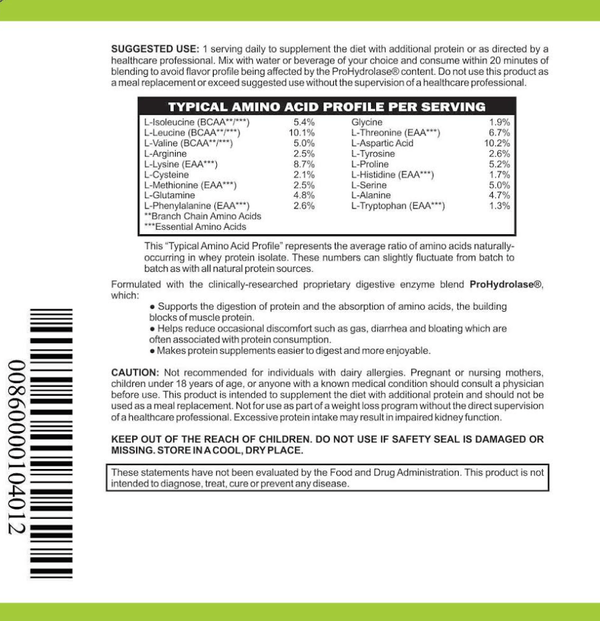
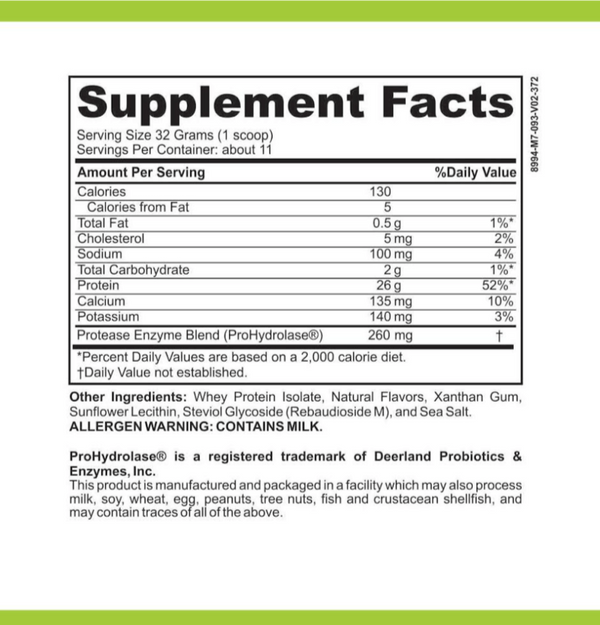
Check the ingredient list for added sugars, sweeteners, or fillers. These can add FODMAPs. Look for whey protein isolate as the main ingredient. Avoid whey concentrate if you react to lactose.
Watch for common high FODMAP ingredients like inulin, fructose, or chicory root. These can cause digestive issues. Also, check the lactose content if it is listed. Lower lactose means lower FODMAP.
- Choose whey protein isolate over concentrate
- Avoid added high FODMAP ingredients like inulin
- Check for low or no lactose content
- Read nutrition facts for added sugars or fillers
Recommended Brands
Some brands specialize in low FODMAP protein powders. They use whey protein isolate and avoid high FODMAP additives. These brands often test their products for FODMAP content.
Look for products labeled as low FODMAP or suitable for sensitive digestion. You can also find reviews from people following a low FODMAP diet. This helps you pick safe options.
- Brands that use pure whey protein isolate
- Products without added inulin or high FODMAP fibers
- Labels that state low lactose or low FODMAP
- Good customer reviews from low FODMAP users
Credit: casadesante.com
Potential Digestive Reactions
Whey protein isolate is popular for its high protein and low lactose content. People with sensitive digestion often ask if it is low FODMAP. FODMAPs are certain carbs that can cause stomach problems.
While whey protein isolate is lower in lactose than other whey proteins, some people may still have reactions. Understanding possible digestive symptoms helps manage intake better.
Symptoms To Watch For
Some people with FODMAP sensitivity might feel discomfort after taking whey protein isolate. Symptoms usually affect the stomach and digestion.
- Bloating or swelling in the belly
- Gas or flatulence
- Stomach cramps or pain
- Diarrhea or loose stools
- Constipation or difficulty passing stools
- Nausea or feeling sick
These symptoms can vary in strength and may not happen to everyone. It helps to watch how your body reacts after using whey protein isolate.
Managing Sensitivities
People with FODMAP sensitivities can often use whey protein isolate safely with care. Starting with small amounts helps check your tolerance.
Try these tips to manage sensitivities:
- Choose whey protein isolate with very low lactose
- Take small doses first to see how you feel
- Drink plenty of water to aid digestion
- Keep a food diary to track symptoms
- Consult a dietitian for personalized advice
Alternatives To Whey Protein Isolate
Whey protein isolate is popular but not always suitable for everyone. Some people need low FODMAP options to avoid digestive issues.
There are many protein powders that work well for those who follow a low FODMAP diet. These alternatives can provide good nutrition without causing discomfort.
Plant-based Options
Plant-based protein powders often suit low FODMAP diets. They are made from peas, rice, hemp, or pumpkin seeds.
These proteins are easy to digest and can help build muscle without triggering symptoms.
- Pea protein isolate
- Brown rice protein
- Hemp protein powder
- Pumpkin seed protein
Other Low Fodmap Proteins
Some animal-based proteins are also low FODMAP. These include egg white protein and collagen peptides.
These options provide protein without the lactose or other FODMAP ingredients found in whey.
- Egg white protein powder
- Collagen peptides
- Hydrolyzed beef protein

Credit: www.reddit.com
Tips For Including Protein In A Low Fodmap Diet
Eating enough protein is important for health and energy. People on a low FODMAP diet need to find protein sources that do not cause digestion problems.
Whey protein isolate is often low in FODMAPs and can be a good choice. It is important to plan meals and timing to include protein safely.
Meal Planning
Plan meals with low FODMAP protein sources like whey protein isolate, eggs, and firm tofu. Balance meals with vegetables and grains that are low in FODMAPs.
Keep portion sizes in mind to avoid high FODMAP intake. Use a food list to check which foods are safe and which to avoid.
- Include lean meats like chicken and fish
- Use whey protein isolate in smoothies or shakes
- Add nuts and seeds in small amounts
- Choose low FODMAP vegetables like carrots and spinach
Supplement Timing
Take whey protein isolate at times that fit your digestion and energy needs. Some people find taking it after exercise helps with muscle recovery.
Try small amounts first to see how your body reacts. Avoid taking protein supplements with high FODMAP foods to reduce symptoms.
- Take whey protein isolate in the morning or after workouts
- Mix protein powder with low FODMAP liquids like almond milk
- Do not take large doses at once
- Keep a food diary to track reactions
Frequently Asked Questions
Is Whey Protein Isolate Suitable For A Low Fodmap Diet?
Whey protein isolate is generally low in lactose, making it suitable for many on a low FODMAP diet. However, check the label for additives that may contain FODMAPs. Pure whey isolate is often tolerated well by those sensitive to FODMAPs.
How Does Whey Protein Isolate Differ From Concentrate?
Whey protein isolate contains less lactose and fat compared to concentrate. This makes isolate a better choice for people with lactose intolerance or following a low FODMAP diet. Concentrate has higher lactose, which may trigger symptoms.
Can Whey Protein Isolate Cause Digestive Issues On Low Fodmap?
Pure whey protein isolate usually causes fewer digestive issues due to its low lactose. Still, some individuals may react to other ingredients or additives. Always choose clean, additive-free isolates to minimize symptoms.
What Should I Check On Whey Protein Isolate Labels?
Look for “whey protein isolate” as the primary ingredient. Avoid products with added high FODMAP ingredients like inulin, chicory root, or certain sweeteners. Check for lactose content and artificial additives that may trigger symptoms.
Conclusion
Whey protein isolate is usually low FODMAP and easy to digest. Most people with sensitive stomachs can enjoy it without worry. Always check the label to avoid added high FODMAP ingredients. Start with small amounts to see how your body reacts.
Choosing the right protein helps support your health and diet goals. Simple and clear choices make managing FODMAP easier every day. Keep listening to your body for the best results.


