
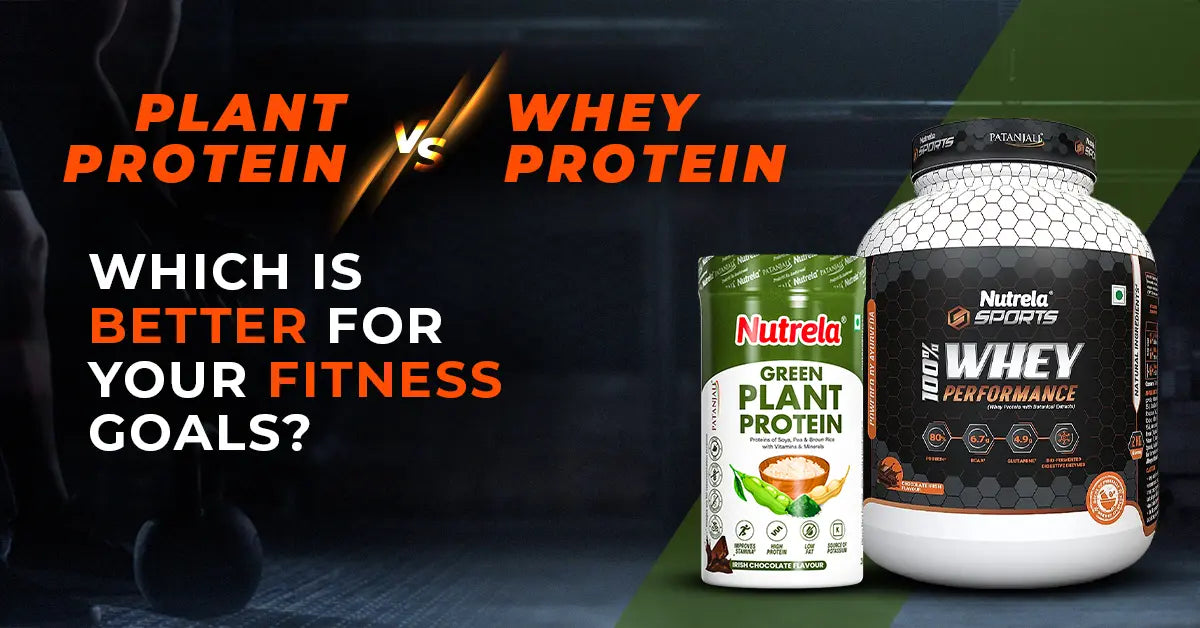
Are you confused about which protein is right for you—whey or plant protein? Choosing the best protein can feel overwhelming with so many options and claims out there.
But understanding how each type works for your body and lifestyle can make a huge difference in your results. Whether you want to build muscle, lose weight, or simply stay healthy, knowing the truth behind whey and plant protein will help you make smarter choices.
Keep reading to discover which protein fits your goals and why it matters for your health and energy.

Credit: denzournutrition.com
Whey Protein Basics
Whey protein is a popular dietary supplement. It is commonly used by athletes and fitness enthusiasts.
This protein comes from milk. It is the liquid part that separates during cheese production.
Sources And Types
Whey protein has different sources and types. It can be found in whey concentrate, isolate, and hydrolysate.
Each type has its own benefits. They differ in protein content and processing.
- Whey Concentrate: Contains some fats and carbohydrates
- Whey Isolate: Higher protein content, less fat
- Whey Hydrolysate: Pre-digested for faster absorption
Nutritional Profile
Whey protein is rich in essential amino acids. It provides the building blocks for muscle growth.
It contains a high amount of leucine. Leucine is important for protein synthesis.
| Nutrient | Amount per 100g |
| Protein | 80g |
| Carbohydrates | 8g |
| Fats | 2g |
Digestion And Absorption
Whey protein is quickly digested. This makes it ideal for post-workout recovery.
Its rapid absorption helps in muscle repair. This is vital after intense exercise sessions.
- Fast digestion rate
- Supports muscle recovery
- Ideal post-exercise supplement
Plant Protein Essentials
Plant protein is a popular choice for people who want a healthy diet. It comes from many different plants and has unique benefits.
Understanding plant protein helps you choose the right type for your meals and fitness goals.
Common Plant Sources
Many plants provide protein that is good for the body. Each source offers different amounts and types of protein.
- Peas
- Rice
- Hemp
- Soy
- Quinoa
- Chia seeds
Amino Acid Composition
Amino acids are building blocks of protein. Plant proteins often lack some essential amino acids.
Combining different plant sources can give you all the essential amino acids your body needs.
- Pea protein is high in lysine but low in methionine
- Rice protein is low in lysine but high in methionine
- Soy protein contains all essential amino acids
Digestibility Factors
Digestibility means how well your body can use the protein. Plant proteins are sometimes harder to digest than whey protein.
Some plant proteins have fiber or anti-nutrients that slow digestion. Processing can improve digestibility.
- Pea protein has good digestibility
- Hemp protein contains fiber that may reduce absorption
- Processing like soaking or fermenting helps digestion
Comparing Protein Quality
Whey and plant proteins are popular choices for many people. Each type has unique features that affect their quality.
Understanding protein quality helps you pick the best option for your health and goals.
Complete Vs Incomplete Proteins
Whey protein is a complete protein. It contains all nine essential amino acids your body needs.
Most plant proteins are incomplete. They miss one or more essential amino acids but can be combined to make a complete profile.
- Whey: Complete protein with all essential amino acids
- Plant: Often incomplete, but mixing types improves amino acid variety
Bioavailability Scores
Bioavailability means how well your body absorbs protein. Whey protein scores very high in this area.
Plant proteins usually have lower bioavailability. They contain fibers and other parts that reduce absorption.
| Protein Type | Bioavailability Score (PDCAAS) |
|---|---|
| Whey Protein | 1.0 (highest) |
| Pea Protein | 0.82 |
| Rice Protein | 0.59 |
| Soy Protein | 0.91 |
Muscle Building Effects
Whey protein quickly raises amino acid levels in the blood. This helps muscles grow after exercise.
Plant proteins can also support muscle growth. You may need to eat more or combine sources for the best effect.
- Whey: Fast absorption supports quick muscle repair
- Plant: Good for muscle growth but slower absorption
- Combining plant proteins can improve muscle-building results
Health Benefits And Concerns
Choosing between whey and plant protein depends on your health needs. Both have benefits and some concerns.
Understanding how each protein affects your body helps you make the right choice.
Allergies And Intolerances
Whey protein comes from milk. People with milk allergies should avoid it. It can cause reactions like rashes or swelling.
Plant proteins come from peas, rice, soy, or hemp. They are less likely to cause allergies. Some people may still react to soy or gluten.
- Whey protein may cause milk allergy symptoms.
- Plant protein is safer for milk-intolerant people.
- Soy and gluten can cause allergies in some.
Impact On Digestion
Whey protein is fast to digest. It helps muscles recover quickly after exercise. Some people feel bloated or gassy from whey.
Plant proteins digest slower. They contain fiber, which aids digestion. Fiber can help gut health but may cause gas for some.
- Whey protein digests quickly for fast muscle support.
- Plant protein digests slower, adding fiber to diet.
- Both can cause gas or bloating in sensitive people.
Cholesterol And Heart Health
Whey protein has some saturated fat and cholesterol. It may raise cholesterol levels if eaten in large amounts.
Plant proteins usually have no cholesterol and less fat. They can help lower bad cholesterol and support heart health.
- Whey protein contains some saturated fat and cholesterol.
- Plant protein is cholesterol-free and low in fat.
- Plant protein may improve heart health by lowering cholesterol.
Environmental Impact
Choosing between whey and plant protein affects the environment. Both types have different impacts on nature. Understanding these impacts helps make better choices.
This section looks at sustainability, carbon footprint, and resource use of whey and plant proteins.
Sustainability Of Production
Whey protein comes from dairy cows. Dairy farming needs land, water, and feed. It can cause pollution and animal welfare issues.
Plant proteins come from crops like peas, soy, or rice. Growing plants usually uses less land and water. It also creates fewer pollution problems.
Carbon Footprint
Whey protein has a higher carbon footprint. Cows release methane, a strong greenhouse gas. Dairy farming also uses energy for processing.
Plant protein has a lower carbon footprint. Growing plants releases less greenhouse gases. Processing plant protein also uses less energy.
- Whey protein: higher emissions from cows and farming
- Plant protein: lower emissions from crop farming
- Energy use is less for plant protein production
Resource Usage
Whey protein production needs a lot of water for cows and cleaning. It also needs feed crops, which use land and water.
Plant protein uses less water and land. Crops like peas need less irrigation. Plant farming also avoids animal feed needs.
- Whey protein: high water and land use for cows
- Plant protein: lower water and land use for crops
- Plant protein uses fewer natural resources overall
Credit: nutrova.com
Taste And Texture Differences
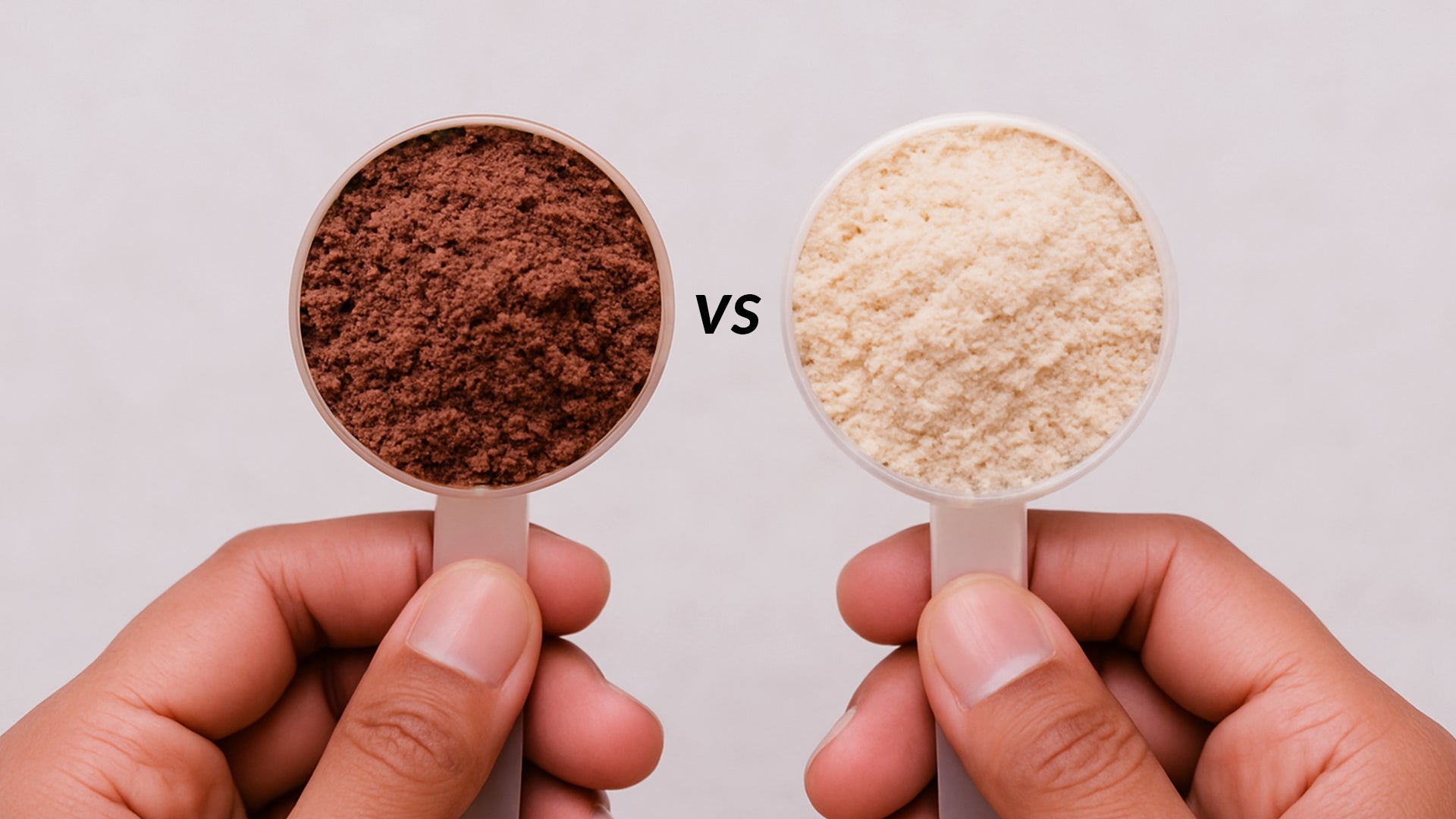
Whey and plant proteins differ in taste and texture. These differences affect how you enjoy them in shakes or recipes.
Understanding these differences helps you pick the right protein for your needs and preferences.
Flavor Profiles
Whey protein has a mild, creamy taste. It often tastes like milk or a light vanilla.
Plant proteins usually have a stronger, earthier flavor. Some may taste nutty or grassy, depending on the source.
- Whey: Smooth, dairy-like flavor
- Pea protein: Earthy, slightly sweet
- Rice protein: Mild, grainy taste
- Hemp protein: Nutty and grassy
Mixability
Whey protein mixes easily with water or milk. It creates a smooth, creamy shake without lumps.
Plant proteins can be harder to mix. They sometimes clump or feel gritty in drinks.
- Whey: Dissolves quickly, smooth texture
- Plant: May need more stirring or blending
- Adding liquids slowly helps reduce clumps
Versatility In Recipes
Whey protein works well in many recipes. It blends easily into smoothies, pancakes, and baked goods.
Plant proteins add unique flavors and textures. They can change how recipes taste and feel.
- Whey: Creamy texture, neutral taste
- Plant: Adds earthiness or nuttiness
- Try plant proteins in energy bars or veggie-based recipes
Cost And Availability
Choosing between whey and plant protein often depends on cost and how easy it is to find them. Both types have different prices and availability in stores and online.
Understanding these differences helps you pick the best protein for your budget and needs.
Price Comparison
Whey protein usually costs less per serving than plant protein. This is because whey is easier to produce and more common.
Plant proteins like pea, rice, or hemp tend to be pricier. They need more processing to taste good and mix well.
- Whey protein is often cheaper and more budget-friendly.
- Plant protein can cost more due to processing and sourcing.
- Prices vary based on brand and protein quality.
Market Accessibility
Whey protein is widely available in most supermarkets, gyms, and online stores. It is a popular choice for many people.
Plant protein is becoming easier to find but may not be in every store. Specialty health shops and online markets often have more options.
- Whey protein is easy to find almost everywhere.
- Plant protein is more common in health food stores.
- Online shopping offers more plant protein choices.
Brand Variety
There are many whey protein brands, offering different flavors and blends. This gives buyers many options to choose from.
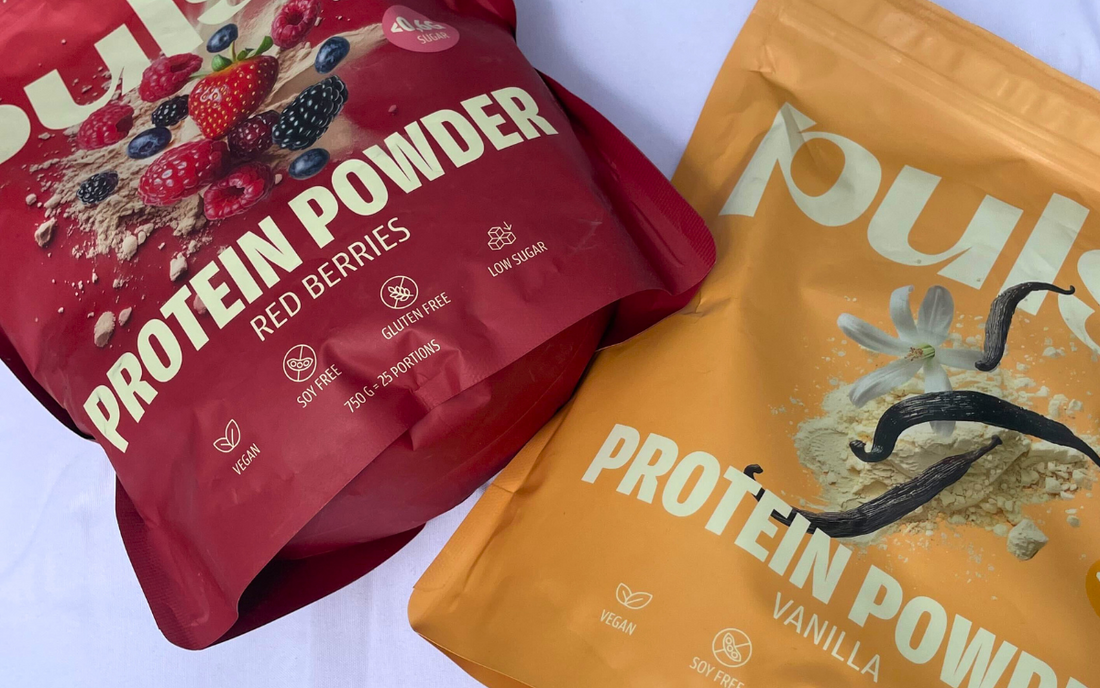
Plant protein brands are growing fast. They offer mixes of different plants and cater to people with allergies or special diets.
- Whey protein brands focus on variety and taste.
- Plant protein brands emphasize natural and allergy-friendly options.
- Both types have budget to premium brands available.
Credit: pulseprotein.co
Choosing Based On Lifestyle
Choosing between whey and plant protein depends on your daily habits and needs. Both types can support your health in different ways.
Think about your lifestyle before picking a protein. This helps you find the best fit for your body and goals.
Fitness Goals
Your workout goals affect which protein works best for you. Whey protein is fast-absorbing and good for muscle gain.
Plant protein often digests slower but can still help build strength. It also offers fiber and other nutrients.
- Choose whey for quick muscle recovery
- Pick plant protein for steady energy
- Both can support fat loss with proper diet
Dietary Restrictions
If you have allergies or sensitivities, your choice matters. Whey comes from milk and may cause issues for some.
Plant proteins are free from dairy and often easier to digest. They suit people with lactose intolerance or dairy allergy.
- Whey contains lactose, avoid if you are intolerant
- Plant protein is usually gluten-free and dairy-free
- Check labels for additives and allergens
Ethical Preferences
Your values can guide your protein choice. Whey comes from animals, so some avoid it for ethical reasons.
Plant proteins come from peas, rice, or hemp. They are popular with people who prefer vegan or cruelty-free options.
- Whey is not vegan and involves animal farming
- Plant protein supports plant-based diets
- Choose based on your personal ethics and beliefs
Frequently Asked Questions
What Are The Main Differences Between Whey And Plant Protein?
Whey protein is dairy-based and rich in essential amino acids. Plant protein comes from sources like peas or rice and is often lower in some amino acids. Whey is quickly absorbed, while plant proteins digest slower but suit vegan diets.
Which Protein Is Better For Muscle Building?
Whey protein is generally better for muscle growth due to its complete amino acid profile and fast absorption. Plant proteins can support muscle building but may require combining sources to get all essential amino acids.
Is Plant Protein Suitable For People With Lactose Intolerance?
Yes, plant protein is ideal for lactose-intolerant individuals because it contains no dairy or lactose. It provides a good alternative without causing digestive discomfort.
Can Whey Protein Cause Allergies Or Side Effects?
Whey protein can cause allergies in people sensitive to dairy or lactose. Some may experience bloating or digestive issues. Plant proteins are typically hypoallergenic and easier to digest.
Conclusion
Choosing between whey and plant protein depends on your needs. Whey protein offers quick absorption and complete amino acids. Plant protein suits those who prefer vegan or lactose-free options. Both support muscle growth and recovery well. Consider your diet, allergies, and taste preferences.
Balance and consistency matter most for results. Try both types to see which fits best. Your body will thank you for the right choice. Simple steps lead to better health and fitness.


