
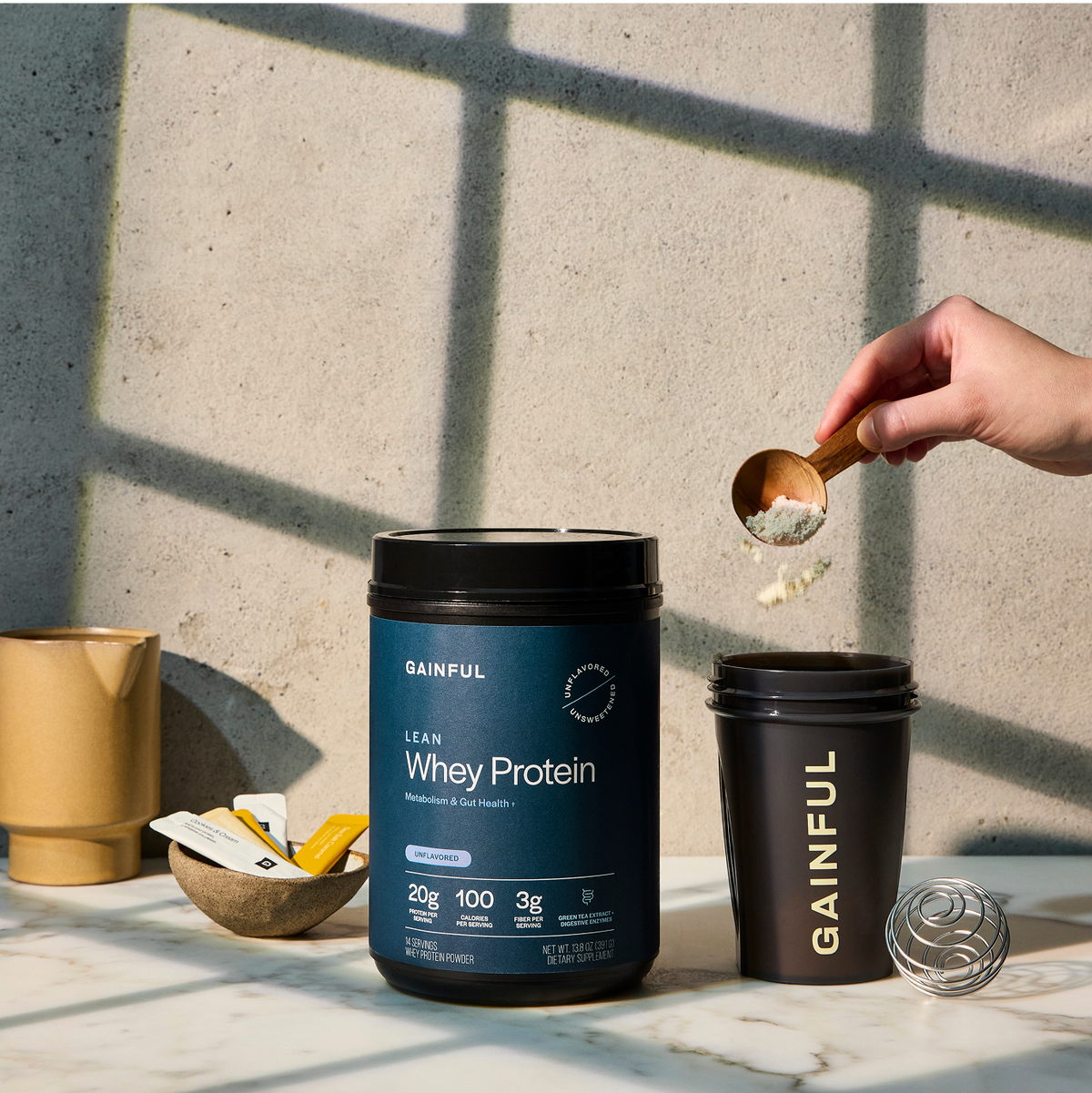
Are you wondering how many scoops of whey protein you should take each day? Finding the right amount can be tricky, especially with so many opinions out there.
Taking too little might not give you the results you want, while too much could be a waste or even harmful. This article will help you understand the perfect scoop count for your goals and body. Keep reading to discover the simple steps to get the most out of your whey protein and boost your progress the smart way.
Daily Protein Needs
Understanding your daily protein needs is important for health and fitness. Protein helps build muscles and repair tissues.
Whey protein is a popular supplement to help meet protein goals. Knowing the right amount to take daily can optimize benefits.
Factors Affecting Protein Intake
Several factors influence how much protein you need each day. These include age, activity level, and health goals.
People who exercise need more protein. Athletes and bodybuilders often require higher amounts than sedentary individuals.
- Age: Older adults need more protein to prevent muscle loss.
- Activity level: Active individuals need more protein for energy and muscle repair.
- Health goals: Weight loss or muscle gain can increase protein needs.
Protein Requirements For Muscle Growth
To grow muscles, you need enough protein each day. Whey protein can help meet these needs.
Experts suggest 1.2 to 2.2 grams of protein per kilogram of body weight. This range supports muscle growth in active individuals.
| Body Weight (kg) | Protein Needs (g) |
| 60 | 72 – 132 |
| 70 | 84 – 154 |
| 80 | 96 – 176 |

Credit: www.myprotein.com
Whey Protein Benefits
Whey protein is a popular supplement used by many people. It helps support muscle growth and overall health.
Many wonder how many scoops of whey protein they should take daily. This depends on your goals and activity level.
Types Of Whey Protein
There are three main types of whey protein. Each type has different features and uses.
- Whey Protein Concentrate:Contains some fat and lactose. It is less processed and cheaper.
- Whey Protein Isolate:Has less fat and lactose. It is more pure and digests faster.
- Whey Protein Hydrolysate:Pre-digested for faster absorption. It is often used for medical nutrition.
Choosing the right type depends on your digestion and dietary needs.
Muscle Recovery And Repair
Whey protein helps muscles recover after exercise. It provides essential amino acids for repair.
Taking whey protein after workouts can reduce muscle soreness. It supports faster recovery and strength.
- Whey protein supplies branched-chain amino acids (BCAAs).
- BCAAs help rebuild muscle fibers.
- Protein intake supports muscle growth over time.
- Proper timing improves recovery results.
Determining Scoop Size
Knowing the right scoop size helps you use whey protein correctly. Scoop size tells you how much powder you take each time.
Scoop sizes can differ by brand and protein type. It is important to check the scoop size for accurate protein intake.
Standard Scoop Measurements
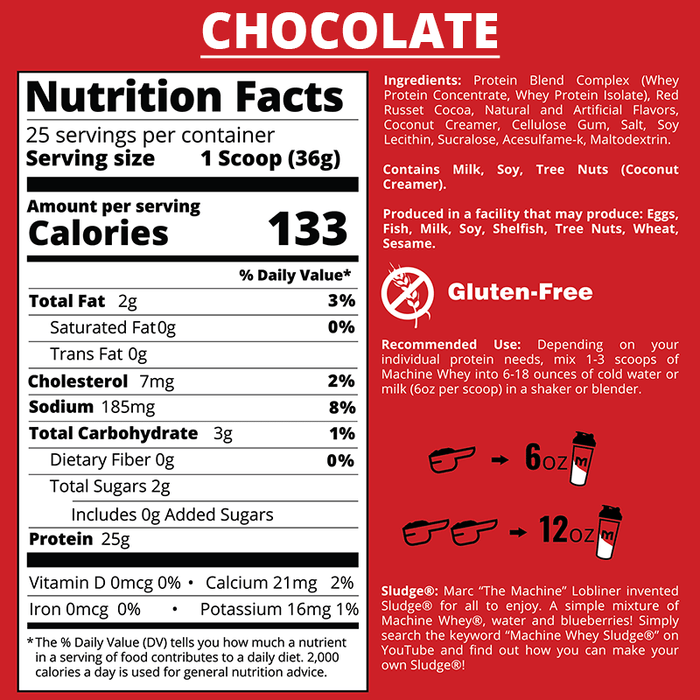
A standard whey protein scoop usually holds about 30 grams of powder. This is the common size in many protein supplements.
Some scoops may be smaller or larger depending on the product. Always read the label to know the exact scoop size.
- Average scoop size: 30 grams
- Smaller scoops: 20-25 grams
- Larger scoops: 35-40 grams
Protein Content Per Scoop
Each scoop usually contains 20 to 25 grams of protein. The exact amount depends on the brand and product type.
Protein content per scoop helps you plan your daily protein intake. It ensures you get enough protein for your goals.
| Protein Powder Type | Protein per Scoop (grams) |
|---|---|
| Whey Concentrate | 20 – 24 |
| Whey Isolate | 24 – 27 |
| Whey Hydrolysate | 22 – 26 |
Optimal Scoop Count
Whey protein is a popular supplement for building muscle and recovery. Knowing how many scoops to take daily helps you reach your goals safely.
The right scoop count depends on your body weight, activity level, and when you take the protein.
Based On Body Weight
Your body weight helps decide how much protein you need daily. A common guide is 0.7 to 1 gram of protein per pound of body weight.
Each scoop of whey protein usually contains about 20 to 25 grams of protein. Use this to calculate your scoops.
- If you weigh 150 pounds, aim for 105 to 150 grams of protein daily.
- This equals about 4 to 6 scoops per day.
- Adjust scoops if you eat protein from food too.
Considering Activity Level
Active people need more protein than those who are less active. Protein supports muscle repair and growth after workouts.
Higher activity means you may need 1 to 1.2 grams of protein per pound of body weight.
- Light activity: 0.7 to 0.9 grams per pound
- Moderate activity: 0.9 to 1 gram per pound
- High activity or intense training: 1 to 1.2 grams per pound
Timing Your Intake
When you take whey protein affects how well your body uses it. Many prefer taking it after workouts.
Some also take whey in the morning or between meals to keep protein levels steady.
- Post-workout: Supports muscle repair
- Morning: Helps start protein synthesis
- Between meals: Prevents muscle breakdown
Risks Of Overconsumption
Taking too many scoops of whey protein each day can cause problems. It is important to know the risks before increasing your intake.
Overconsumption may lead to health issues. Knowing the dangers helps you use whey protein safely.
Possible Side Effects
Too much whey protein can cause stomach pain and discomfort. Some people may feel bloated or have gas.
High protein intake can strain the kidneys over time. People with kidney problems should be careful.
- Digestive issues like cramps and diarrhea
- Kidney strain and possible damage
- Dehydration if fluids are not increased
- Weight gain from excess calories
Balancing Protein Sources
It is best to get protein from different foods, not just whey. This helps your body get all needed nutrients.
Combine whey protein with meat, beans, eggs, and vegetables. This keeps your diet healthy and balanced.
- Use whey as a supplement, not the only source
- Eat whole foods rich in protein daily
- Drink plenty of water to help kidneys
- Adjust protein amounts based on your activity

Credit: www.gianteagle.com
Incorporating Whey In Your Diet
Whey protein is a popular supplement for building muscle and staying healthy. Knowing how many scoops to take daily depends on your diet and goals.
You can add whey protein in many ways. It works well with whole foods and fits into balanced meal plans.
Combining With Whole Foods
Mixing whey protein with whole foods helps your body absorb nutrients better. It also keeps meals filling and balanced.
Try adding whey to oatmeal, yogurt, or smoothies with fruits and nuts. These combinations provide fiber and vitamins.
- Blend whey with milk and berries for a quick smoothie
- Stir whey into cooked oats with cinnamon and nuts
- Mix whey protein in Greek yogurt with seeds
Sample Meal Plans
Use whey protein as part of your meals or snacks. It can help meet your daily protein needs without extra calories.
Here are easy meal plans that include whey protein and whole foods.
| Meal | Foods |
|---|---|
| Breakfast | Oatmeal with whey and banana |
| Snack | Greek yogurt with whey and almonds |
| Lunch | Grilled chicken, quinoa, veggies |
| Snack | Whey protein smoothie with spinach |
| Dinner | Baked fish, sweet potato, broccoli |
Common Myths
Many people wonder how many scoops of whey protein they should take daily. There are many myths about whey protein use. These myths can cause confusion and wrong choices.
This article clears up common myths about whey protein. It focuses on protein and kidney damage and weight gain.
Protein And Kidney Damage
Some believe high protein harms kidneys. This is not true for healthy people. Research shows normal protein amounts do not cause kidney damage.
People with kidney disease should limit protein. For healthy people, whey protein is safe at recommended doses.
- High protein does not damage healthy kidneys
- Kidney patients need to watch protein intake
- Whey protein is safe for most users
Whey Protein And Weight Gain
Some think whey protein causes weight gain. Protein itself does not make you fat. Weight gain happens when you eat more calories than you burn.
Whey protein can help build muscle. Muscle weighs more than fat but looks leaner. Taking whey protein in the right amount supports fitness goals.
- Whey protein alone does not cause fat gain
- Eating too many calories causes weight gain
- Whey helps build muscle, not fat
Credit: www.tigerfitness.com
Adjusting Intake Over Time
Whey protein intake is not the same for everyone every day. Your body and goals change over time. Adjusting how many scoops you take helps meet your needs.
It is important to listen to your body and track your results. This way, you can find the right amount of protein to support your progress.
Monitoring Progress
Keep an eye on your strength, energy, and muscle growth. These signs show if your whey protein amount works well. If you stop seeing gains, you might need to adjust your intake.
Track your daily intake and results in a journal or app. This helps you spot patterns and changes in your progress.
- Note muscle size and strength improvements
- Record workout energy and recovery speed
- Watch for signs of too much protein, like stomach upset
Adapting To Training Changes
Your workout plan may change, so your protein needs change too. More intense training needs more protein for muscle repair. Less training means you may need less.
Adjust your whey protein scoops based on your weekly training hours and workout type. This helps your body get what it needs without waste.
- Increase scoops on heavy training days
- Lower scoops on rest or light days
- Consider protein from food when adjusting whey intake
Frequently Asked Questions
How Many Scoops Of Whey Protein Per Day Are Safe?
Most adults can safely consume 1-2 scoops of whey protein daily. This amount supports muscle growth and recovery without overloading protein intake. Always consider your total daily protein needs from all sources before adding supplements.
When Is The Best Time To Take Whey Protein Daily?
The best time to take whey protein is within 30 minutes post-workout. This helps maximize muscle repair and growth. You can also consume it in the morning or between meals to meet daily protein goals.
Can I Take More Than Two Scoops Of Whey Protein?
Taking more than two scoops daily is generally unnecessary unless advised by a nutritionist. Excess protein may strain kidneys and cause digestive issues. It’s best to balance protein intake from food and supplements.
How Does Whey Protein Dosage Vary By Body Weight?
Protein needs vary by body weight; generally, 0. 8-1. 2 grams per pound is ideal. Calculate scoops based on your weight and total protein goal. Adjust intake according to activity level and fitness goals.
Conclusion
Whey protein can help meet daily protein needs. Most people do well with one to two scoops daily. Too much protein does not mean better results. Balance it with whole foods and a good diet. Listen to your body and adjust as needed.
Consistency matters more than the exact scoop count. Stay active and eat healthy for best results. Protein supports muscle repair and growth. Keep it simple and enjoy your fitness journey.


