

Are you expecting and wondering if whey protein is safe for your pregnancy? It’s natural to want the best nutrition for you and your baby, but knowing which supplements are safe can be confusing.
Whey protein is popular for boosting energy and muscle health, but is it the right choice during pregnancy? Keep reading to discover the facts you need to make a confident decision about adding whey protein to your prenatal diet. Your health and your baby’s well-being depend on the right information.
Credit: www.thebump.com
Whey Protein Basics
Whey protein is a popular dietary supplement. It is often used by athletes and fitness enthusiasts. Many wonder if it is safe during pregnancy. Understanding its basics helps in making informed choices.
During pregnancy, nutrition is crucial. Protein plays a vital role in supporting the body’s changes. Whey protein can be a convenient source of protein, but is it the right choice?
What Is Whey Protein?
Whey protein is derived from milk. It is the liquid part that separates during cheese production. This protein is rich in essential amino acids.
It is highly digestible and quickly absorbed by the body. This makes it a popular option for those needing a protein boost.
Types Of Whey Protein
There are three main types of whey protein: concentrate, isolate, and hydrolysate. Each type is processed differently and offers unique benefits.
- Whey Protein Concentrate:Contains some fat and lactose. It is less processed and retains more nutrients.
- Whey Protein Isolate:Processed to remove most fat and lactose. It is higher in protein content.
- Whey Protein Hydrolysate:Predigested for faster absorption. It is often used in medical protein supplements.
Nutritional Benefits During Pregnancy
Pregnancy needs extra nutrients to help the baby grow well. Protein is one of the key nutrients for mothers and babies.
Whey protein is a common source that many consider during pregnancy. It offers many important nutrients for this time.
Protein Needs For Pregnant Women
Pregnant women need more protein than usual. Protein helps build the baby’s tissues and supports the mother’s body.
Most pregnant women require about 71 grams of protein daily. This amount supports healthy growth and development.
- Protein helps form the baby’s muscles and organs
- It supports the placenta and amniotic fluid
- Protein aids the mother’s increased blood supply
How Whey Supports Maternal Health
Whey protein is a high-quality protein that is easy to digest. It contains all essential amino acids needed during pregnancy.
Whey also has vitamins and minerals like calcium and B vitamins. These support the mother’s energy and bone health.
- Promotes muscle strength and repair
- Supports immune system function
- Helps maintain healthy weight gain
Safety Considerations
Whey protein is a popular supplement used to support muscle growth and recovery. Pregnant women often ask if it is safe to use during pregnancy.
It is important to look at safety factors before adding whey protein to a pregnancy diet. This helps protect both mother and baby.
Potential Risks Of Whey Protein
Whey protein is generally safe but can cause some risks for pregnant women. Taking large amounts might upset the stomach.
Too much protein can strain the kidneys. Pregnant women with kidney problems should avoid whey protein.
- Digestive issues like bloating or gas
- Kidney strain from excess protein
- Possible interaction with prenatal vitamins
Common Allergies And Sensitivities
Whey protein comes from milk and can cause allergies in some people. Milk allergies can be more serious during pregnancy.
Lactose intolerance may cause discomfort but is less dangerous. It is important to check for any allergic reactions before use.
- Milk allergy can cause rashes and breathing problems
- Lactose intolerance leads to stomach pain and diarrhea
- Always test with a small amount first
Recommended Dosage
Whey protein can be a helpful source of extra protein during pregnancy. It is important to use it in safe amounts. Pregnant women should follow dosage advice to support their health and their baby’s growth.
Getting the right amount of protein helps with muscle strength and recovery. It also supports the baby’s development. Knowing the right dose of whey protein is key to avoid any risks.
Daily Intake Guidelines
Pregnant women need more protein than usual. A typical dose of whey protein is about 20 to 30 grams per day. This amount fits well with daily protein needs during pregnancy.
It is best to get most protein from food. Whey protein should be used as a supplement only. Always check with a healthcare provider before starting whey protein.
- Recommended daily whey protein dose: 20-30 grams
- Do not exceed the daily protein limit advised by your doctor
- Balance whey protein with whole food sources
Timing And Frequency
Whey protein can be taken once or twice daily during pregnancy. Taking it after meals or snacks helps with better digestion. Avoid taking whey protein on an empty stomach.
Spacing doses evenly supports steady protein supply. Drinking whey protein in the morning or after light exercise is common. Follow your doctor’s advice on the best time for you.
- Take whey protein 1-2 times per day
- Consume it after meals or snacks
- Do not take whey protein on an empty stomach
- Space doses evenly throughout the day
Choosing Quality Whey Protein
Pregnant women need safe and healthy protein sources. Whey protein can help meet daily needs.
Not all whey proteins are the same. Choose quality products to avoid risks during pregnancy.
Ingredients To Avoid
Check the label for harmful ingredients. Some additives can be unsafe for pregnant women.
- Artificial sweeteners like aspartame and sucralose
- Excessive caffeine or stimulants
- High amounts of added sugars
- Unnecessary preservatives and fillers
Pick whey protein with natural, simple ingredients. This lowers the chance of side effects.
Certifications And Testing
Look for products tested for quality and safety. Certifications show the product meets standards.
- Third-party lab testing for purity
- Certified organic or non-GMO labels
- Free from heavy metals and contaminants
- Good Manufacturing Practice (GMP) certification
Certifications help ensure the whey protein is safe for pregnancy. Always check these before buying.
Alternatives To Whey Protein
Pregnant women may need extra protein for their baby’s growth. Whey protein is popular but not always suitable during pregnancy.
There are many safe and natural alternatives to whey protein. These options can help meet protein needs without risk.
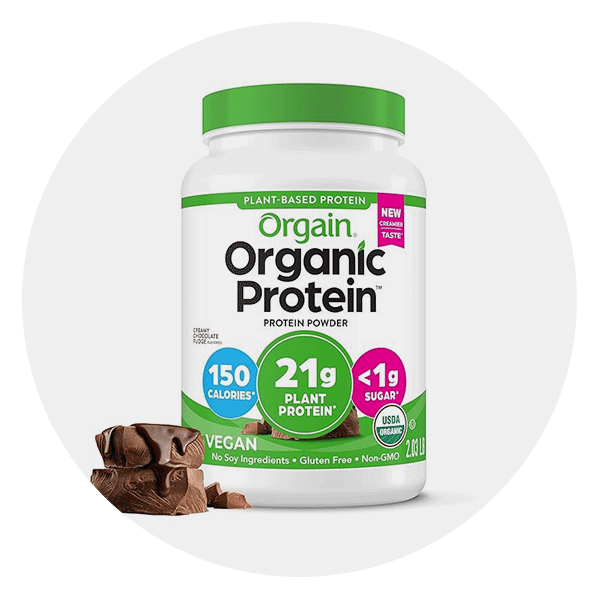
Plant-based Protein Options
Plant proteins come from vegetables, nuts, seeds, and legumes. They are gentle on the stomach and often easier to digest.
These proteins provide important nutrients and fiber, which support overall health during pregnancy.
- Pea protein is rich in iron and easy to digest.
- Brown rice protein offers all essential amino acids.
- Hemp protein contains healthy fats and omega-3s.
- Chia seeds add protein plus fiber and antioxidants.
- Almonds provide protein and vitamin E.
Whole Food Sources
Whole foods are the best natural source of protein. They contain many other nutrients that support mother and baby.
Eating a variety of whole foods ensures a balanced intake of protein and vitamins.
- Eggs are a complete protein with important vitamins.
- Chicken and turkey provide lean protein and iron.
- Greek yogurt has protein and calcium.
- Lentils and beans are high in protein and fiber.
- Quinoa is a seed that acts like a complete protein.
Consulting Healthcare Providers
Pregnant women often wonder if whey protein is safe to use. It is important to talk to healthcare providers before adding any supplement.
Doctors can give advice based on your health and pregnancy needs. They help ensure both mother and baby stay healthy.
When To Seek Medical Advice
Seek medical advice if you have health issues before taking whey protein. This includes allergies or kidney problems.
Also, ask a doctor if you experience unusual symptoms after using whey protein. This helps avoid risks during pregnancy.
- If you have a history of food allergies
- If you have kidney or liver disease
- If you feel stomach pain or discomfort
- If you notice skin rashes or swelling
- If you have any other health concerns
Discussing Supplements With Your Doctor
Tell your doctor about all supplements you take. This includes vitamins, minerals, and proteins like whey.
Your doctor can check if whey protein fits your diet and pregnancy plan. They may suggest safer options or doses.
- Share the brand and ingredients of whey protein
- Discuss your daily diet and nutrition
- Ask about possible side effects during pregnancy
- Follow your doctor’s recommended supplement plan
Credit: www.thebump.com

Credit: www.readysetgrownutrition.com
Frequently Asked Questions
Is Whey Protein Safe During Pregnancy?
Whey protein is generally safe during pregnancy when consumed in moderation. It supports muscle health and provides essential amino acids. However, consult your healthcare provider before starting any supplement to ensure it fits your specific nutritional needs and pregnancy condition.
Can Whey Protein Cause Pregnancy Complications?
Whey protein usually does not cause pregnancy complications if taken appropriately. Excessive intake may lead to digestive issues or allergies. Always follow recommended dosages and discuss with your doctor to prevent any potential risks.
How Much Whey Protein Is Recommended In Pregnancy?
Pregnant women should limit whey protein to about 20-30 grams per day, depending on individual needs. This helps meet increased protein demands without overloading the body. Consult your healthcare provider for personalized advice.
Are There Benefits Of Whey Protein For Pregnant Women?
Whey protein helps support fetal growth and maternal muscle maintenance during pregnancy. It provides essential nutrients that may be harder to obtain from diet alone. Proper use can enhance overall pregnancy nutrition and well-being.
Conclusion
Whey protein can be safe during pregnancy with proper care. Choose high-quality products without added chemicals. Always talk to your doctor before adding supplements. Balanced nutrition and regular check-ups matter most. Your baby’s health depends on good food and safe choices.
Stay informed and listen to your body’s signals. Simple steps help ensure a healthy pregnancy journey.


