

Are you struggling to find a protein supplement that won’t upset your stomach? If you follow a low FODMAP diet, you know how tricky it can be to pick the right foods.
Whey protein is popular for building muscle and boosting energy, but is it safe for your sensitive gut? You’ll discover the truth about whey protein and whether it fits into your low FODMAP lifestyle. Keep reading to learn how to fuel your body without the discomfort.
Whey Protein Basics
Whey protein is a popular supplement. People use it to boost protein intake.
It comes from the liquid part of milk. This liquid separates when making cheese.
Types Of Whey Protein
There are different types of whey protein. Each has its own benefits.
The three main types are whey protein concentrate, isolate, and hydrolysate.
- Whey Protein Concentrate: Contains some lactose and fat.
- Whey Protein Isolate: Mostly protein, with little lactose.
- Whey Protein Hydrolysate: Predigested for easier absorption.
Nutritional Profile
Whey protein is rich in essential amino acids. It is a complete protein source.
It provides a high amount of protein per serving. This helps in muscle building.
| Type | Protein Content (%) |
| Concentrate | 70-80 |
| Isolate | 90 or more |
| Hydrolysate | Varies |
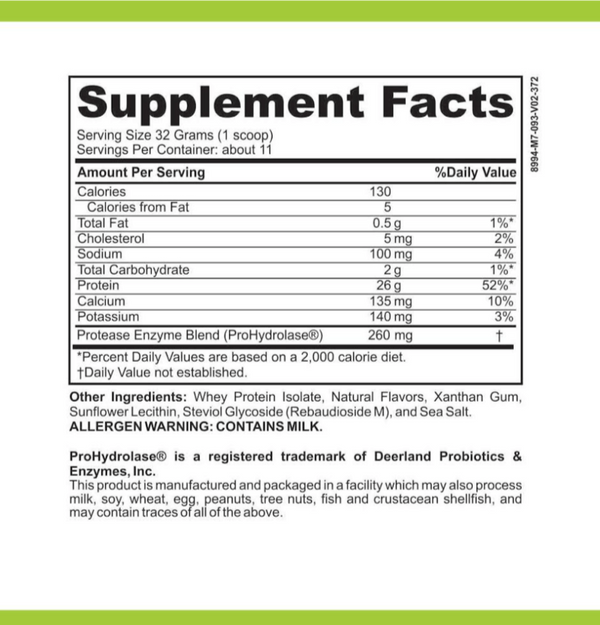
Credit: casadesante.com
Fodmaps And Digestive Health
FODMAPs are types of carbohydrates that some people find hard to digest. Eating foods with FODMAPs can cause stomach problems for them.
Whey protein is a popular supplement. Many wonder if it is low FODMAP and safe for sensitive digestion.
What Are Fodmaps?
FODMAPs stands for fermentable oligosaccharides, disaccharides, monosaccharides, and polyols. These are short-chain carbs found in many foods.
They can cause gas, bloating, and pain in people with sensitive digestive systems. Foods high in FODMAPs include certain fruits, vegetables, and dairy.
- Oligosaccharides: found in wheat, onions, garlic
- Disaccharides: lactose in milk and yogurt
- Monosaccharides: excess fructose in some fruits
- Polyols: sugar alcohols in sweeteners and fruits
Effects On Sensitive Digestive Systems
People with irritable bowel syndrome (IBS) often react to FODMAPs. These carbs ferment in the gut and produce gas.
This fermentation can cause bloating, cramps, diarrhea, or constipation. Avoiding high FODMAP foods helps reduce symptoms.
- Gas and bloating from fermentation
- Stomach pain and cramps
- Changes in bowel movements
- Increased discomfort after eating
Whey Protein And Fodmap Content
Many people with sensitive digestion watch their FODMAP intake. Whey protein is a popular supplement. It is important to know if it is low FODMAP.
FODMAPs are short-chain carbs that can cause gut discomfort. Whey protein comes in different forms. Each form has different FODMAP levels.
Lactose In Whey Protein
Lactose is a sugar found in milk. It is a common FODMAP. Whey protein contains lactose because it is made from milk.
People with lactose intolerance may feel bloated or gassy after whey protein. The lactose level depends on the whey type and processing.
- More lactose means higher FODMAP content
- Lower lactose means lower FODMAP content
- Check labels for lactose or FODMAP info
Concentrate Vs Isolate
Whey protein concentrate has more lactose. It also has more fat and carbs. This makes it higher in FODMAPs.
Whey protein isolate goes through extra filtering. This removes most lactose. It is usually low FODMAP and easier to digest.
- Whey concentrate: higher lactose, higher FODMAP
- Whey isolate: low lactose, low FODMAP
- Choose isolate if you need low FODMAP options

Credit: www.reddit.com
Choosing Low Fodmap Whey Protein
Whey protein can be a good choice for people with digestive issues. But not all whey proteins are low FODMAP. It is important to choose the right type.
Low FODMAP whey protein helps reduce symptoms like bloating and gas. This guide will help you pick safe options and read labels carefully.
Identifying Safe Whey Options
Whey protein isolate is usually low FODMAP. It has less lactose than concentrate. Lactose is a FODMAP sugar that can cause problems.
Whey protein concentrate may have more lactose. This can cause symptoms for sensitive people. Choose isolate or hydrolyzed whey for safety.
- Whey protein isolate has less lactose
- Hydrolyzed whey is easy to digest
- Whey concentrate may contain more lactose
Reading Labels For Hidden Ingredients
Check labels for added sugars and fillers. Ingredients like inulin, chicory root, and artificial sweeteners can be high in FODMAPs.
Look for simple ingredient lists. Avoid protein powders with many additives. This helps reduce the risk of FODMAP symptoms.
- Avoid added fibers like inulin and fructooligosaccharides
- Watch out for artificial sweeteners like sorbitol or xylitol
- Choose powders with only whey protein and natural flavor
Alternatives To Whey Protein
Whey protein may not suit everyone, especially those on a low FODMAP diet. Many people look for other protein sources that are easier to digest. There are good alternatives that provide protein without causing digestive issues.
Choosing the right protein powder can help you meet your nutrition goals while keeping your stomach calm. Here are some options to consider.
Plant-based Protein Powders
Plant-based protein powders come from peas, rice, hemp, and other plants. These proteins are usually low in FODMAPs. They work well for people with sensitive digestion.
These powders often contain fiber and nutrients that support health. They are a good choice for vegetarians and vegans too.
- Pea protein is rich in iron and easy to digest.
- Rice protein is hypoallergenic and gentle on the stomach.
- Hemp protein has omega-3 fatty acids and fiber.
- Mixed plant blends provide a complete amino acid profile.
Egg And Collagen Protein
Egg protein powders use egg whites and have no lactose or FODMAPs. They offer a high-quality protein source with all essential amino acids.
Collagen protein is made from animal connective tissue. It supports skin, joints, and gut health. It is low in FODMAPs and easy to digest.
- Egg protein is good for muscle repair and growth.
- Collagen protein helps with joint flexibility.
- Both are free from lactose and sugars that cause bloating.
- They mix well in shakes and recipes.
Incorporating Whey Protein On A Low Fodmap Diet
Whey protein is popular for building muscle and staying healthy. People on a low FODMAP diet want to know if whey protein fits their needs.
Some whey protein powders have ingredients that cause digestive issues. Choosing the right type and amount helps keep symptoms away.
Recommended Serving Sizes
Whey protein isolate has less lactose than concentrate. This makes it better for a low FODMAP diet. Stick to small servings to avoid problems.
- Use 20 to 30 grams of whey protein isolate per serving
- Avoid whey protein concentrate if you are lactose sensitive
- Check product labels for added high FODMAP ingredients
- Start with smaller amounts to test your tolerance
Timing And Digestive Tips
Drink whey protein shakes between meals, not on a full stomach. This can help reduce bloating and gas.
Mix whey protein with water or lactose-free milk. Avoid mixing with high FODMAP foods like regular milk or fruit juices.
- Take whey protein 1 to 2 hours after a meal
- Drink plenty of water to aid digestion
- Try low FODMAP fruits like strawberries if you want to add flavor
- Stop use if you feel discomfort and consult a dietitian
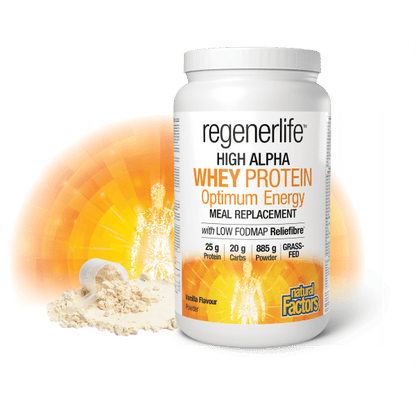
Credit: regenerlife.ca
Frequently Asked Questions
Is Whey Protein Considered Low Fodmap?
Whey protein isolate is generally low FODMAP. However, whey concentrate may contain higher lactose, causing symptoms in sensitive individuals.
Can Whey Protein Trigger Ibs Symptoms?
Whey protein concentrate may trigger IBS due to lactose. Isolate is better tolerated and less likely to cause issues.
How To Choose Low Fodmap Whey Protein?
Select whey protein isolate with minimal additives. Check labels for lactose content and avoid blends with high FODMAP ingredients.
Is Lactose The Main Fodmap Concern In Whey?
Yes, lactose is the primary FODMAP in whey protein. Lactose-free isolates reduce the risk of digestive discomfort.
Conclusion
Whey protein can fit into a low FODMAP diet if chosen carefully. Some whey powders contain added lactose, which may cause problems. Look for whey isolate, as it usually has less lactose. Always check the label for ingredients that might trigger symptoms.
Start with a small amount to see how your body reacts. Staying informed helps you enjoy protein without discomfort. Balance and caution make whey protein work for sensitive digestion.


