
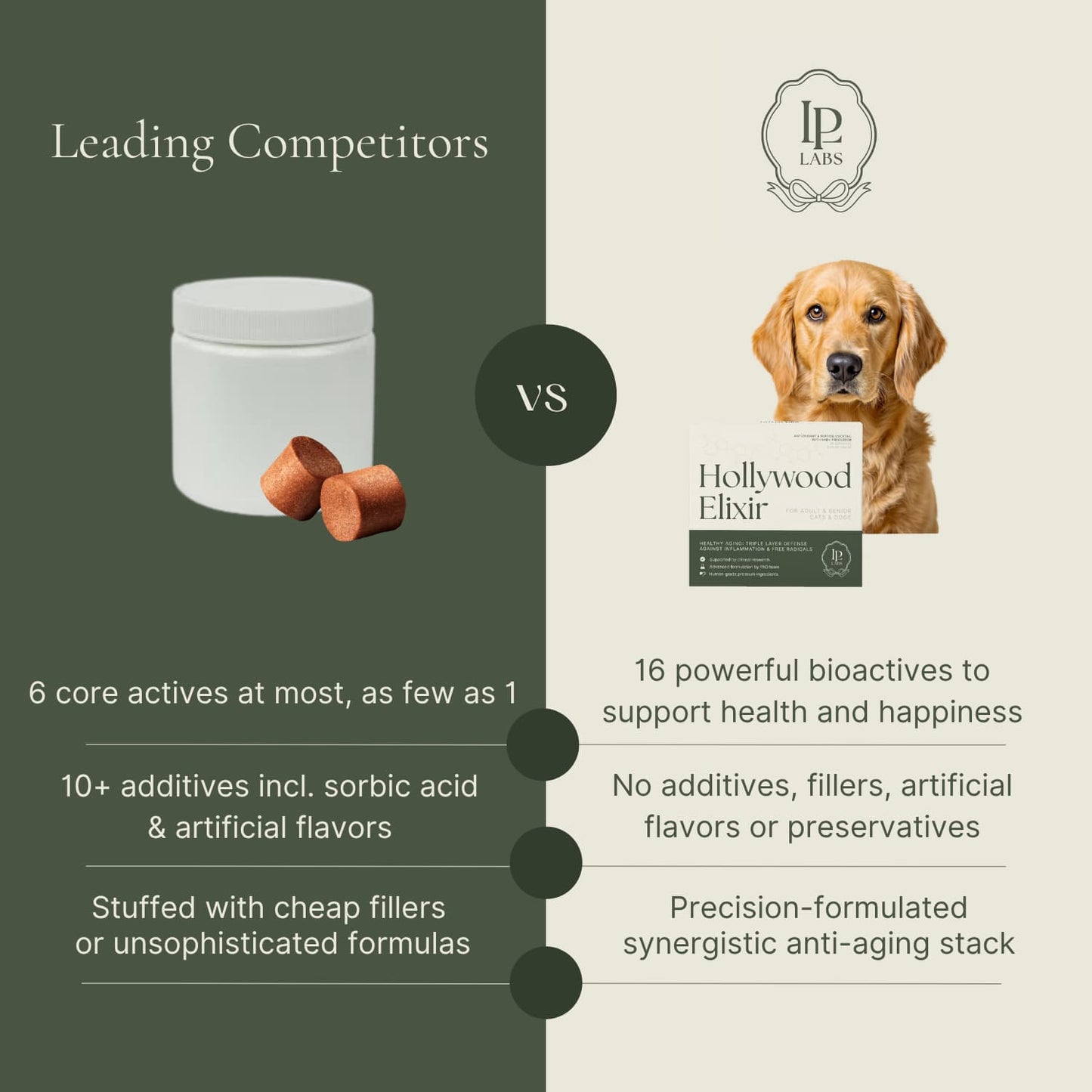
If you’re a dog owner, you want the best for your furry friend’s health and nutrition. You may have heard about whey protein and wondered if it’s safe or even beneficial for your dog.
Can dogs have whey protein? Should you consider adding it to their diet? This article will answer those questions clearly and help you make the right choice for your pet’s well-being. Keep reading to discover what whey protein means for your dog’s health and what you need to watch out for.
Whey Protein Basics
Whey protein is a popular supplement for humans. It is known for its benefits in muscle building. But can dogs have whey protein too?
Understanding whey protein is important before giving it to dogs. Let’s explore what whey protein is and the types available.
What Is Whey Protein
Whey protein comes from milk. It is a byproduct of cheese making. During cheese production, whey separates from the curds.
Whey protein is rich in essential amino acids. These are important for muscle repair and growth. It is easy to digest and quickly absorbed.
Types Of Whey Protein
There are three main types of whey protein. Each type has different properties and uses. Knowing these can help decide their suitability for dogs.
- Whey Protein Concentrate: Contains low levels of fat and carbohydrates. It is the most common form and has the best taste.
- Whey Protein Isolate: Has higher protein content and fewer fats. It is suitable for those needing high protein intake.
- Whey Protein Hydrolysate: Pre-digested for faster absorption. Often used in medical protein supplements and infant formulas.

Credit: lapetitelabs.com
Dogs And Protein Needs
Protein is an important part of a dog’s diet. It helps build muscles and keeps their body healthy. Dogs need enough protein every day to stay strong and active.
Not all proteins are the same. Dogs need high-quality protein from good sources. Understanding their protein needs helps keep them healthy.
Daily Protein Requirements
Dogs need different amounts of protein based on their size, age, and activity level. Puppies and active dogs need more protein than older or less active dogs.
The general recommendation is about 18% protein for adult dogs. Puppies may need about 22% protein for growth. Working or very active dogs may need even more.
Sources Of Protein For Dogs
Dogs get protein from many foods. Meat, fish, eggs, and dairy are common sources. Some plant proteins like beans and lentils also provide protein but less efficiently.
Whey protein comes from milk and is a high-quality protein. It can be given to dogs in small amounts but should not replace regular meals.
- Chicken, beef, and turkey are good meat proteins
- Fish provides protein and omega-3 fats
- Eggs are rich in protein and easy to digest
- Dairy like cheese and yogurt contain protein but watch for lactose intolerance
- Whey protein supplements can help but ask a vet first
Is Whey Protein Safe For Dogs
Whey protein is a popular supplement for humans. Some dog owners wonder if it is safe for their pets. This article explains the safety of whey protein for dogs.
We will look at the possible benefits and risks of giving whey protein to dogs. It is important to know both sides before using it.
Potential Benefits
Whey protein contains many essential amino acids. These help build muscles and support growth in dogs. It can be useful for active or working dogs.
Some dogs may use whey protein to recover faster after exercise or illness. It also supports a healthy immune system and skin.
- Helps muscle growth and repair
- Supports immune health
- May improve skin and coat condition
- Can aid recovery after exercise
Possible Risks And Side Effects
Not all dogs digest whey protein well. Some may have allergies or intolerance to dairy products. This can cause stomach upset or diarrhea.
Too much whey protein can strain a dog’s kidneys or liver. It is important to give only small amounts and watch for any signs of problems.
- Allergic reactions or intolerance
- Stomach upset or diarrhea
- Possible kidney or liver strain with high doses
- Not suitable for dogs with certain health issues
How To Use Whey Protein For Dogs
Whey protein can support your dog’s muscle health and energy. It may help active or aging dogs stay strong.
Use whey protein carefully to avoid side effects. Always check with your vet before adding it to your dog’s diet.
Proper Dosage Guidelines
The right dose depends on your dog’s weight, age, and health. Start with a small amount to watch for reactions.
Too much protein can cause stomach upset or kidney stress. Follow these general rules for dosing:
- Small dogs (under 20 lbs): 0.5 to 1 gram per day
- Medium dogs (20-50 lbs): 1 to 2 grams per day
- Large dogs (over 50 lbs): 2 to 3 grams per day
Choosing The Right Whey Protein
Select a whey protein made for pets or one with no added sugars or artificial ingredients. Pure whey protein is best.
Avoid whey protein with flavorings or sweeteners, as these can harm your dog. Look for high-quality, natural options.
- Choose unflavored, pure whey protein
- Check the ingredient list for additives
- Pick a product with good reviews from pet owners
Best Ways To Administer
Mix whey protein into your dog’s food or water for easy intake. Start with a small mix to test tolerance.
You can also use whey protein treats or supplements designed for dogs. Give whey protein once daily to avoid upset stomach.
- Stir into wet or dry food
- Mix with water for a protein drink
- Use pet-safe whey protein treats
- Give at the same time each day
Signs Of Allergies Or Intolerance
Some dogs may react badly to whey protein. It can cause allergies or intolerance. It is important to watch for signs if your dog eats whey protein.
Recognizing symptoms early helps protect your dog’s health. Not all dogs can digest whey protein well.
Common Symptoms
Dogs with allergies or intolerance to whey protein show many signs. These signs can affect their skin, stomach, and behavior.
- Itchy skin or red patches
- Hives or swelling
- Vomiting or diarrhea
- Excessive gas or bloating
- Loss of appetite
- Lethargy or weakness
- Frequent scratching or licking
- Ear infections or discharge
If your dog has these symptoms after eating whey protein, stop feeding it and watch closely.
When To Consult A Vet
Some symptoms need immediate veterinary help. Do not wait if your dog feels very sick or shows severe reactions.
Call your vet if you notice:
- Severe vomiting or diarrhea lasting more than a day
- Swelling of the face, lips, or throat
- Difficulty breathing or coughing
- Extreme weakness or collapse
- Signs of pain or distress
- Persistent itching that causes wounds
Your vet can test for allergies and suggest safe food options. Early care prevents serious health problems.

Credit: www.innovet.com.au
Alternatives To Whey Protein
Whey protein is popular for muscle building in humans. Dogs can benefit from protein too, but whey is not always the best choice. Some dogs may have allergies or trouble digesting whey protein.
There are many other ways to provide good protein for dogs. These options can be safer and easier on their stomachs. Let’s look at natural protein sources and other supplements for dogs.
Natural Protein Sources
Natural foods provide protein that dogs can digest well. These foods also have vitamins and minerals that help dogs stay healthy. They are a good choice to replace whey protein.
- Chicken and turkey: lean meats that are easy to digest
- Beef: rich in protein and iron
- Fish: good source of omega-3 and protein
- Eggs: complete protein with all essential amino acids
- Plain yogurt: adds protein and probiotics for digestion
- Cooked beans and lentils: plant-based proteins
Always cook meats and beans well. Avoid adding spices or sauces. Consult your vet before adding new foods.
Other Supplements For Dogs
Some supplements can add protein and nutrients to your dog’s diet. These are made especially for dogs and are safer than human whey protein powders.
- Egg protein powder: made from dried egg whites
- Fish protein powder: rich in amino acids and omega fats
- Collagen supplements: support joint and skin health
- Green-lipped mussel powder: natural protein and anti-inflammatory
- Beef or chicken liver treats: high in protein and vitamins
Check with your vet before starting any supplements. They can recommend the right amount and type for your dog.
Veterinary Recommendations
Many dog owners wonder if whey protein is safe for their pets. Veterinarians give advice based on a dog’s health and diet.
Protein is important for dogs, but not all protein supplements suit every dog. Getting professional guidance is best.
Professional Advice
Vets say that whey protein can be safe in small amounts. It should only be added after checking with a vet.
Too much protein can harm dogs with kidney or liver problems. A vet can assess if whey is right for your dog.
Tailoring Protein Intake To Your Dog
Each dog needs a different amount of protein. Age, size, and activity level affect protein needs.
Vets recommend balancing protein from food and supplements. They help create a plan for the right protein intake.
- Puppies need more protein for growth
- Active dogs may need extra protein
- Older dogs might need less protein
- Dogs with health issues need special care

Credit: www.florahealth.com
Frequently Asked Questions
Can Dogs Safely Consume Whey Protein Supplements?
Yes, dogs can consume whey protein in small amounts. It supports muscle growth and recovery but should be plain and free of additives.
What Are The Benefits Of Whey Protein For Dogs?
Whey protein helps improve muscle strength, supports weight management, and enhances overall health when given appropriately.
How Much Whey Protein Is Safe For Dogs?
Dosage depends on your dog’s weight and health. Consult a vet to determine the correct amount to avoid side effects.
Are There Any Risks Feeding Dogs Whey Protein?
Excessive whey protein can cause digestive issues like diarrhea or allergies. Always introduce it gradually and monitor your dog’s reaction.
Conclusion
Dogs can have whey protein, but only in small amounts. Too much whey protein can upset their stomach or cause allergies. Always choose plain, unsweetened whey without additives. Consult a vet before adding whey protein to your dog’s diet. Remember, whole foods are best for your pet’s health.
Protein from meat and eggs usually meets their needs well. Treat whey protein as a supplement, not a main food source. Careful feeding helps keep your dog happy and healthy.


