
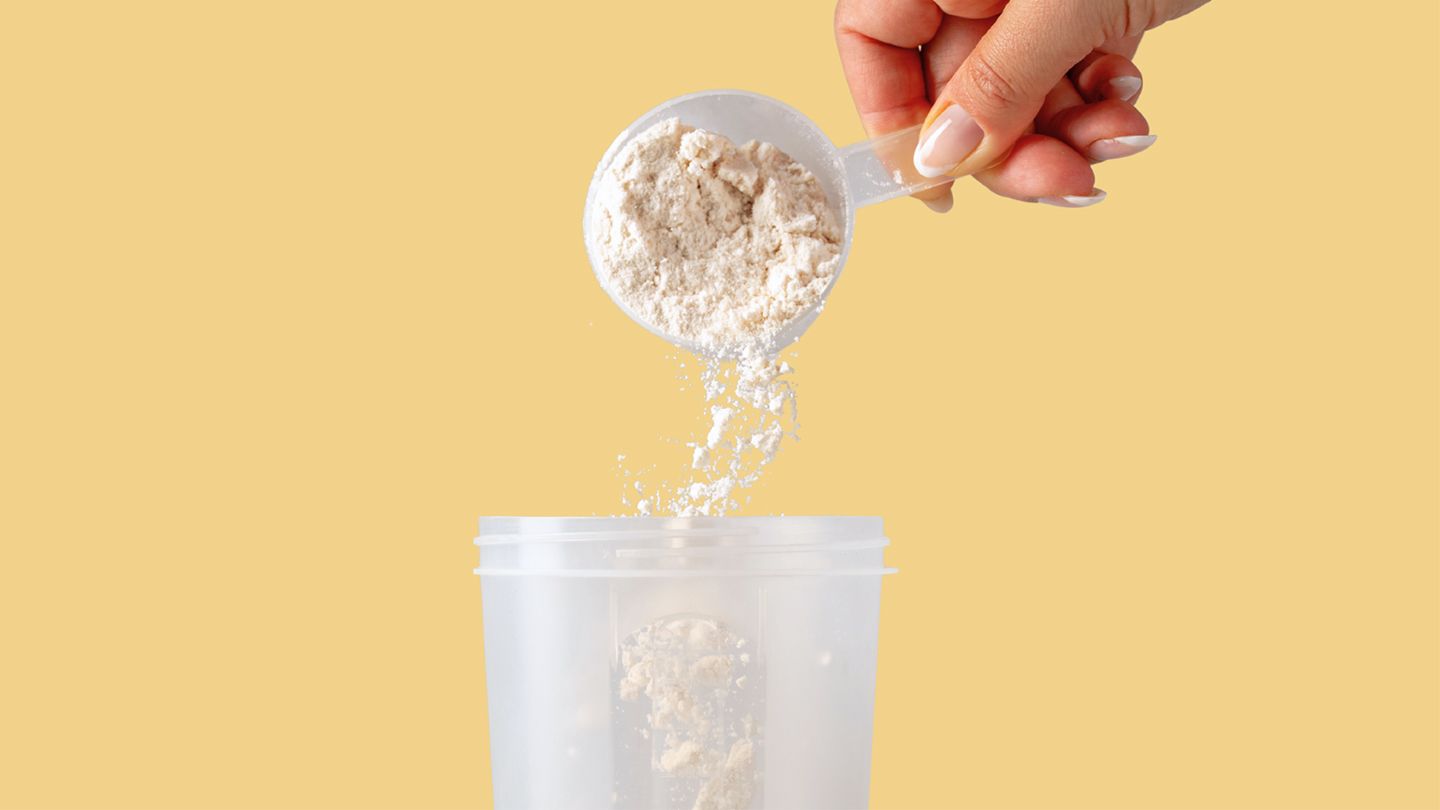
Are you noticing changes in your digestion after starting whey protein? Maybe you’re wondering, “Does whey protein constipate you?” You’re not alone.
Many people rely on whey to boost their fitness, but some face unexpected digestive issues. Understanding how whey protein affects your gut can help you avoid discomfort and keep your routine on track. Keep reading to discover the truth behind whey and constipation—and how you can enjoy your protein shake without worry.

Credit: levelsprotein.com
Whey Protein Basics
Whey protein is a popular supplement. It helps build muscle and boost energy. Some people worry about digestion problems.
Understanding whey protein can help you use it better. This includes types and how it works in the body.
Types Of Whey Protein
There are three main types of whey protein. Each type has unique features and benefits.
- Whey Protein Concentrate: Contains some fat and lactose. It is often flavored.
- Whey Protein Isolate: Has most fat and lactose removed. It is more pure.
- Whey Protein Hydrolysate: Easier to digest. It is often used in medical protein supplements.
How Whey Protein Works
Whey protein provides essential amino acids. These are important for muscle growth and repair.
When you consume whey protein, your body absorbs it quickly. This makes it a great post-workout choice.
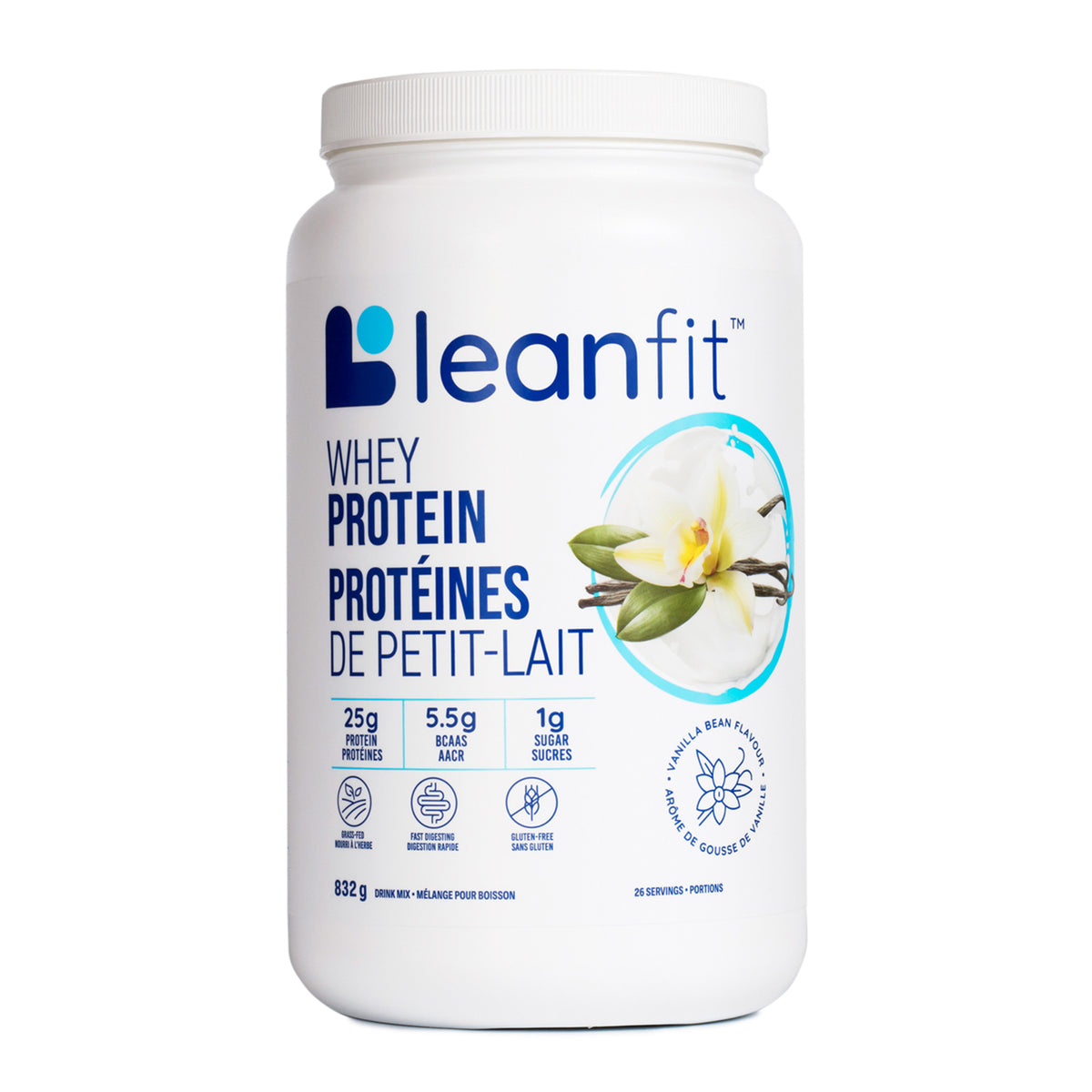
Credit: leanfit.ca
Constipation Causes
Constipation happens when bowel movements become hard and less frequent. Many things can cause it, including diet and lifestyle habits.
Some people wonder if whey protein causes constipation. It is important to understand what factors lead to constipation to see if whey protein plays a role.
Common Dietary Factors
Diet plays a big part in causing constipation. Eating too little fiber or too much protein can slow digestion. Some foods are harder to digest and can cause blockages.
Whey protein is high in protein but low in fiber. Eating large amounts without enough fiber can lead to constipation. Also, some people may react differently to dairy-based proteins.
- Low fiber intake slows bowel movements
- High protein diets may reduce stool bulk
- Not eating enough fruits and vegetables affects digestion
- Dairy sensitivity can cause digestive issues
Role Of Hydration And Fiber
Water and fiber are key to healthy digestion. Fiber adds bulk to stool and helps it pass easily. Water keeps stool soft and moves it through the intestines.
Without enough water, fiber cannot work well. Low hydration often causes hard stools and constipation. Drinking plenty of fluids helps prevent problems.
- Fiber sources: fruits, vegetables, whole grains
- Drink at least 8 glasses of water daily
- Balance protein with fiber and fluids
- Avoid excess caffeine or alcohol which dehydrate
Whey Protein And Digestion
Whey protein is a popular supplement for building muscle. Many people wonder if it causes digestion problems.
This article looks at how whey protein affects digestion and if it can cause constipation.
Impact On Gut Health
Whey protein can change how your gut works. It has nutrients that feed good bacteria in your intestines.
Some studies show whey protein may improve gut health by increasing helpful bacteria. This can support digestion and immune health.
Possible Digestive Side Effects
Some people may face digestion issues after taking whey protein. These can include bloating, gas, or constipation.
Constipation can happen if whey protein reduces water in the intestines or if you don’t drink enough fluids.
- Low water intake can worsen constipation
- Lactose intolerance may cause bloating or diarrhea
- Too much protein can slow digestion
- Fiber intake affects bowel movements
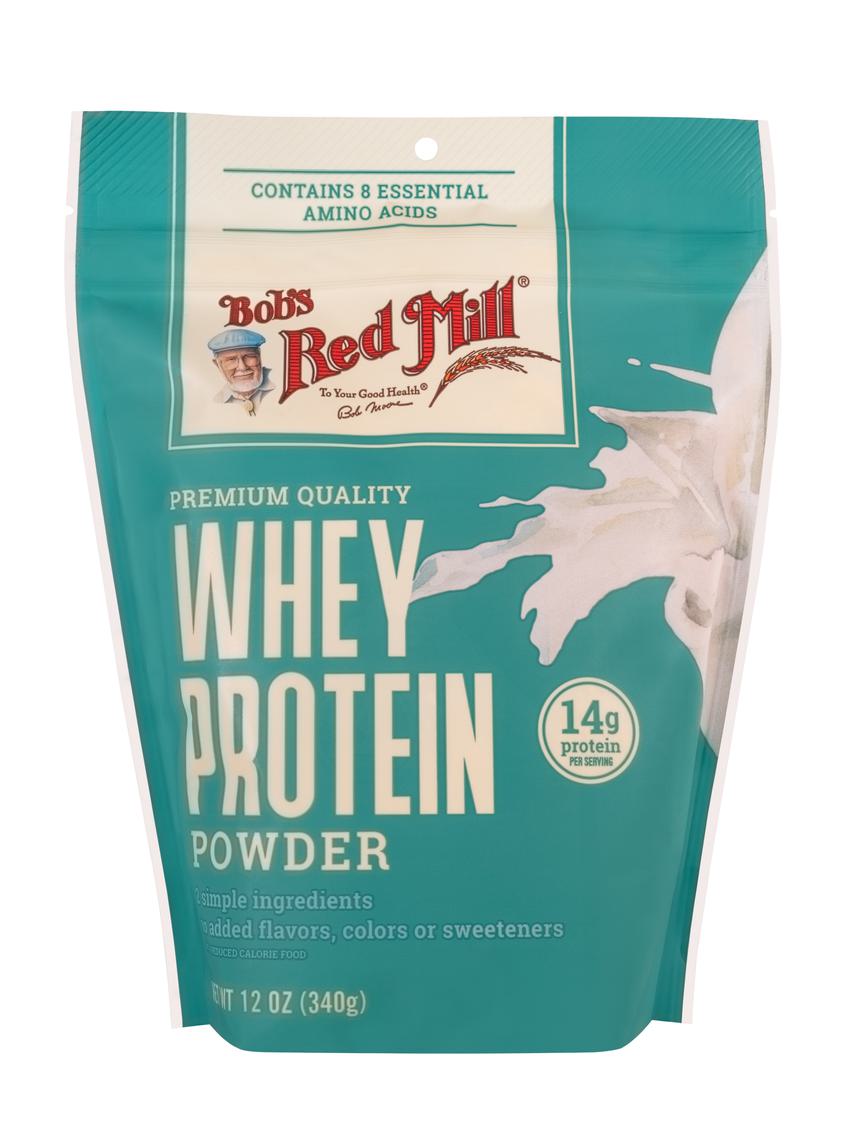
Credit: www.bobsredmill.com
Does Whey Protein Cause Constipation?
Many people use whey protein to build muscle and stay healthy. Some wonder if whey protein can cause constipation. This is a common concern for those new to protein supplements.
Constipation happens when bowel movements become hard or less frequent. We will look at what science says and what users report about whey protein and constipation.
Scientific Evidence
Studies show whey protein itself does not usually cause constipation. It is a high-quality protein that the body digests well. Most people do not have bowel issues from whey protein alone.
Some research suggests that lack of fiber and low water intake with whey protein use may lead to constipation. Fiber helps keep stools soft and easy to pass. Without enough fiber, protein supplements might make digestion harder.
- Whey protein is low in fiber
- Low fiber intake can cause constipation
- Drinking enough water helps digestion
- Adding fiber-rich foods can prevent issues
User Experiences And Reports
Some users report constipation when they start taking whey protein. This often happens if they do not drink enough water or eat enough fiber. Others say they feel fine with no bowel problems.
Many people find that increasing water and fiber intake reduces constipation. Some switch to plant-based proteins if whey causes discomfort. Overall, experiences vary from person to person.
- Constipation can happen if water is low
- Fiber intake affects bowel movements
- Some users switch protein types
- Most users do not have long-term problems
Reducing Constipation Risks
Whey protein is a popular supplement for building muscle. Some people worry it may cause constipation. There are ways to reduce this risk and keep digestion smooth.
Understanding how to adjust your whey intake and combine it with fiber and fluids helps prevent constipation. Small changes can make a big difference in how your body reacts.
Adjusting Whey Intake
Taking too much whey protein at once can lead to constipation. Your body needs time to digest the protein properly. Try to spread your intake throughout the day.
Start with smaller amounts and watch how your body responds. If you feel any digestive issues, lower your dose and increase slowly over time.
- Divide protein into smaller servings
- Avoid very high doses in one sitting
- Listen to your body’s reaction
- Increase intake gradually
Combining With Fiber And Fluids
Fiber helps keep your digestive system moving. Eating enough fiber with whey protein can prevent constipation. Drinking plenty of water also supports digestion.
Include fruits, vegetables, and whole grains in your diet. These foods add fiber that balances protein intake. Drink water before and after taking whey protein.
- Eat fiber-rich foods daily
- Drink at least 8 cups of water a day
- Combine whey with meals that have fiber
- Avoid taking whey with little or no fluids
Alternatives To Whey Protein
Some people find that whey protein can cause constipation. There are other protein options to try. These alternatives may be easier to digest.
Choosing the right protein helps keep your digestion smooth. You can pick from plant-based or other protein supplements.
Plant-based Proteins
Plant-based proteins come from sources like peas, rice, and hemp. They usually contain fiber, which helps digestion.
These proteins are good if you want to avoid dairy or animal products. They are less likely to cause constipation.
- Pea protein is rich in iron and easy to digest
- Rice protein has all essential amino acids
- Hemp protein contains omega-3 fatty acids and fiber
- Soy protein offers a complete amino acid profile
Other Protein Supplements
Besides whey and plant proteins, there are other protein supplements. These include collagen, egg, and casein proteins.
Some of these options may be gentler on your stomach. They can offer different benefits depending on your needs.
- Collagen protein supports skin and joint health
- Egg protein is highly digestible and low in carbs
- Casein protein digests slowly and helps muscle recovery
- Beef protein isolate is dairy-free and rich in amino acids
Frequently Asked Questions
Does Whey Protein Cause Constipation In Everyone?
Whey protein does not cause constipation in everyone. Some people may experience it due to low fiber intake or dehydration. Proper hydration and balanced diet usually prevent constipation when consuming whey protein.
How Can Whey Protein Lead To Constipation?
Whey protein may lead to constipation if consumed in excess without enough water. It can slow digestion and reduce bowel movements, especially if fiber intake is low.
Can Mixing Whey Protein With Fiber Reduce Constipation?
Yes, mixing whey protein with fiber-rich foods helps prevent constipation. Fiber improves digestion and promotes regular bowel movements, balancing whey protein’s effects.
Is Constipation From Whey Protein Temporary Or Long-term?
Constipation from whey protein is usually temporary. Adjusting water intake and diet often resolves the issue quickly without long-term effects.
Conclusion
Whey protein does not always cause constipation. Some people may feel constipated due to low water intake. Drinking enough water helps keep digestion smooth. Eating fiber-rich foods also supports regular bowel movements. Everyone’s body reacts differently to whey protein. Pay attention to how your body responds.
Adjust your diet if you notice any discomfort. Whey protein can be part of a healthy diet. Stay hydrated and eat balanced meals for best results. Small changes can improve digestion and reduce issues. Keep your health in mind when using supplements.


