
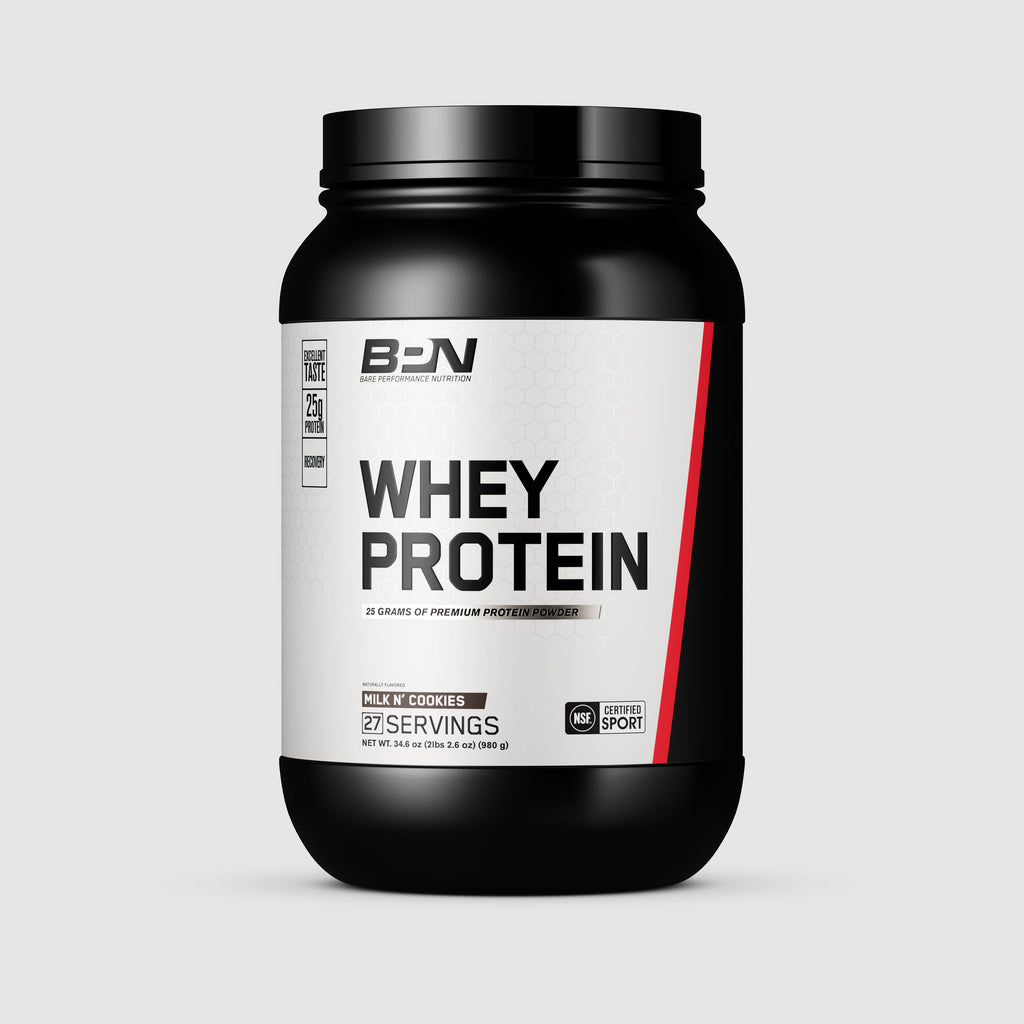
Are you wondering how many grams of whey protein you really need each day? Whether you’re aiming to build muscle, lose weight, or just stay healthy, getting the right amount of whey protein can make a huge difference.
Too little, and you might not see the results you want. Too much, and you could be wasting money or even risking your health. You’ll discover exactly how to find the perfect protein amount for your body and goals. Keep reading to unlock the simple secrets that can boost your progress and fuel your success.
Protein And Muscle Growth
Protein is essential for building and repairing muscles. It helps you grow stronger and recover faster after workouts.
Whey protein is a popular choice for athletes and fitness enthusiasts. It supports muscle growth and provides all essential amino acids.
Role Of Whey Protein
Whey protein is a complete protein. It contains all nine essential amino acids needed for muscle growth.
It is quickly absorbed by the body. This makes it an ideal choice for post-workout recovery.
- Supports muscle repair
- Boosts strength and endurance
- Helps in weight management
Muscle Protein Synthesis Explained
Muscle protein synthesis is the process where muscles grow and repair. It happens when your body creates new proteins.
Whey protein increases this process. It provides the necessary building blocks for muscle tissue.
| Protein Type | Absorption Rate |
| Whey Protein | Fast |
| Casein Protein | Slow |
Daily Protein Needs
Protein is important for your muscles and overall health. Whey protein is a popular way to add protein to your diet.
Knowing how many grams of whey protein you need daily helps you meet your body’s demands.
General Recommendations
Most healthy adults need about 0.8 grams of protein per kilogram of body weight each day. This includes all protein sources.
If you weigh 70 kg, you need about 56 grams of protein daily. Whey protein can help you reach this goal.
- 0.8 grams per kg for regular adults
- Higher amounts for active people
- Spread protein intake throughout the day
Factors Affecting Protein Requirements
Protein needs change based on age, activity, and health. Athletes and older adults may need more protein daily.
People recovering from illness or injury also require extra protein to heal and rebuild tissue.
- Activity level: more exercise means more protein
- Age: older adults need more protein
- Health: illness or injury increases protein need
- Body weight: heavier people need more protein
Optimal Whey Protein Intake
Whey protein is a popular supplement for building muscle and recovery. Knowing the right amount helps you reach your fitness goals.
Too little protein may slow progress. Too much can waste calories and money. Let’s find the best whey protein intake.
Effective Dosage Per Serving
Most people benefit from 20 to 30 grams of whey protein per serving. This amount supports muscle growth and repair effectively.
Taking less than 20 grams may not give enough amino acids. More than 30 grams in one dose does not increase muscle gain much.
- 20–30 grams per serving is ideal
- Smaller amounts may reduce benefits
- Large doses above 30 grams offer little extra muscle gain
Timing Of Protein Consumption
Timing protein intake helps improve muscle repair and growth. The best times are around your workouts and before sleep.
Consume whey protein within 30 minutes after exercise. This window helps your body use protein quickly to recover.
- Drink whey protein after workouts for faster recovery
- Have a serving before bed to support overnight muscle repair
- Distribute protein evenly throughout the day for steady growth

Credit: biochemprotein.com
Whey Protein And Workout Types
Whey protein helps your muscles grow and recover. The amount you need depends on your workout type.
Different workouts use your muscles in different ways. This affects how much whey protein is best.
Strength Training Impact
Strength training builds muscle by lifting heavy weights. Muscles need protein to repair and grow.
For strength training, 20 to 30 grams of whey protein after workouts is good. This helps muscles recover fast.
- Supports muscle repair
- Boosts muscle growth
- Reduces muscle soreness
Endurance Training Considerations
Endurance training uses long, steady effort like running or cycling. It burns energy and breaks down proteins.
Endurance athletes need about 15 to 25 grams of whey protein after workouts. This helps rebuild muscles and keep strength.
- Helps muscle recovery
- Maintains muscle mass
- Supports energy levels
Potential Risks And Limits
Whey protein is popular for muscle growth and recovery. Eating too much can cause problems.
It is important to know the risks and limits of whey protein intake. This helps keep you safe.
Excess Protein Effects
Eating more whey protein than your body needs can cause side effects. Your body may not use all the protein.
Too much protein can cause stomach pain, bloating, and gas. It can also lead to dehydration if you do not drink enough water.
- Upset stomach and nausea
- Gas and bloating
- Dehydration risk
- Possible weight gain from extra calories
Kidney Health Concerns
High protein intake can stress your kidneys, especially if you have kidney problems. Kidneys filter waste from the blood.
Too much protein makes kidneys work harder. This can cause damage over time in people with kidney disease or low kidney function.
- Increased kidney workload
- Risk of kidney damage for those with kidney issues
- Not a concern for healthy kidneys with normal intake

Credit: prodoughshop.com
Combining Protein With Diet
Whey protein helps many people reach their daily protein goals. Knowing how many grams to take is key for good results.
Combining protein with a balanced diet improves muscle growth and recovery. It also supports overall health.
Balancing Macronutrients
Your body needs protein, carbs, and fats to work well. Each macronutrient plays a special role in your health.
Protein helps build muscles. Carbs provide energy. Fats support brain and cell health. Balancing these is important.
- Eat enough protein to support your activity level
- Include healthy carbs for energy
- Choose good fats like nuts and olive oil
- Adjust protein grams based on your weight and goals
Whole Food Vs. Supplements
Whole foods give you protein with vitamins and minerals. Examples are chicken, fish, eggs, and beans.
Whey protein supplements offer a quick and easy way to add protein. They work well after workouts or when busy.
- Whole foods have fiber and other nutrients
- Supplements are fast to prepare and digest
- Use both to meet your protein needs
- Don’t rely only on supplements for nutrition

Credit: gorillamind.com
Frequently Asked Questions
How Many Grams Of Whey Protein Should I Take Daily?
Most adults benefit from 20 to 40 grams of whey protein daily. This supports muscle growth and recovery effectively. Individual needs vary based on activity level and diet.
Is 30 Grams Whey Protein Enough Post-workout?
Yes, 30 grams of whey protein post-workout is optimal. It helps repair muscles and promotes faster recovery. This amount suits most people’s fitness goals.
Can I Consume Whey Protein Every Day Safely?
Daily whey protein intake is safe for most healthy individuals. It supports muscle maintenance and overall nutrition. Ensure you balance it with a varied diet.
How Much Whey Protein Is Ideal For Weight Loss?
Around 20-30 grams of whey protein helps in weight loss. It boosts metabolism and preserves lean muscle mass. Combine with a calorie-controlled diet for best results.
Conclusion
Whey protein needs vary for each person and goal. Most adults benefit from about 20 to 30 grams per serving. Spread intake throughout the day for best results. Balance protein with healthy foods and exercise. Watch your body’s response and adjust as needed.
Keep protein intake within recommended daily limits. This helps build muscle and supports recovery. Stay consistent, and results will follow. Simple steps lead to stronger, healthier muscles.


