
Are you wondering if taking whey protein before and after your workout can boost your results? You’re not alone.
Many people ask the same question because timing your protein intake can make a big difference in muscle growth and recovery. Imagine getting the most out of every workout by simply adjusting when you drink your protein shake. You’ll discover the science behind whey protein timing and find out what works best for your body.
Keep reading to unlock the secret to maximizing your strength and energy!

Credit: www.quenchlabz.com
Benefits Of Whey Protein
Whey protein is a popular supplement for fitness enthusiasts. It helps improve workout results.
Taking whey protein before and after workouts can be beneficial. It supports muscle growth, recovery, and metabolism.
Muscle Growth And Repair
Whey protein provides essential amino acids. These acids help build and repair muscles after exercise.
Consuming whey protein can speed up muscle recovery. It helps you get back to your workouts sooner.
Enhanced Recovery
Protein helps reduce muscle soreness. This makes it easier to continue training without pain.
Whey protein supports faster recovery times. It allows for more consistent workout routines.
Boosted Metabolism
Whey protein can increase your metabolic rate. This helps burn more calories throughout the day.
A higher metabolism supports weight management. It is beneficial for both muscle gain and fat loss.
- Promotes muscle building
- Speeds up recovery
- Enhances metabolism
Timing Whey Protein Intake
Whey protein is popular for muscle growth and recovery. Knowing when to take it can help you get better results.
Timing your whey protein intake around your workout is important. It can affect how your body uses the protein.
Taking Whey Before Workout
Taking whey protein before your workout gives your muscles amino acids. This can help reduce muscle breakdown during exercise.
It is best to take whey 30 to 60 minutes before you start. This gives your body time to digest and absorb the protein.
- Supports muscle energy during workout
- May improve workout endurance
- Helps reduce muscle damage
Taking Whey After Workout
After your workout, muscles need to repair and grow. Whey protein helps by providing amino acids quickly.
It is best to take whey within 30 minutes after exercise. This time is called the “anabolic window” when your body is ready to build muscle.
- Speeds up muscle recovery
- Promotes muscle growth
- Refuels muscle energy stores
Comparing Pre And Post Workout Intake
Both pre and post workout whey intake have benefits. Pre workout helps during exercise, post workout helps after exercise.
Choosing when to take whey depends on your goals and schedule. Some people take it both times for best results.
| Timing | Benefits | Best For |
|---|---|---|
| Before Workout | Reduces muscle breakdown, boosts energy | Those who want endurance and less muscle damage |
| After Workout | Speeds recovery, helps muscle growth | Those focused on muscle repair and size |
| Both | Supports energy and repair | People with intense training routines |
How Whey Protein Affects Performance
Whey protein is a popular supplement for people who exercise. It helps the body recover and build muscle.
Taking whey protein before and after workouts can change how well you perform during exercise.
Energy Levels During Exercise
Whey protein provides amino acids that support energy production. It helps keep your muscles fueled during workouts.
Eating whey protein before exercise can reduce tiredness and keep your energy steady.
Muscle Endurance
Whey protein helps repair muscle damage and build strength. This support lets your muscles work longer without getting tired.
Taking whey protein after exercise helps muscles recover faster and prepares them for your next workout.
Reducing Muscle Soreness
Whey protein lowers muscle soreness by reducing inflammation. This makes it easier to move after hard workouts.
Consuming whey protein soon after exercise helps your muscles heal and feel less sore the next day.

Credit: www.londondaily.news
Choosing The Right Whey Protein
Whey protein helps support muscle growth and recovery. Picking the right type matters for your workout goals.
Knowing what to look for makes buying whey easier. Focus on quality, type, and how it tastes.
Types Of Whey Protein
There are three common types of whey protein. Each has different nutrients and uses.
Whey concentrate has more fat and carbs. It is cheaper but less pure.
Whey isolate has more protein and less fat. It is good for low-carb diets.
Whey hydrolysate is pre-digested. It absorbs faster but costs more.
- Whey Concentrate: 70-80% protein, some fat and carbs
- Whey Isolate: 90%+ protein, very low fat and carbs
- Whey Hydrolysate: Predigested, fast absorption
Quality Indicators
Check the label for protein content per serving. Higher protein means better quality.
Avoid whey with many fillers or added sugars. Pure whey supports muscle growth best.
- Protein content should be at least 70%
- Low sugar and fat levels are better
- Look for minimal added ingredients
- Third-party testing ensures purity
Flavor And Mixability
Good flavor makes whey easier to drink regularly. Choose flavors you like.
Mixability affects how smooth your shake feels. Whey that mixes well saves time.
- Try small samples before buying large tubs
- Look for whey that dissolves quickly in water or milk
- Simple flavors like vanilla or chocolate suit most tastes
Dosage And Frequency
Whey protein is popular for helping muscle growth and recovery. Knowing the right amount and timing can improve your workout results.
Taking whey protein before and after exercise depends on your fitness goals and workout routine.
Recommended Amounts
For most people, 20 to 30 grams of whey protein per serving is enough. This amount helps repair muscles and build strength.
Taking whey protein both before and after workouts can support energy and recovery.
- 20–30 grams before workout helps fuel muscles
- 20–30 grams after workout aids muscle repair
Daily Intake Limits
Most adults should not exceed 1.6 to 2.2 grams of protein per kilogram of body weight per day. This includes all protein sources.
Too much protein can stress your kidneys and cause digestive issues.
- Calculate your daily protein needs by multiplying your weight (kg) by 1.6–2.2
- Include protein from foods and supplements in your total
- Spread protein intake evenly throughout the day
Adjusting Based On Workout Intensity
Higher workout intensity means your body needs more protein to recover. You may increase whey protein intake on heavy training days.
Light or rest days require less protein since muscles do not need as much repair.
- On intense days, take 25–30 grams before and after workouts
- On moderate days, 15–20 grams per serving is enough
- On rest days, focus on balanced meals with protein from food
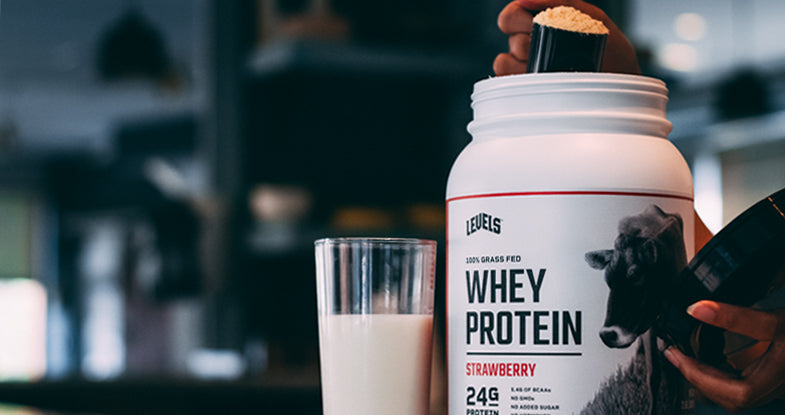
Credit: levelsprotein.com
Potential Side Effects
Whey protein is popular before and after workouts. It helps build muscles and recover faster.
Some people may experience side effects from whey protein. Knowing these helps you stay safe.
Digestive Issues
Whey protein can cause stomach problems for some people. This happens if your body has trouble digesting it.
Common digestive issues include bloating, gas, cramps, and diarrhea. These symptoms may occur after taking whey protein.
- Lactose intolerance can make symptoms worse
- Start with small amounts to test tolerance
- Choose whey protein isolate if lactose is a problem
Allergic Reactions
Some people are allergic to whey protein. This allergy can cause skin rashes, itching, or swelling.
Severe allergic reactions may include trouble breathing or swelling of the face. Seek medical help if this happens.
- Whey comes from milk, so milk allergy is a risk
- Read labels carefully for hidden whey ingredients
- Stop using whey if you notice allergic signs
Interactions With Other Supplements
Whey protein may interact with other supplements or medications. These interactions can affect how your body reacts.
For example, taking whey with certain antibiotics or osteoporosis drugs can reduce their effectiveness.
- Talk to a doctor before mixing whey with medicines
- Keep track of all supplements you take
- Follow recommended doses to avoid problems
Alternatives To Whey Protein
Whey protein is popular for workouts, but some people want other options. There are many alternatives for muscle building and recovery.
Choosing the right protein depends on your diet, allergies, and fitness goals. Explore different types to find what fits you best.
Plant-based Proteins
Plant-based proteins come from beans, seeds, and grains. They are good for people who avoid dairy or want a vegan option.
These proteins often contain fiber and extra nutrients. You may need to mix different sources to get all amino acids.
- Pea protein
- Rice protein
- Hemp protein
- Soy protein
- Chia seed protein
Whole Food Sources
Whole foods provide natural protein with vitamins and minerals. They support muscle growth and overall health.
Eating balanced meals with protein-rich foods can reduce the need for supplements. Whole foods digest slower, giving lasting energy.
- Chicken breast
- Eggs
- Greek yogurt
- Fish like salmon or tuna
- Beans and lentils
- Nuts and seeds
Other Protein Supplements
Besides whey, there are many protein powders from different sources. These can fit different dietary needs and preferences.
Some supplements mix several protein types to improve quality. They come in powders, bars, or ready-to-drink shakes.
- Casein protein
- Egg white protein
- Collagen peptides
- Mixed plant protein blends
- Beef protein isolate
Frequently Asked Questions
Should I Take Whey Protein Before Workout?
Yes, taking whey protein before a workout can boost muscle energy. It helps in muscle recovery and reduces muscle breakdown during exercise. Consuming it 30-60 minutes prior ensures your body has amino acids for muscle repair and growth.
Is Whey Protein Effective After Workout?
Whey protein is highly effective after a workout. It promotes muscle recovery and growth by providing essential amino acids. Consuming it within 30 minutes post-workout maximizes muscle protein synthesis and helps replenish energy stores.
How Much Whey Protein Should I Consume Daily?
Daily whey protein intake depends on your fitness goals and body weight. Generally, 20-30 grams per serving post-workout is effective. Total daily protein intake should be around 1. 2-2. 0 grams per kilogram of body weight for active individuals.
Can Whey Protein Replace A Meal Before Workout?
Whey protein can supplement but should not fully replace a meal before workouts. It provides quick protein but lacks sufficient carbs and fats needed for sustained energy. Pair whey with a balanced meal for optimal workout performance.
Conclusion
Whey protein can help your muscles recover and grow. Taking it before a workout gives your body fuel. Taking it after helps repair muscles faster. Both times have good benefits. Listen to your body and see what feels right. Combine protein with a healthy diet and regular exercise.
Consistency matters more than timing alone. Try different options to find your best routine. Keep it simple and enjoy your progress.


