

Are you wondering if you can safely include whey protein in your pregnancy diet? With so much advice out there, it’s easy to feel confused about what’s best for you and your baby.
You want to stay healthy and strong, but you also need to be sure that every supplement you take supports your pregnancy. This article will clear up the doubts and give you straightforward answers about whey protein while pregnant. Keep reading to discover what experts say and how you can make the best choice for your body and your baby’s growth.
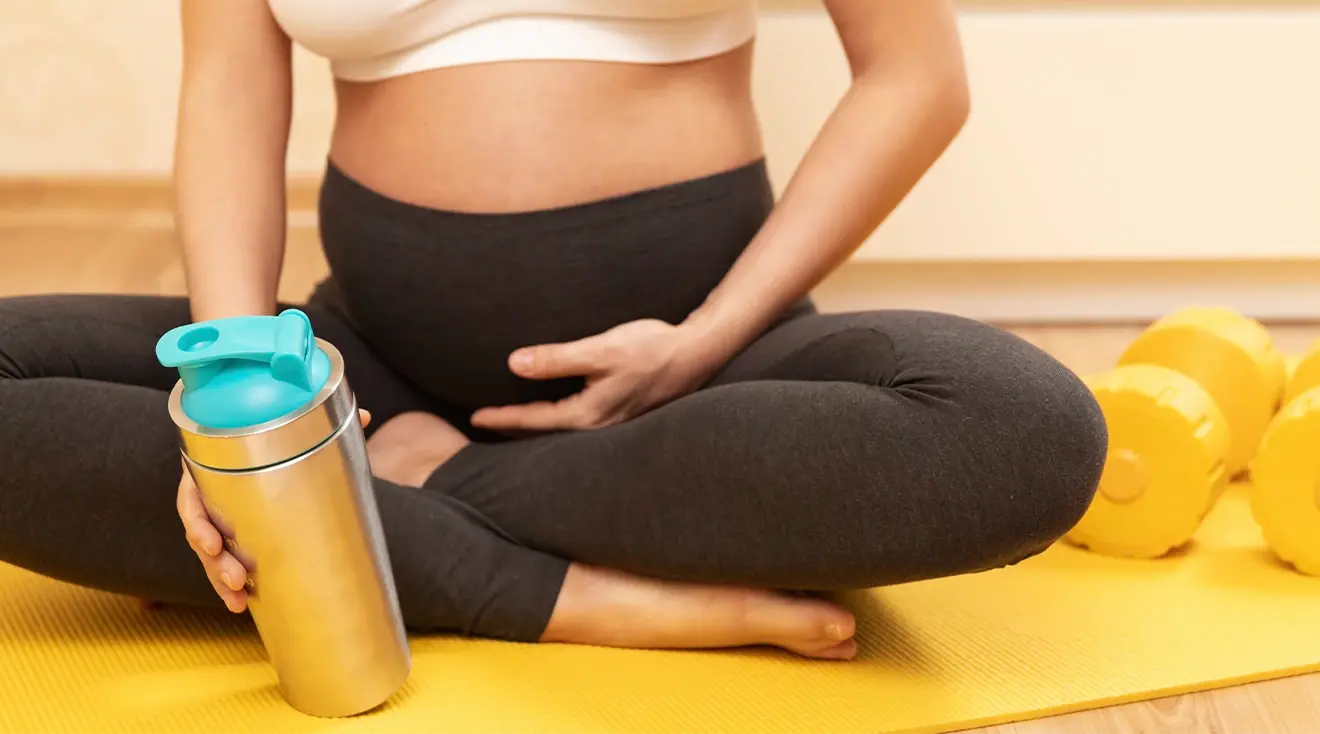
Credit: www.thebump.com
Whey Protein Basics
Whey protein is a popular supplement. Many people use it to boost their protein intake. Pregnant women often wonder if they can consume it safely.
This guide covers the basics of whey protein. Learn what it is, its types, and nutritional benefits.
What Is Whey Protein
Whey protein comes from milk. It is a byproduct of cheese-making. When milk is curdled, whey is the liquid that separates.
It is rich in essential amino acids. These are important for building muscles and tissues.
Types Of Whey Protein
Whey protein comes in different forms. Each has a unique processing method.
- Whey Protein Concentrate: Contains some fat and lactose.
- Whey Protein Isolate: Most of the fat and lactose are removed.
- Whey Protein Hydrolysate: Pre-digested for easier absorption.
Nutritional Benefits
Whey protein is high in protein and low in carbohydrates. It is a good source of essential amino acids.
It supports muscle growth and tissue repair. It also aids in the production of hormones and enzymes.
| Protein per serving | 20-30 grams |
| Amino acids | Essential for body functions |
Pregnancy Nutrition Needs
Pregnancy is a time when your body needs extra care and nutrition. Eating the right foods helps your baby grow strong and healthy.
Good nutrition supports your health and your baby’s development during pregnancy.
Key Nutrients For Pregnant Women
Pregnant women need more vitamins and minerals than usual. These nutrients help build the baby’s body and brain.
Important nutrients include iron, calcium, folic acid, and omega-3 fatty acids.
- Iron helps make more blood for you and your baby.
- Calcium builds strong bones and teeth.
- Folic acid prevents birth defects in the brain and spine.
- Omega-3 supports brain and eye development.
Protein Requirements During Pregnancy
Protein is very important when you are pregnant. It helps build your baby’s tissues and organs.
Pregnant women need about 70 grams of protein each day. This is more than usual.
- Protein supports muscle and tissue growth.
- It helps your body make enzymes and hormones.
- Good protein sources include meat, beans, eggs, and dairy.
- Whey protein can be a safe supplement if your doctor agrees.
Common Dietary Challenges
Many pregnant women face challenges with eating well. Morning sickness and food aversions can reduce appetite.
It can be hard to get all nutrients if you feel sick or tired.
- Morning sickness may make it hard to eat certain foods.
- Food cravings might lead to unhealthy choices.
- Some women have trouble eating enough protein or vitamins.
- Small, frequent meals can help manage these problems.
Whey Protein Safety In Pregnancy
Pregnant women need extra nutrients to support their baby’s growth. Protein is one important nutrient during pregnancy.
Many women ask if they can use whey protein safely while pregnant. This article explains what you need to know.
Is Whey Protein Safe For Pregnant Women
Whey protein can be safe for pregnant women if used properly. It helps meet daily protein needs, which are higher in pregnancy.
It is best to choose high-quality whey protein from trusted brands. Always check ingredient lists to avoid harmful additives.
Potential Risks And Allergies
Some pregnant women may have allergies to whey protein. Allergic reactions can include stomach upset or skin rash.
Too much protein can strain the kidneys. It may also cause digestive problems like gas or bloating in some women.
- Check for milk allergies before using whey protein
- Watch for any new symptoms after starting whey protein
- Consult your doctor if you have kidney problems
Recommended Dosage
Pregnant women usually need about 70 grams of protein daily. Whey protein can help reach this goal safely.
Limit whey protein to one serving per day, or about 20-25 grams of protein. Avoid taking large amounts at once.
- Follow package instructions for serving size
- Balance whey protein with whole foods like meat and beans
- Drink plenty of water to help kidney function
Choosing The Right Whey Protein
Pregnant women may consider whey protein to support their nutrition. Choosing the right whey protein is important for safety and health.
Not all whey proteins are safe during pregnancy. Check ingredients and quality before using any product.
Ingredients To Avoid
Some whey protein products have additives that may not be safe for pregnancy. Avoid artificial sweeteners, colors, and preservatives.
- Saccharin and sucralose
- Artificial dyes like Red 40 or Yellow 5
- Preservatives such as BHA and BHT
- Excess caffeine or stimulants
- High sugar content or fillers
Read labels carefully to avoid these ingredients. Choose products with simple, natural ingredients.
Organic And Clean Label Options
Organic whey protein comes from milk free of pesticides and hormones. Clean label means no artificial additives or chemicals.
- Look for USDA Organic certification
- Choose products with few ingredients
- Pick whey protein from grass-fed cows
- Avoid products with fillers or unknown substances
Organic and clean label options reduce exposure to harmful substances. They offer safer nutrition during pregnancy.
Consulting Healthcare Providers
Talk to your doctor before adding whey protein to your diet. They can advise on safe types and amounts for pregnancy.
Your healthcare provider knows your health history. They help avoid risks and ensure your baby’s safety.
Alternative Protein Sources
Pregnant women need enough protein for their health and baby’s growth. Whey protein is common but not the only option. Many safe alternatives provide good nutrition during pregnancy.
Choosing different protein sources helps keep meals interesting. It also supports a balanced diet for both mother and baby.
Plant-based Proteins
Plant-based proteins come from beans, nuts, seeds, and grains. They are rich in fiber and nutrients. These proteins support a healthy pregnancy diet without animal products.
- Lentils and chickpeas
- Quinoa and brown rice
- Chia seeds and flaxseeds
- Almonds, walnuts, and peanuts
- Tofu and tempeh
Combining different plant proteins helps get all essential amino acids. These sources are gentle on digestion and easy to add to meals.
Whole Food Protein Options
Whole foods provide protein with many other nutrients. They are less processed than powders or supplements. Eating whole foods supports steady energy and good health in pregnancy.
- Eggs
- Chicken and turkey
- Fish with low mercury
- Dairy products like yogurt and cheese
- Lean beef and pork
Whole foods often contain iron, calcium, and vitamins. These nutrients help baby’s growth and mother’s strength.
Combining Protein Sources
Mixing different protein types improves nutrition. It ensures the body gets all needed amino acids. This is important for baby’s development.
- Pair beans with rice or corn
- Add nuts or seeds to salads and cereals
- Use dairy or eggs with plant proteins
- Include fish or lean meat with vegetables
Eating a variety of proteins supports a balanced diet. It also helps avoid reliance on a single protein source.
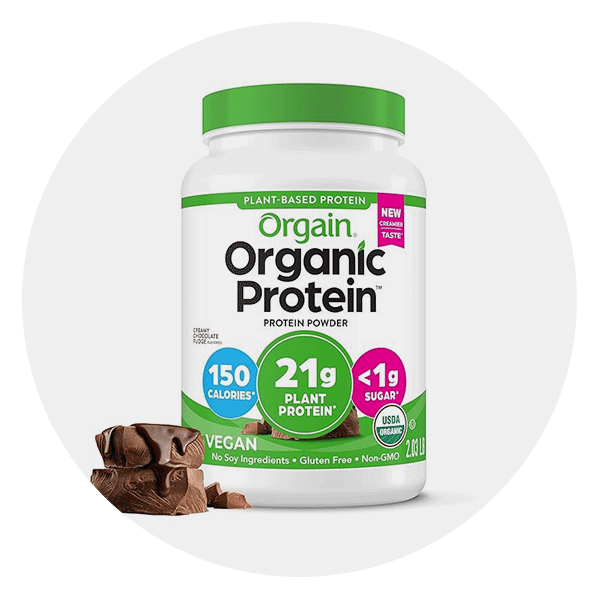
Credit: www.thebump.com
Incorporating Whey Protein In Pregnancy Diet
Pregnancy needs more nutrients to support baby growth. Whey protein can help add extra protein to your diet.
It is important to use whey protein safely and choose good recipes. This guide shares tips for pregnant women.
Safe Recipes And Ideas
Try mixing whey protein in smoothies with fruits and milk. This makes a tasty and healthy drink.
You can add whey protein to oatmeal or yogurt. It adds protein without changing the flavor much.
- Fruit and whey protein smoothie
- Oatmeal with whey protein and nuts
- Yogurt mixed with whey protein and berries
- Protein pancakes using whey protein powder
Timing And Frequency
Eat whey protein at times that fit your meals. It can be a snack or part of breakfast.
Limit whey protein to one or two servings daily. This helps keep your diet balanced and safe for baby.
- Use whey protein once or twice a day
- Include it with meals or snacks
- Avoid taking large amounts at once
Hydration And Supplement Balance
Drink plenty of water when using whey protein. Protein needs water to digest well and keep you healthy.
Balance whey protein with other nutrients. Do not replace whole foods or prenatal vitamins with protein powder.
- Drink at least 8 cups of water daily
- Take prenatal vitamins as your doctor advises
- Eat a variety of fruits, vegetables, and whole grains
- Use whey protein as a supplement, not a meal replacement

Credit: www.readysetgrownutrition.com
Frequently Asked Questions
Can Pregnant Women Safely Consume Whey Protein?
Yes, pregnant women can consume whey protein in moderation. It provides essential amino acids and supports fetal growth. Always consult your healthcare provider before adding supplements to your diet during pregnancy.
How Much Whey Protein Is Safe During Pregnancy?
A moderate intake of 20-30 grams per day is generally safe. Excessive protein may strain kidneys. Discuss personalized dosage with your doctor for best results.
Are There Any Risks Of Whey Protein While Pregnant?
Whey protein is usually safe but may cause allergies or digestive issues in some. Choose high-quality, unflavored products and monitor your body’s response closely.
What Are The Benefits Of Whey Protein In Pregnancy?
Whey protein helps build muscles, supports immune function, and promotes healthy fetal development. It also aids in meeting increased protein needs during pregnancy.
Conclusion
Whey protein can support your nutrition during pregnancy. Choose high-quality, safe products to avoid risks. Always talk to your doctor before adding supplements. Balanced meals remain the best way to get nutrients. Remember, your baby’s health comes first. Stay informed and listen to your body’s needs.
This helps ensure a healthy pregnancy journey. Simple choices lead to better outcomes for both. Keep your diet varied and nutritious every day.


