
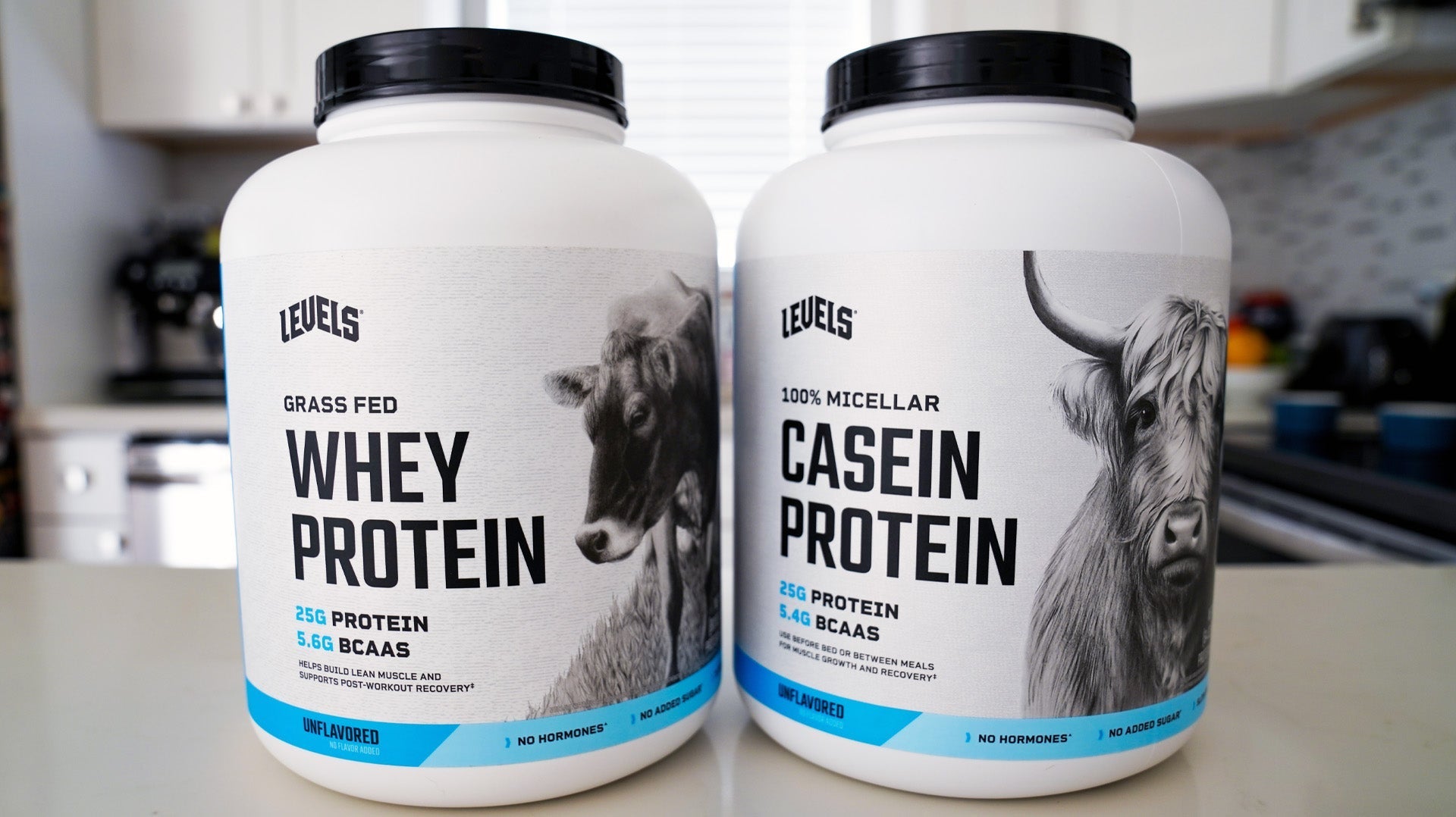
Are you trying to decide between casein protein and whey protein but feel overwhelmed by all the information out there? You’re not alone.
Choosing the right protein can make a big difference in your fitness results and how your body feels. Understanding the key differences between these two popular proteins will help you fuel your muscles better and reach your goals faster. Keep reading, and by the end of this article, you’ll know exactly which protein suits your needs—and why.

Credit: divinenutrition.in
Casein Protein Basics
Casein protein is a popular protein choice, especially among athletes. It is derived from milk and is known for its slow digestion rate.
This protein provides a steady release of amino acids. It is often used for muscle recovery and growth.
Sources And Composition
Casein protein is primarily found in cow’s milk. It makes up about 80% of the protein content in milk.
It contains essential amino acids needed for muscle repair. The protein is rich in glutamine and other important nutrients.
- Found in dairy products like milk and cheese
- High in essential amino acids
- Rich source of calcium
Digestion And Absorption
Casein digests slowly in the stomach. This slow digestion provides a sustained release of amino acids into the bloodstream.
This makes it ideal for use before fasting periods like sleep. The slow absorption helps in reducing muscle breakdown overnight.
- Slow digestion rate
- Sustained amino acid release
- Ideal for nighttime use
Common Uses
Casein protein is often used for muscle recovery. Athletes consume it to support muscle growth and repair.
It is also used to increase daily protein intake. People often mix it in shakes or recipes for added nutrition.
- Muscle recovery and growth
- Protein supplementation
- Added to shakes and recipes
Whey Protein Basics
Whey protein is a popular supplement for people who want to build muscle. It comes from milk and contains many important nutrients.
This protein is known for being easy to use and fast to digest. It helps the body recover after exercise.
Sources And Composition
Whey protein comes from milk during cheese making. It is the liquid part separated from the curds.
It has all nine essential amino acids. These are the building blocks for muscle growth and repair.
- Rich in branched-chain amino acids (BCAAs)
- Contains lactose, fat, and minerals in small amounts
- Available as concentrate, isolate, or hydrolysate
Digestion And Absorption
Whey protein digests quickly in the stomach and intestines. This speed helps muscles get nutrients fast.
It raises amino acid levels in the blood shortly after eating. This quick absorption supports muscle repair and growth.
Common Uses
People use whey protein to improve muscle recovery and strength. It is popular among athletes and fitness fans.
It also helps add protein to the diet. Many use it in shakes, smoothies, and recipes for easy nutrition.
- Post-workout recovery
- Meal replacement or snack
- Support for weight management
Nutritional Comparison
Casein protein and whey protein come from milk but digest differently. Both help build muscles but have unique nutrition.
Understanding their nutrients helps you pick the right protein for your needs.
Amino Acid Profiles
Both casein and whey provide all essential amino acids. Whey has more branched-chain amino acids (BCAAs).
BCAAs help with muscle repair and growth. Casein releases amino acids slowly over time.
- Whey protein is rich in leucine, isoleucine, and valine (BCAAs)
- Casein has a steady supply of amino acids for longer muscle support
- Both have all nine essential amino acids needed by the body
Calorie And Macronutrient Content
Calories in casein and whey are similar. Both are low in carbs and fat but vary slightly by brand.
Whey protein is absorbed fast, making it good after workouts. Casein digests slowly, ideal before sleep.
| Protein Type | Calories (per 30g) | Protein (g) | Carbs (g) | Fat (g) |
|---|---|---|---|---|
| Whey Protein | 110 | 24 | 2 | 1.5 |
| Casein Protein | 120 | 23 | 1 | 1.8 |

Credit: steelsupplements.com
Muscle Building Benefits
Casein and whey are two popular proteins used for muscle building. Both come from milk but work differently in the body. Understanding their benefits can help you choose the right protein for your goals.
Whey protein digests fast and boosts muscles quickly. Casein digests slow and feeds muscles for a long time. Each has unique uses for muscle growth.
Protein Synthesis Rates
Protein synthesis is how your body builds muscle. Whey protein raises protein synthesis quickly after eating. It sends amino acids fast to your muscles.
Casein releases amino acids slowly. It keeps protein synthesis steady for hours. This helps stop muscle breakdown during long periods without food.
- Whey gives a quick spike in muscle building
- Casein provides a slow, steady muscle supply
- Both help muscle growth but at different speeds
Timing And Effectiveness
Whey protein works best right after workouts. Your muscles need fast protein to recover and grow. Whey is ideal at this time.
Casein is best before long breaks like sleep. It feeds muscles over hours. This helps keep muscles strong and reduces breakdown.
- Use whey protein after exercise for quick repair
- Use casein protein before sleep for long-lasting support
- Combining both can help muscles at different times
Weight Management Effects
Casein protein and whey protein are two popular types of protein supplements. Both can help with weight management but in different ways.
Understanding how they affect hunger and fat loss can help you choose the right one for your goals.
Satiety And Appetite Control
Casein protein digests slowly, which helps you feel full for a longer time. This can reduce hunger between meals.
Whey protein digests quickly and may not keep hunger away as long as casein does.
- Casein creates a slow release of amino acids.
- Whey causes a fast spike in amino acids.
- Casein helps control appetite better over hours.
- Whey is good for quick recovery but less for long fullness.
Fat Loss Support
Both proteins can support fat loss by helping maintain muscle during calorie cuts. Muscle helps burn more calories.
Whey protein may boost metabolism more because it is absorbed faster and has more branched-chain amino acids.
- Casein helps prevent muscle breakdown during fasting.
- Whey supports quick muscle repair and growth.
- Both can increase calorie burn through muscle maintenance.
- Choose casein for longer hunger control during weight loss.
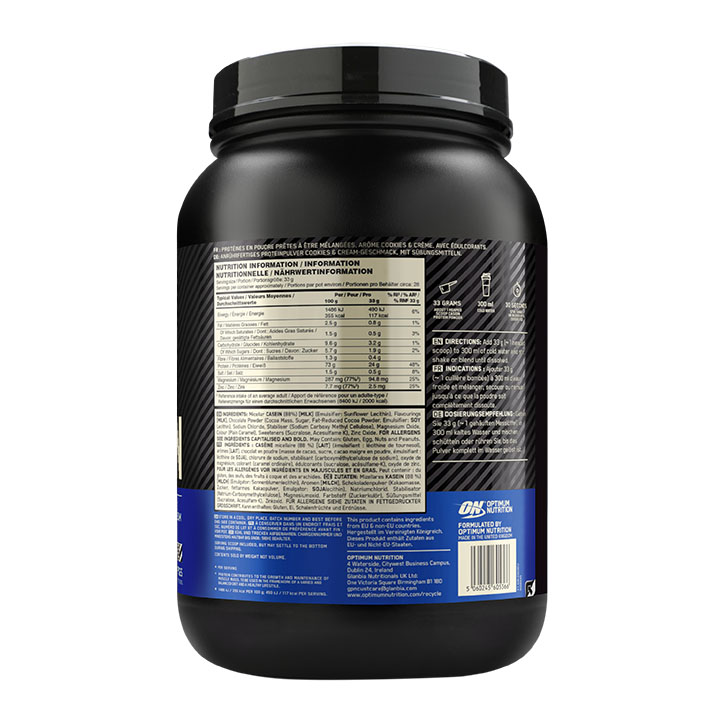
Credit: www.hollandandbarrett.com
Digestive And Allergic Considerations
Casein and whey protein come from milk but digest differently. Some people may have trouble with one or both. It is important to understand their effects on digestion and allergies.
This helps you choose the best protein for your body and avoid discomfort or allergic reactions.
Lactose Content
Whey protein has less lactose than casein. This makes whey easier to digest for many people. Casein contains more lactose, which can cause stomach upset in some.
People with lactose intolerance may feel bloated or have gas after consuming casein. Whey isolate is often lower in lactose than whey concentrate.
- Whey protein: Lower lactose, easier digestion
- Casein protein: Higher lactose, may cause discomfort
- Whey isolate: Very low lactose, good for sensitive stomachs
Allergy Risks
Both casein and whey are milk proteins and can cause allergies. Milk allergy is different from lactose intolerance. It involves the immune system reacting to milk proteins.
Casein may cause stronger allergic reactions because it stays longer in the body. Whey is digested faster but can still trigger allergies in sensitive people.
- Casein allergy: Can cause skin rashes, swelling, or breathing issues
- Whey allergy: May cause hives, stomach pain, or wheezing
- People with milk allergy should avoid both proteins
Cost And Availability
Casein and whey proteins are popular choices for people who want extra protein. Each has different costs and availability. Knowing these differences helps you decide which one fits your budget and needs.
Both proteins come from milk but vary in price and where you can buy them. Let’s look at these details closely.
Price Differences
Whey protein usually costs less than casein protein. It is made in larger amounts, so it is cheaper to produce. Casein protein takes more time to process, which adds to its price.
Prices can also change based on the brand and the quality of the product. Some whey proteins are very affordable, while some casein proteins are more expensive.
- Whey protein is generally less expensive
- Casein protein tends to cost more
- Brand and quality affect prices for both
Product Forms
Whey protein is available in many forms like powders, bars, and ready-to-drink shakes. This makes it easy to find in most stores and online.
Casein protein is mostly sold as powder. It is less common in bars or drinks. You might need to look harder to find casein products in some places.
- Whey protein comes in powders, bars, and shakes
- Casein protein is mostly powder form
- Whey protein is easier to find in stores
Choosing Between Casein And Whey
Casein and whey are two popular types of protein found in milk. Both help build muscles but work differently in the body.
Choosing the right protein depends on your needs and how your body uses them.
Personal Goals
If you want quick muscle recovery after a workout, whey protein is a good choice. It digests fast and delivers nutrients quickly.
Casein digests slowly. It is better if you want to stop muscle breakdown over a long time, like while sleeping.
- Choose whey for fast muscle repair.
- Choose casein to support muscles overnight.
- Use whey after exercise for quick protein.
- Use casein before bed for slow release.
Lifestyle Factors
Your daily routine affects which protein suits you. Whey works well if you eat many small meals and exercise often.
Casein fits better if you have long gaps between meals or want a snack that keeps you full longer.
- Whey is good for active people with frequent meals.
- Casein helps when meal times are far apart.
- Choose whey if you want quick energy and protein.
- Choose casein to feel full and reduce hunger.
Frequently Asked Questions
What Are The Main Differences Between Casein And Whey Protein?
Casein digests slowly, providing a steady amino acid release. Whey digests quickly, ideal for post-workout recovery. Casein is best for overnight muscle repair. Whey supports fast muscle synthesis. Both come from milk but serve different fitness needs.
Which Protein Is Better For Muscle Growth, Casein Or Whey?
Whey protein is generally better for rapid muscle growth. It absorbs quickly, boosting protein synthesis post-exercise. Casein supports muscle maintenance by slowly releasing amino acids. Combining both can maximize muscle growth and recovery effectively.
Can I Use Casein Protein Before Sleep?
Yes, casein is perfect before sleep. It digests slowly, feeding muscles for hours. This helps prevent muscle breakdown during fasting overnight. Many athletes take casein at night to improve recovery and muscle repair.
Is Whey Protein Suitable For People With Lactose Intolerance?
Whey protein isolate is low in lactose and often suitable for lactose-intolerant individuals. However, whey concentrate contains more lactose and may cause discomfort. Always check product labels and start with small doses if sensitive.
Conclusion
Casein and whey proteins serve different needs in your diet. Whey digests quickly, ideal after workouts. Casein breaks down slowly, good before sleep. Both provide essential amino acids for muscle growth. Choose based on your fitness goals and timing. Using the right protein helps improve recovery and strength.
Remember, balance and consistency matter most for results. Each protein type plays a unique role in your health journey. Consider your lifestyle to pick what fits best. Keep it simple and stay committed to your routine.


