
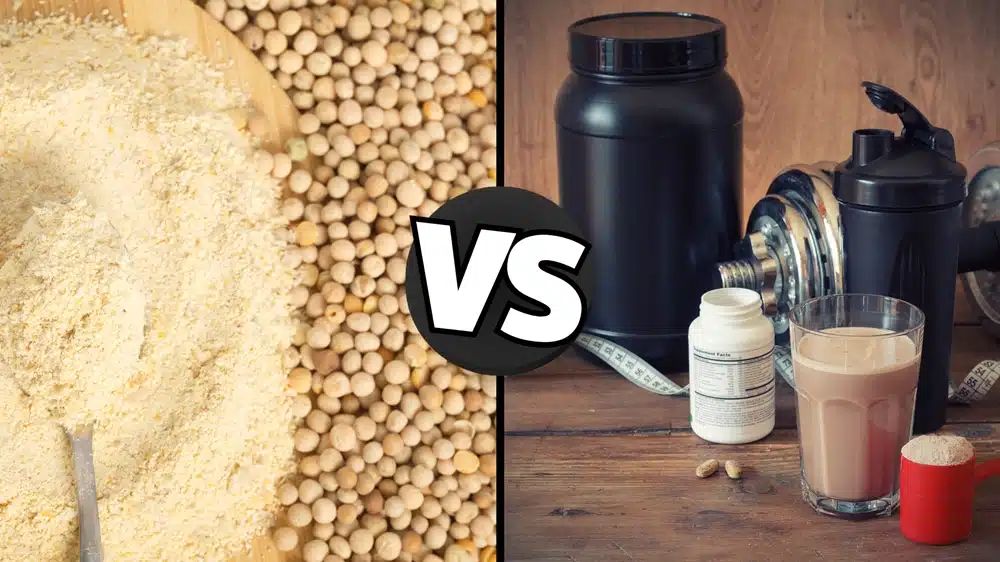
Are you wondering whether whey or pea protein is the best choice for your fitness goals? Choosing the right protein can be confusing with so many options out there.
But what if you could easily find the one that fits your body, lifestyle, and nutrition needs? This article will break down the key differences between whey and pea protein, helping you make a clear, confident decision. Keep reading to discover which protein suits you best and how it can boost your results faster than you expect.
Protein Basics
Protein is essential for building and repairing muscles. It is important in diets for athletes and everyday people.
Whey and pea protein are popular choices. They offer different benefits and features.
What Is Whey Protein
Whey protein comes from milk. It is a byproduct of cheese production. It contains all essential amino acids.
Whey is quickly absorbed by the body. This makes it a favorite for post-workout recovery.
What Is Pea Protein
Pea protein is made from yellow peas. It is plant-based and suitable for vegans. It is hypoallergenic.
Pea protein supports muscle growth. It is rich in iron and other nutrients.
Protein Quality Comparison
Protein quality is measured by amino acid content and digestibility. Whey protein scores high in both.
Pea protein is slightly lower in some amino acids. It is still a good choice for many people.
- Whey protein: fast absorption, complete amino acids
- Pea protein: plant-based, iron-rich, allergen-free

Credit: www.reddit.com
Nutritional Profiles
Whey protein and pea protein are popular choices for many people. Both offer good nutrition but differ in some key ways.
Understanding their differences helps you pick the right protein for your needs.
Amino Acid Content
Whey protein contains all essential amino acids. It is a complete protein that supports muscle growth well.
Pea protein has most essential amino acids but is lower in methionine. It is almost complete but slightly less balanced.
- Whey protein: complete with all essential amino acids
- Pea protein: nearly complete, lower in methionine
- Both good for muscle repair and growth
Digestibility And Absorption
Whey protein is quickly absorbed by the body. It digests fast, making it ideal after workouts.
Pea protein digests slower. This can help keep you full longer but may not be best right after exercise.
- Whey protein: fast digestion and absorption
- Pea protein: slower digestion, longer fullness
- Whey suits quick recovery needs
Calorie And Macronutrient Breakdown
Both proteins have similar calories per serving. They provide mostly protein with little fat and carbs.
Pea protein usually has more carbohydrates and fiber than whey. Whey often has slightly more protein per scoop.
| Protein Type | Calories (per 30g) | Protein (g) | Carbs (g) | Fat (g) | Fiber (g) |
|---|---|---|---|---|---|
| Whey Protein | 120 | 24 | 2 | 1.5 | 0 |
| Pea Protein | 130 | 22 | 5 | 2 | 1.5 |
Health Benefits
Whey and pea protein are popular choices for people who want to add more protein to their diets. Both have health benefits that support fitness and wellness.
Choosing between whey and pea protein depends on your body needs and health goals. This guide explains their differences in simple terms.
Muscle Growth And Recovery
Whey protein is rich in essential amino acids. It helps build and repair muscles quickly after exercise.
Pea protein also supports muscle growth. It contains all nine essential amino acids, but in slightly lower amounts than whey.
- Whey absorbs fast, aiding quick recovery
- Pea protein digests slower, giving steady muscle support
- Both help increase muscle strength and size
Allergy And Sensitivity Considerations
Whey protein comes from milk and can cause allergies for some people. It may also contain lactose, which can upset digestion.
Pea protein is plant-based and is less likely to cause allergies. It is a good choice for those with dairy or lactose intolerance.
- Whey may trigger dairy allergies
- Pea protein is hypoallergenic and vegan-friendly
- Check labels for added ingredients if sensitive
Impact On Digestion
Whey protein is generally easy to digest but can cause bloating in people with lactose intolerance. It may lead to gas or discomfort in some cases.
Pea protein is high in fiber and usually gentle on the stomach. It supports digestion and does not cause lactose-related issues.
- Whey digests quickly but may cause lactose problems
- Pea protein digests slower and supports gut health
- Choose based on your digestion comfort
Environmental Impact
Choosing the right protein involves thinking about the environment. Both whey and pea protein affect the planet differently. Understanding their impact helps make better choices.
This section looks at the sustainability of whey production and the environmental footprint of pea protein.
Sustainability Of Whey Production
Whey protein comes from milk during cheese making. It uses resources like water and land to raise cows. These resources cause greenhouse gas emissions.
Most environmental effects come from raising dairy cows. Cows produce methane, a strong gas that warms the earth. Dairy farms also need lots of water and feed crops.
- High water use for cows and crops
- Land needed for grazing and feed
- Methane gas from cows
- Energy used in processing whey
Environmental Footprint Of Pea Protein
Pea protein comes from yellow peas grown on farms. Peas use less water and land than cows. They also help improve soil health by fixing nitrogen.
Growing peas produces fewer greenhouse gases. The plants need less fertilizer and reduce the need for extra chemicals. Pea protein has a smaller carbon footprint overall.
- Low water use for growing peas
- Less land needed than animal farming
- Peas improve soil by adding nitrogen
- Lower greenhouse gas emissions
Taste And Texture
Choosing between whey and pea protein often depends on taste and texture. Both have unique qualities that affect how you enjoy them.
Understanding these differences can help you pick the right protein for your needs and preferences.
Flavor Profiles
Whey protein has a mild, creamy flavor. It often tastes like milk or yogurt. Many people find it easy to mix with other flavors.
Pea protein has an earthier taste. It can be slightly bitter or grassy. Some brands add flavors to mask this natural taste.
- Whey protein: creamy, mild, dairy-like
- Pea protein: earthy, slightly bitter, plant-like
Mixability And Culinary Uses
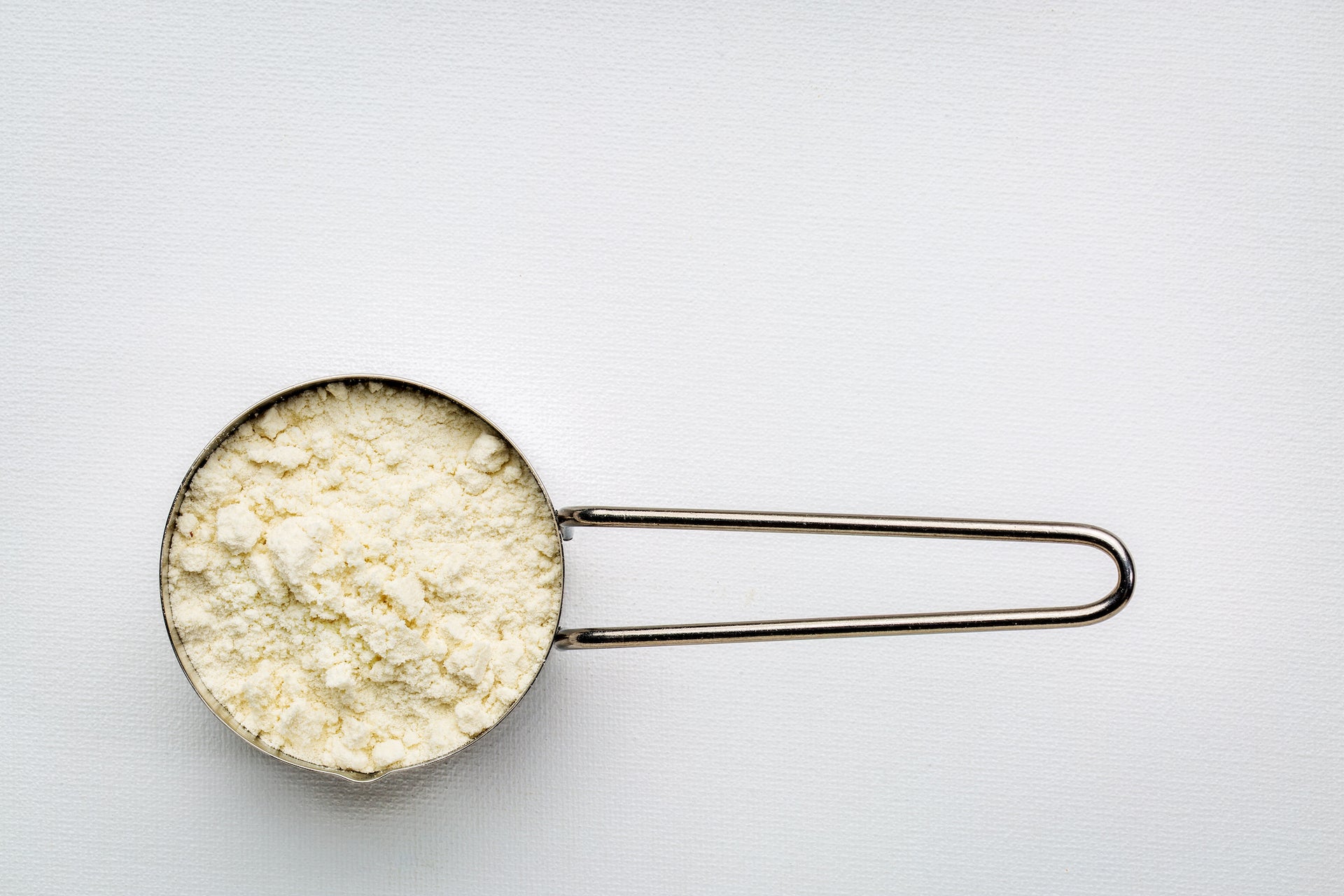
Whey protein dissolves quickly in liquids. It blends well in shakes and smoothies without clumps. This makes it ideal for drinks and recipes needing smooth texture.
Pea protein can be thicker and grainier. It may need more stirring or blending. It works well in baking and cooking where texture is less noticeable.
- Whey protein: smooth mix, good for drinks
- Pea protein: thicker, good for baking and cooking
Credit: swolverine.com
Cost And Accessibility
Whey and pea protein are popular protein powders. Many people want to know which one costs less and is easier to find.
This section explains the price and availability of whey and pea protein in stores and online.
Price Comparison
Whey protein usually costs less than pea protein. This is because whey is made from milk, which is cheaper to process.
Pea protein comes from peas, and its production can be more expensive. Prices vary depending on the brand and quality.
- Whey protein price range: $10 to $30 per pound
- Pea protein price range: $15 to $40 per pound
- Buying in bulk lowers costs for both proteins
Availability In Markets
Whey protein is widely available in most supermarkets, health stores, and online shops. It is a common choice for many buyers.
Pea protein is also becoming more common but may be harder to find in regular stores. Specialty stores and online retailers sell pea protein more often.
- Whey protein: found in almost all grocery and supplement stores
- Pea protein: mostly in health food stores and online
- Online shopping offers more options for both proteins
Who Should Choose Which
Choosing between whey and pea protein depends on your lifestyle and goals. Both have benefits and suit different needs.
Understanding who should pick each type helps you get the right nutrition for your body.
For Athletes
Athletes need protein to build and repair muscles. Whey protein is fast-absorbing and rich in essential amino acids.
Whey is ideal for quick recovery after workouts. Pea protein digests slower but still supports muscle growth well.
- Whey protein helps with fast muscle repair
- Pea protein supports steady muscle recovery
- Whey has more branched-chain amino acids (BCAAs)
For Vegans And Vegetarians
Vegans and vegetarians avoid animal products, so whey protein is not an option. Pea protein is plant-based and fits their diet.
Pea protein provides good protein quality and is free from dairy allergens. It is a clean source for plant-based diets.
- Pea protein is 100% plant-based
- Whey protein comes from milk, not vegan
- Pea protein suits dairy-free lifestyles
For Those With Dietary Restrictions
People with lactose intolerance or dairy allergies should avoid whey protein. Pea protein is dairy-free and easier to digest.
Whey protein may cause stomach issues for sensitive individuals. Pea protein is hypoallergenic and gentle on the gut.
- Whey protein contains lactose
- Pea protein is free from common allergens
- Pea protein works well for sensitive digestion

Credit: www.gainful.com
Frequently Asked Questions
Which Protein Is Better For Muscle Building, Whey Or Pea?
Whey protein is superior for muscle building due to its complete amino acid profile. Pea protein supports muscle growth but lacks some essential amino acids. Whey is absorbed faster, making it ideal post-workout, while pea suits those with dietary restrictions.
Is Pea Protein A Good Alternative To Whey?
Yes, pea protein is an excellent alternative for those allergic to dairy or vegan. It provides high protein content, is easily digestible, and supports muscle repair, making it a popular plant-based option.
Which Protein Digests Faster, Whey Or Pea Protein?
Whey protein digests faster than pea protein. Whey is quickly absorbed, providing rapid amino acids to muscles. Pea protein digests slower, offering a more prolonged release of nutrients, which can aid in sustained muscle recovery.
Are There Any Allergen Concerns With Whey Or Pea Protein?
Whey protein contains dairy, which can cause allergies or lactose intolerance issues. Pea protein is hypoallergenic and suitable for most people, including those with dairy or soy allergies, making it a safer choice for sensitive individuals.
Conclusion
Both whey and pea protein offer unique benefits for your health. Whey protein digests quickly and supports muscle growth well. Pea protein suits those who avoid dairy or want plant-based options. Your choice depends on diet, allergies, and personal goals.
Try both to see which your body prefers. Balance and consistency matter most for good results. Choose what fits your lifestyle and feels best for you.


