
Are you wondering if whey protein powder will make you gain weight? It’s a common question that many people have before adding this supplement to their routine.
You might have heard mixed opinions, and it’s easy to feel confused. The truth is, whey protein itself doesn’t automatically lead to weight gain. But how you use it, and what else you eat, can make a big difference. Keep reading to find out exactly how whey protein powder affects your body and what you need to know to reach your fitness goals without unwanted weight gain.
How Whey Protein Affects Body Weight
Whey protein is a popular supplement for many. It helps people meet their protein needs. Some worry it might make them gain weight. Let’s explore how it affects body weight.
Understanding whey protein’s effect on weight is important. It can support muscle growth and overall health. But does it lead to weight gain? Let’s take a closer look.
Calories And Weight Gain
Whey protein contains calories. Consuming more calories than you burn leads to weight gain. A scoop of whey protein usually has around 100-150 calories.
If you add it to your diet without adjusting other foods, you might gain weight. Balance your calorie intake to maintain your current weight.
Muscle Mass Vs Fat Gain
Whey protein helps build muscle. More muscle can lead to weight gain, but not fat gain. Muscle weighs more than fat, so your weight might increase.
Focus on exercise and protein intake for muscle growth. This way, you build muscle, not fat. Whey protein supports this process effectively.
- Protein helps repair and build muscles.
- Exercise is key for muscle gain.
- Monitor calorie intake to avoid fat gain.

Credit: www.gq.com
Factors Influencing Weight Changes
Whey protein powder can affect your weight, but many things matter. Weight changes depend on more than just protein intake.
Understanding these factors helps you use whey protein wisely. It also shows why results differ for each person.
Diet And Calorie Intake
Your overall diet affects weight gain or loss when using whey protein. If you eat more calories than you burn, you gain weight.
Whey protein adds calories. If you do not adjust your food intake, you may gain fat instead of muscle.
- Count total daily calories to control weight
- Balance protein with carbs and fats
- Avoid eating extra calories unknowingly
Exercise And Activity Levels
Exercise changes how your body uses whey protein. Active people burn more calories and build muscle better.
Without exercise, extra protein calories can turn into fat. Regular workouts help turn protein into muscle, not fat.
- Weight training increases muscle growth
- Cardio helps burn extra calories
- Stay active to balance protein intake
Individual Metabolism
Each person has a different metabolism speed. Some burn calories faster, some slower, affecting weight changes.
Metabolism affects how your body uses protein and stores fat. Faster metabolism may reduce weight gain from whey protein.
- Genetics influence metabolic rate
- Age and hormones affect metabolism
- Metabolism changes with lifestyle
Types Of Whey Protein And Their Impact
Whey protein comes in different types. Each type affects your body in its own way.
Knowing the types helps you understand if whey protein will make you gain weight.
Concentrate
Whey protein concentrate has some fat and carbs. It has about 70-80% protein.
This type can add calories from fat and carbs. That might cause weight gain if you eat too much.
Isolate
Whey protein isolate has more protein, usually over 90%. It has less fat and carbs.
Isolate adds fewer calories. It is less likely to cause weight gain than concentrate.
Hydrolysate
Hydrolysate is pre-digested whey protein. It absorbs faster and has similar protein levels to isolate.
This type usually has low fat and carbs. It adds fewer calories and is less likely to cause weight gain.
Additives And Sweeteners
Some whey protein powders have added sugars and artificial sweeteners. These can increase calories.
Extra calories from additives can cause weight gain if you consume them often.
- Sugars add calories and can increase weight
- Artificial sweeteners add taste but few calories
- Other additives may affect digestion or taste
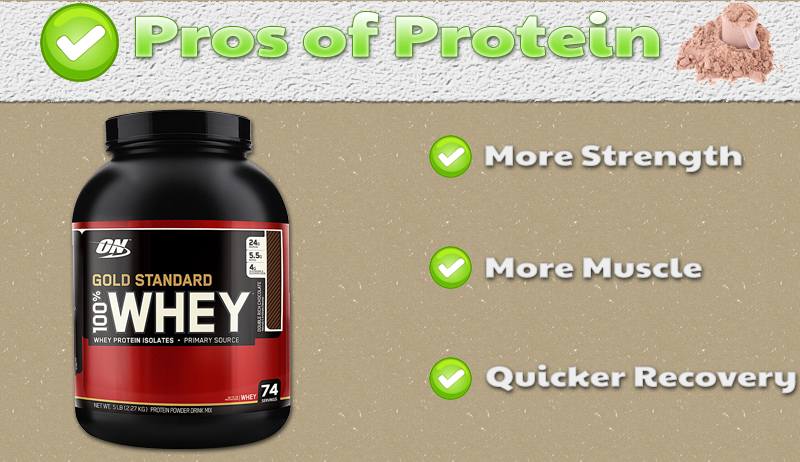
Credit: medium.com
Common Myths About Whey Protein And Weight
Many people think whey protein automatically causes weight gain. This is not true. Whey protein is a supplement that helps add protein to your diet.
Understanding how whey protein works can clear up confusion about its effects on weight. Let’s look at some common myths.
Protein Alone Causes Fat Gain
Eating protein by itself does not make you gain fat. Weight gain happens when you consume more calories than you burn. Protein can help build muscles and keep you full longer.
Whey protein adds calories, but it is not fattening if used correctly. It depends on your total daily food intake and activity level.
- Protein supports muscle growth
- Calories from any food can cause weight gain if too many are eaten
- Whey protein alone won’t cause fat gain without extra calories
Whey Protein Is Only For Bodybuilders
Whey protein is popular with bodybuilders but it is not just for them. Anyone who needs more protein can use whey protein. This includes people who want to stay healthy or lose weight.
Whey protein is a quick and easy way to add protein to your meals. It can help with muscle repair after exercise for many people, not just athletes.
- Helps people with busy lifestyles get enough protein
- Supports muscle recovery after any exercise
- Can be part of a balanced diet for all ages
Tips For Using Whey Protein Without Gaining Fat
Many people wonder if whey protein powder makes them gain weight. Using whey protein right can help build muscle without adding fat. It is important to balance your diet and exercise along with protein intake.
This guide gives simple tips to use whey protein safely. Follow these steps to support your fitness goals without unwanted weight gain.
Balancing Protein Intake
Taking the right amount of protein is key. Too much protein can turn into extra calories and fat. Eat enough protein to support your muscles but not too much.
Use your body weight to find the right amount. About 0.8 to 1 gram of protein per pound of body weight is enough for most people.
- Weigh yourself to estimate protein needs
- Spread protein intake evenly throughout the day
- Include protein from both whey and food sources
Timing Your Protein Consumption
When you take whey protein matters. Eating protein after workouts helps your muscles recover and grow. This can reduce fat gain by using protein effectively.
Try to consume protein within 30 to 60 minutes after exercise. This timing supports muscle repair and better weight control.
- Use whey protein as a post-workout snack
- Have protein with meals to feel full longer
- Avoid late-night protein if you are not active
Combining With A Healthy Lifestyle
Whey protein alone does not cause fat gain. Eating healthy foods and exercising keep your body fit. Use whey as part of a balanced lifestyle for best results.
Drink plenty of water and sleep well. Avoid too many sugary or fatty foods. Regular workouts help your body use protein and burn fat.
- Eat fruits, vegetables, and whole grains daily
- Exercise at least 3 times a week
- Stay hydrated and get 7-8 hours of sleep

Credit: www.gainful.com
Frequently Asked Questions
Does Whey Protein Powder Cause Weight Gain?
Whey protein powder itself does not cause weight gain. Weight gain happens when you consume more calories than you burn. Whey protein helps build muscle and supports recovery, which can increase metabolism. Proper portion control and balanced diet are key to avoiding unwanted weight gain.
How Does Whey Protein Affect Body Weight?
Whey protein supports muscle growth and repair, which can increase lean body mass. It can also help control appetite, reducing overeating. When combined with exercise, whey protein can promote a healthy body composition rather than just increasing fat or overall weight.
Can Whey Protein Powder Increase Fat Mass?
Whey protein alone is unlikely to increase fat mass. Fat gain occurs from excess calorie intake, regardless of the source. Using whey protein as part of a balanced diet and exercise plan helps maintain or improve body composition without adding unwanted fat.
Is Whey Protein Suitable For Weight Loss?
Yes, whey protein can aid weight loss by boosting metabolism and preserving muscle. It helps reduce hunger and cravings, making it easier to stick to a calorie deficit. Including whey protein in meals or snacks supports fat loss while maintaining muscle mass.
Conclusion
Whey protein powder itself does not cause weight gain. Weight gain happens when you eat more calories than you burn. Using whey can help build muscle when combined with exercise. It can also support recovery after workouts. Choosing the right amount matters most for your goals.
Balance your diet and stay active for best results. Remember, protein is a tool, not a magic solution. Watch your overall food intake to manage weight well. Whey protein can be part of a healthy lifestyle.


