
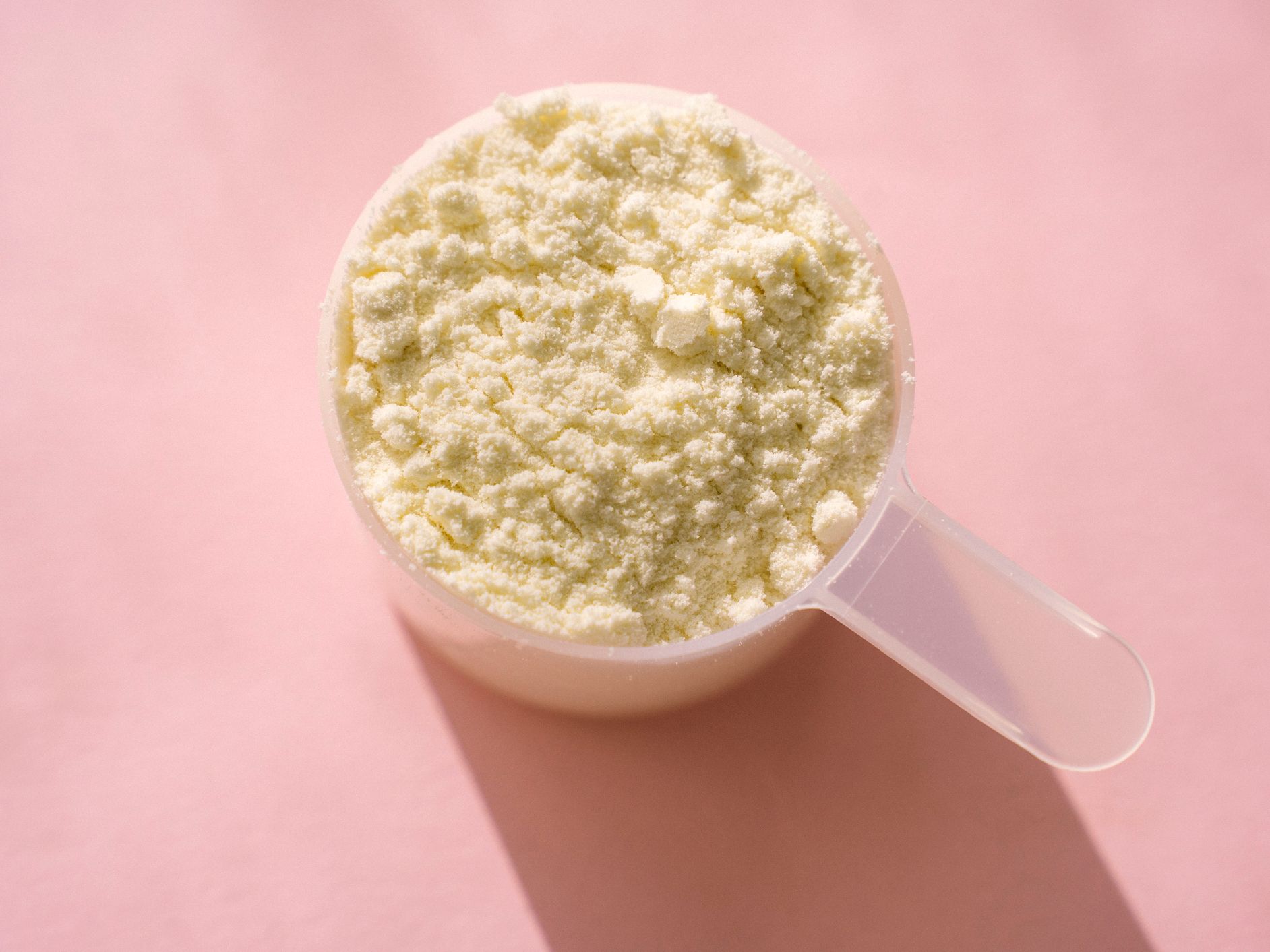
Are you confused about how much whey protein you should be taking? You’re not alone.
Getting the right scoop size can make a big difference in your results, whether you want to build muscle, lose fat, or just stay healthy. Too little won’t give you the benefits you’re looking for, and too much could waste your money or even cause problems.
You’ll find clear answers and simple tips to help you measure the perfect scoop every time. Keep reading to take control of your protein intake and boost your progress like never before.

Credit: www.gainful.com
Why Whey Protein Matters
Whey protein is important for people who want to build muscle. It is a common supplement for athletes and fitness enthusiasts.
Whey protein helps repair muscles after exercise. It is also easy for the body to absorb.
Role In Muscle Growth
Protein is needed for muscle growth. Whey protein is a great source because it has all the essential amino acids.
After working out, muscles need protein to recover and grow. Whey protein provides this quickly.
- Supports muscle repair
- Helps build lean muscle mass
- Speeds up recovery time
Types Of Whey Protein
There are different types of whey protein. Each type has unique benefits.
Whey protein concentrate is the most common. It contains some fats and carbs.
| Type | Features |
|---|---|
| Concentrate | Contains fats and carbs, affordable |
| Isolate | Higher protein content, low fats |
| Hydrolysate | Pre-digested, absorbed faster |
Credit: www.dmoose.com
Determining Your Protein Needs
Protein is important for muscle growth and repair. Knowing how much whey protein to use depends on your daily needs.
Your protein needs vary based on your body and lifestyle. It is important to find the right amount for you.
Factors Influencing Protein Intake
Several factors affect how much protein you need each day. Age, activity, and health all play a role.
- Age:Older adults may need more protein to keep muscles strong.
- Activity Level:Active people require more protein for energy and recovery.
- Body Weight:Heavier people often need more protein to support their body.
- Health Goals:Building muscle or losing weight changes protein needs.
- Diet Type:Vegetarians might need extra protein from supplements like whey.
Calculating Daily Protein Requirements
To find your daily protein amount, multiply your weight by a number based on your activity.
Use this simple guide to estimate your protein needs:
| Activity Level | Protein per kg of Body Weight | Example for 70 kg Person |
|---|---|---|
| Sedentary (little or no exercise) | 0.8 grams | 56 grams of protein |
| Light activity (exercise 1-3 days/week) | 1.0 grams | 70 grams of protein |
| Moderate activity (exercise 3-5 days/week) | 1.2 grams | 84 grams of protein |
| High activity (daily exercise or intense training) | 1.5 grams | 105 grams of protein |
| Very high activity (athletes or heavy training) | 1.7-2.0 grams | 119-140 grams of protein |
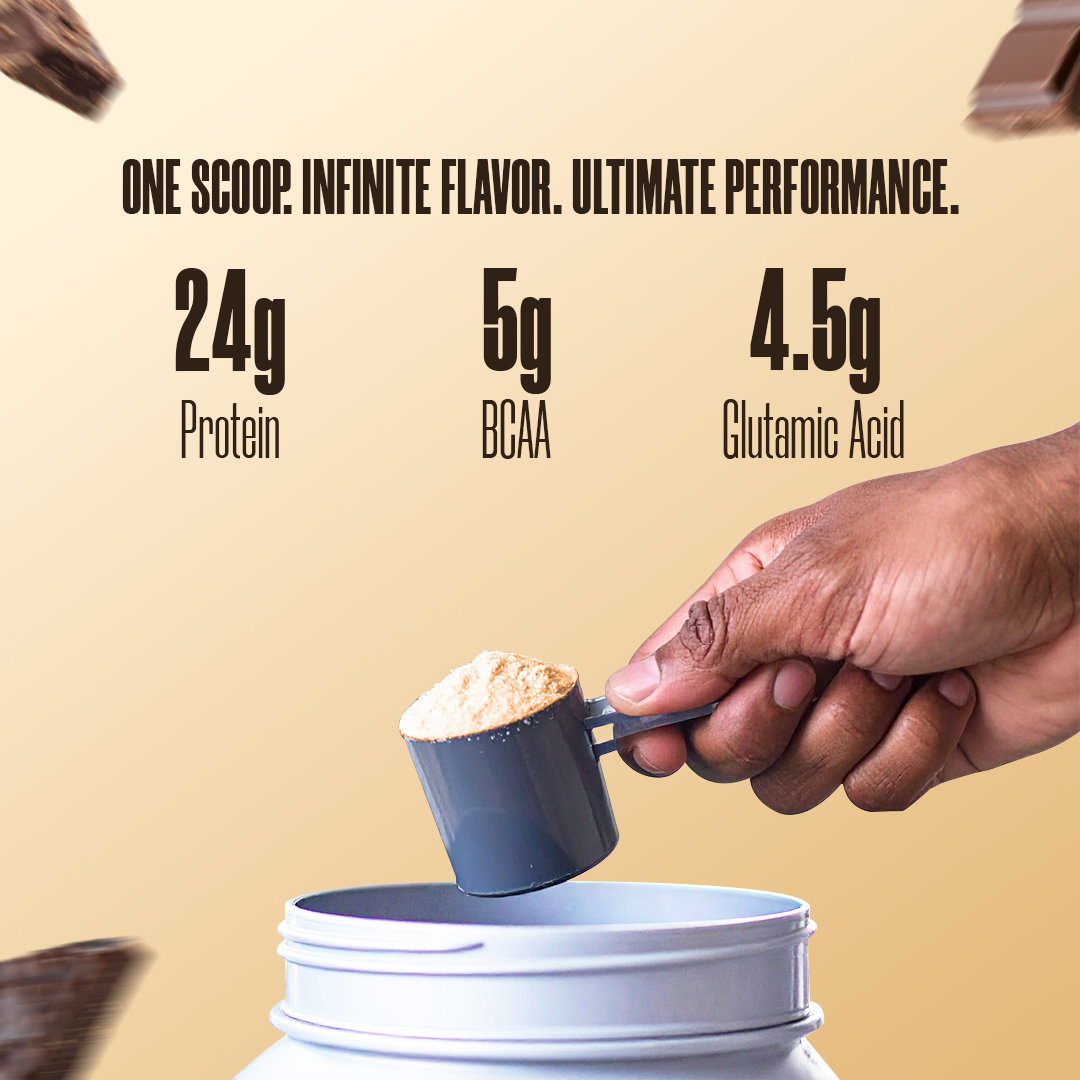
One scoop of whey protein usually contains about 20-25 grams of protein. Use this to plan your scoops.
Ideal Scoop Size For Muscle Gain
Whey protein helps build muscle when you use the right amount. Knowing the ideal scoop size can improve your muscle gains. Using too little or too much can affect your results.
This guide explains the standard scoop size and how to adjust it based on your goals. You will learn how much whey protein to take for effective muscle growth.
Standard Scoop Measurements
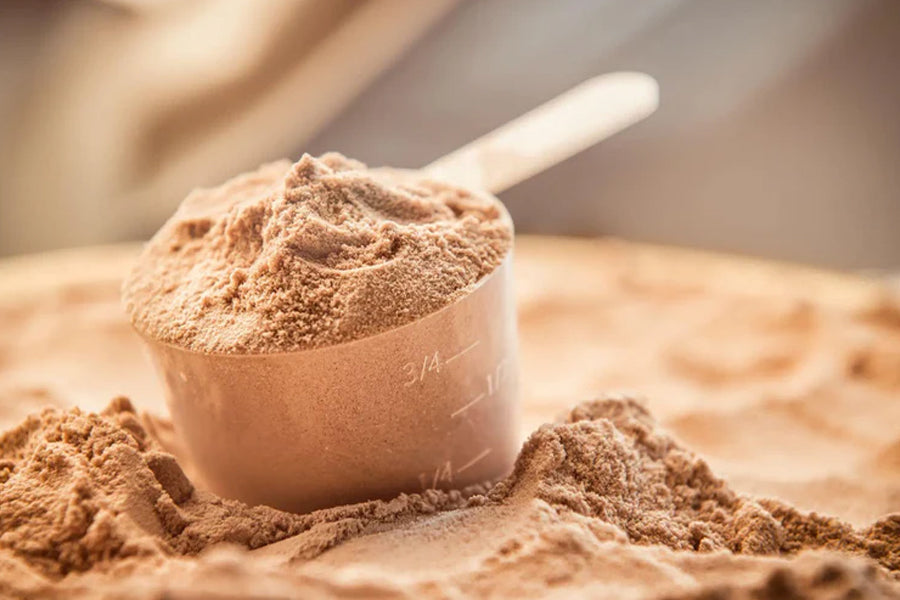
A typical scoop of whey protein powder weighs about 30 grams. This amount usually provides around 20 to 25 grams of protein. It is the common serving size on most whey protein containers.
Each brand may have a slightly different scoop size. Always check the label to know the exact weight and protein content of one scoop.
- Average scoop weight: 30 grams
- Protein per scoop: 20-25 grams
- Calories per scoop: 100-130 calories
- Check label for exact details
Adjusting Scoop Size Based On Goals
Adjust your scoop size depending on your muscle gain goals and daily protein needs. If you want more muscle, you may need more protein. If you want to maintain weight, a smaller scoop might be enough.
It is best to spread your protein intake evenly throughout the day. Use multiple scoops if needed, but do not exceed your daily protein target.
- For muscle gain: 1.2 to 2.0 grams of protein per kg of body weight
- Use 1 to 2 scoops per serving to meet protein needs
- Spread scoops over 2-3 meals or shakes daily
- Adjust scoop size if you eat other protein sources
Timing Your Protein Intake
Whey protein helps your muscles grow and recover. Knowing when to take it can improve results.
Getting the right amount at the right time supports your fitness goals. Let’s explore key times to consume whey protein.
Pre-workout Consumption
Taking whey protein before a workout can provide energy and reduce muscle breakdown. Aim to consume it 30 to 60 minutes before exercise.
One scoop of whey protein mixed with water or milk is usually enough. This helps supply your muscles with amino acids during training.
Post-workout Benefits
After a workout, your muscles need protein to repair and grow. Having whey protein within 30 minutes helps speed recovery.
One or two scoops of whey protein after training can boost muscle repair. It replenishes nutrients lost during exercise.
Protein Distribution Throughout The Day
Spreading protein intake evenly helps your body use it well. Try to eat protein every 3 to 4 hours.
Using whey protein scoops between meals is a good way to meet daily protein needs. This keeps your muscles fed and supports growth.
- 1 scoop in the morning with breakfast
- 1 scoop as a midday snack
- 1 scoop before or after workouts
- 1 scoop in the evening if needed
Common Mistakes With Whey Protein
Whey protein is popular for building muscle and recovery. Many people make mistakes using it.
Understanding how much whey protein to take helps avoid problems. Let’s look at common errors.
Overconsumption Risks
Taking too many scoops of whey protein can cause health issues. Your body only needs a certain amount.
Too much protein strains kidneys and can cause digestive problems. It also wastes money and nutrients.
- Excess protein turns into fat
- Can lead to stomach cramps and bloating
- May harm kidney function over time
- Does not improve muscle gains beyond a limit
Ignoring Whole Food Sources
Relying only on whey protein ignores the benefits of whole foods. Real foods offer vitamins and minerals.
Whole foods support overall health and provide fiber. Protein powders should add to a balanced diet, not replace it.
- Eat lean meats, fish, beans, and eggs
- Include vegetables and fruits for nutrients
- Use whey protein as a supplement, not main source
- Balance protein intake with carbohydrates and fats
Tips For Maximizing Muscle Gain
Whey protein is a popular supplement for building muscle. Knowing the right amount helps you get the best results.
This guide covers how to use whey protein with training and nutrition for muscle gain.
Combining Protein With Strength Training
Protein helps repair muscles after workouts. Taking whey protein soon after training can improve muscle growth.
Try to eat a protein-rich meal or shake within 30 minutes after strength training. This timing helps your muscles recover faster.
- Take one scoop of whey protein after workouts
- Drink it with water or milk for better absorption
- Keep training regularly for steady progress
Balancing Macronutrients
Muscle gain needs more than protein. You also need the right amounts of carbs and fats.
Carbs give energy for workouts. Fats support hormone health. Balance all three for best results.
- Aim for 1 to 1.5 grams of protein per pound of body weight
- Eat enough carbs to fuel your training
- Include healthy fats like nuts and fish daily
- Adjust your diet based on your workout intensity
Credit: proathlix.com
Frequently Asked Questions
How Much Whey Protein Should I Take Daily?
The ideal daily whey protein intake varies from 20 to 40 grams. It depends on your body weight, activity level, and fitness goals. Most people benefit from one to two scoops per day for muscle recovery and growth.
Is One Scoop Of Whey Protein Enough Post-workout?
Yes, one scoop of whey protein, typically 20-25 grams, is sufficient after workouts. It helps repair muscles and promotes recovery. For intense training, some may need more, but one scoop suits most fitness enthusiasts.
Can I Take Whey Protein Without Exercise?
You can take whey protein without exercise, but it’s less effective for muscle gain. It still provides essential amino acids and supports overall nutrition. However, combining it with exercise yields better health and fitness results.
How To Measure The Right Whey Protein Scoop Size?
Check your whey protein label for scoop size information. Most scoops contain 20-25 grams of protein per serving. Use the provided scoop to ensure accurate dosing and avoid over- or under-consuming protein.
Conclusion
Choosing the right scoop of whey protein depends on your goals and needs. One scoop usually offers enough protein for most people after workouts. Avoid taking too much at once; your body can only use so much protein. Balance protein intake with a healthy diet and exercise.
Stay consistent and listen to your body’s signals. This simple approach helps build muscle and recover well. Keep your routine steady for the best results. Small changes make a big difference over time.


