
Are you following a keto lifestyle but wondering if whey protein fits into your plan? You want to build muscle and stay in ketosis, but the confusion around protein powders can make choosing the right supplement tricky.
What if whey protein could be your secret weapon for better results without breaking your carb limits? You’ll discover the truth about whey protein and keto, so you can make smart choices that support your goals. Keep reading to find out how to fuel your body the right way and stay on track.
Whey Protein Basics
Whey protein is a popular supplement among fitness enthusiasts. It is known for its high protein content.
People use whey protein to help build muscle and support weight loss. It is often considered for keto diets.
What Is Whey Protein
Whey protein comes from milk. It is the liquid part that separates from curds during cheese making.
It contains essential amino acids. These are important for muscle growth and repair.
Types Of Whey Protein
There are three main types of whey protein. Each type has different processing and nutrient levels.
- Whey Protein Concentrate: Contains some fat and lactose
- Whey Protein Isolate: More protein, less fat and lactose
- Whey Protein Hydrolysate: Predigested, easier to absorb
Nutritional Profile
Whey protein is rich in protein and low in carbs. This makes it suitable for keto diets.
| Component | Amount |
| Protein | 20-30 grams |
| Carbohydrates | 1-3 grams |
| Fat | 1-2 grams |
Keto Diet Essentials
The keto diet is a low-carb, high-fat eating plan. It helps your body burn fat for energy instead of sugar.
This diet focuses on eating foods that keep your body in a state called ketosis. Understanding keto basics is key to success.
Core Principles Of Keto
The main idea of keto is to reduce carbohydrate intake. This forces your body to use fat as its main fuel source.
You eat more healthy fats and moderate protein. This helps keep your blood sugar levels low and steady.
- Limit carbs to about 5-10% of daily calories
- Increase fat intake to around 70-80%
- Eat moderate amounts of protein
- Aim to enter and maintain ketosis
Macronutrient Ratios
Keto diets use specific macronutrient ratios to keep ketosis active. These ratios guide what you eat every day.
Fat is the largest part of your diet. Protein is moderate, and carbs are very low.
| Macronutrient | Percentage of Calories |
|---|---|
| Fat | 70-80% |
| Protein | 20-25% |
| Carbohydrates | 5-10% |
Common Keto Foods
Keto foods are low in carbs and high in fats. They help keep your body in ketosis and provide energy.
These foods include meats, dairy, healthy oils, and low-carb vegetables.
- Meat: beef, chicken, pork
- Fish and seafood
- Eggs
- Cheese and full-fat dairy
- Avocados and nuts
- Low-carb vegetables like spinach and broccoli
- Healthy oils: olive oil, coconut oil, avocado oil
Whey Protein And Keto Compatibility
Many people on keto diets want to know if whey protein fits their plan. Whey protein is popular for building muscles and recovery. It is important to check if it keeps you in ketosis.
This article explains how whey protein and keto work together. You will learn about carbs in whey, its effect on ketosis, and how to pick keto-friendly whey.
Carb Content In Whey Protein
Carbohydrates in whey protein can vary by product. Most whey powders have low carbs, usually 1 to 3 grams per serving. Some flavored or sweetened versions have more carbs.
It is important to read the label. Look for whey protein with minimal added sugars to keep carb intake low.
- Unflavored whey protein has about 1 gram of carbs per scoop
- Flavored whey may have 2 to 5 grams of carbs
- Added sugars increase carb count significantly
Impact On Ketosis
Ketosis happens when the body uses fat for energy instead of carbs. Eating too many carbs can stop ketosis. Whey protein with low carbs usually does not affect ketosis.
Protein can raise insulin slightly, but moderate whey protein use is fine. Avoid whey with high sugar or carbs to stay in ketosis.
Choosing Keto-friendly Whey
Pick whey protein with low carbs and no added sugars. Unflavored or naturally flavored whey is best. Check the nutrition label carefully before buying.
- Choose whey with 1-3 grams of carbs per serving
- Avoid whey with added sugars or maltodextrin
- Consider isolate whey for less carbs and fat
- Use whey protein in small amounts to control carb intake

Credit: biochemprotein.com
Benefits Of Whey On Keto
Whey protein is a popular supplement for people following a keto diet. It helps meet protein needs without adding many carbs.
Using whey on keto supports muscle health and keeps you feeling full. It is easy to add to meals or shakes.
Muscle Gains And Recovery
Whey protein has all the essential amino acids your muscles need. It helps build muscle even when you eat fewer carbs.
After exercise, whey speeds up muscle repair. This helps you recover faster and stay strong on keto.
Appetite Control
Protein from whey helps you feel full longer. This reduces hunger and helps control cravings on keto.
Eating enough protein can stop overeating and support steady weight loss on a keto diet.
Convenience And Versatility
Whey protein is quick and easy to use. It mixes well with water, milk, or keto-friendly recipes.
You can add whey to shakes, desserts, or meals. It fits well into many keto meal plans.
Potential Drawbacks
Whey protein is popular for many diets, including keto. It has benefits but also some drawbacks. Knowing these can help you decide if it suits your keto plan.
This section explains possible issues with whey protein on a keto diet. These include lactose intolerance, hidden sugars, additives, and digestion effects.
Lactose Intolerance Issues
Whey protein comes from milk and may contain lactose. People with lactose intolerance can feel bloated or have stomach pain after using it.
Not all whey proteins are the same. Whey isolate has less lactose than whey concentrate. Choosing isolate can reduce intolerance problems.
Hidden Sugars And Additives
Some whey protein powders have added sugars or sweeteners. These can add carbs that are not good for keto. Always check the label carefully.
- Look for “sugar-free” or “no added sugars” on the package
- Avoid powders with artificial sweeteners if possible
- Check the ingredient list for fillers and additives
Effect On Digestion
Whey protein can cause digestion problems like gas or cramps. This happens more if you take large amounts or have a sensitive stomach.
Drinking whey protein with enough water and starting with small servings can help reduce digestion issues. Some people may need to avoid it.
How To Use Whey Protein On Keto
Whey protein is a popular supplement for many diets, including keto. It offers a quick source of protein with low carbs. Using whey protein right can support your keto goals.
This guide explains when to take whey protein, recipe ideas, and how to pair it with other keto foods.
Best Times To Consume
Timing whey protein intake helps your body use it better. It can help with muscle repair and keep you full.
Good times to consume whey protein on keto include after workouts and between meals.
- After exercise to aid muscle recovery
- Mid-morning or mid-afternoon to reduce hunger
- Before bed for overnight protein supply
Recipe Ideas
Whey protein can be added to many keto recipes. It mixes well with liquids and fats.
Try these easy recipes to include whey protein in your keto diet.
- Keto protein shake with almond milk and MCT oil
- Protein pancakes using whey, eggs, and coconut flour
- Mix whey into Greek yogurt for extra protein
- Fat bombs with whey, cream cheese, and cocoa powder
Pairing With Other Keto Foods
Combine whey protein with healthy fats and low-carb foods. This balance supports ketosis and energy.
Pair whey protein with these keto-friendly foods for better results.
- Avocado to add healthy fats
- Olive oil or MCT oil for quick energy
- Leafy greens for fiber and nutrients
- Nuts and seeds for extra fats and crunch
Alternatives To Whey Protein
Whey protein is popular, but not everyone uses it. Some people follow keto diets or have allergies. There are other protein options to try.
These alternatives work well for different needs. They can fit many diets, including keto and plant-based plans.
Plant-based Options
Plant proteins come from sources like peas, rice, and hemp. They are good for vegans and people who avoid dairy.
These proteins often have fiber and nutrients. They may digest slower than whey but still support muscle growth.
- Pea protein is rich in amino acids.
- Rice protein is hypoallergenic and easy to digest.
- Hemp protein has omega fats and fiber.
Collagen And Egg Proteins
Collagen protein helps with skin, joints, and bones. It is not a complete protein but adds extra support.
Egg protein is a complete protein. It has all the essential amino acids and is good for muscle repair.
- Collagen is good for joint health and skin.
- Egg protein supports muscle growth and recovery.
- Both are low in carbs and fit keto diets well.
Choosing Based On Goals
Pick protein based on what you want to achieve. Different proteins serve different needs.
If you want muscle gain, complete proteins like egg or plant blends work best. For joint health, collagen is helpful.
- Muscle building: whey, egg, or pea protein.
- Keto diets: collagen and egg protein.
- Vegan options: pea, rice, and hemp proteins.
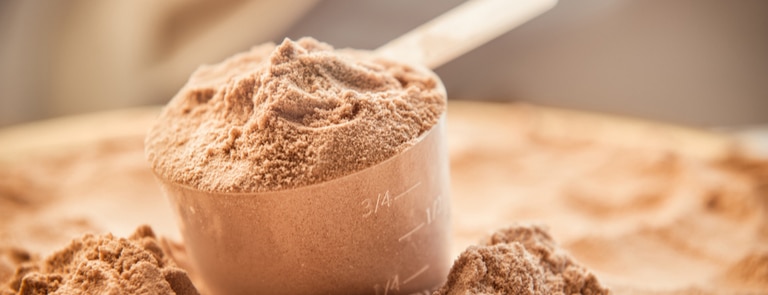
Credit: www.hollandandbarrett.com
Tips For Maximizing Keto Gains
Whey protein is a popular supplement for those following a keto diet. It helps build muscle while keeping carbs low. Using whey protein right can boost your keto results.
To get the best from whey protein on keto, focus on tracking your macros, drinking enough water, and sticking to a workout plan. These tips help you reach your fitness goals faster.
Tracking Macros
Counting your macros is key on keto. You need to keep carbs low, proteins moderate, and fats high. Whey protein adds protein without many carbs, but track it carefully.
Use an app or journal to log your daily food intake. Adjust your whey servings to stay within your macro limits. This helps avoid breaking ketosis.
- Keep carbs under 20-50 grams per day
- Include whey protein in your protein count
- Balance fats to meet your calorie needs
Staying Hydrated
Drinking enough water helps your body use fat for energy. Whey protein can increase your water needs. It helps flush out toxins and supports muscle recovery.
Drink water before and after taking whey protein. Aim for at least eight cups daily. Add electrolytes if you exercise hard or feel tired.
- Drink water with every meal
- Use electrolyte supplements if needed
- Avoid sugary drinks that add carbs
Consistent Workout Routine
Exercise helps you build muscle and burn fat on keto. Whey protein supports muscle repair after workouts. Keep a steady routine for best results.
Mix strength training with cardio. Use whey protein after workouts to help muscles recover. Consistency is more important than intensity.
- Train 3-5 times each week
- Include both weights and cardio
- Take whey protein within 30 minutes post-workout

Credit: www.amazon.ca
Frequently Asked Questions
Is Whey Protein Suitable For A Keto Diet?
Yes, whey protein is suitable for keto if it is low in carbs. Choose whey isolate or concentrate with minimal sugars to stay within keto limits.
How Many Carbs Does Whey Protein Contain?
Whey protein typically contains 1-3 grams of carbs per serving. Always check the label to ensure it fits your daily carb allowance on keto.
Can Whey Protein Kick You Out Of Ketosis?
Whey protein won’t kick you out if consumed in moderation. Excess carbs or added sugars in whey products may affect ketosis.
What Type Of Whey Protein Is Best For Keto?
Whey protein isolate is best for keto due to its low carb and fat content. It provides high protein with minimal carbs.
Conclusion
Whey protein fits well within a keto diet if chosen carefully. It provides good protein with low carbs. Check labels to avoid added sugars or fillers. Use whey protein to support muscle and energy during keto. Balance it with healthy fats and low-carb foods.
Stay mindful of your daily carb limits for ketosis. Whey protein can be a helpful keto supplement when used right. Keep it simple and enjoy your keto journey with proper nutrition.


