
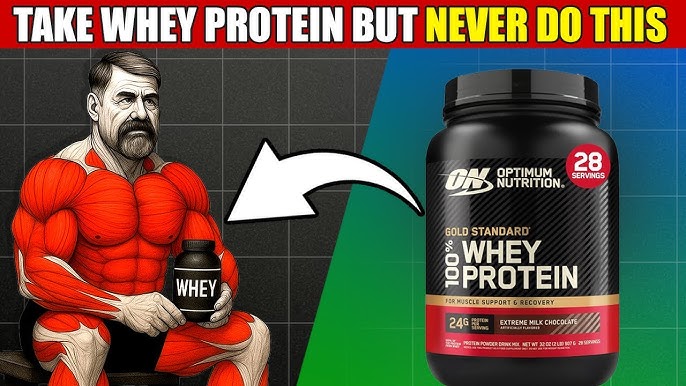
If you want to build muscle faster and see real results, knowing how to take whey protein the right way is key. You might already be working out hard, but without the right nutrition, those muscles won’t grow as quickly as you want.
Whey protein is one of the best supplements to support muscle gain, but using it incorrectly can waste your time and effort. You’ll discover simple, effective tips on when and how to take whey protein so you can maximize your muscle growth and reach your fitness goals faster.
Keep reading—your stronger, fitter body is closer than you think.
Benefits Of Whey Protein
Whey protein is a popular supplement for those aiming to gain muscle. It offers several benefits that support muscle growth and overall health.
This protein is derived from milk and is rich in essential amino acids. It is easily digestible and absorbed quickly by the body.
Muscle Growth Support
Whey protein provides the body with essential amino acids. These are necessary for building and repairing muscles after exercise.
Consuming whey protein after workouts can enhance muscle growth. It helps in the effective repair and building of muscle tissues.
- Contains all essential amino acids
- Promotes muscle protein synthesis
- Quick absorption for faster results
Recovery Enhancement
Whey protein aids in quicker recovery after intense exercise. It reduces muscle soreness and helps the body bounce back swiftly.
Taking whey protein can decrease recovery time. This allows for more frequent and effective workouts.
- Speeds up recovery time
- Reduces muscle soreness
- Supports immune function
Weight Management Aid
Whey protein can help in managing weight. It increases feelings of fullness, reducing the urge to snack.
Including whey protein in your diet can support weight loss goals. It helps maintain muscle mass while burning fat.
- Promotes satiety and reduces hunger
- Helps maintain lean muscle during weight loss
- Supports healthy metabolism
Choosing The Right Whey Protein
Whey protein helps build muscle after workouts. Choosing the right type is important for best results.
Not all whey proteins are the same. You need to know what fits your needs and goals.
Types Of Whey Protein
There are three main types of whey protein. Each has different features and uses.
- Whey Concentrate:Contains some fat and lactose. It is good for general use.
- Whey Isolate:Has more protein and less fat. It is faster to digest.
- Whey Hydrolysate:Pre-digested protein. It absorbs quickly but costs more.
Quality Indicators
High-quality whey protein gives better muscle gain. Check labels for these signs of quality.
- Protein Content:Look for at least 70% protein per serving.
- Low Fillers:Avoid products with many added fillers or sugars.
- Third-Party Testing:Choose brands tested by independent labs for purity.
- Ingredient List:Short lists with clear ingredients show better quality.
Flavor And Additives
Flavor can affect how often you use whey protein. Some powders have added sweeteners or colors.
Pick flavors you enjoy. Check for natural sweeteners and avoid artificial additives.
- Natural flavors and sweeteners are better for health.
- Avoid artificial colors and preservatives.
- Unsweetened options let you control taste with your own ingredients.
Optimal Dosage For Muscle Gain
Whey protein is a popular supplement for building muscle. Knowing the right amount to take helps you get better results.
Too little protein may slow muscle growth. Too much can be wasted or cause discomfort. The right dose supports your goals.
Daily Protein Requirements
Your daily protein needs depend on your weight and activity. For muscle gain, aim for 1.6 to 2.2 grams per kilogram of body weight.
Whey protein can help fill this amount if you do not get enough from food. Spread your intake throughout the day for best use.
- Calculate your weight in kilograms (kg)
- Multiply by 1.6 to 2.2 grams
- Include whey and food protein together
Timing Your Intake
Timing whey protein intake can improve muscle repair and growth. Consume it close to your workout times for best effect.
Taking whey protein after exercise helps your muscles recover faster. You can also take it before workouts to fuel muscles.
- Take whey protein within 30 minutes after exercise
- Optional: Take 30 minutes before workouts
- Eat protein evenly in meals during the day
Adjusting Based On Activity
Your protein needs change with how much you exercise. On heavy training days, your body needs more protein to repair muscles.
On rest days, your protein needs are lower but still important for recovery. Adjust your whey protein dose to match your activity level.
- High activity days: aim for upper range of protein (2.0-2.2 g/kg)
- Moderate activity days: middle range (1.7-1.9 g/kg)
- Rest days: lower end of range (1.6-1.7 g/kg)

Credit: www.quenchlabz.com
Best Times To Take Whey Protein
Whey protein helps build muscle and recover faster. Taking it at the right times can improve your results.
This guide explains the best times to take whey protein for muscle gain.
Pre-workout Benefits
Taking whey protein before exercise gives your muscles fuel. It helps keep your energy up during workouts.
Protein before training can reduce muscle damage and improve strength.
- Supports muscle energy
- Reduces muscle breakdown
- Improves workout performance
Post-workout Recovery
After exercise, muscles need protein to repair and grow. Whey protein is fast-absorbing, making it ideal post-workout.
Taking whey protein soon after training helps speed up muscle recovery and build strength.
- Replenishes muscle protein
- Reduces soreness
- Supports muscle growth
Before Bed Protein
Taking whey protein before sleep supplies muscles with nutrients overnight. It helps prevent muscle breakdown during rest.
This supports muscle repair and growth while you sleep, improving your gains.
- Feeds muscles during sleep
- Prevents muscle loss
- Supports overnight recovery
Mixing And Consumption Tips
Taking whey protein correctly helps you gain muscle faster. Mixing it well and choosing the right liquid makes a big difference.
Good consumption habits improve taste and digestion. Learn simple ways to enjoy your whey protein shake.
Choosing Liquids
Water is the easiest liquid to mix with whey protein. It keeps your shake low in calories and helps quick absorption.
Milk adds extra protein and creaminess but also adds calories and fat. Choose skim or low-fat milk for a lighter option.
- Water: fast digestion, low calories
- Milk: richer taste, more calories
- Almond or oat milk: good dairy-free choices
- Juice: adds sugar, use sparingly
Enhancing Flavor And Texture
Add fruits like banana or berries to improve flavor and add nutrients. They also make your shake thicker and tastier.
Mixing with a blender or shaker bottle helps avoid lumps. A smooth shake is easier to drink and digests better.
- Use a shaker bottle or blender
- Add ice cubes for a cold shake
- Try natural sweeteners like honey or stevia
- Add cinnamon or vanilla extract for taste
Avoiding Common Mistakes
Don’t mix whey protein with very hot liquids. Heat can damage the protein and change the taste.
Avoid using too little liquid. A thick shake can be hard to drink and mix properly.
- Use recommended liquid amount on the label
- Shake or blend for 20-30 seconds
- Drink your shake soon after mixing
- Store powder in a cool, dry place

Credit: www.gq.com
Combining Whey With Other Nutrients
Whey protein helps build muscle fast. Combining it with other nutrients supports better muscle growth.
Eating the right mix of carbs, fats, and supplements with whey can improve your workout results.
Carbohydrates For Energy
Carbohydrates give your body energy. They help you lift weights harder and longer.
Taking whey with carbs after exercise helps refill your energy stores and supports muscle repair.
- Oats
- Bananas
- Rice
- Sweet potatoes
Fats For Absorption
Fats help your body absorb vitamins and nutrients. They also support hormone production.
Adding healthy fats with whey can make your muscle gain more effective over time.
- Avocados
- Olive oil
- Nuts and seeds
- Fatty fish
Supplements To Consider
Some supplements work well with whey to boost muscle growth and recovery.
Creatine, BCAAs, and glutamine are popular choices to support your workout routine.
- Creatine:Increases strength and power
- BCAAs:Help reduce muscle soreness
- Glutamine:Supports muscle recovery
Potential Side Effects And Precautions
Whey protein can help build muscle, but some people may face side effects. Knowing risks helps you use it safely.
It is important to watch for any problems after taking whey protein. Precautions reduce risks and keep you healthy.
Digestive Issues
Some users get stomach pain, bloating, or gas after whey protein. This happens if your body has trouble digesting it.
Lactose intolerance is a common cause of digestive problems with whey protein. Whey concentrate has more lactose than isolate.
- Bloating
- Gas
- Diarrhea
- Stomach cramps
Allergies And Sensitivities
Whey protein comes from milk, so it can cause allergic reactions in some people. Symptoms can be mild or serious.
People with milk allergy should avoid whey protein. Signs of allergy include skin rash, swelling, and trouble breathing.
- Skin rash or itching
- Swelling of face or throat
- Wheezing or difficulty breathing
- Nausea or vomiting
Safe Usage Guidelines
Use whey protein as directed to avoid problems. Do not take more than the recommended amount each day.
Drink plenty of water and spread doses throughout the day. Check with a doctor before starting whey protein if you have health issues.
- Follow the serving size on the label
- Start with small amounts to test tolerance
- Drink enough water daily
- Consult a healthcare provider if needed
Tracking Progress And Adjustments
Taking whey protein can help you gain muscle. Tracking your progress is important to see results.
You may need to adjust your intake based on how your body responds. This guide explains how to monitor and change your protein use.
Monitoring Muscle Gain
Keep track of your muscle growth by measuring your body regularly. Use a tape measure or take photos to see changes.
Also, note your strength levels during workouts. If you lift more weight or do more reps, it shows progress.
- Measure arms, chest, and legs every two weeks
- Take progress photos under the same lighting
- Record your workout weights and reps
Adjusting Intake As Needed
If you do not see muscle gains, you may need to change your whey protein amount. Increase or decrease based on your goals.
Also, consider your daily diet and workout routine. Adjust protein intake to match your energy needs and muscle repair.
- Increase protein by 10-20 grams if gains stall
- Lower protein if you feel bloated or tired
- Balance protein with carbs and fats for energy
When To Seek Professional Advice
If you are unsure about your protein intake or progress, talk to a health expert. They can give you personalized advice.
Also, see a doctor if you experience side effects like stomach pain or allergies after taking whey protein.
- Consult a dietitian for meal planning
- Visit a doctor if you have health concerns
- Talk to a trainer for workout adjustments

Credit: www.londondaily.news
Frequently Asked Questions
How Much Whey Protein Should I Take Daily For Muscle Gain?
Consume 20-30 grams of whey protein per serving. Aim for 1. 2-2. 0 grams per kg of body weight daily. Spread intake evenly across meals for optimal muscle repair and growth.
When Is The Best Time To Take Whey Protein?
Take whey protein within 30 minutes post-workout. This timing helps maximize muscle recovery and protein synthesis. You can also consume it as a snack or meal supplement.
Can Whey Protein Alone Build Muscle Effectively?
Whey protein supports muscle growth but isn’t enough alone. Combine it with consistent strength training and a balanced diet for best results.
Should I Mix Whey Protein With Water Or Milk?
Mix whey protein with water for faster absorption. Use milk for extra calories and creamier texture, beneficial if you need more energy or weight gain.
Conclusion
Taking whey protein the right way helps build muscle faster. Drink it after workouts to support recovery. Combine with a balanced diet and regular exercise. Consistency matters most for seeing good results. Pay attention to your body’s needs and adjust as needed.
Keep your goals clear and stay patient. Muscle gain takes time but is worth the effort. Simple steps lead to better strength and health.


