
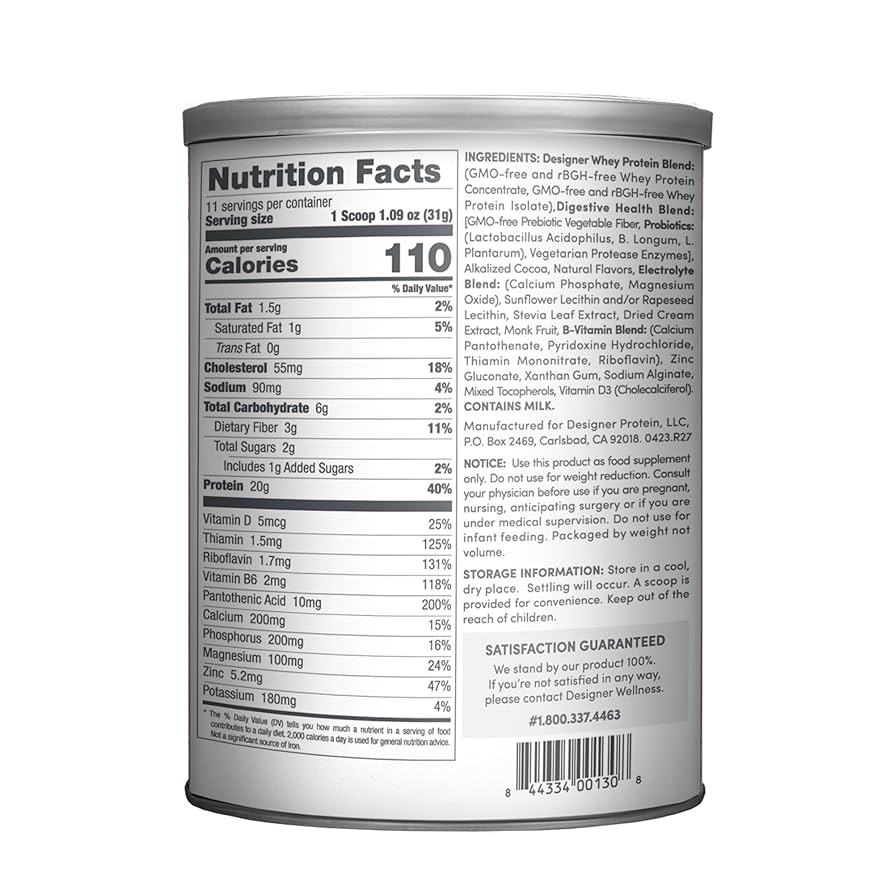
Are you wondering if whey protein can boost your calcium intake? If you rely on whey protein for muscle building or recovery, knowing what nutrients it offers is important for your overall health.
Calcium plays a key role in keeping your bones strong and your body functioning well. So, does whey protein contain calcium, and can it help you meet your daily needs? Keep reading to find out the surprising facts that could change the way you think about your protein shake.
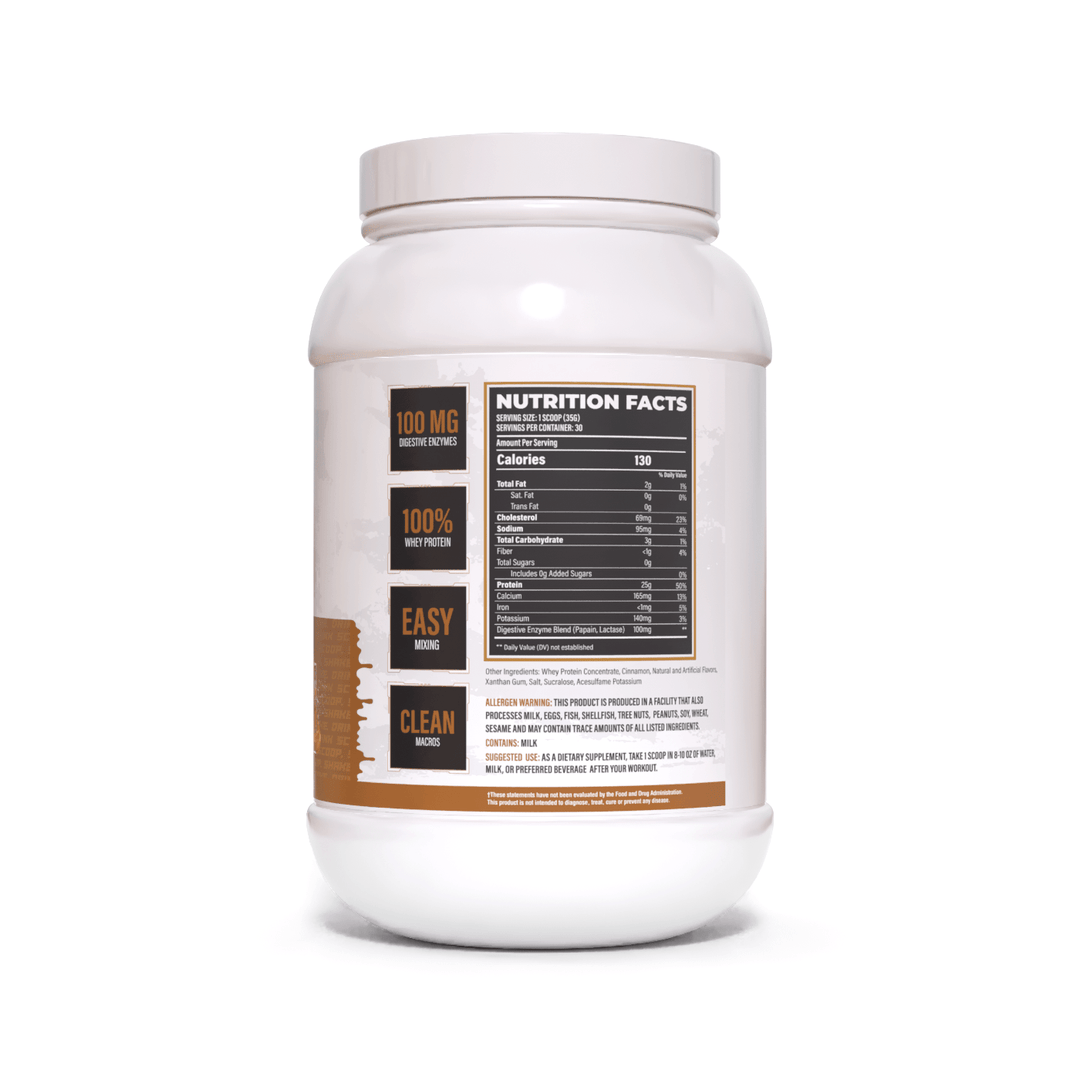
Credit: hugesupplements.com
Whey Protein Basics
Whey protein is a popular supplement. It helps build muscle and supports recovery. People often ask if whey protein contains calcium.
Calcium is important for strong bones. Whey protein does contain calcium, which benefits your health.
What Is Whey Protein
Whey protein is made from milk. It is a byproduct of cheese production. It is one of the best sources of protein.
Whey protein is easy to digest. It contains all the essential amino acids. This makes it a complete protein source.
Types Of Whey Protein
There are different types of whey protein. Each type varies in how it is processed. This affects the protein content and other nutrients.
- Whey Protein Concentrate: Contains some fat and lactose, with 70-80% protein.
- Whey Protein Isolate: Almost all fat and lactose removed, with over 90% protein.
- Whey Protein Hydrolysate: Pre-digested for faster absorption.
Calcium Content In Whey Protein
Whey protein is a popular supplement used for muscle growth and recovery. Many people wonder if it contains calcium and how much.
Calcium is important for bone health and muscle function. This article explains calcium levels in whey protein.
Natural Calcium Levels
Whey protein comes from milk, which naturally has calcium. The amount depends on how whey is processed.
Raw whey contains some calcium, but processing can change its level. Whey protein powder has less calcium than milk.
- Milk has about 125 mg of calcium per 100 ml
- Whey protein concentrate contains small amounts of calcium
- Isolated whey protein has lower calcium levels
Calcium In Different Whey Forms
Whey protein comes in concentrate, isolate, and hydrolysate forms. Each has different calcium content.
Concentrate has the most calcium, while isolate has the least. Hydrolysate falls in between.
| Whey Form | Calcium Content (approx. mg per 30g serving) |
|---|---|
| Whey Protein Concentrate | 50 – 70 mg |
| Whey Protein Isolate | 10 – 30 mg |
| Whey Protein Hydrolysate | 30 – 50 mg |
Health Benefits Of Calcium In Whey
Whey protein contains many nutrients. One important mineral is calcium.
Calcium helps keep your body strong and healthy. It supports bones and muscles.
Bone Health Support
Calcium is a key part of strong bones. Whey protein adds calcium to your diet.
Getting enough calcium helps prevent bone loss and keeps bones dense. This lowers the risk of fractures.
- Builds stronger bones
- Reduces bone loss with age
- Supports bone repair and growth
Muscle Function And Recovery
Calcium helps muscles work well. It controls muscle contractions and relaxation.
Whey protein’s calcium supports muscle recovery after exercise. It helps reduce cramps and soreness.
- Supports muscle contractions
- Aids muscle relaxation
- Helps muscles recover faster

Credit: www.pureprotein.com
Comparing Whey To Other Calcium Sources
Whey protein is popular for muscle building. Many wonder if it also provides calcium.
Calcium is important for strong bones and teeth. We will compare whey to other calcium sources.
Dairy Products
Dairy products like milk and cheese are well-known calcium sources. They often have more calcium than whey protein.
Milk contains about 300 mg of calcium per cup. Whey protein powder has less calcium, depending on the brand.
- Milk: Around 300 mg calcium per cup
- Cheese: Varies, often 200-300 mg per serving
- Yogurt: About 250-300 mg per cup
- Whey protein: Usually less than 150 mg per serving
Plant-based Alternatives
Plant-based calcium sources include fortified plant milks and leafy greens. They can have calcium amounts close to dairy.
Some plants have calcium but it may be less absorbed by the body. Fortified products add calcium to match dairy levels.
- Fortified almond milk: About 300 mg calcium per cup
- Fortified soy milk: Around 300 mg per cup
- Kale and broccoli: Lower calcium but good for absorption
- Whey protein: Generally less calcium than fortified plant milks
Choosing Whey Protein For Calcium Intake
Whey protein is a popular supplement for muscle building. Some people want to know if it also provides calcium.
Calcium is important for strong bones and teeth. You can choose whey protein to help meet calcium needs.
Reading Nutrition Labels
Nutrition labels show how much calcium is in whey protein. Look for the % Daily Value (%DV) to see calcium amount.
Some whey proteins have added calcium. Others have only small natural amounts. Check the label carefully.
- Find “Calcium” listed under minerals
- Check the % Daily Value to know how much calcium per serving
- Compare different brands for calcium content
Supplement Options
Whey protein comes in concentrate, isolate, and hydrolysate forms. Their calcium content varies.
Whey concentrate usually has more calcium than isolate. Some products add extra calcium for bone health.
- Whey concentrate: higher natural calcium
- Whey isolate: lower calcium, purer protein
- Fortified whey protein: added calcium for extra intake
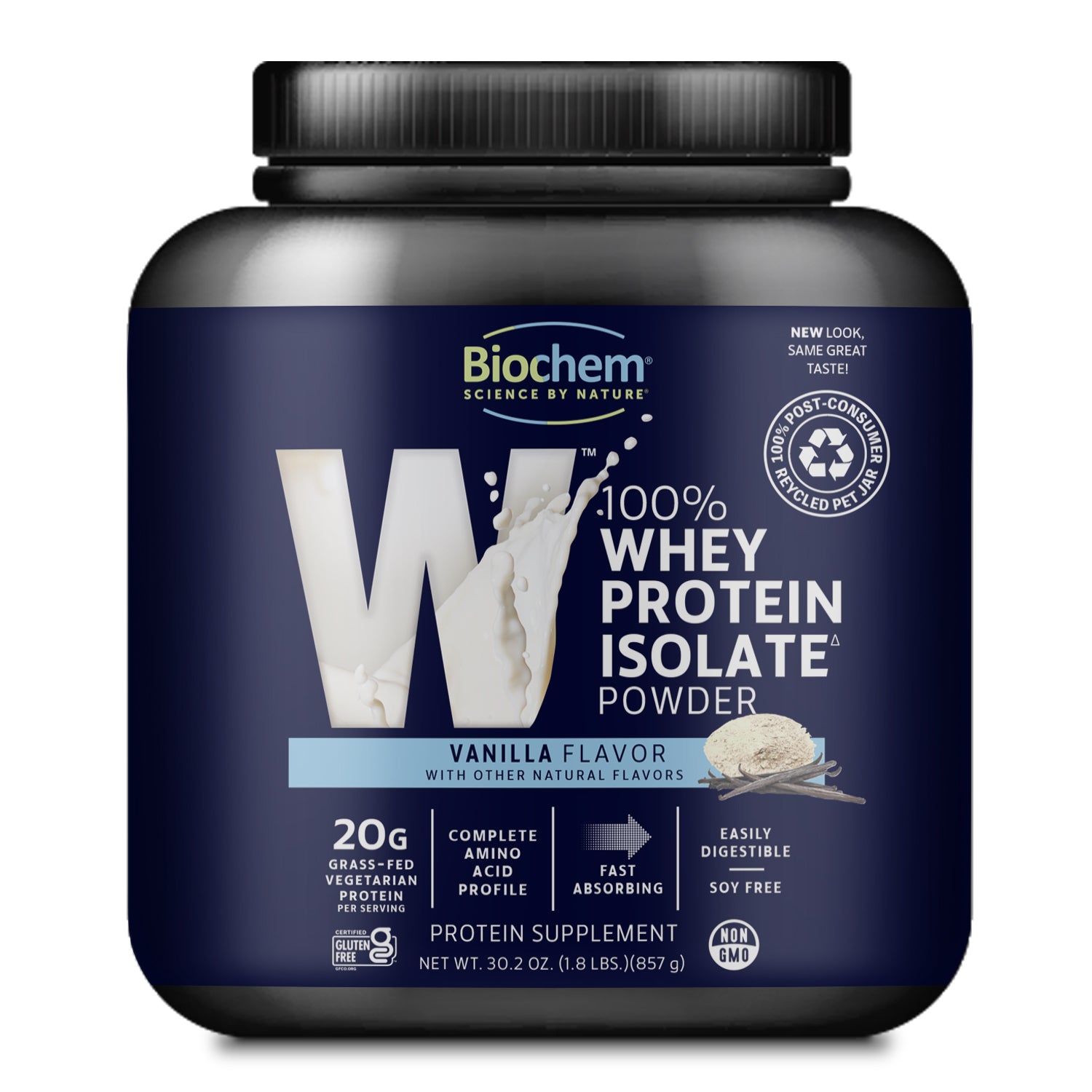
Credit: biochemprotein.com
Potential Concerns And Considerations
Whey protein is a popular supplement for muscle building and recovery. Many people wonder if it contains calcium and what that means for their health.
It is important to consider factors that affect calcium absorption and possible allergies before adding whey protein to your diet.
Calcium Absorption Factors
Whey protein does contain some calcium, but the amount varies by product. How well your body absorbs calcium depends on several things.
Vitamin D helps your body absorb calcium better. Without enough vitamin D, calcium absorption can be low.
- High phosphorus levels can reduce calcium absorption
- Excessive caffeine may lower calcium uptake
- Oxalates and phytates in some foods block calcium
- Age affects how well calcium is absorbed
Allergies And Sensitivities
Whey protein comes from milk, so people with milk allergies should avoid it. It can cause reactions like hives, swelling, or breathing trouble.
Lactose intolerance is common and may cause stomach pain or gas after taking whey protein. Choose lactose-free options if this is a concern.
- Milk allergy can cause severe reactions
- Lactose intolerance leads to digestive issues
- Whey isolate contains less lactose than concentrate
- Always check labels for added ingredients
Frequently Asked Questions
Does Whey Protein Naturally Contain Calcium?
Yes, whey protein naturally contains calcium. It includes small amounts that support bone health. The calcium content varies by product and brand.
How Much Calcium Is In Whey Protein Powder?
Whey protein powder typically has 50 to 150 mg of calcium per serving. The exact amount depends on the product formulation and serving size.
Can Whey Protein Help Meet Daily Calcium Needs?
Whey protein can contribute to daily calcium intake but should not be the sole source. Balanced diet and other calcium-rich foods remain essential.
Is Calcium Absorption Better From Whey Protein?
Yes, calcium in whey protein is bioavailable and easily absorbed by the body. This helps maintain strong bones and supports muscle function.
Conclusion
Whey protein does contain some calcium, but not a large amount. It can help support your daily calcium needs along with other foods. Many people use whey protein to build muscle and stay healthy. Remember, a balanced diet is key for strong bones.
Choosing whey protein can add extra nutrients to your meals. Always check the label for exact calcium content. Small steps like this improve your overall nutrition every day. Simple and smart choices matter most.


