
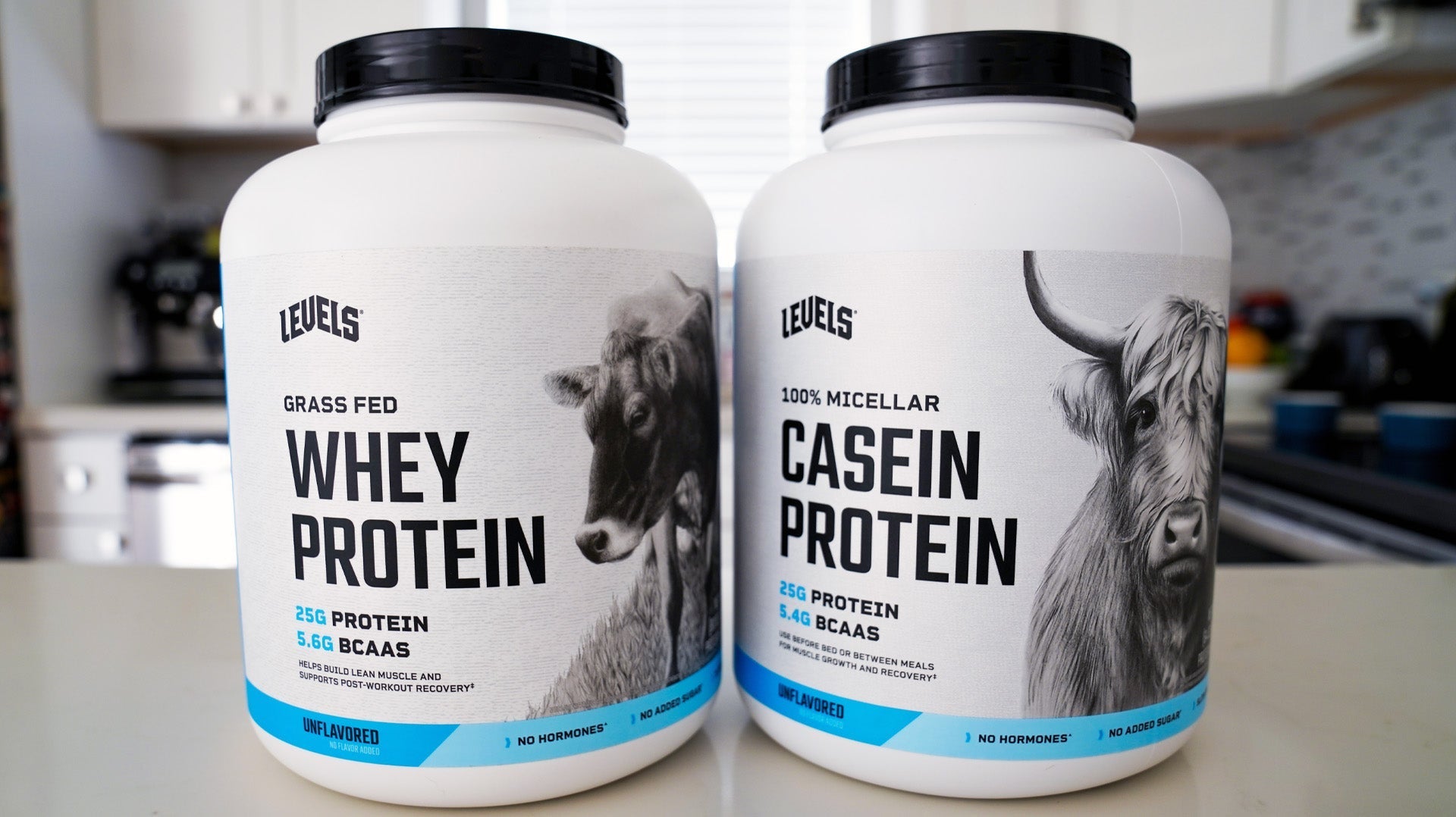
Are you confused about which protein is best for your fitness goals—whey or casein? You’re not alone.
Both whey and casein come from milk, but they work very differently in your body. Choosing the right one can boost your muscle growth, recovery, and overall results. You’ll discover the key differences between whey and casein protein, so you can make the best choice for your health and workout plan.
Keep reading to unlock the secret to smarter protein use!
Whey Protein Basics
Whey protein is a popular dietary supplement. Many people use it to support muscle growth and recovery.
It is derived from milk and is one of two main proteins found in milk. The other protein is casein. Whey protein is often used by athletes and fitness enthusiasts.
Source And Composition
Whey protein comes from the liquid part of milk that separates during cheese production. It contains essential amino acids that the body needs.
It is rich in branched-chain amino acids (BCAAs), which are crucial for muscle repair. Whey protein is available in different forms like concentrate, isolate, and hydrolysate.
Digestion And Absorption
Whey protein is quickly digested and absorbed by the body. This makes it an ideal choice for post-workout recovery.
Its fast absorption rate helps in delivering nutrients to muscles quickly. This is important for muscle repair and growth.
Common Uses
Many people use whey protein to increase protein intake. It is common among those who engage in strength training and bodybuilding.
It is also used in meal replacements and protein bars. Whey protein can help in weight management by promoting feelings of fullness.
- Post-workout recovery
- Muscle building
- Weight management

Credit: divinenutrition.in
Casein Protein Essentials
Casein protein is a type of protein found in milk. It is different from whey protein in many ways.
This protein is popular for its slow digestion and steady release of amino acids.
Origin And Structure
Casein comes from the milk of cows and other mammals. It makes up about 80% of the protein in cow’s milk.
Its structure forms micelles, small clusters that help it stay stable in liquid. This structure slows down digestion.
Digestion Rate
Casein digests much slower than whey protein. It can take several hours to break down in the stomach.
This slow digestion gives your body a steady supply of amino acids for a longer time.
- Whey protein digests in 1-2 hours
- Casein digests in 6-8 hours
- Slow digestion helps muscle recovery overnight
Typical Applications
People often use casein protein at night or between meals. It helps keep muscles fed during long breaks.
It is also used in some food products like protein bars and shakes for slow nutrient release.
- Nighttime muscle recovery
- Meal replacement between long gaps
- Slow-release protein in snacks and bars
Nutritional Comparison
Whey protein and casein protein come from milk but differ in nutrition. Both provide important nutrients for muscle growth and recovery.
This section compares their amino acid profiles, protein quality, calorie, and fat content.
Amino Acid Profiles
Whey and casein have all essential amino acids. Whey has more branched-chain amino acids (BCAAs), which help muscle repair.
Casein releases amino acids slowly. This helps feed muscles over a longer time, especially during sleep.
- Whey protein: high in BCAAs like leucine, isoleucine, valine
- Casein protein: steady release of amino acids
- Both: complete proteins with all essential amino acids
Protein Quality
Protein quality shows how well the body uses the protein. Whey scores slightly higher than casein in this area.
Whey digests quickly, making nutrients available fast. Casein digests slower, providing a steady supply.
- Whey protein: high digestibility, fast absorption
- Casein protein: slower digestion, steady nutrient release
- Both support muscle growth and recovery effectively
Calorie And Fat Content
Whey protein usually has fewer calories and less fat than casein. Casein contains more fat, which adds calories.
Both proteins are low in carbohydrates. Choose based on your calorie and fat goals.
| Protein Type | Calories (per 30g) | Fat (grams) | Carbohydrates (grams) |
|---|---|---|---|
| Whey Protein | 110 | 1 | 2 |
| Casein Protein | 130 | 3 | 1 |
Impact On Muscle Growth
Whey protein and casein protein are popular choices for muscle growth. Both come from milk but work differently in the body.
Understanding their effects helps you choose the right one for your fitness goals.
Muscle Protein Synthesis
Muscle protein synthesis is the process where your body builds new muscle. Whey protein digests quickly and raises amino acids fast.
This quick rise helps start muscle building soon after exercise. Casein digests slowly and releases amino acids over hours.
- Whey: fast amino acid delivery, good after workouts
- Casein: slow release, supports muscle over longer time
Recovery Benefits
Whey protein helps muscles recover quickly by providing nutrients fast. This reduces muscle soreness after exercise.
Casein supports recovery by feeding muscles slowly, which may help prevent muscle breakdown during rest.
- Whey speeds up recovery soon after workouts
- Casein helps muscles recover during long rest periods
Timing For Consumption
Whey protein is best right after exercise to boost muscle repair. It acts fast and starts protein building quickly.
Casein is ideal before sleep or long breaks. It keeps muscles fed with amino acids over many hours.
- Whey: consume immediately after workouts
- Casein: consume before bedtime or long rest
Effects On Satiety And Weight Management
Whey protein and casein protein are popular supplements for fitness and health. Both affect how full you feel and how your body manages weight. Understanding their differences can help you choose the right one.
This section explains how whey and casein impact appetite control, metabolism, and long-term weight support.
Appetite Control
Casein protein digests slowly, which helps you feel full for a longer time. Whey protein digests quickly, so it may reduce hunger fast but not for long.
People who want to eat less between meals may benefit more from casein. Whey can help reduce hunger after workouts.
- Casein slows digestion and prolongs fullness
- Whey acts fast but fullness fades quickly
- Casein may reduce snacking better
Metabolism Influence
Whey protein can boost metabolism quickly because it raises amino acid levels fast. Casein releases amino acids slowly, giving a smaller metabolic boost over time.
Both proteins support muscle repair and growth, which helps burn calories. Whey may be better right after exercise due to fast absorption.
- Whey raises metabolism rapidly
- Casein provides steady amino acid release
- Both support muscle growth and calorie burn
Long-term Weight Support
Casein’s slow digestion helps control hunger over hours. This can support weight loss or maintenance by reducing calorie intake.
Whey protein supports muscle mass, which helps keep metabolism higher long term. Both proteins can help with weight management when used regularly.
- Casein helps reduce hunger for many hours
- Whey helps maintain muscle to burn calories
- Both support healthy weight with balanced diets
Suitability For Different Lifestyles
Whey protein and casein protein are popular choices for many people. Each type works well for different lifestyles and goals.
Choosing the right protein depends on your daily routine and fitness needs.
Athletes And Bodybuilders
Athletes and bodybuilders need protein for muscle repair and growth. Whey protein is fast-absorbing, making it good after workouts.
Casein protein digests slowly. It provides a steady supply of amino acids, which helps during long rest periods.
- Whey protein: Use right after exercise for quick muscle recovery.
- Casein protein: Take before sleep to support muscles overnight.
Weight Loss Seekers
People trying to lose weight benefit from protein that helps with fullness. Casein protein keeps you feeling full longer because it digests slowly.
Whey protein also helps with weight loss by boosting metabolism and preserving muscle mass during dieting.
- Casein protein: Helps reduce hunger between meals.
- Whey protein: Supports muscle maintenance and fat loss.
Individuals With Dietary Restrictions
Some people have allergies or lactose intolerance. Whey protein often contains more lactose, which may cause issues.
Casein protein also comes from milk but may be easier to digest for some. Plant-based proteins are alternatives for those avoiding dairy.
- Whey protein: May contain lactose, check for lactose-free options.
- Casein protein: Slower digestion, may be gentler for some.
- Non-dairy options: Pea, soy, or rice protein for dairy-free diets.
Potential Side Effects And Allergies
Whey protein and casein protein come from milk. Some people may have side effects or allergies when using them.
It is important to know the differences in how these proteins affect your body.
Lactose Intolerance
Both whey and casein contain lactose. People with lactose intolerance may feel sick after eating them.
Whey protein usually has more lactose than casein. This can cause gas, bloating, or diarrhea.
- Whey concentrate has the highest lactose content
- Whey isolate has less lactose but still some
- Casein has moderate lactose levels
- Lactose-free protein powders are available
Allergic Reactions
Some people are allergic to milk proteins. This can cause serious reactions.
Whey and casein proteins can trigger allergies. Symptoms include hives, swelling, and breathing problems.
- Whey allergy is more common in children
- Casein allergy can cause skin and breathing issues
- Severe allergies may require medical help
- Consult a doctor if you suspect an allergy
Digestive Issues
Whey protein is fast-digesting. Casein digests slowly in the stomach.
Some people may feel stomach pain or cramps from these proteins. Casein can cause more fullness or bloating.
- Whey may cause loose stools in some people
- Casein may cause constipation or bloating
- Try small amounts first to check your reaction
- Drink plenty of water to help digestion

Credit: steelsupplements.com
Choosing The Right Protein
Whey protein and casein protein are two popular choices for people who want to add protein to their diet. Both come from milk but have different effects on the body. Choosing the right one depends on your needs and lifestyle.
Understanding how each protein works helps you decide which fits your goals better. This guide explains the differences and helps you pick the best option.
Goals And Preferences
Whey protein absorbs quickly and is good after workouts. It helps build muscle fast. Casein digests slowly and works well if you want protein over a longer time.
Choose whey if you want fast recovery. Choose casein if you want to stay full longer or use it before bed.
- Whey: fast digestion, good after exercise
- Casein: slow digestion, good for night use
- Whey: higher in leucine, aids quick muscle repair
- Casein: keeps you full, helps reduce hunger
Budget Considerations
Whey protein tends to be less expensive and widely available. Casein protein can cost more because of its slower release and special processing.
If you want to save money, whey protein is a good choice. If you want a protein that lasts longer in your body, investing in casein might be worth it.
- Whey protein usually costs less per serving
- Casein protein can be pricier but lasts longer in the body
- Buying in bulk can reduce costs for both types
Product Quality
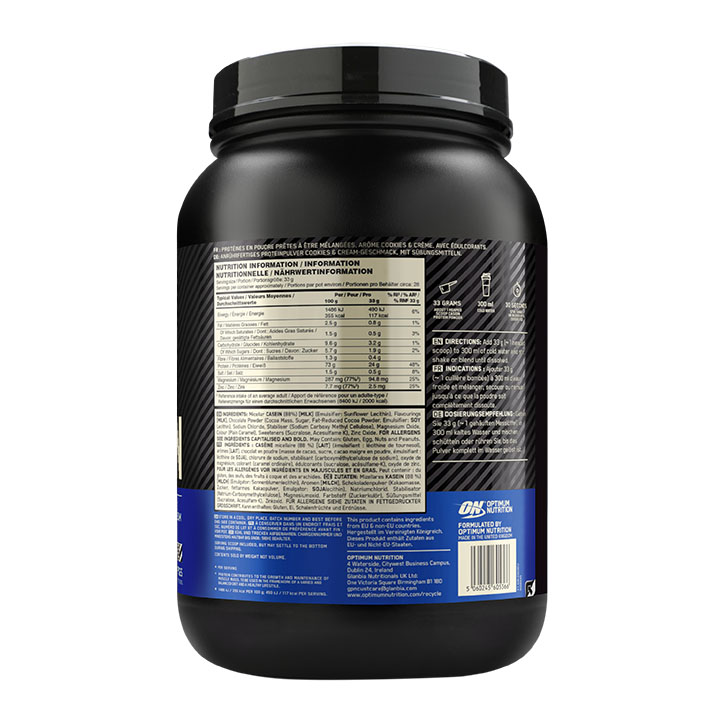
Check labels for protein content and added ingredients. Some products have fillers or artificial flavors. Pure protein powders give the best results.
Look for brands that test their products for safety. High-quality whey and casein proteins come from trusted sources and have clear nutrition facts.
- Choose protein with at least 20 grams per serving
- Avoid powders with too many additives or sugars
- Look for third-party testing or certifications
- Check if the protein is from grass-fed or organic sources
Credit: www.hollandandbarrett.com
Frequently Asked Questions
What Is The Main Difference Between Whey And Casein Protein?
Whey protein digests quickly, providing fast amino acids. Casein digests slowly, offering a steady protein release over hours.
Which Protein Is Better For Muscle Recovery?
Whey protein is ideal for muscle recovery due to its rapid absorption and rich amino acid profile.
Can Casein Protein Aid In Weight Loss?
Yes, casein helps with weight loss by promoting fullness and reducing hunger over extended periods.
When Should I Consume Whey Versus Casein Protein?
Consume whey post-workout for quick recovery. Take casein before bed for sustained muscle repair overnight.
Conclusion
Whey and casein protein serve different needs in your diet. Whey digests quickly, helping muscles after exercise. Casein digests slowly, feeding muscles over time. Choose whey for fast energy and recovery. Pick casein for lasting nutrition, especially at night. Both support muscle growth and repair.
Understanding their differences helps you pick the right one. Use them based on your fitness goals and timing. Simple choices can boost your results effectively. Try both to see what works best for you.


