
Are you worried that whey protein might raise your cholesterol levels? You’re not alone.
Many people who want to build muscle or stay healthy wonder if this popular supplement could harm their heart. But what if the truth about whey protein and cholesterol is different from what you’ve heard? Keep reading to discover the facts that can help you make the best choice for your health and fitness goals.
Your body deserves answers you can trust.
Whey Protein Basics
Whey protein is popular among fitness enthusiasts. It helps in building muscles and repairing tissues.
Some people worry about cholesterol levels. Understanding whey protein can help address these concerns.
What Is Whey Protein
Whey protein comes from milk. It is a byproduct of cheese production.
It is a complete protein. This means it contains all essential amino acids.
Types Of Whey Protein
There are different types of whey protein. Each has unique properties and benefits.
- Whey Protein Concentrate: Contains some lactose and fat.
- Whey Protein Isolate: Almost lactose-free, with more protein content.
- Whey Protein Hydrolysate: Pre-digested for faster absorption.
Nutritional Profile
Whey protein is low in calories. It provides high-quality protein and essential nutrients.
It also contains vitamins and minerals. These include calcium, potassium, and magnesium.
| Component | Amount per 100g |
| Protein | 80g |
| Fat | 5g |
| Lactose | 8g |
Cholesterol Explained
Cholesterol is a fat-like substance found in your blood. Your body needs it to build cells and make vitamins.
Too much cholesterol can cause health problems. It can clog your blood vessels and make your heart work harder.
Good Vs Bad Cholesterol
There are two main types of cholesterol: good and bad. They affect your body in different ways.
Good cholesterol helps remove bad cholesterol from your blood. Bad cholesterol can build up and block your arteries.
- Good cholesterol is called HDL (high-density lipoprotein).
- Bad cholesterol is called LDL (low-density lipoprotein).
- HDL protects your heart by cleaning your blood vessels.
- LDL can cause heart disease by forming plaques in arteries.
How Cholesterol Affects Health
High levels of bad cholesterol can lead to heart attacks and strokes. It narrows your arteries and reduces blood flow.
Keeping cholesterol in balance helps your heart stay healthy. Eating well and exercising can lower bad cholesterol.
- High LDL can cause artery blockage.
- Low HDL means less removal of bad cholesterol.
- Balanced cholesterol supports normal blood flow.
- Regular health checks can monitor cholesterol levels.
Whey Protein And Cholesterol Link
Whey protein is popular for muscle building and fitness. Some people worry if it affects cholesterol levels.
Cholesterol is a fat-like substance in the blood. It is important to understand how whey protein impacts it.
Impact On Cholesterol Levels
Whey protein can influence cholesterol in different ways. It may lower bad cholesterol (LDL) and raise good cholesterol (HDL).
Some studies suggest whey protein reduces total cholesterol and triglycerides. It may support heart health by improving blood fat levels.
- Whey protein helps reduce LDL cholesterol
- It can increase HDL cholesterol levels
- May lower triglycerides in the blood
- Supports overall heart health
Scientific Studies Summary
Several studies tested whey protein effects on cholesterol. Results show it can improve cholesterol profiles in many people.
Research often involved overweight or older adults. These groups showed lower LDL and higher HDL after whey protein use.
| Study | Participants | Effect on Cholesterol |
|---|---|---|
| Study A | Overweight adults | Reduced LDL by 10% |
| Study B | Older adults | Increased HDL by 8% |
| Study C | Mixed group | Lowered triglycerides by 12% |

Credit: www.reddit.com
Factors Influencing Cholesterol Response
Whey protein is popular as a supplement for muscle growth and health. Some people worry if it raises cholesterol levels.
How whey protein affects cholesterol can change from person to person. Different factors play a role in this response.
Individual Health Conditions
People with certain health conditions may react differently to whey protein. Heart disease or high cholesterol can change the effect.
Those with kidney or liver problems should also be careful. These conditions can affect how the body processes protein and fats.
- Existing high cholesterol may increase sensitivity
- Heart disease patients need to monitor intake
- Kidney or liver issues can alter metabolism
Dosage And Consumption Patterns
The amount of whey protein taken matters. Large doses may affect cholesterol more than small, regular servings.
How often you consume whey also makes a difference. Daily use versus occasional use can lead to different cholesterol responses.
- High doses can raise cholesterol levels
- Small, consistent doses are usually safer
- Frequency impacts cholesterol changes
Quality Of Whey Protein
Whey protein quality affects its impact on cholesterol. Pure whey isolates may have less fat and cholesterol than concentrates.
Some whey products contain added ingredients. These can influence cholesterol more than whey alone.
- Whey isolates have lower fat content
- Concentrates may contain more cholesterol
- Added ingredients can change effects
Benefits Of Whey Protein Beyond Cholesterol
Whey protein is often discussed for its effects on cholesterol. It also offers many other health benefits. These benefits support fitness and overall wellness.
This article covers some important benefits of whey protein. It helps with muscle growth, weight management, and immune support.
Muscle Growth And Recovery
Whey protein provides essential amino acids that build muscles. It helps repair muscle tissues after exercise. This speeds up recovery time.
Consuming whey protein after workouts increases muscle strength and size. It supports lean muscle development and reduces soreness.
Weight Management
Whey protein can help control hunger and reduce calorie intake. It makes you feel full longer, which lowers overeating. This helps with weight loss goals.
Adding whey protein to meals boosts metabolism. It supports fat burning while preserving muscle mass during dieting.
- Promotes satiety to reduce snacking
- Preserves muscle during calorie cuts
- Increases calorie burning
Immune Support
Whey protein contains immune-boosting compounds like lactoferrin and immunoglobulins. These help fight infections and inflammation.
Regular whey protein intake supports the body’s defense system. It helps keep you healthy during stress and illness.

Credit: sportmento.com
Choosing The Right Whey Protein
Whey protein is popular for building muscle and staying healthy. Some people worry if it raises cholesterol. Picking the right whey protein matters for heart health.
Not all whey proteins are the same. Some have extra ingredients that affect cholesterol. Learn how to pick a safe and healthy option.
Reading Labels
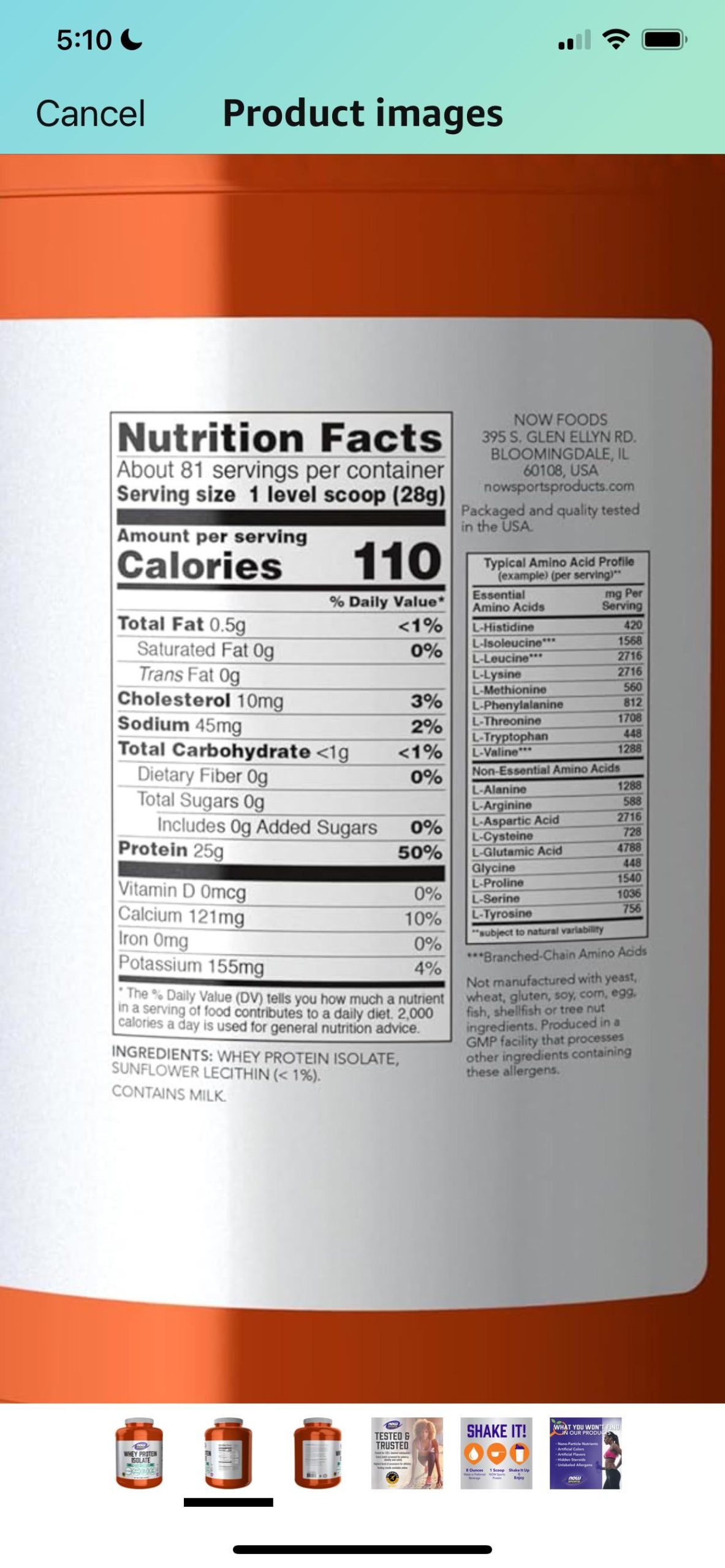
Check the nutrition label before buying whey protein. Look for fat and cholesterol amounts. Low or zero cholesterol is better for heart health.
Also, note the protein type. Whey isolate has less fat and cholesterol than concentrate. This can help you avoid extra cholesterol intake.
- Check total fat and cholesterol per serving
- Choose whey isolate for lower fat content
- Avoid products with unclear ingredient lists
Avoiding Additives
Some whey proteins contain added sugars and unhealthy fats. These can raise cholesterol and harm your heart. Choose products with fewer additives.
Look for whey protein with natural ingredients. Avoid artificial flavors, colors, and preservatives. These keep the protein cleaner and safer.
- Skip whey protein with added sugars
- Avoid hydrogenated oils or trans fats
- Pick products with simple, natural ingredients
Consulting Health Professionals
Talk to your doctor or dietitian before using whey protein. They can check if it fits your health needs. This is important if you have cholesterol issues.
A health expert can recommend the best whey protein type and amount. They help you avoid risks and stay healthy while using supplements.
Practical Tips For Safe Whey Use
Whey protein is popular for muscle growth and recovery. Some worry it might raise cholesterol.
It is important to use whey safely. This guide helps you balance diet, check health, and adjust intake.
Balancing Diet And Exercise
Eating a balanced diet lowers the risk of high cholesterol. Exercise helps your heart and body stay healthy.
Include fruits, vegetables, and whole grains. Avoid too much saturated fat and sugar for better results.
- Eat lean meats and healthy fats
- Exercise at least 30 minutes daily
- Drink plenty of water
- Limit processed and fast foods
Monitoring Health Markers
Check your cholesterol levels regularly. This helps you see how whey protein affects your health.
Visit your doctor for blood tests. Monitor blood pressure and body weight too.
- Get cholesterol tested every 6 months
- Track blood pressure monthly
- Note any changes in energy or digestion
Adjusting Intake Based On Results
If cholesterol rises, reduce whey protein or change your diet. Watch how your body reacts.
Try different whey types like isolate or hydrolysate. Adjust portion size to match your needs.
- Lower whey intake if cholesterol increases
- Choose low-fat or filtered whey products
- Increase vegetables and fiber in meals
- Consult a healthcare provider if unsure

Credit: gibbonnutrition.com
Frequently Asked Questions
Does Whey Protein Increase Cholesterol Levels?
Whey protein generally does not raise cholesterol in healthy individuals. It may even improve lipid profiles by lowering bad cholesterol (LDL). However, excessive intake or additives in some products could affect cholesterol. Moderation and choosing high-quality whey protein are key for heart health.
Can Whey Protein Cause Heart Problems?
Whey protein alone is unlikely to cause heart problems. It provides essential amino acids that support muscle and metabolism. People with existing heart conditions should consult doctors before use. Balanced diet and exercise remain crucial for maintaining cardiovascular health alongside supplementation.
Is Whey Protein Safe For High Cholesterol Patients?
Whey protein can be safe for those with high cholesterol if consumed moderately. It may help reduce LDL cholesterol and improve heart markers. However, individuals should choose low-fat, low-sugar whey options and consult healthcare providers for personalized advice.
How Does Whey Protein Affect Ldl And Hdl Cholesterol?
Whey protein may lower LDL (bad cholesterol) and raise HDL (good cholesterol) slightly. It supports better lipid metabolism and reduces cardiovascular risk factors. Effects vary by person, so maintaining a healthy lifestyle alongside whey intake is important for optimal cholesterol balance.
Conclusion
Whey protein can affect cholesterol levels differently for each person. Some studies show it may lower bad cholesterol. Others find little to no change. Choosing a quality whey product matters a lot. Balance your diet and exercise regularly too. Watch your cholesterol with regular health check-ups.
Small changes add up over time. Stay informed and listen to your body. This helps you make the best choice for your health.


