
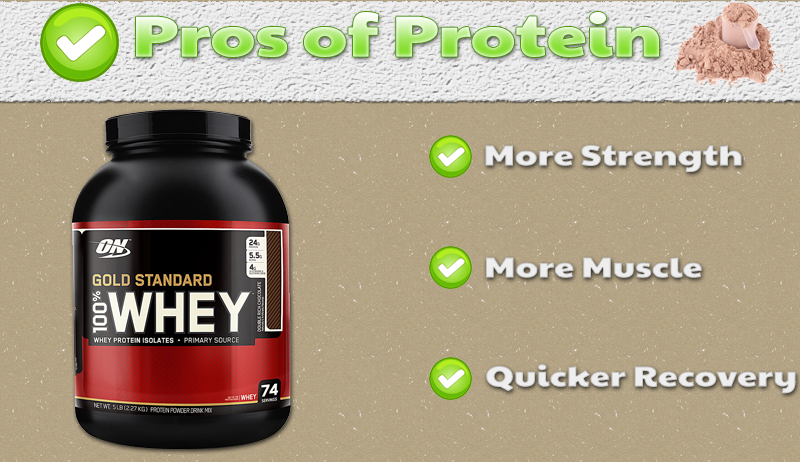
Are you wondering if whey protein could be the reason your weight is going up? You’re not alone.
Many people ask, “Does whey protein make you gain weight? ” It’s a common concern, especially if you’re trying to build muscle or lose fat. The truth isn’t as simple as yes or no. Your body, your diet, and how you use whey protein all play a role.
Keep reading, and you’ll discover the facts that help you make the best choice for your health and fitness goals.
Whey Protein Basics
Whey protein is a popular supplement for many people. It helps in muscle building and recovery.
Some people wonder if whey protein makes you gain weight. Let’s explore its basics to understand more.
What Is Whey Protein?
Whey protein is a product from milk during cheese making. It contains essential amino acids.
It is easily digested and absorbed by the body. This makes it a great choice for post-workout nutrition.
Types Of Whey Protein
There are three main types of whey protein. Each type has different processing methods and benefits.
- Whey Protein Concentrate: Contains some fats and carbohydrates.
- Whey Protein Isolate: Has less fat and lactose than concentrate.
- Whey Protein Hydrolysate: Pre-digested for faster absorption.
Nutritional Profile
Whey protein is rich in protein and low in calories. It provides essential nutrients for muscle growth.
| Nutrient | Amount per 30g |
| Protein | 24g |
| Carbohydrates | 3g |
| Fats | 1g |
How Whey Protein Affects Weight
Whey protein is a popular supplement for building muscle. Many people wonder if it causes weight gain.
This article explains how whey protein affects your body weight and what to expect from using it.
Calorie Content And Weight Gain
Whey protein contains calories that add to your daily intake. Consuming more calories than you burn leads to weight gain.
One scoop of whey protein usually has about 100 to 130 calories. These calories can cause weight gain if not balanced with activity.
- Calories provide energy to your body
- Extra calories store as fat if unused
- Balance calories with exercise to avoid fat gain
Muscle Gain Vs Fat Gain
Whey protein helps build muscle when combined with strength training. Muscle gain is different from fat gain.
Muscle weighs more than fat but looks lean and firm. Protein supports muscle repair and growth after workouts.
- Muscle gain improves body shape
- Fat gain increases body fat percentage
- Eating protein with exercise favors muscle over fat
Metabolism And Satiety
Whey protein can boost metabolism by increasing muscle mass. A higher metabolism burns more calories at rest.
Protein also helps you feel full longer. This reduces hunger and may lower overall calorie intake.
- Higher metabolism aids weight control
- Feeling full prevents overeating
- Protein supports healthy weight management
Common Myths About Whey Protein
Many people wonder if whey protein makes you gain weight. There are many myths about whey protein and how it affects the body. It is important to understand the facts before making conclusions.
This article clears up some common myths about whey protein and its effects on weight and health.
Whey Protein Causes Fat Gain
Some believe whey protein causes fat gain. This is not true by itself. Whey protein adds extra calories, but fat gain happens only if you eat more calories than you burn.
Protein helps build muscle and can increase metabolism. It is harder to gain fat by eating protein compared to fats or carbs.
- Whey protein adds calories, not fat directly
- Eating too many calories causes fat gain
- Protein helps build muscle, not fat
Whey Protein Is Only For Bodybuilders
Many think whey protein is just for bodybuilders. This is a myth. Anyone can use whey protein to help meet their daily protein needs.
It is useful for people who exercise, want to lose weight, or need more protein in their diet. It supports muscle repair and growth for all activity levels.
- Not only for bodybuilders
- Good for people who exercise regularly
- Helps with muscle repair and growth
- Supports daily protein needs
Whey Protein Leads To Bloating
Some people say whey protein causes bloating. This can happen but only in some cases. It usually depends on the person’s digestion or allergies.
Whey protein isolate is easier to digest than concentrate. Drinking enough water and taking smaller amounts can reduce bloating.
- Bloating may happen for sensitive people
- Whey isolate is easier to digest
- Drink water to help digestion
- Try smaller servings to avoid discomfort
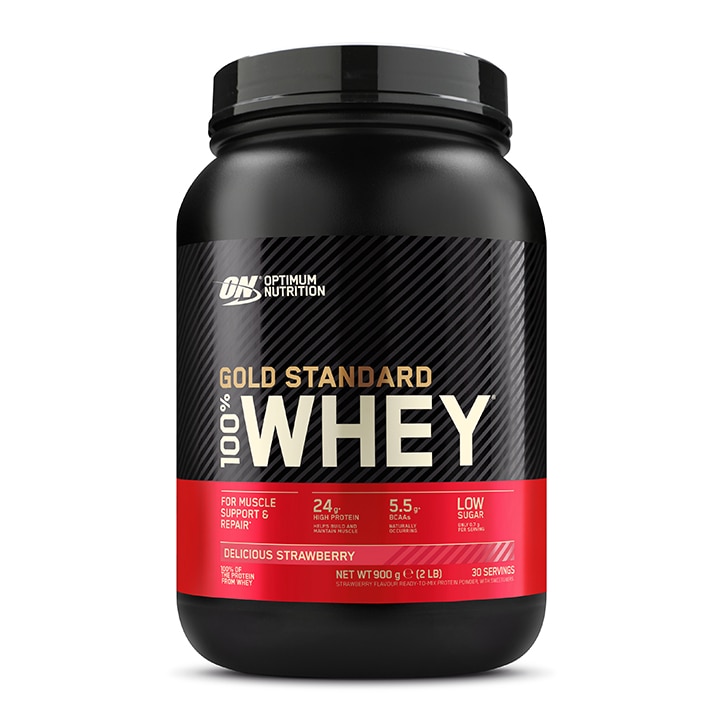
Credit: www.hollandandbarrett.com
Using Whey Protein Wisely
Whey protein is a popular supplement for many people. It helps build muscle and recover after workouts.
Some wonder if whey protein can cause weight gain. Using it the right way can help you avoid that.
Proper Dosage And Timing
Taking the right amount of whey protein is important. Too much can add extra calories and cause weight gain.
Timing also matters. Consuming whey protein after exercise helps muscles recover better than at other times.
- Stick to 20-30 grams per serving
- Use whey protein within 30 minutes after workouts
- Avoid taking it late at night without activity
Combining With Diet And Exercise
Whey protein works best with a balanced diet. Eating healthy foods supports your fitness goals.
Exercise helps use the protein to build muscle. Without exercise, extra protein can turn into fat.
- Eat enough fruits, vegetables, and whole grains
- Keep protein intake balanced with other nutrients
- Do regular strength training or cardio
Choosing The Right Whey Protein
Not all whey proteins are the same. Some have added sugars and fats that increase calories.
Pick a whey protein that fits your goals. Look for products with minimal additives and good protein content.
- Choose whey isolate for fewer carbs and fats
- Check the label for ingredient quality
- Avoid products with high sugar or fillers
Alternatives To Whey Protein
Whey protein is popular but not the only way to add protein to your diet. Some people want other options because of allergies or diet choices.
Here are some good alternatives to whey protein. They can help you get enough protein without using whey.
Plant-based Protein Options
Plant-based proteins come from plants and are good for vegans and people with lactose problems. They often have fiber and other nutrients.
Common plant proteins include pea, rice, hemp, and soy protein powders. These powders mix well in shakes and recipes.
- Pea protein is rich in iron and easy to digest
- Rice protein is hypoallergenic and mild tasting
- Hemp protein has omega-3 fats and fiber
- Soy protein contains all essential amino acids
Whole Food Sources
You can get protein from whole foods without using powders. Whole foods provide vitamins and minerals along with protein.
Eating a variety of whole foods helps you meet protein needs naturally and stay healthy.
- Chicken breast and turkey are lean animal proteins
- Eggs provide high-quality protein and nutrients
- Beans and lentils are rich in protein and fiber
- Greek yogurt offers protein and probiotics
- Nuts and seeds add protein and healthy fats
Other Supplement Choices
Besides whey and plant proteins, other supplements can boost protein intake. They suit different diets and tastes.
These supplements can support muscle growth and recovery like whey protein.
- Collagen peptides help with joints and skin but have less protein variety
- Egg white protein powder is low in fat and carbs
- Casein protein digests slowly for nighttime use
- Beef protein isolate offers a dairy-free animal protein

Credit: in.fastandup.com

Credit: www.gq.com
Frequently Asked Questions
Does Whey Protein Cause Weight Gain?
Whey protein alone does not cause weight gain. Weight gain occurs when you consume more calories than you burn. Whey protein supports muscle growth and recovery, which can increase lean mass, not fat. Balanced diet and exercise are key to managing weight.
How Does Whey Protein Affect Fat Gain?
Whey protein helps preserve muscle during fat loss. It boosts metabolism and promotes fullness, reducing overall calorie intake. Consuming whey protein in excess calories may lead to fat gain. Proper portion control and active lifestyle prevent unwanted fat accumulation.
Can Whey Protein Increase Muscle Mass Only?
Yes, whey protein primarily supports muscle growth. It provides essential amino acids that aid muscle repair and synthesis. Combined with strength training, whey protein helps increase lean muscle mass. It does not inherently increase fat or total body weight without excess calories.
Is Whey Protein Safe For Weight Management?
Whey protein is safe and effective for weight management. It promotes satiety, helping control hunger and calorie intake. Choose quality whey protein without added sugars or fillers. Always combine it with a healthy diet and regular exercise for best results.
Conclusion
Whey protein itself does not cause weight gain. Weight gain happens when you eat more calories than you burn. Using whey protein can help build muscle if combined with exercise. It can also help you feel full and avoid overeating.
Choose your portion sizes carefully to fit your goals. Remember, balance matters most in your diet. Whey protein can be a helpful part of a healthy lifestyle. Keep track of your overall food intake and activity. Your body responds to what you eat and how you move.


