

Are you confused about the difference between whey protein isolate and regular whey protein? You’re not alone.
Choosing the right protein supplement can feel overwhelming with all the options out there. But knowing which one suits your goals can make a big difference in your fitness journey. You’ll discover exactly what sets whey protein isolate apart from regular whey protein.
By the end, you’ll be ready to pick the perfect protein that fits your needs and helps you reach your goals faster. Keep reading—you don’t want to miss this!

Credit: levelsprotein.com
Whey Protein Basics
Whey protein is a popular supplement for fitness and health. It is made from milk during cheese production.
There are different types of whey protein. Each has unique benefits for the body.
Sources And Types
Whey protein comes from milk. It is separated during cheese making.
There are three main types: concentrate, isolate, and hydrolysate. Each type has different processing methods.
- Whey Protein Concentrate: Contains some fat and lactose
- Whey Protein Isolate: More pure, less fat and lactose
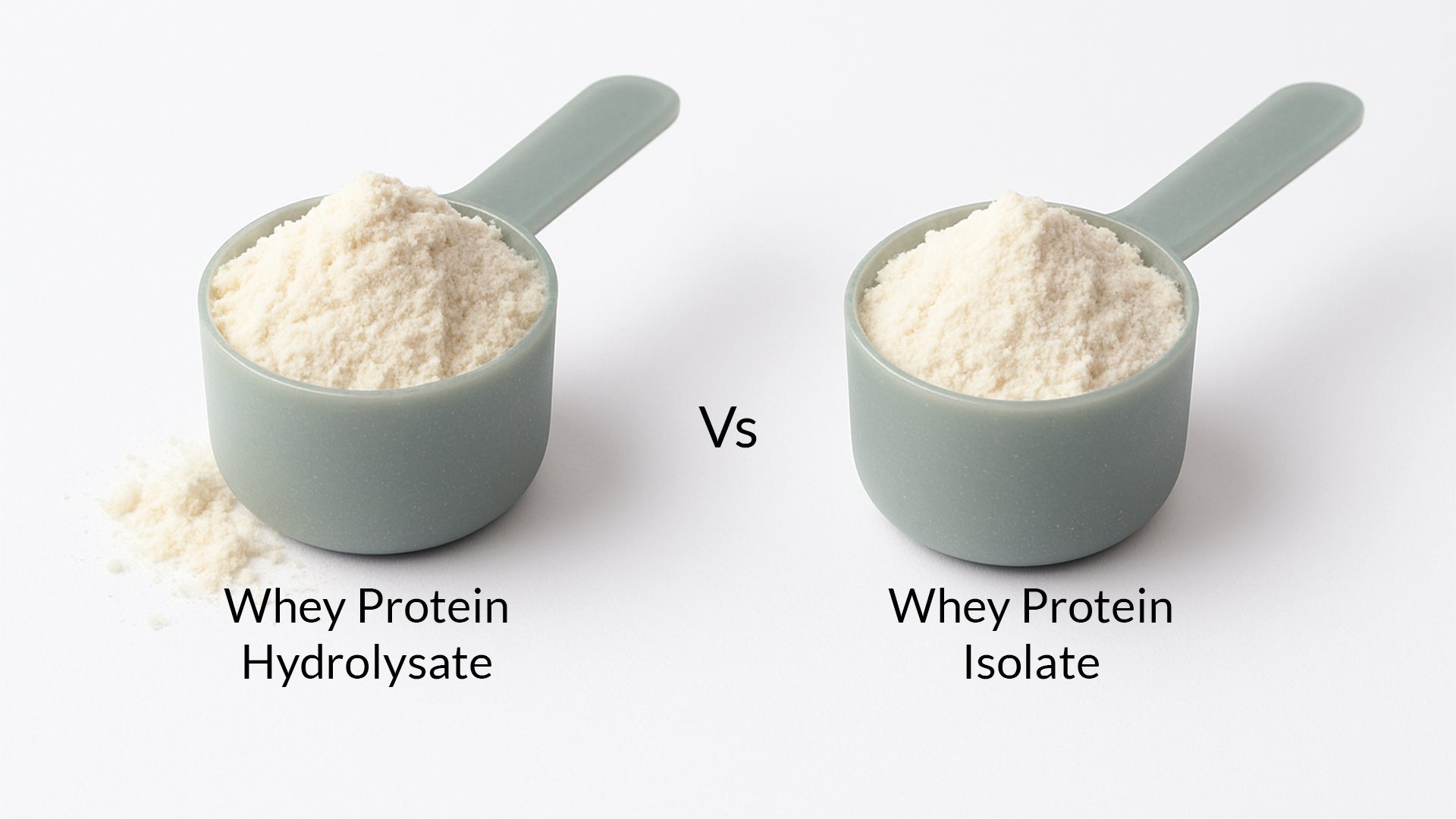
- Whey Protein Hydrolysate: Pre-digested for easier absorption
Nutritional Profile
Whey protein is rich in essential amino acids. It supports muscle growth and repair.
Whey Protein Isolate has a higher protein content. It is ideal for those who need more protein with fewer calories.
| Type | Protein Content | Fat | Lactose |
| Concentrate | 70-80% | Higher | Higher |
| Isolate | 90% or more | Lower | Lower |
What Is Whey Protein Isolate
Whey protein isolate is a type of protein powder. It comes from milk and is used to help build muscle.
This protein has more protein and less fat and carbs than regular whey protein.
Production Process
Whey protein isolate is made by filtering whey protein concentrate. This removes most of the fat and lactose.
The process uses techniques like microfiltration or ion exchange. These methods make the protein purer and higher in protein content.
- Start with whey from milk
- Use filtration to remove fat and carbs
- Dry the filtered whey to get powder
Nutritional Benefits
Whey protein isolate has a high protein amount per serving. It usually contains 90% or more protein.
It has less fat and lactose, making it good for people who want pure protein or have lactose intolerance.
- High protein content supports muscle growth
- Low fat helps with weight control
- Low lactose suits sensitive stomachs
- Fast absorption helps quick recovery
What Is Whey Protein Concentrate
Whey protein concentrate is a common form of whey protein. It comes from milk during cheese making.
This protein contains some fat and lactose. It has less protein than whey isolate.
Production Process
Whey protein concentrate is made by filtering whey liquid. This removes some water, fat, and lactose.
The remaining material has a higher protein content. It usually contains 70-80% protein by weight.
- Starts with liquid whey from cheese making
- Uses filtration to remove some fat and lactose
- Ends with a powder rich in protein but with some carbs and fats
Nutritional Benefits
Whey protein concentrate provides essential amino acids. These help build and repair muscles.
It also contains some fats and lactose. This can give you a small amount of energy.
- Good source of complete protein
- Contains some fat and carbohydrates
- Supports muscle growth and recovery
- Usually less expensive than whey isolate
Key Differences Between Isolate And Concentrate
Whey protein isolate and whey protein concentrate are popular supplements. They come from milk but differ in how they are processed.
These differences affect protein content, lactose, fat, digestibility, and cost. Understanding these helps you choose the right product.
Protein Content
Whey protein isolate has a higher protein percentage than concentrate. It usually contains 90% or more protein.
Concentrate has less protein, about 70% to 80%. It keeps more other nutrients from milk.
- Isolate: 90%+ protein
- Concentrate: 70-80% protein
Lactose And Fat Levels
Isolate has less lactose and fat because it is more filtered. This makes it better for people sensitive to lactose.
Concentrate contains more lactose and fat. It has a richer taste but may not suit those with lactose intolerance.
- Isolate: Low lactose and fat
- Concentrate: Higher lactose and fat
Digestibility
Isolate is easier to digest because it has less lactose and fat. This can reduce stomach discomfort.
Concentrate may take longer to digest for some people. The lactose and fat can cause bloating in sensitive individuals.
- Isolate: Faster digestion
- Concentrate: Slower digestion
Cost Considerations
Isolate is usually more expensive due to extra processing. It offers purer protein with less fat and lactose.
Concentrate costs less. It provides good protein but with more lactose and fat content.
- Isolate: Higher cost
- Concentrate: Lower cost
Choosing The Right Whey Protein
Whey protein is a popular supplement for many people. It helps build muscle and recover after exercise.
There are two main types: whey protein isolate and whey protein concentrate. Choosing the right one depends on your needs.
Fitness Goals
Your fitness goals affect which whey protein is best. Isolate has more protein and less fat.
If you want to build lean muscle fast, isolate can help. Concentrate has more carbs and fats, good for weight gain.
- Isolate: Best for fat loss and muscle gain
- Concentrate: Good for energy and mass gain
Dietary Restrictions
Whey isolate has less lactose than concentrate. It suits people who are lactose sensitive.
Concentrate has more lactose, which may cause discomfort. Check labels if you have allergies or restrictions.
- Isolate: Lower lactose, easier to digest
- Concentrate: Higher lactose, may cause issues
Budget Factors
Whey isolate usually costs more than concentrate. The processing to remove fats and carbs adds to the price.
If you have a tight budget, concentrate offers good value. It still provides quality protein at a lower cost.
- Isolate: Higher price, purer protein
- Concentrate: Lower price, more nutrients
Common Myths About Whey Protein
Many people have questions about whey protein and its types. Whey protein isolate and whey protein concentrate are often confused.
This article clears up common myths about whey protein. It focuses on purity and muscle growth effectiveness.
Misconceptions About Purity
Some believe whey protein isolate is always pure and concentrate is not. Both types go through filtering processes.
Whey isolate has more protein per serving, but concentrate still contains good protein. Purity depends on brand and processing.
- Whey isolate usually has 90%+ protein content.
- Whey concentrate often contains 70-80% protein.
- Both can have added ingredients affecting purity.
Effectiveness For Muscle Growth
People think isolate builds muscle faster than concentrate. Both provide essential amino acids for muscle repair.
The difference in muscle growth is small. Consistent use and good diet matter more than the type of whey protein.
- Both types support muscle recovery.
- Protein timing and quantity are important.
- Choose based on budget and digestion comfort.
Tips For Using Whey Protein Effectively
Whey protein isolate and whey protein concentrate are popular supplements. Both help build muscle and recover faster.
Using whey protein the right way helps you get better results. Timing and what you mix with it are important.
Timing And Dosage
Take whey protein soon after workouts for faster muscle repair. Your body absorbs it quickly at this time.
Most people use 20 to 30 grams of whey protein per serving. This amount supports muscle growth without waste.
- Use whey protein within 30 minutes after exercise.
- Do not exceed 40 grams per dose to avoid digestion issues.
- Split daily protein intake into 2-3 servings for best use.
Combining With Other Nutrients
Combine whey protein with carbs to boost energy and recovery. Carbs help refill muscle energy stores.
Adding healthy fats can slow digestion and extend protein benefits. Balance your shake for steady muscle fuel.
- Mix whey protein with fruit or juice for carbs.
- Add nuts or seeds for healthy fats.
- Include water or milk for better taste and nutrients.
Credit: nutrova.com
Credit: www.protyze.com
Frequently Asked Questions
What Is The Difference Between Whey Protein Isolate And Whey Protein?
Whey protein isolate contains more protein and less fat and lactose than whey protein concentrate. Isolate is purer and absorbs faster, ideal for muscle recovery. Whey protein concentrate has more bioactive compounds but slightly lower protein content.
Which Is Better For Muscle Building, Isolate Or Concentrate?
Whey protein isolate is better for quick absorption and lean muscle building. Concentrate supports muscle growth but with additional fats and carbs. Choose isolate for faster recovery and concentrate for overall nutrition balance.
Is Whey Protein Isolate Suitable For Lactose Intolerance?
Yes, whey protein isolate has very low lactose content. It is generally safe for those with mild lactose intolerance. However, those with severe intolerance should consult a doctor before use.
How Do Whey Protein Isolate And Concentrate Affect Weight Loss?
Whey protein isolate is low in fat and carbs, aiding weight loss. Concentrate has more calories due to fat and lactose. Isolate supports lean muscle retention during calorie deficits more effectively.
Conclusion
Whey protein isolate and whey protein concentrate serve different needs. Isolate has more protein and less fat and carbs. Concentrate contains more nutrients but less protein. Choose based on your goals, budget, and digestion. Both support muscle growth and recovery well.
Understanding their differences helps you pick smartly. Simple choices lead to better results. Keep your body fueled the right way.


