
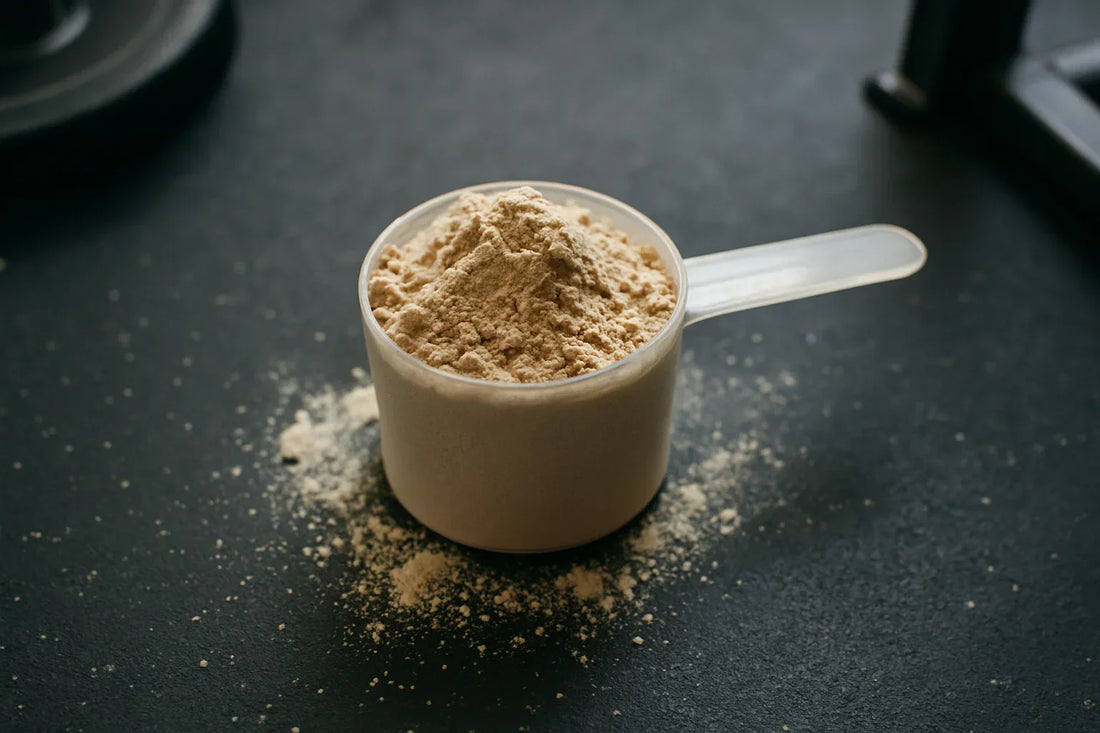
Are you confused about how many scoops of whey protein you should be taking? You’re not alone.
Finding the right amount can feel tricky, especially with so many opinions out there. But knowing the perfect scoop size for your body and goals can make a huge difference in your results. Keep reading, because by the end of this article, you’ll have clear, simple answers that fit your needs—no guesswork, just facts you can trust.
Let’s get your protein intake on point!

Credit: www.reddit.com
Daily Protein Needs
Protein is an important part of a healthy diet. It helps build and repair muscles and other tissues.
People often use whey protein powder to meet their protein needs. But how many scoops should you take daily?
Factors Affecting Protein Intake
Protein needs change based on age, weight, activity level, and health goals. These factors affect how much protein you need each day.
- Body weight: Heavier people need more protein.
- Activity: Active people need more protein to recover.
- Age: Older adults may need more protein to keep muscle.
- Health: Illness or injury can increase protein needs.
- Diet: Vegetarians and vegans may need careful planning.
Protein Requirements For Muscle Growth
Muscle growth requires more protein than normal daily needs. This helps repair muscle after exercise and supports new muscle tissue.
Experts suggest about 1.6 to 2.2 grams of protein per kilogram of body weight for muscle gain. This is higher than the general recommendation.
- A 70 kg person needs about 112 to 154 grams of protein daily for muscle growth.
- One scoop of whey protein usually contains 20 to 25 grams of protein.
- This means about 5 to 7 scoops could meet daily needs for muscle growth.
- It is best to get protein from both food and supplements.

Credit: www.myprotein.com
Whey Protein Benefits
Whey protein is a popular supplement for fitness enthusiasts. It helps build muscles and aids recovery after exercise.
Understanding the benefits of whey can help you decide how much to consume daily. Let’s explore its fast absorption and amino acids content.
Fast Absorption And Muscle Repair
Whey protein absorbs quickly into the body. This makes it a good choice after workouts when muscles need nutrients fast.
Quick absorption helps repair muscles efficiently. It reduces soreness and supports muscle growth.
- Quick intake post-exercise
- Reduces muscle soreness
- Supports faster muscle growth
Essential Amino Acids In Whey
Whey protein contains essential amino acids. These are building blocks for muscles and are vital for growth.
Your body cannot produce these amino acids. Consuming whey ensures you get them in your diet.
- Leucine for muscle synthesis
- Valine for energy and endurance
- Isoleucine for muscle recovery
Determining Scoop Size
Knowing the right scoop size helps you use whey protein correctly. Scoop size can vary by brand and type.
Using the correct scoop ensures you get the right amount of protein each time.
Standard Scoop Measurements
Most whey protein scoops hold about 25 to 30 grams of powder. This is the standard size found in many containers.
Scoop sizes can differ slightly depending on the brand and protein type.
- Common scoop size: 25-30 grams
- May differ by brand
- Check the label for exact scoop weight
Protein Content Per Scoop
One scoop usually contains about 20 to 25 grams of protein. This varies by product and serving size.
Reading the nutrition label tells you the exact protein per scoop.
| Protein Powder Type | Protein per Scoop (grams) |
|---|---|
| Whey Concentrate | 20 – 24 |
| Whey Isolate | 22 – 27 |
| Whey Hydrolysate | 20 – 25 |
Ideal Scoop Quantity
Whey protein is a popular supplement for building muscle and recovering from workouts. Knowing how many scoops to take each day is important.
The right scoop amount depends on your daily protein needs and your activity level. This guide helps you find the ideal scoop quantity.
Matching Scoops To Daily Protein Goals
First, figure out your daily protein goal. Most people need about 0.8 to 1 gram of protein per pound of body weight.
Each scoop of whey protein usually has 20 to 25 grams of protein. Use this to count how many scoops fit your target.
- If your goal is 100 grams, 4 scoops (25 grams each) work well.
- For 150 grams, 6 scoops cover your needs.
- Adjust based on your total food protein intake.
Adjusting Scoops Based On Activity Level
Active people need more protein to repair muscles and boost growth. Less active people need less protein.
Use more scoops on workout days and fewer on rest days. This helps your body recover without wasting protein.
- Light activity: 1-2 scoops per day
- Moderate activity: 3-4 scoops per day
- High activity or intense training: 5-6 scoops per day
Timing Your Intake
Whey protein helps build muscle and recover faster. Taking it at the right time can improve results.
This guide explains how many scoops to take and when to take them for best effects.
Pre-workout Protein
Taking whey protein before a workout gives your muscles fuel. It helps reduce muscle damage.
One scoop 30 to 60 minutes before exercise is enough for most people.
- One scoop contains about 20-25 grams of protein
- Mix with water or milk for faster digestion
- Helps keep energy levels steady during workouts
Post-workout Protein
After your workout, muscles need protein to repair and grow. Whey protein is ideal here.
Take one to two scoops within 30 minutes after training for best muscle recovery.
- One scoop helps start muscle repair
- Two scoops are good after intense workouts
- Mix with water for quick absorption
Protein Throughout The Day
Protein helps your body all day long. Spread your intake to keep muscles fed.
Use one scoop between meals or before bed to meet daily protein needs.
- One scoop between breakfast and lunch
- One scoop between lunch and dinner
- One scoop before sleep to aid overnight recovery

Credit: www.gainful.com
Safety Considerations
Whey protein is popular for building muscle and recovery. Knowing how much to take keeps you safe.
Taking too much whey protein can cause health problems. It is important to use the right amount.
Avoiding Excessive Protein
Eating more protein than your body needs can cause stress on your kidneys. Most adults need about 0.8 grams of protein per kilogram of body weight.
Too many scoops of whey protein add extra protein beyond your daily needs. Balance protein from food and shakes.
- Check the protein content on your whey label per scoop
- Calculate your daily protein need based on your weight
- Don’t exceed 2 grams of protein per kilogram of body weight
- Include protein from meals and snacks in your total
Potential Side Effects
Taking too much whey protein can cause stomach pain, bloating, or diarrhea. Some people may get allergic reactions.
High protein intake over time may harm kidneys and liver. It can also lead to dehydration if you don’t drink enough water.
- Digestive problems like gas and upset stomach
- Allergic reactions such as rash or itching
- Kidney strain in people with existing kidney issues
- Dehydration without proper water intake
When To Consult A Professional
Talk to a doctor or dietitian before starting whey protein. This is important if you have health issues.
See a professional if you feel side effects or are unsure about the right dose. They can guide your safe use.
- If you have kidney or liver disease
- If you experience digestive discomfort after protein use
- If you have allergies to milk or soy
- If you want personalized advice on protein intake
Combining Whey With Diet
Whey protein helps meet daily protein needs. It works best when combined with a balanced diet.
Choosing the right amount of whey depends on your food intake and goals.
Whole Food Protein Sources
Whole foods provide vitamins and minerals whey alone does not. They include meat, eggs, and beans.
Eating whole foods with whey gives your body a full range of nutrients.
- Chicken breast
- Eggs
- Fish
- Tofu
- Legumes
- Greek yogurt
Balancing Macronutrients
Protein is one part of a balanced diet. Carbs and fats also give energy and support health.
Use whey protein to fill gaps, not replace other foods. Balance your meals for best results.
- Include carbs like rice, oats, or sweet potatoes
- Add healthy fats from nuts, seeds, or olive oil
- Combine whey with meals or snacks
- Adjust whey scoops based on your total protein needs
Common Myths
Many people have questions about how much whey protein they should take. There are many myths around this topic. These myths can confuse those who want to use whey protein for better fitness results.
This article clears up some common myths about whey protein scoops and their effects on your body.
More Scoops Equals More Gains?
Some think that taking more scoops of whey protein means faster muscle growth. This is not always true. Your body can only use a certain amount of protein at a time.
Extra protein that your body does not need turns into energy or fat. Eating balanced meals and regular exercise matter more than just protein amount.
- Recommended protein intake depends on your weight and activity level
- Usually, 1 to 2 scoops per day is enough for most people
- Too much protein can cause discomfort or waste
Whey Protein And Kidney Damage
There is a myth that whey protein harms your kidneys. This worry comes from studies on people with kidney disease. For healthy people, whey protein is safe when used correctly.
Eating too much protein over a long time might stress your kidneys. But normal doses of whey protein do not cause kidney damage in healthy individuals.
- Healthy kidneys handle normal protein intake well
- People with kidney problems should follow doctor advice
- Drink water to help kidneys process protein
Frequently Asked Questions
How Many Scoops Of Whey Protein Should I Take Daily?
The ideal daily intake is usually 1 to 2 scoops. It depends on your protein needs, diet, and fitness goals. Consult a nutritionist for personalized advice.
When Is The Best Time To Take Whey Protein Scoops?
The best times are post-workout and between meals. This helps muscle recovery and maintains protein levels throughout the day.
Can I Take More Than Two Scoops Of Whey Protein?
Taking more than two scoops is possible but not always necessary. Excess protein may strain kidneys and add extra calories.
Does Scoop Size Vary Between Whey Protein Brands?
Yes, scoop sizes differ by brand and product. Always check the label for exact protein content per scoop.
Conclusion
Choosing the right amount of whey protein depends on your goals. One or two scoops usually fit most needs. Avoid taking too much in one day. Your body can only use a certain amount at once. Balance protein with other nutrients and exercise.
Listen to your body and adjust if needed. Consistency matters more than quantity every day. Stay patient and keep track of your progress. Simple steps lead to better results over time.


