
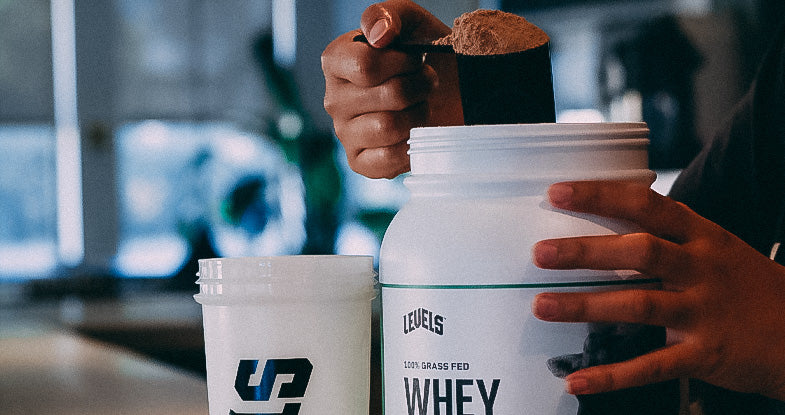
Are you wondering how many whey protein shakes you should have each day to get the best results? Whether you want to build muscle, lose weight, or simply stay healthy, knowing the right amount is key.
Too little might not give you the benefits you want, and too much could waste your money or even harm your body. You’ll discover the perfect balance for your goals, lifestyle, and fitness routine. Keep reading to find out exactly how to make whey protein work for you!
Benefits Of Whey Protein
Whey protein is a popular supplement for fitness enthusiasts. It offers many benefits for health and wellness.
Understanding how whey protein supports your body can help you use it effectively. Let’s explore its benefits.
Muscle Growth And Repair
Whey protein helps build and repair muscles. It provides essential amino acids your body needs after exercise.
Many athletes consume whey protein shakes to support muscle recovery. They find it useful after workouts.
- Increases muscle protein synthesis
- Reduces muscle soreness
- Supports lean muscle growth
Weight Management
Whey protein can help with weight management. It makes you feel full, reducing hunger and calorie intake.
Some people use whey protein shakes as meal replacements. This helps them control their daily calorie consumption.
- Aids in fat loss
- Preserves muscle mass during dieting
- Boosts metabolism
Immune Support
Whey protein supports the immune system. It contains glutathione, an antioxidant that helps protect cells.
Regular consumption of whey protein may enhance your body’s defense against illnesses. It’s a simple way to boost immunity.
- Increases production of immune cells
- Reduces oxidative stress
- Supports overall health
Daily Protein Needs
Protein is important for muscle growth and repair. It also helps keep your body strong and healthy.
Whey protein shakes can help you meet your daily protein goals. But the right amount depends on your needs.
Factors Affecting Protein Intake
Your protein needs change based on many things. Age, activity level, and health affect how much you need.
People who exercise a lot or want to build muscle need more protein. Older adults may need extra protein too.
- Age: Older adults need more protein to keep muscles strong
- Activity level: Athletes need more protein for muscle repair
- Body weight: Heavier people require more protein
- Health status: Illness or recovery may increase protein needs
- Goals: Weight loss or muscle gain can change protein amounts
Calculating Your Protein Requirement
To find your daily protein need, multiply your weight by a number. This number depends on your lifestyle.
For most people, 0.8 grams per kilogram of body weight is enough. Active people may need 1.2 to 2.0 grams.
| Activity Level | Protein (grams per kg) |
|---|---|
| Sedentary (little exercise) | 0.8 |
| Moderate exercise | 1.0 – 1.2 |
| Heavy training or muscle gain | 1.5 – 2.0 |
| Weight loss with muscle retention | 1.8 – 2.0 |
Once you know your daily protein need, you can decide how many whey protein shakes to drink. Each shake usually has 20-30 grams of protein.
Optimal Whey Protein Intake
Whey protein is a popular supplement for muscle growth and recovery. Knowing how many shakes to drink helps you get the best results.
Too much or too little whey can affect your progress. Balance is key for optimal intake.
Recommended Servings Per Day
Most people benefit from one to three whey protein shakes daily. The amount depends on your diet and activity level.
A standard serving is about 20 to 30 grams of protein per shake. This amount supports muscle repair and growth.
- One shake suits those with enough protein in meals
- Two or three shakes help active individuals and athletes
- Do not exceed recommended daily protein for your body weight
Timing Your Protein Shakes
Timing your whey protein shakes improves muscle recovery and growth. Drink shakes around your workouts for best effects.
Consuming whey soon after exercise helps muscles rebuild. A shake before bed can also support overnight repair.
- Drink one shake within 30 minutes after exercise
- Consider a shake before or after breakfast if you skip meals
- Use a shake before bedtime to aid muscle recovery

Credit: www.gainful.com
Whey Protein Types
Whey protein comes in different forms. Each type has unique features and benefits.
Knowing the types helps you decide how many shakes to take daily. It also guides your choice based on your goals.
Concentrate Vs Isolate
Whey concentrate contains more fat and lactose. It has about 70-80% protein.
Whey isolate has less fat and lactose. It offers 90% or more protein per serving.
- Concentrate is cheaper and tastes creamier.
- Isolate suits people with lactose intolerance.
- Isolate absorbs faster in the body.
- Both support muscle growth effectively.
Hydrolysate Benefits
Hydrolysate whey is pre-digested. It breaks down protein into smaller parts.
This form absorbs very quickly. It may reduce allergies and stomach issues.
- Hydrolysate helps fast muscle recovery.
- It is easier to digest than other types.
- It can be more expensive than concentrate or isolate.
- Good for people with sensitive digestion.
Common Mistakes To Avoid
Whey protein shakes can help with muscle growth and recovery. But many people make mistakes in how much they drink.
These mistakes can reduce benefits or cause health problems. Knowing what to avoid is important for safe use.
Overconsumption Risks
Drinking too many whey protein shakes can harm your body. Your kidneys and liver work hard to process extra protein.
Too much protein can cause stomach pain, nausea, or dehydration. It also adds extra calories that may lead to weight gain.
- Strain on kidneys and liver
- Digestive problems like bloating
- Unwanted weight gain from extra calories
- Possible nutrient imbalance
Ignoring Whole Foods
Relying only on whey protein shakes means missing out on real food benefits. Whole foods provide vitamins and minerals.
Eating balanced meals supports overall health better than just shakes. Protein shakes should add to your diet, not replace meals.
- Whole foods offer fiber for digestion
- Vitamins and minerals support energy and immunity
- Variety helps keep meals interesting
- Better long-term health support

Credit: levelsprotein.com
Customizing Intake For Goals
Whey protein shakes help many people reach their health goals. The number of shakes you need depends on what you want to achieve.
Each goal requires a different amount of protein and calories. Knowing this helps you plan your intake well.
Building Muscle
To build muscle, you need more protein to repair and grow your muscles. Whey shakes are a quick way to add protein.
Many people take 1 to 3 whey protein shakes a day. This depends on your total protein needs and diet.
- Have one shake after workouts for muscle repair
- Use shakes to fill protein gaps in meals
- Make sure total protein is about 1.6 to 2.2 grams per kg of body weight
Fat Loss
For fat loss, protein helps keep you full and protect muscle. Whey shakes support these benefits.
One or two shakes per day can help you meet protein needs without extra calories from food.
- Use shakes as meal replacements to control calories
- Drink a shake after exercise to preserve muscle
- Aim for about 1.6 to 2 grams of protein per kg of body weight daily
Maintenance
When you want to maintain your weight and muscle, balance protein intake with your activity level.
One shake a day is usually enough if your meals have enough protein.
- Use shakes to meet daily protein goals
- Keep protein intake around 1.2 to 1.6 grams per kg of body weight
- Adjust shakes based on how active you are
Mixing Whey With Other Nutrients
Whey protein shakes provide quick protein for muscle repair. Mixing whey with other nutrients helps improve energy and absorption.
Adding carbs or healthy fats to your whey shake can support your workout and recovery better. These nutrients work well with protein.
Combining With Carbs
Carbohydrates give energy and refill your muscle fuel after exercise. Mixing whey with carbs helps your body use protein well.
Simple carbs like fruit or honey digest fast and work well after workouts. Complex carbs like oats provide steady energy over time.
- Fruit such as banana or berries
- Honey or maple syrup
- Oats or whole grain cereal
- Sweet potatoes or brown rice
Adding Healthy Fats
Healthy fats help your body absorb vitamins and support brain health. Adding fats to whey shakes makes them more filling.
Good fat sources include nuts, seeds, and oils. These fats slow digestion and give steady energy.
- Almonds, walnuts, or cashews
- Chia seeds or flaxseeds
- Peanut butter or almond butter
- Coconut oil or olive oil

Credit: www.exalt.co.uk
Whey Protein Safety
Whey protein is a popular supplement for muscle growth and recovery. Many people wonder how many shakes they can safely drink each day.
It is important to know the safety aspects of whey protein. This helps avoid health problems and get the best results.
Potential Side Effects
Whey protein is safe for most people when taken in moderate amounts. Too much whey protein can cause side effects.
Common side effects include digestive issues and allergic reactions. Some people may feel bloated or have stomach cramps.
- Stomach pain or cramps
- Bloating and gas
- Diarrhea
- Allergic reactions such as rashes or swelling
- Kidney strain if taken in very high amounts
Who Should Avoid Whey
Not everyone should use whey protein. Some people need to avoid it to stay healthy.
People with certain allergies or health conditions should skip whey or talk to a doctor first.
- Those allergic to milk or dairy products
- People with lactose intolerance
- Individuals with kidney disease
- People with certain digestive disorders
- Pregnant or breastfeeding women should consult a doctor
Alternatives To Whey Protein
Whey protein is popular, but not everyone can or wants to use it. Some people look for other protein sources. Many options suit different diets and needs.
These alternatives can provide good nutrition and support muscle growth. It is important to find what works best for your body and lifestyle.
Plant-based Proteins
Plant-based proteins come from vegetables, seeds, and grains. They are good for people who avoid dairy or want vegan options.
Common plant proteins include pea, rice, and hemp. They have different tastes and nutrient profiles.
- Pea Protein:High in iron and easy to digest.
- Rice Protein:Light taste and hypoallergenic.
- Hemp Protein:Contains healthy fats and fiber.
- Soy Protein:Complete protein with all amino acids.
Other Supplement Options
Besides plant proteins, other supplements can help increase protein intake. These work well for different goals and preferences.
Collagen and egg white protein are popular choices. They offer unique benefits and can be mixed into shakes or meals.
- Collagen:Supports skin and joint health.
- Egg White Protein:Low fat and high quality.
- Casein Protein:Slow digestion for overnight recovery.
- Protein Blends:Combine multiple sources for balanced nutrition.
Frequently Asked Questions
How Many Whey Protein Shakes Are Safe Daily?
Consuming 1 to 2 whey protein shakes daily is generally safe for most people. Excessive intake may strain kidneys and cause digestive issues. Balance shakes with whole foods for optimal nutrition and avoid relying solely on supplements.
When Is The Best Time To Drink Whey Protein?
The best time to drink whey protein is within 30 minutes post-workout. This timing aids muscle recovery and growth. It can also be consumed in the morning or between meals to meet daily protein needs.
Can Whey Protein Replace Meals Completely?
Whey protein should not replace entire meals. It supplements protein intake but lacks essential nutrients found in whole foods. Use shakes to complement a balanced diet, not as a sole nutrition source.
How Much Whey Protein Is Needed Per Day?
Most adults need 0. 8 to 1 gram of protein per kilogram of body weight. Athletes may require up to 1. 6 grams. Whey protein helps meet these needs but total protein includes all dietary sources.
Conclusion
Whey protein shakes can support your daily protein needs well. Most people benefit from one to two shakes a day. Eating balanced meals remains important alongside protein shakes. Too many shakes may cause digestive issues or extra calories. Listen to your body and adjust servings as needed.
Stay consistent with your routine for best results. Protein shakes are a helpful tool, not a full diet. Choose quality whey protein and enjoy it in moderation. Your health and fitness goals guide how many shakes to take.


