
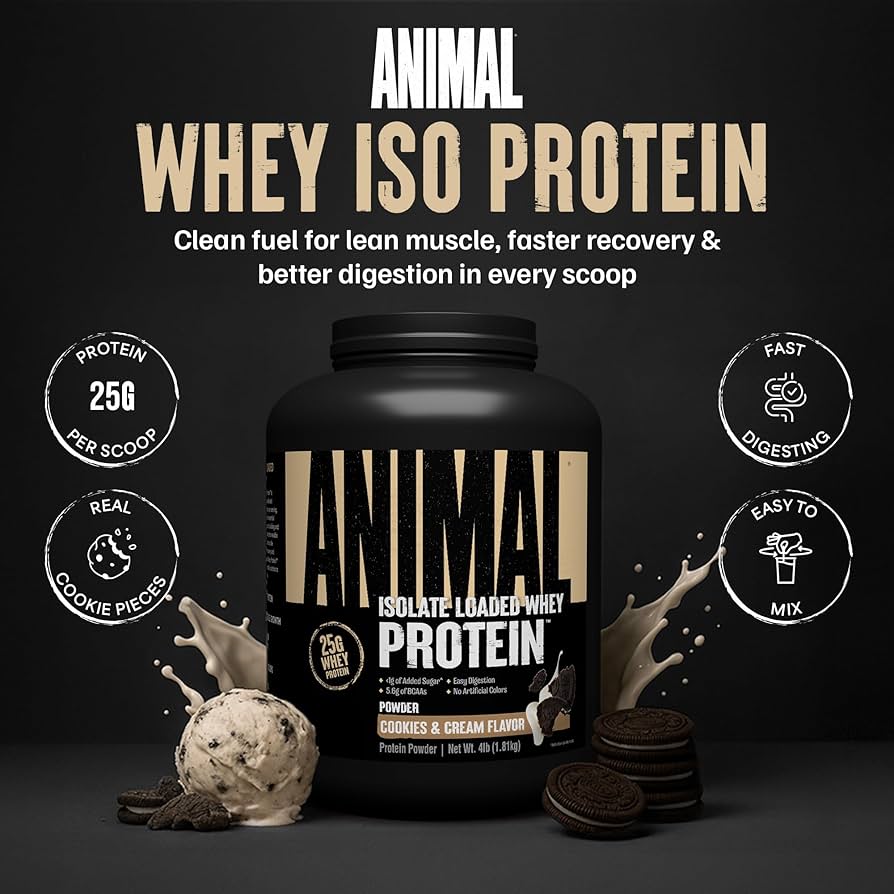
Are you curious about what exactly whey protein is and where it comes from? If you’ve ever wondered whether whey is an animal protein, you’re not alone.
Understanding this can help you make better choices for your diet and health. You’ll discover the truth about whey, how it’s made, and what that means for your nutrition. Keep reading to clear up the confusion and find out if whey fits into your lifestyle.
What Is Whey Protein
Whey protein is a popular supplement used by many people. It is known for its high-quality protein content.
Whey is derived from milk during the cheese-making process. It is a complete protein containing all essential amino acids.
Source Of Whey Protein
Whey protein comes from cow’s milk. During cheese production, milk is curdled, leaving a liquid called whey.
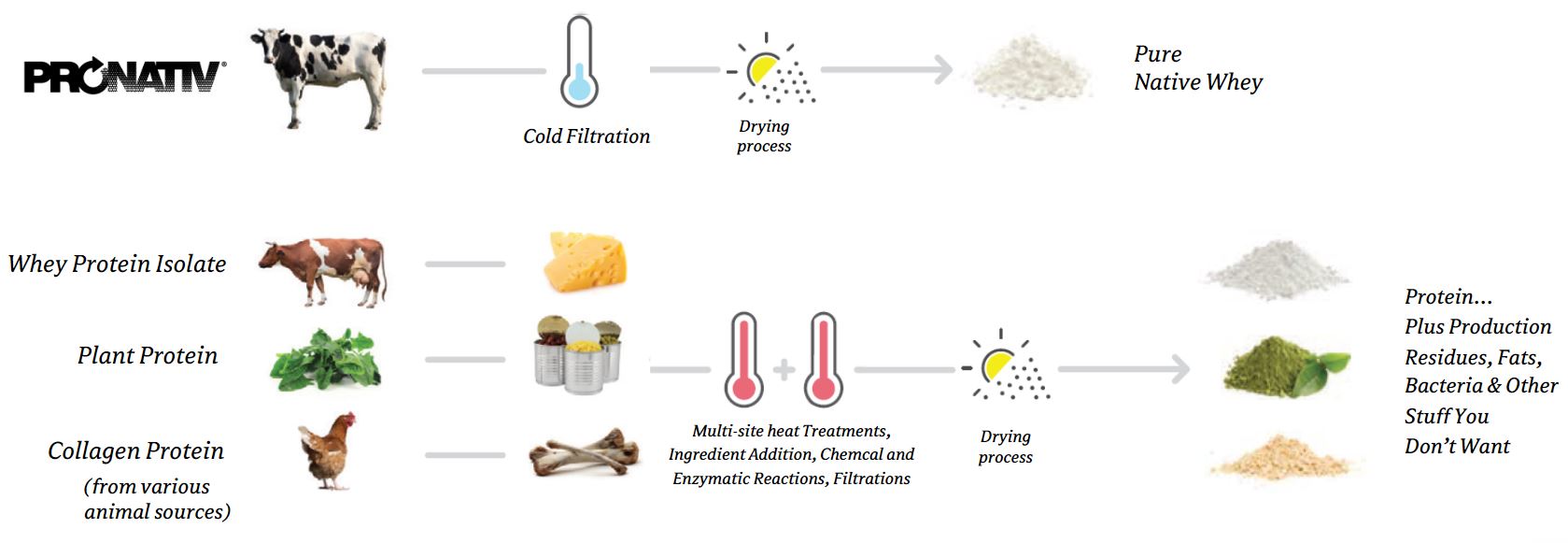
This liquid whey is then processed and dried to form whey protein powder. It is rich in proteins and nutrients.
- Whey is a by-product of cheese-making
- It is separated from milk
- Processed and turned into powder
Types Of Whey Protein
There are several types of whey protein available. Each type has different properties and benefits.
The most common types include whey protein concentrate, isolate, and hydrolysate. They vary in protein content and processing methods.
| Type | Protein Content | Features |
| Concentrate | 70-80% | Contains some fats and lactose |
| Isolate | 90% or more | More processed, less fat and lactose |
| Hydrolysate | Varies | Pre-digested, easy to absorb |
Credit: www.animalpak.com
Animal Origin Of Whey
Whey is a type of protein that comes from animals. It is found in milk, which comes from cows and other mammals.
This makes whey an animal protein because it is made from animal milk.
Whey As A Dairy Byproduct
Whey is a byproduct of making cheese or yogurt. When milk is turned into cheese, it separates into curds and whey.
The curds become cheese, and the liquid left behind is whey. This liquid contains protein, vitamins, and minerals.
Extraction Process From Milk
The process starts by adding an enzyme to milk to make it curdle. This splits the milk into solid curds and liquid whey.
After separating the whey, it is filtered and dried to make whey protein powder.
- Milk is collected from cows or other mammals
- An enzyme is added to curdle the milk
- Curds and whey separate
- Whey is filtered to remove fats and carbs
- Filtered whey is dried into powder
Comparison With Plant-based Proteins
Whey protein comes from milk, making it an animal protein. Plant-based proteins come from foods like beans, peas, and rice. Both types provide protein but differ in many ways.
This comparison helps you understand how whey and plant proteins differ in nutrition and how your body uses them.
Nutritional Differences
Whey protein contains all essential amino acids your body needs. It has a high amount of branched-chain amino acids (BCAAs) that support muscle growth. Plant proteins often lack one or more essential amino acids.
Plant proteins vary in their nutrient content. Some have fiber and antioxidants, which whey lacks. You can mix different plant proteins to get all essential amino acids.
- Whey is a complete protein with all essential amino acids.
- Plant proteins may miss certain essential amino acids.
- Whey is rich in BCAAs, important for muscles.
- Plant proteins often contain fiber and antioxidants.
- Combining plant proteins can create a complete amino acid profile.
Digestibility And Absorption
Whey protein digests quickly and absorbs fast in the body. This helps muscles recover after exercise. Plant proteins digest slower because of fiber and other compounds.
Some plant proteins have parts that can reduce digestion. Processing methods can improve their absorption. Whey generally has higher digestibility scores than plant proteins.
| Protein Type | Digestion Speed | Absorption Rate |
|---|---|---|
| Whey Protein | Fast | High |
| Plant-Based Protein | Slow to Moderate | Variable |
Benefits Of Whey Protein
Whey protein is a popular supplement made from milk. It is an animal protein because it comes from dairy.
Many people use whey protein to improve their health and fitness. It offers many benefits for the body.
Muscle Growth And Recovery
Whey protein contains all essential amino acids. These help build and repair muscles after exercise.
It is quickly absorbed by the body. This speeds up muscle recovery and reduces soreness.
- Supports muscle repair after workouts
- Provides essential amino acids for growth
- Quick digestion helps faster recovery
Weight Management
Whey protein can help control hunger by keeping you full longer. This helps reduce calorie intake.
It also supports lean muscle mass. More muscle helps burn more calories even at rest.
- Increases feelings of fullness
- Helps maintain lean muscle during weight loss
- Boosts metabolism to burn more calories
Concerns And Considerations
Whey protein is a popular supplement made from milk. It contains animal protein that some people worry about.
It is important to think about health, ethical, and environmental factors before using whey.
Lactose Intolerance And Allergies
Whey protein comes from milk, which contains lactose. People with lactose intolerance may feel sick after taking whey.
Some people can have allergies to milk proteins like whey. This can cause skin rashes or breathing problems.
- Symptoms of lactose intolerance include stomach pain and gas
- Milk allergy symptoms can be more severe and need medical care
- Whey isolate has less lactose but may still affect sensitive people
Ethical And Environmental Factors
Whey protein is an animal product from dairy cows. Some people avoid it for ethical reasons.
Raising cows uses lots of water and land. It also produces greenhouse gases that harm the planet.
- Animal welfare concerns related to dairy farming
- High water use and land needed for cows
- Greenhouse gas emissions contribute to climate change

Credit: www.amazon.com
Alternatives To Whey Protein
Whey protein comes from milk and is an animal protein. Some people want other options. Plant-based proteins offer good alternatives for those who avoid animal products.
These alternatives provide protein for muscle building and recovery. They also suit vegans and those with lactose intolerance.
Popular Plant-based Proteins
Plant-based proteins come from seeds, beans, and grains. They have different tastes and nutrient profiles. Many are easy to digest and rich in fiber.
- Pea protein: High in iron and easy to digest
- Brown rice protein: Hypoallergenic and gluten-free
- Hemp protein: Contains omega-3 fatty acids and fiber
- Chia seed protein: Rich in antioxidants and fiber
- Soy protein: Complete protein with all essential amino acids
These proteins support muscle repair and can be mixed into shakes or recipes.
Blended Protein Options
Blended proteins combine different plant sources. This mix improves the balance of amino acids. Blends provide a complete protein profile similar to whey.
- Pea and rice protein blend: Complements each other’s amino acids
- Hemp and chia blend: Adds healthy fats and fiber
- Multiple plant blends: Often include quinoa, pumpkin seed, and others
These blends are good for people who want a full range of nutrients from plants. They work well in smoothies and cooking.
Credit: www.lactalisingredients.com
Frequently Asked Questions
Is Whey Considered An Animal Protein Source?
Whey is an animal protein derived from milk. It contains all essential amino acids, making it a complete protein. It is popular in fitness and nutrition for muscle building and recovery.
How Is Whey Protein Made From Animals?
Whey protein is extracted during cheese production from cow’s milk. The liquid whey separates from the curds, then it is processed into powder form for supplements.
Does Whey Protein Contain All Essential Amino Acids?
Yes, whey protein contains all nine essential amino acids. This makes it a complete protein, beneficial for muscle repair and overall health.
Can Vegetarians Consume Whey Protein?
Lacto-vegetarians can consume whey since it comes from milk. However, vegans avoid whey as it is an animal-derived product.
Conclusion
Whey is a protein made from milk, so it is animal-based. It contains all essential amino acids your body needs. Many people use whey for muscle growth and recovery. It digests quickly, making it a popular choice after workouts. If you want a plant-based option, whey is not suitable.
Knowing this helps you choose the right protein for your diet. Whey offers quality nutrition from animal sources, clear and simple.


