
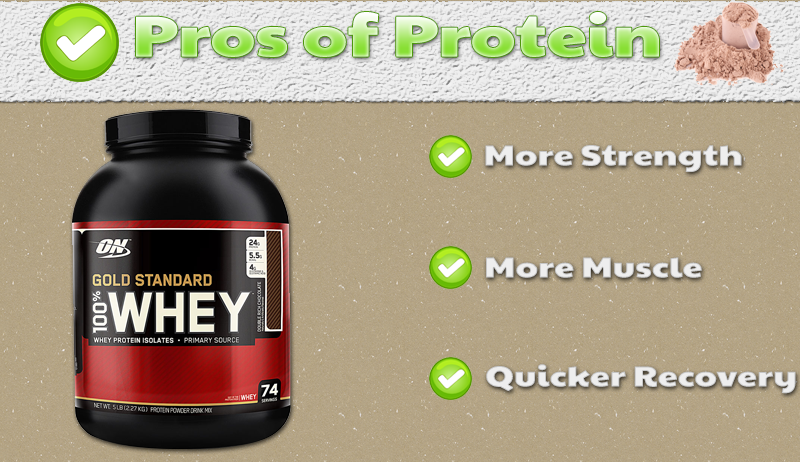
Are you wondering if whey protein could be the reason your weight is going up? You’re not alone.
Many people ask, “Does whey protein make you gain weight? ” It’s a common concern, especially if you’re trying to build muscle or lose fat. The truth might surprise you. This article will clear up the confusion and help you understand how whey protein really affects your body.
Keep reading to find out what you need to know before adding whey protein to your routine.

Credit: www.gq.com
Whey Protein Basics
Whey protein is a popular supplement for fitness enthusiasts. It helps in muscle growth and recovery.
Many people wonder if whey protein causes weight gain. Understanding its types and uses can help.
What Is Whey Protein?
Whey protein is a protein found in milk. It is a by-product of cheese making.
It contains essential amino acids. These are important for building muscles.
- Supports muscle growth
- Improves recovery after exercise
- Boosts daily protein intake
Types Of Whey Protein
There are three main types of whey protein. Each type has different benefits.
These types are whey protein concentrate, isolate, and hydrolysate.
| Whey Protein Concentrate | Contains some fat and lactose |
| Whey Protein Isolate | Higher protein content, lower fat and lactose |
| Whey Protein Hydrolysate | Pre-digested for faster absorption |

Credit: in.fastandup.com
Whey Protein And Weight Gain
Many people wonder if whey protein causes weight gain. Whey protein is a popular supplement used to build muscle. It contains protein, which helps repair and grow muscles after exercise.
Weight gain happens when you eat more calories than you burn. Whey protein can add calories to your diet. This may lead to weight gain if you are not careful.
Caloric Content And Weight
Whey protein has calories like any food. One scoop usually has about 100 to 130 calories. These calories come mainly from protein, with some fat and carbs.
If you add whey protein to your meals without reducing other foods, you may eat extra calories. This can cause your body to store fat and gain weight.
- One scoop of whey protein: 100-130 calories
- Calories come mostly from protein
- Extra calories can lead to weight gain
- Balance your total daily calories to control weight
Muscle Gain Vs Fat Gain
Whey protein helps build muscle, not fat. Muscle gain is a healthy form of weight gain. It improves strength and body shape.
Fat gain happens when you eat too many calories without exercise. Using whey protein with workouts helps turn calories into muscle instead of fat.
- Whey protein supports muscle growth
- Muscle gain improves body strength
- Too many calories without exercise cause fat gain
- Exercise helps convert calories into muscle
Factors Influencing Weight Changes
Whey protein is popular for building muscle and recovery. Some people wonder if it makes them gain weight.
Weight changes depend on many factors. Whey protein alone does not cause weight gain.
Diet And Calorie Balance
Weight gain happens if you eat more calories than you burn. Whey protein adds calories to your diet.
If you eat too much protein and other foods, your body stores extra calories as fat.
- Track your total daily calories
- Include whey protein calories in your count
- Balance protein with carbs and fats
- Eat only enough to meet your goals
Exercise And Activity Levels
Exercise helps burn calories and build muscle. Whey protein supports muscle growth after workouts.
If you are not active, extra protein calories may add to fat instead of muscle.
- Increase daily physical activity
- Use whey protein after strength training
- Stay consistent with exercise routines
- Combine cardio and weight training
Metabolism And Genetics
Metabolism controls how your body uses energy. Some people burn calories faster than others.
Your genes affect how you gain or lose weight. Whey protein’s effect varies by individual metabolism.
- Know your metabolism rate
- Adjust protein intake to your energy needs
- Be patient with your body changes
- Consult health experts if needed
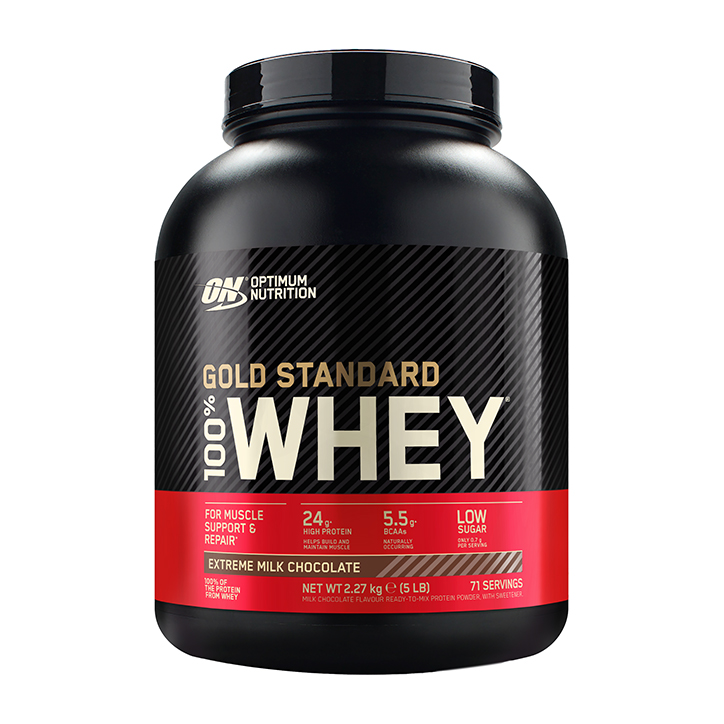
Credit: www.hollandandbarrett.com
Common Myths About Whey Protein
Many people think whey protein causes weight gain. This idea is common but not always true. It is important to know the facts before making choices.
This article clears up some myths about whey protein and weight gain. Understanding how whey works helps you use it well.
Whey Protein Causes Fat Gain
Some believe whey protein turns into fat quickly. Whey protein itself does not cause fat gain. Fat gain happens when you eat more calories than you burn.
Whey protein can help build muscle, which burns more calories. Eating whey protein alone won’t make you fat unless you eat too much overall.
- Fat gain comes from extra calories, not just protein
- Whey helps muscle growth and recovery
- Balanced diet and exercise affect body fat more
Whey Protein Alone Leads To Weight Gain
Whey protein alone does not cause weight gain. It is a food source with calories like any other. Weight gain depends on total calorie intake and activity level.
If you add whey protein but keep your calories the same, you will not gain weight. Whey can be part of a healthy diet without causing unwanted weight gain.
- Weight gain needs more calories than you burn
- Whey protein adds protein, not extra fat
- Exercise helps control your weight and build muscle
Using Whey Protein Effectively
Whey protein is a popular supplement to help build muscle and recover after exercise. Many wonder if it causes weight gain.
Using whey protein the right way can support your fitness goals without unwanted weight gain.
Recommended Dosage
The right amount of whey protein depends on your body weight and activity level. Usually, 20 to 30 grams per serving is enough.
Taking more than your body needs can add extra calories and cause weight gain.
- Most adults need about 0.8 to 1 gram of protein per kilogram of body weight daily
- Athletes or active people may need up to 1.5 grams per kilogram
- One whey protein scoop usually contains 20 to 25 grams
Timing And Meal Integration
When you take whey protein can affect how your body uses it. It works best around workout times.
Mix whey protein with meals or snacks to balance your diet and avoid extra calories.
- Consume whey protein within 30 minutes after exercise for muscle recovery
- Add whey protein to breakfast or snacks to increase protein intake
- Avoid taking whey protein alone too often to prevent excess calorie intake
Potential Side Effects And Considerations
Whey protein is a popular supplement for building muscle and recovery. It can help with protein intake but may cause side effects for some people.
It is important to know the possible issues before adding whey protein to your diet. This helps you use it safely.
Digestive Issues
Some people may feel bloated, gas, or stomach cramps after taking whey protein. This happens because of lactose or other ingredients.
Those who are lactose intolerant might find whey concentrate harder to digest. Whey isolate usually has less lactose and may be easier.
- Bloating and gas
- Stomach cramps
- Diarrhea in some cases
- Choosing whey isolate can reduce problems
Allergies And Sensitivities
Whey protein comes from milk, so people with milk allergies can have reactions. Symptoms may include itching, swelling, or breathing issues.
Some people also have sensitivities to additives or sweeteners in whey products. These can cause headaches or skin problems.
- Milk allergy reactions
- Skin rashes or itching
- Headaches from additives
- Check ingredients before use
Frequently Asked Questions
Does Whey Protein Cause Weight Gain?
Whey protein itself doesn’t cause weight gain. Weight gain happens if you consume more calories than you burn. Whey protein supports muscle growth and recovery, which can increase lean mass, not fat.
How Does Whey Protein Affect Body Weight?
Whey protein helps build muscle, which can increase body weight as muscle is denser than fat. It supports fat loss when combined with exercise and a balanced diet.
Can Whey Protein Lead To Fat Gain?
Whey protein alone doesn’t cause fat gain. Excess calorie intake from any source, including whey, can lead to fat accumulation. Monitor your total daily calories to avoid unwanted fat gain.
Is Whey Protein Suitable For Weight Loss?
Yes, whey protein can aid weight loss by promoting satiety and preserving muscle mass during calorie deficits. It helps maintain metabolism and reduces hunger.
Conclusion
Whey protein alone does not cause weight gain. Gaining weight depends on how much you eat overall. It adds protein to your diet, which helps build muscle. Muscle weighs more than fat but is healthy weight. Eating too many calories, even from protein, can increase weight.
Use whey protein to support workouts and recovery. Balance your diet with good foods and exercise. Monitor your calorie intake to keep weight steady. Whey protein is a helpful tool, not a weight-gain magic. Choose wisely and listen to your body’s needs.


