

Are you wondering if whey protein isolate is safe for your gluten-free diet? Whether you have celiac disease, gluten sensitivity, or simply want to avoid gluten, knowing what’s really in your protein powder is crucial.
You want to fuel your body without risking discomfort or health issues. You’ll discover the truth about whey protein isolate and gluten, so you can make confident choices that support your wellness goals. Keep reading to find out what you need to watch for and how to choose the best protein for your needs.
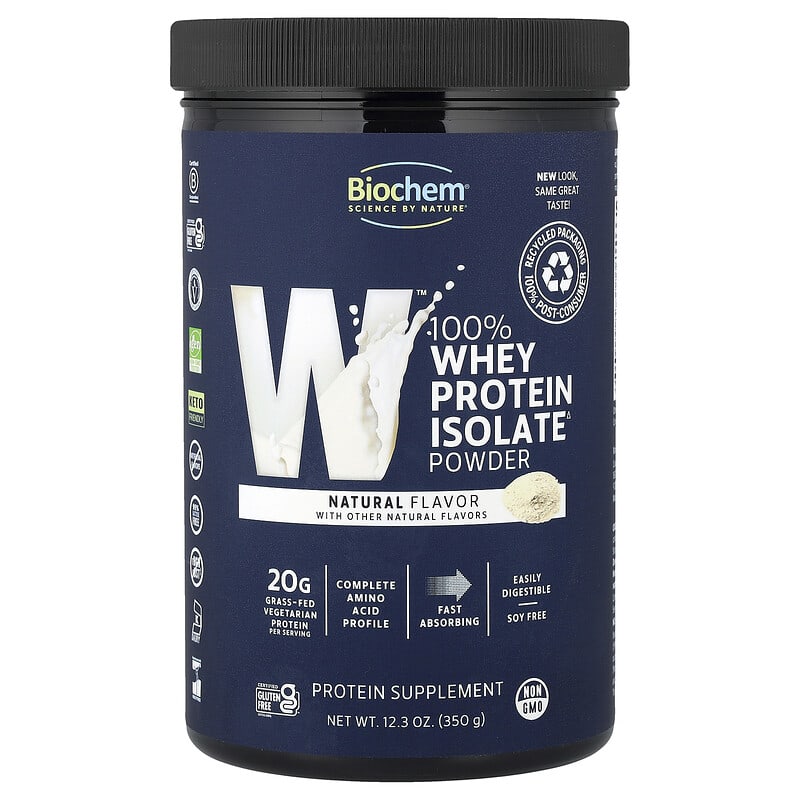
Credit: ca.iherb.com
What Is Whey Protein Isolate
Whey protein isolate is a popular supplement. It is used by athletes and fitness enthusiasts. It helps in muscle building and recovery.
It is made from whey, which is a by-product of cheese. Whey protein isolate is highly processed to remove fat and lactose.
Source And Production
Whey protein isolate comes from cow’s milk. Milk contains two types of protein: casein and whey. Whey is separated during cheese production.
After separation, whey is filtered to remove fats and lactose. This results in a high-protein powder. The process ensures whey protein isolate is low in fat and carbs.
- Derived from cow’s milk
- Filtered to remove fats and lactose
- Results in high-protein powder
Nutritional Profile
Whey protein isolate is rich in protein. It contains all essential amino acids. These are needed for muscle repair and growth.
It is low in carbohydrates and fats. This makes it ideal for people on low-carb diets. It also contains minimal lactose, suitable for those with lactose intolerance.
| Nutrient | Content |
| Protein | 90% or more |
| Fat | 1% or less |
| Carbohydrates | 1-3% |
Gluten And Its Sources
Gluten is a protein found in some grains. It helps food keep its shape.
People with gluten sensitivity avoid foods that contain gluten. Knowing common sources helps them stay safe.
Common Gluten-containing Foods
Many everyday foods contain gluten. These come from grains like wheat, barley, and rye.
- Bread and baked goods made with wheat flour
- Pasta and noodles from wheat
- Cereals that list wheat, barley, or rye
- Crackers and snack foods with wheat ingredients
- Some sauces and soups thickened with wheat flour
Gluten Contamination Risks
Gluten can contaminate foods that are normally gluten-free. This happens during processing or cooking.
Cross-contact with gluten can occur in shared kitchen tools or production lines.
- Using the same toaster for gluten and gluten-free bread
- Shared cutting boards or utensils
- Factory equipment that processes both gluten and gluten-free foods
- Bulk bins where gluten and gluten-free grains mix
Is Whey Protein Isolate Naturally Gluten Free
Whey protein isolate is a popular supplement for muscle building. Many people wonder if it contains gluten. Gluten is a protein found in wheat and some grains.
This article explains if whey protein isolate is naturally gluten free. It also looks at milk-based protein and gluten in manufacturing processes.
Milk-based Protein
Whey protein isolate comes from milk. Milk does not have gluten. This means whey protein isolate is naturally free of gluten.
Whey protein isolate is made by filtering milk protein. This process removes most fats and lactose. It does not add gluten to the protein.
Gluten Manufacturing Processes
Gluten is found in wheat, barley, and rye. It is not part of milk or whey. Gluten can enter whey products only if cross-contamination happens.
Manufacturers must keep whey protein free from gluten during processing. This includes cleaning machines and using gluten-free ingredients.
- Whey protein isolate does not contain gluten naturally
- Cross-contamination can cause gluten presence
- Check labels for gluten-free certification
- Manufacturing controls reduce gluten risk

Credit: biochemprotein.com
Cross-contamination Concerns
People who avoid gluten worry about cross-contamination in whey protein isolate. Even if the product itself is gluten-free, it might have traces of gluten.
Cross-contamination happens when gluten mixes with whey protein during processing. This can cause problems for those with celiac disease or gluten sensitivity.
Shared Equipment Issues
Whey protein isolate is often made in factories that also handle gluten products. The same machines can process different powders.
Without proper cleaning, gluten can transfer to whey protein. This creates a risk for gluten contamination in the final product.
- Equipment may hold gluten residues
- Cleaning routines might not remove all gluten
- Cross-contact can occur during packaging
Labeling And Certifications
Labels help consumers know if whey protein isolate is gluten-free. Some products have special gluten-free certifications.
Look for clear gluten-free labels and third-party testing. These show the product meets strict gluten-free standards.
- Gluten-free label means less risk of contamination
- Certified products undergo regular gluten testing
- Check ingredient lists for hidden gluten sources
Choosing Gluten-free Whey Protein Isolate
Whey protein isolate is popular for muscle building and recovery. People with gluten sensitivity need to check if it is gluten-free.
Not all whey protein isolates are gluten-free. You must choose carefully to avoid gluten in your diet.
Reading Product Labels
Always read the product label before buying whey protein isolate. Look for gluten-free claims or warnings about gluten.
Check the ingredients list for wheat, barley, rye, or malt. These ingredients contain gluten and should be avoided.
- Look for the phrase “gluten-free” on the label
- Check for allergen statements about gluten
- Avoid products with wheat, barley, or rye
- Check if the product was made in a gluten-free facility
Trusted Brands And Certifications
Choose brands known for gluten-free products. Trusted brands test their whey protein to ensure no gluten is present.
Look for certification logos from gluten-free organizations. These show the product meets strict gluten-free standards.
- Certified Gluten-Free by recognized groups
- Third-party testing for gluten contamination
- Brands with clear gluten-free labeling
- Positive reviews from gluten-sensitive users
Benefits Of Gluten-free Whey Protein Isolate
Whey protein isolate is a popular supplement for many people. It helps build muscle and recover after workouts. Some whey protein isolates are gluten-free. This means they do not contain gluten, a protein found in wheat and some grains.
Choosing gluten-free whey protein isolate offers special benefits. It supports those who cannot eat gluten. It can also be a healthy option for others who want pure protein without gluten.
For Gluten-sensitive Individuals
People with gluten sensitivity or celiac disease must avoid gluten. Gluten-free whey protein isolate is safe for them to use. It does not cause digestive problems or allergic reactions linked to gluten.
This protein helps gluten-sensitive individuals meet their protein needs. It supports muscle health and energy without risking gluten exposure.
- Reduces risk of gluten-related symptoms
- Supports muscle repair and growth
- Easy to digest for sensitive stomachs
General Health Advantages
Gluten-free whey protein isolate offers benefits beyond gluten avoidance. It contains high-quality protein that is quickly absorbed. This helps with muscle building and recovery.
It is low in fat and lactose. This makes it a cleaner protein source. People who want to manage weight or improve nutrition can choose it safely.
- Supports lean muscle mass
- Low in fat and carbs
- Helps maintain a balanced diet
- Good option for lactose-sensitive people

Credit: allmaxnutrition.com
Frequently Asked Questions
Is Whey Protein Isolate Naturally Gluten Free?
Yes, whey protein isolate is naturally gluten free. It is derived from milk and contains no gluten proteins. Always check labels for cross-contamination risks or added gluten ingredients to ensure safety.
Can People With Celiac Disease Use Whey Protein Isolate?
People with celiac disease can generally use whey protein isolate safely. Choose certified gluten-free brands to avoid any gluten contamination and protect your health.
How To Identify Gluten-free Whey Protein Isolate Brands?
Look for “gluten-free” labels or certifications on whey protein isolate packaging. Check ingredient lists for gluten sources and opt for reputable brands that test for allergens.
Does Whey Protein Isolate Cause Gluten Allergies?
Whey protein isolate does not cause gluten allergies because it lacks gluten. Allergic reactions to gluten come from wheat, barley, or rye, not dairy-based proteins.
Conclusion
Whey protein isolate usually does not contain gluten. Most brands make it from milk, which is naturally gluten free. Still, always check the label to be sure. Cross-contamination can happen during production. Choose products that say “gluten free” for safety.
This helps avoid gluten-related issues. Whey protein isolate can be a good choice for gluten-sensitive people. It supports muscle growth and recovery without gluten worries. Stay informed and pick wisely for your health. Simple steps keep your diet safe and effective.


