
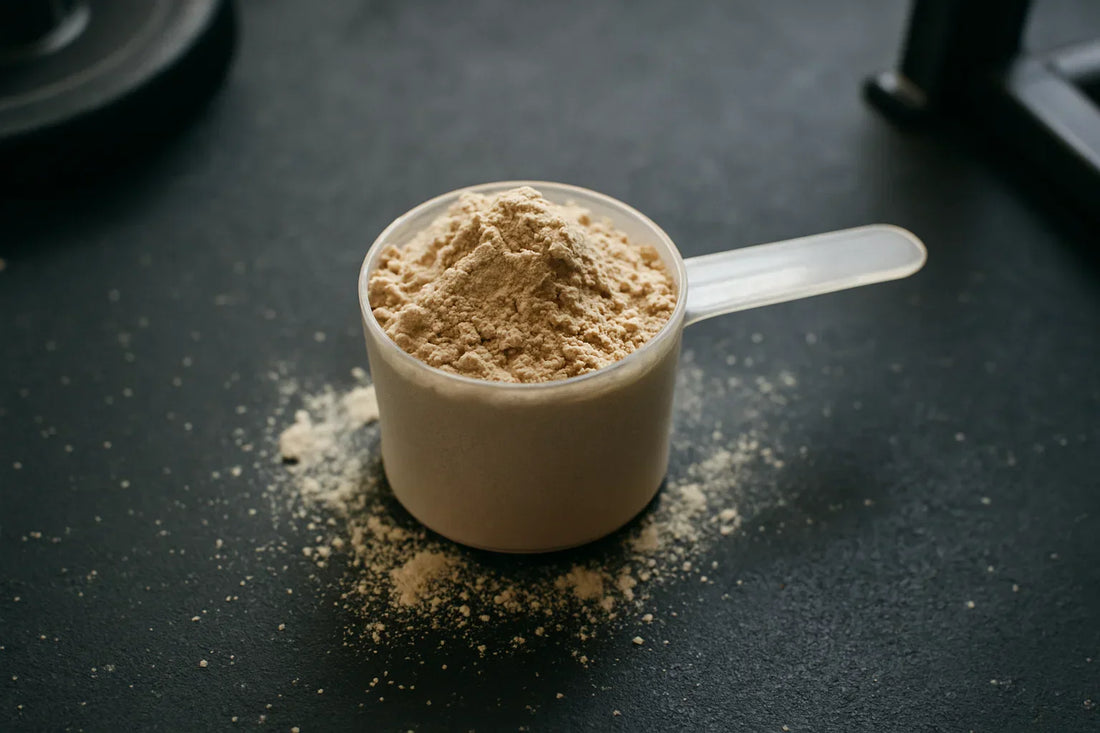
Are you curious about how much protein you get from just one scoop of whey protein? Whether you’re trying to build muscle, lose weight, or simply improve your diet, knowing the exact protein content can make a big difference in reaching your goals.
You’ll discover the typical protein amount in a single scoop, why it matters for your body, and how to choose the right whey protein for your needs. Keep reading to unlock the facts that will help you fuel your fitness journey smarter and faster.

Credit: imuscles.in
Protein Content In Whey Powder
Whey protein is a popular supplement for building muscles. It is easy to digest and rich in protein. People often use it to meet their daily protein needs.
One scoop of whey protein powder is a common serving size. It provides a convenient way to track protein intake. Let’s explore how much protein is in a scoop and what factors can affect it.
Average Protein Per Scoop
On average, a scoop of whey protein contains about 20 to 25 grams of protein. This amount can vary depending on the brand and type of whey protein used.
Whey protein concentrate usually has less protein per scoop. Whey protein isolate offers more protein and fewer fats and carbs.
Factors Affecting Protein Amount
Several factors can affect how much protein is in a scoop. The type of whey protein, like concentrate or isolate, plays a big role.
Other ingredients mixed with the whey can also change the protein content. Some brands add flavors, sweeteners, or other supplements.
- Type of whey protein used
- Additional ingredients
- Processing methods
Comparison Across Brands
Different brands offer different protein amounts per scoop. It is important to check labels to know the exact protein content.
| Brand | Protein per Scoop (grams) |
| Brand A | 24 |
| Brand B | 20 |
| Brand C | 25 |
As seen in the table, protein content can vary. Always read the nutrition facts to choose the best option for your needs.
Types Of Whey Protein
Whey protein is a popular supplement for building muscle. It comes in different types. Each type has a different amount of protein per scoop.
Knowing the protein level helps you choose the best whey protein for your needs. The three main types are concentrate, isolate, and hydrolysate.
Concentrate Protein Levels
Whey protein concentrate contains less protein than other types. It usually has 70-80% protein per scoop. The rest is fat and lactose.
This type is less processed and often cheaper. It still provides good protein for muscle growth and recovery.
- Protein: 70-80% per scoop
- Contains some fat and lactose
- Less processed, more natural
Isolate Protein Levels
Whey protein isolate is more processed than concentrate. It contains about 90-95% protein per scoop. It has very little fat and lactose.
This makes it a good choice for those who want higher protein with fewer extra nutrients. It digests quickly and supports muscle repair.
- Protein: 90-95% per scoop
- Very low fat and lactose
- Highly processed for purity
Hydrolysate Protein Levels
Whey protein hydrolysate is pre-digested. It has about 80-90% protein per scoop. This type absorbs very fast in the body.
It is often used for quick recovery after workouts. Hydrolysate may cause less stomach discomfort for some people.
- Protein: 80-90% per scoop
- Pre-digested for fast absorption
- Good for quick muscle recovery
Measuring A Scoop Accurately
Knowing the exact protein amount in one scoop of whey protein matters. Scoops can vary in size and weight. This affects how much protein you get.
Measuring your scoop correctly helps you track your nutrition better. It avoids eating too little or too much protein.
Scoop Sizes Variations
Not all whey protein scoops are the same size. Some scoops hold more powder than others. The size depends on the brand and product.
A scoop can weigh between 20 to 35 grams. The protein content changes with the scoop size. Read the label to know the scoop weight.
- Small scoops: about 20 grams
- Medium scoops: around 25 grams
- Large scoops: up to 35 grams
Using Kitchen Scales
Kitchen scales give the most accurate measurement for whey protein. Use a digital scale to weigh your scoop each time.
Place your empty scoop on the scale and zero it out. Then add whey powder until you reach the desired weight.
- Use grams for precise measurement
- Weigh each scoop for consistency
- Adjust scoop amount if needed
Impact On Protein Intake
Measuring scoops wrongly can change your protein intake a lot. Too much powder means more calories and protein than planned.
Too little powder lowers your protein intake. This can slow muscle growth or recovery if you rely on whey protein.
| Scenario | Effect |
|---|---|
| Overfilled scoop | Extra protein and calories, may affect diet goals |
| Underfilled scoop | Less protein, slower muscle repair |
| Accurate scoop | Consistent protein intake, better results |

Credit: prodoughshop.com
Protein Quality And Absorption
One scoop of whey protein usually contains about 20 to 25 grams of protein. This protein is known for its high quality and fast absorption in the body.
Understanding the protein quality and how the body absorbs it helps you use whey protein better. It supports muscle repair and growth efficiently.
Amino Acid Profile
Whey protein has a complete amino acid profile. It contains all nine essential amino acids the body cannot make on its own.
It is especially rich in branched-chain amino acids (BCAAs) like leucine, isoleucine, and valine. These help in muscle recovery and energy.
- All essential amino acids present
- High in BCAAs for muscle support
- Good balance for body repair
Bioavailability
Bioavailability means how well the body can use the protein. Whey protein has a high bioavailability score.
This means the body absorbs and uses most of the protein quickly. It helps deliver amino acids fast to muscles after exercise.
| Protein Type | Bioavailability Score (PDCAAS) |
|---|---|
| Whey Protein | 1.0 (Highest) |
| Casein Protein | 0.9 |
| Soy Protein | 0.9 |
Effect On Muscle Growth
Protein helps build and repair muscle tissue. Whey protein is effective because it digests fast and delivers amino acids quickly.
Leucine in whey protein triggers muscle protein synthesis, the process of muscle growth. This makes it ideal after workouts.
- Fast digestion aids quick muscle repair
- Leucine stimulates muscle growth
- Supports recovery and strength gains
Daily Protein Needs And Whey
Protein is important for building muscles and staying healthy. Many people use whey protein powder to help meet their daily protein needs. One scoop of whey protein usually contains about 20 to 25 grams of protein.
Understanding how much protein you need each day can help you decide how much whey protein to use. Your needs depend on your age, activity level, and goals.
Recommended Intake For Athletes
Athletes need more protein than average people. Protein helps repair muscles after exercise and supports growth. Most athletes need between 1.2 and 2.0 grams of protein per kilogram of body weight daily.
Whey protein is a quick and easy way to get high-quality protein. It contains all essential amino acids that help muscle recovery.
- Endurance athletes: 1.2 to 1.4 g/kg
- Strength athletes: 1.6 to 2.0 g/kg
- Recreational athletes: 1.0 to 1.2 g/kg
Protein Timing And Distribution
Eating protein at different times during the day helps your body use it better. Spread your protein intake over 3 to 5 meals each day.
Consuming whey protein soon after exercise helps muscles recover faster. This timing is key for muscle growth and repair.
- Eat protein every 3 to 4 hours
- Include whey protein after workouts
- Balance protein with carbs and fats
Role Of Whey In Diet
Whey protein is a fast-digesting protein. It helps increase muscle protein synthesis quickly. This makes it ideal for after workouts.
Whey also supports weight management by helping you feel full. It adds protein without many extra calories or fat.
- High in essential amino acids
- Low in fat and carbohydrates
- Supports muscle growth and repair
- Easy to add to shakes and meals
Credit: www.myprotein.com
Common Myths About Whey Protein
Whey protein is a popular supplement for many people. Some myths about it can cause confusion. It is important to know the facts.
One scoop of whey protein usually contains 20 to 25 grams of protein. This amount supports muscle growth and recovery.
Overconsumption Risks
Taking too much whey protein can harm your body. Your kidneys may get stressed from processing excess protein.
Too much protein can cause stomach upset and dehydration. It is best to follow the recommended serving size.
- Kidney strain
- Digestive issues
- Dehydration
Whey And Weight Gain
Whey protein itself does not cause weight gain. Gaining weight happens if you eat more calories than you burn.
Whey can help build muscle, which weighs more than fat. This can make your body look bigger or heavier.
- Whey supports muscle growth
- Muscle weighs more than fat
- Weight gain depends on total calories
Suitability For Different Diets
Whey protein is not suitable for everyone. It comes from milk, so it is not good for people with lactose intolerance.
Some diets like veganism avoid whey protein. There are plant-based protein powders that fit these diets better.
- Not for lactose intolerant people
- Not vegan-friendly
- Plant proteins are alternatives
Tips For Choosing Whey Protein
Whey protein is a popular supplement for building muscle. One scoop usually contains about 20 to 25 grams of protein. Choosing the right whey protein can help you reach your fitness goals.
Look for factors like the label, quality, and taste before buying whey protein. These tips will guide you in picking the best product.
Label Reading
Check the nutrition label carefully. Focus on the amount of protein per scoop. Also, look for added sugars and fillers. Less sugar means a cleaner protein source.
- Protein content per serving
- Amount of added sugars
- Presence of artificial ingredients
- Calories and fat content
Quality Certifications
Look for third-party quality certifications. These prove the whey protein is tested for safety and purity. Certifications like NSF or Informed-Choice show high standards.
- NSF Certified for Sport
- Informed-Choice Trusted by Sport
- Non-GMO Project Verified
- Gluten-Free Certification
Flavor And Mixability
Choose a flavor you enjoy to make daily use easier. Good mixability means the powder dissolves well in water or milk. This makes shakes smoother and tastier.
- Try sample sizes first
- Look for reviews on taste
- Check if it mixes easily without clumps
Frequently Asked Questions
How Much Protein Is In One Scoop Of Whey Protein?
One scoop of whey protein typically contains 20 to 25 grams of protein. This amount supports muscle growth and recovery effectively. Exact protein content varies by brand and product type.
Does The Protein Amount Vary By Whey Type?
Yes, whey isolate usually has more protein per scoop than whey concentrate. Isolate offers around 25 grams, while concentrate has about 20 grams per scoop.
Can One Scoop Meet Daily Protein Needs?
One scoop alone doesn’t meet daily protein needs. Adults generally require 46 to 56 grams daily, so combine whey with other protein sources for best results.
How Many Calories Come From One Whey Protein Scoop?
A single scoop of whey protein contains roughly 100 to 130 calories. Calories come mostly from protein, with small amounts from carbs and fats.
Conclusion
One scoop of whey protein usually contains about 20 to 25 grams of protein. This amount helps build muscles and supports recovery after exercise. Knowing the protein content helps you track your daily intake easily. Choose a product that fits your needs and goals.
Remember, consistency matters more than just one scoop. Balance protein with healthy foods for the best results. Simple steps lead to lasting health and strength.


