

Are you wondering if whey protein could be the reason behind your constipation? You’re not alone.
Many people turn to whey protein to build muscle and boost energy but end up facing unexpected digestive issues. If you’ve noticed changes in your bathroom habits since starting whey, it’s natural to ask: can whey protein make you constipated?
You’ll discover the facts, why it might happen, and simple ways to keep your digestion smooth while still enjoying your protein shake. Keep reading to find out what you need to know to stay comfortable and healthy.
Whey Protein Basics
Whey protein is a popular supplement used by athletes and fitness enthusiasts. It is derived from milk during the cheese-making process.
Many people use whey protein to increase their protein intake. It is known for its high-quality protein content and quick digestion.
Types Of Whey Protein
Whey protein comes in different types, each with unique characteristics. Understanding these types can help you choose the right one for your needs.
- Whey Protein Concentrate: Contains some fat and lactose. It has about 70-80% protein.
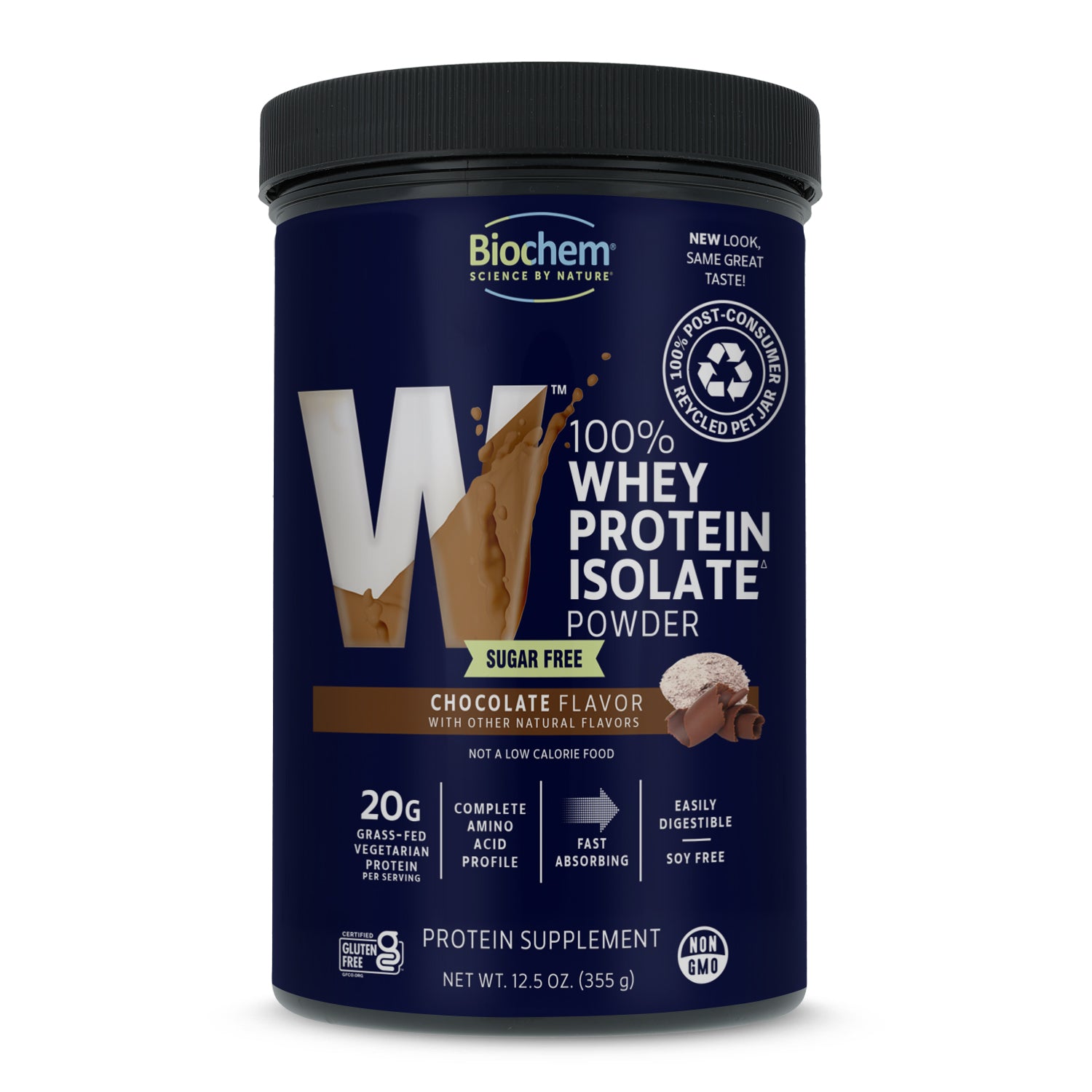
- Whey Protein Isolate: Nearly all fat and lactose removed. It has around 90% protein.
- Whey Protein Hydrolysate: Pre-digested for faster absorption. It may be easier on the stomach.
Common Uses And Benefits
Whey protein is often used to support muscle growth and repair. It is also a convenient source of protein for those with busy lifestyles.
Besides muscle support, whey protein can aid in weight management. It helps by promoting feelings of fullness and reducing hunger.
| Use | Benefit |
| Muscle Growth | Supports recovery and growth |
| Weight Management | Reduces appetite |
| Convenience | Easy to consume on the go |
Credit: biochemprotein.com
Digestive Effects Of Whey
Whey protein is a popular supplement for muscle building and nutrition. Some people wonder if whey protein can cause constipation.
Understanding how whey affects digestion can help you avoid digestive issues and use it safely.
How Whey Affects Gut Health
Whey protein is made from milk and contains lactose, which can affect the gut. It can change the balance of good bacteria in your intestines.
Some people experience bloating, gas, or changes in bowel movements after taking whey protein.
- Whey can increase gut bacteria that digest protein
- Lactose in whey may cause discomfort in lactose-intolerant people
- Whey may slow digestion for some individuals
Potential Causes Of Digestive Issues
Constipation or other digestive problems from whey protein may come from several causes. Knowing these helps to reduce discomfort.
Common causes include lactose intolerance, dehydration, and not enough fiber in the diet.
- Lactose intolerance can cause constipation and bloating
- Low water intake may harden stools
- High protein intake might reduce fiber consumption
- Some whey powders contain additives that irritate the gut
Link Between Whey And Constipation
Whey protein is a popular supplement for muscle growth and recovery. Some people wonder if whey protein can cause constipation.
Constipation means having fewer bowel movements or hard stools. This article looks at how whey protein might affect digestion.
Scientific Evidence
Research shows mixed results about whey protein and constipation. Some studies suggest whey can slow digestion in some people.
Whey contains lactose, a sugar that can cause digestive issues. People with lactose intolerance may get constipation or diarrhea.
- Whey protein may reduce water in the colon.
- This can make stools harder and harder to pass.
- Lactose intolerance may increase digestive discomfort.
Individual Sensitivities
Some people have sensitive stomachs or food allergies. These people may react to whey protein with constipation or bloating.
Factors that increase risk include low water intake and low fiber diets. These can worsen constipation when taking whey protein.
- Lactose intolerance
- Low fiber intake
- Dehydration
- Existing digestive problems
Other Factors Influencing Constipation
Constipation can happen for many reasons besides whey protein. It is important to look at other factors that affect digestion and bowel movements.
Understanding these factors can help you manage or prevent constipation more easily.
Diet And Fiber Intake
Eating enough fiber is key to keeping your stool soft and regular. Fiber adds bulk and helps food move through your intestines.
Low fiber diets can cause hard stools and constipation. Include fruits, vegetables, and whole grains in your meals.
- Soluble fiber absorbs water and forms a gel
- Insoluble fiber adds bulk to stool
- Both types help prevent constipation
Hydration Levels
Drinking enough water helps keep stools soft and easier to pass. Without enough fluids, stools can become dry and hard.
Dehydration is a common cause of constipation. Try to drink water throughout the day, not just during meals.
- Aim for at least 8 glasses of water daily
- Limit drinks that cause dehydration, like caffeine and alcohol
- Increase water intake if you eat more fiber
Physical Activity
Regular exercise helps stimulate the muscles in your intestines. This movement helps push stool along and prevent constipation.
Sitting too much or being inactive can slow digestion. Try to move your body daily with walks or light exercise.
- Walking after meals can aid digestion
- Stretching and yoga improve bowel movement
- Physical activity helps reduce stress that affects digestion
Tips To Avoid Constipation With Whey
Whey protein is a popular supplement for muscle building and nutrition. Some people worry it can cause constipation.
Constipation can happen if you do not balance your diet and fluids properly. These tips help you avoid problems.
Choosing The Right Whey Type
Different whey types affect digestion in different ways. Whey concentrate has more lactose, which can cause discomfort.
Whey isolate has less lactose and may be easier to digest. Hydrolyzed whey is broken down for faster absorption.
- Whey concentrate may cause constipation for some people.
- Whey isolate usually has less lactose and is gentler on the stomach.
- Hydrolyzed whey is pre-digested and may reduce digestive issues.
Balancing Diet And Fluids
Eating enough fiber helps keep your bowel movements regular. Fruits, vegetables, and whole grains add fiber.
Drinking water is important. Protein powders need fluids to help digestion and prevent hard stools.
- Include fiber-rich foods daily.
- Drink at least 8 glasses of water each day.
- Avoid too much caffeine or alcohol, as they dry you out.
Timing And Dosage
Taking too much whey protein at once can cause stomach issues. Spread out your doses during the day.
Try not to take whey protein right before bed. Give your body time to digest it during the day.
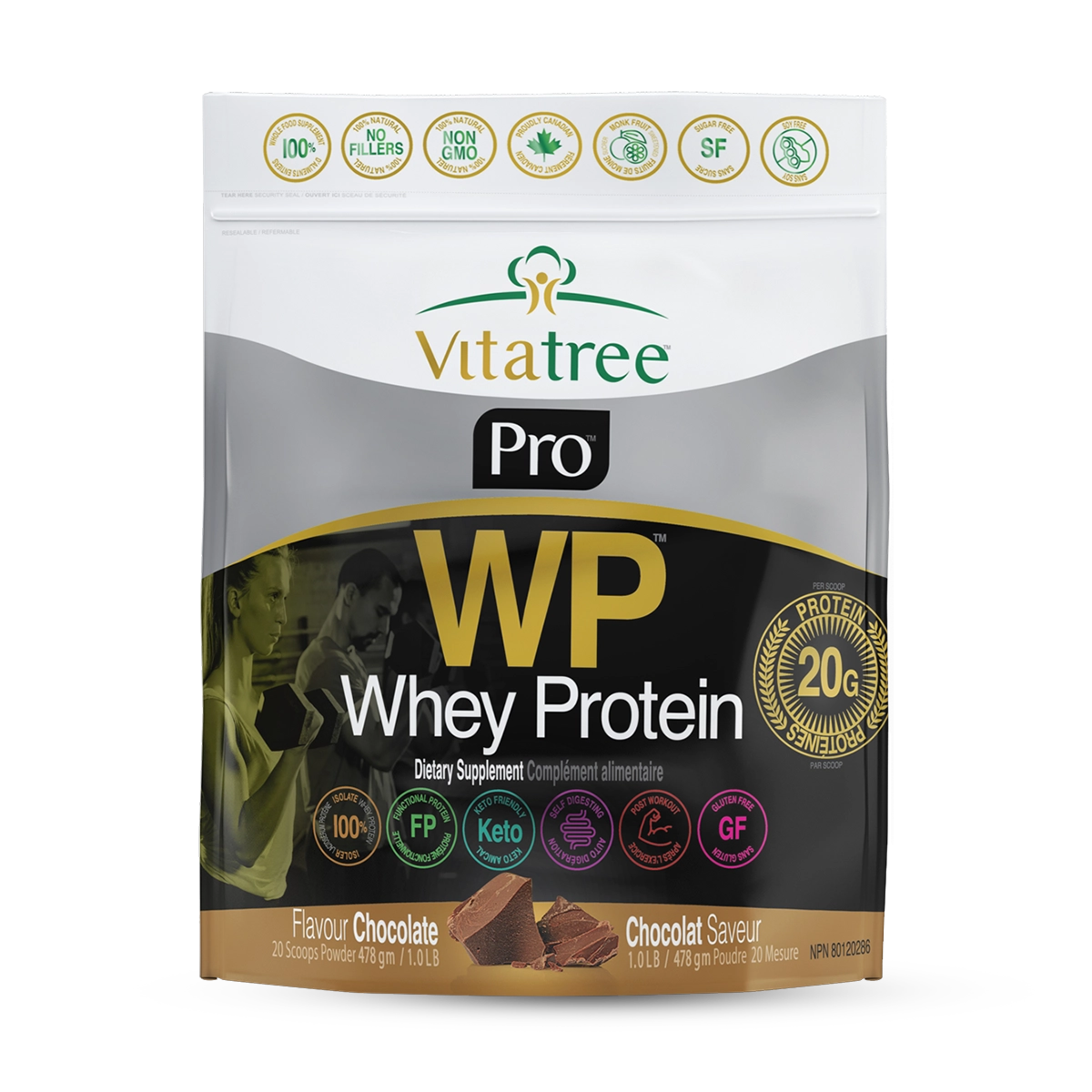
- Limit whey servings to 20-30 grams per dose.
- Take whey protein with meals or snacks.
- Do not skip meals when using whey supplements.
Credit: ca.vitatree.com
Alternatives To Whey Protein
Whey protein is popular but can cause constipation for some people. There are other protein options that may be easier to digest. These alternatives work well for people who want to avoid whey.
Choosing the right protein depends on your diet and health needs. Below are some plant-based and other supplement options to consider.
Plant-based Proteins
Plant-based proteins come from natural sources like peas, rice, and hemp. They are often easier on the stomach and less likely to cause constipation.
These proteins also provide fiber, which helps keep digestion smooth. They are a good choice for people with lactose intolerance or milk allergies.
- Pea protein is rich in amino acids and easy to digest.
- Brown rice protein is hypoallergenic and gentle on the gut.
- Hemp protein contains omega-3s and fiber for digestion.
- Soy protein offers a complete amino acid profile but may cause allergies in some.
Other Supplement Options
Besides plant proteins, there are other supplements that provide protein without constipation. These include collagen and egg white protein.
These options have different digestion rates and can suit various dietary needs. Some may also support joint and skin health.
- Collagen protein helps with skin and joint health and is easy to digest.
- Egg white protein is low in fat and lactose-free.
- Beef protein isolate is a good option for those avoiding dairy and plants.
Credit: leanfit.ca
Frequently Asked Questions
Can Whey Protein Cause Constipation In Some People?
Yes, whey protein can cause constipation, especially if consumed in excess or without enough water. It may slow digestion and reduce fiber intake, leading to harder stools and discomfort.
How To Prevent Constipation When Using Whey Protein?
To prevent constipation, drink plenty of water and eat fiber-rich foods. Balance whey protein intake with fruits, vegetables, and whole grains for better digestion.
Is Whey Protein Isolate Or Concentrate Better For Digestion?
Whey protein isolate is generally easier to digest than concentrate. It contains less lactose, which can reduce digestive issues like bloating and constipation.
Can Lactose Intolerance Affect Whey Protein Digestion?
Yes, lactose intolerance can worsen constipation symptoms with whey protein concentrate. Choosing lactose-free whey isolate or plant-based proteins can help avoid this issue.
Conclusion
Whey protein can cause constipation for some people. Drinking enough water helps keep digestion smooth. Adding fiber-rich foods can also improve bowel movements. Everyone’s body reacts differently to supplements. Pay attention to how your body feels. Adjust your protein intake if needed.
Balance is key for good digestion and health. Stay mindful and take small steps to avoid discomfort.


