
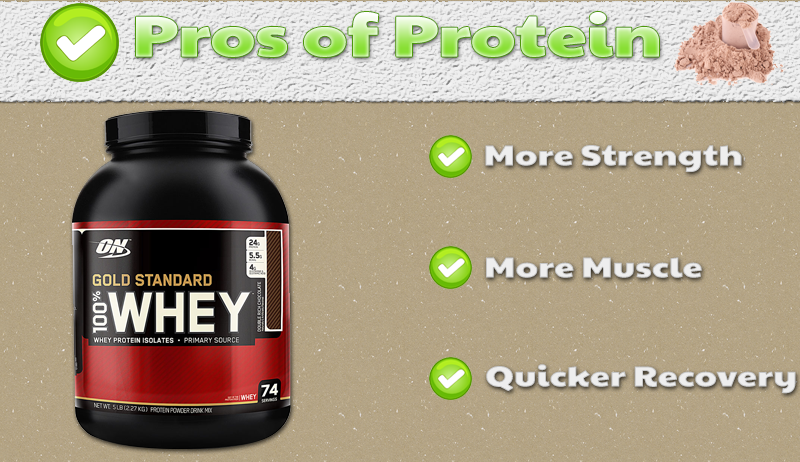
Are you struggling to gain weight despite eating a lot? Wondering if whey protein could be the missing piece in your puzzle?
You’re not alone. Many people ask whether whey protein can actually help put on weight, or if it’s just for muscle building. The truth might surprise you. By understanding how whey protein works in your body, you can make smarter choices that bring real results.
Keep reading to discover how whey protein could be the key to reaching your weight goals faster and easier.
How Whey Protein Supports Weight Gain
Whey protein is popular among those looking to gain weight. It is easy to digest and rich in essential nutrients.
Adding whey protein to your diet can help increase muscle mass and overall weight. It is often used by athletes and those aiming to build a stronger physique.
Role In Muscle Growth
Whey protein contains amino acids that support muscle repair. These are vital for growing muscles after workouts.
Consuming whey protein after exercise helps muscles recover faster. It aids in adding muscle mass, which contributes to weight gain.
Caloric Contribution
Whey protein shakes are a convenient source of calories. They provide extra energy that helps with weight gain.
Each scoop of whey protein can add 100-150 calories to your diet. This makes it easier to reach your daily calorie goals.
Impact On Appetite
Whey protein can help control hunger by making you feel full. This is useful for those who struggle to eat enough calories.
It can be added to meals or snacks to boost calorie intake without feeling overly full. This supports gradual weight gain.
Types Of Whey Protein And Their Effects
Whey protein is a popular supplement for building muscle and gaining weight. There are different types of whey protein. Each type works in a unique way in the body.
Understanding the types helps you choose the right one for your weight gain goals. Let’s look at the main types and their effects.
Concentrate Vs Isolate
Whey concentrate has more fats and carbs than isolate. It is less processed and contains about 70-80% protein.
Whey isolate is more pure. It contains 90% or more protein and fewer fats and carbs. This makes isolate easier to digest for some people.
- Concentrate has more calories, helping with weight gain.
- Isolate is lower in calories and better for lean muscle.
- Concentrate may contain more lactose.
- Isolate suits those with lactose intolerance better.
Hydrolyzed Whey Benefits
Hydrolyzed whey is whey protein broken down into smaller parts. This process helps the body absorb it faster.
This type is good for quick recovery after workouts. It can also reduce the chance of allergies compared to other whey types.
- Fast digestion and absorption
- Better for sensitive stomachs
- May reduce muscle soreness
- Usually costs more than other types
Optimal Dosage For Weight Gain
Whey protein helps people gain weight by adding extra calories and protein. It supports muscle growth when combined with exercise.
Finding the right dose is key to gaining weight safely and effectively. Too little may not help, too much can cause problems.
Daily Intake Recommendations
Most adults aiming to gain weight should consume 1.2 to 2.0 grams of protein per kilogram of body weight daily. Whey protein can be a part of this total.
For example, a person weighing 70 kg might need 84 to 140 grams of protein daily. Whey supplements often provide 20 to 30 grams per serving.
- Start with one scoop (20-30 grams) per day
- Adjust based on your total daily protein needs
- Combine whey with whole foods for balance
- Do not exceed 3 scoops (60-90 grams) daily without advice
Timing Around Workouts
Taking whey protein near workouts helps muscles recover and grow. This timing can improve weight gain results.
Consume whey within 30 to 60 minutes after exercise. This period is best for muscle repair and building.
- Drink whey protein after strength training sessions
- You can also have a serving before workouts for energy
- Spread protein intake evenly throughout the day
- Combine whey with carbs post-workout for better absorption

Credit: www.londondaily.news
Combining Whey With Diet And Exercise
Whey protein can help you gain weight if you use it with the right diet and exercise. It supplies your body with protein to build muscle.
Eating enough calories and training your muscles are key to putting on weight. Whey adds to your daily protein needs.
High-calorie Meal Plans
To gain weight, you must eat more calories than you burn. High-calorie meals help provide energy for muscle growth.
Include protein, healthy fats, and carbs in your meals. Whey protein shakes can add extra calories and protein easily.
- Eat whole eggs and lean meats for protein
- Add nuts and seeds for healthy fats
- Include rice, oats, and potatoes for carbs
- Drink whey protein shakes between meals
- Snack on yogurt, cheese, and fruit
Resistance Training Importance
Resistance training helps turn the extra calories into muscle, not fat. It creates the need for protein to repair muscles.
Use weights or bodyweight exercises to build strength. Whey protein supports muscle recovery after workouts.
- Lift weights 3 to 5 times a week
- Focus on big muscle groups like legs and back
- Increase weights gradually to build muscle
- Rest muscles to allow repair and growth
- Consume whey protein after workouts for recovery
Potential Side Effects And Considerations
Whey protein can help some people gain weight by adding calories and protein. But it is important to know about possible side effects. Not everyone reacts the same way.
Before adding whey protein to your diet, consider possible health issues. This helps you avoid discomfort or allergies.
Digestive Issues
Some people may have stomach problems after taking whey protein. These issues happen if your body has trouble digesting it.
Common problems include bloating, gas, and diarrhea. These symptoms can occur if you are lactose intolerant or sensitive to dairy.
- Bloating and stomach cramps
- Gas and flatulence
- Diarrhea or loose stools
- Nausea in some cases
Allergies And Sensitivities
Whey protein comes from milk, so it can cause allergic reactions in some people. Milk allergies are different from lactose intolerance.
Symptoms of an allergy may include itching, swelling, or rash. In rare cases, it can cause breathing problems and needs urgent care.
- Skin rash or hives
- Itching or swelling of the lips and throat
- Wheezing or trouble breathing
- Stomach pain or vomiting

Credit: www.quenchlabz.com
Comparing Whey Protein With Other Supplements
Whey protein is a popular choice for people who want to gain weight. It helps by providing extra protein that supports muscle growth. Other supplements also help with weight gain but work differently.
Understanding how whey compares to other supplements can help you pick the right one for your goals. Let’s look at casein protein, mass gainers, and plant-based options.
Casein Protein
Casein protein digests slower than whey. It releases amino acids over several hours. This makes it good for muscle repair during sleep.
People use casein protein to avoid muscle breakdown. It can help you gain weight by keeping your body in an anabolic state longer.
- Slow digestion
- Good for nighttime use
- Supports muscle repair
Mass Gainers
Mass gainers contain protein, carbs, and fats. They provide many calories in one serving. This helps people who struggle to eat enough food.
Mass gainers are useful if you want to gain weight quickly. They offer a balanced mix of nutrients for muscle and fat gain.
- High calorie content
- Combination of protein, carbs, and fats
- Designed for fast weight gain
Plant-based Alternatives
Plant-based proteins come from sources like peas, rice, and soy. They are good for people who avoid dairy or want a vegan option.
These proteins often have less protein per serving than whey. You may need to eat more to get the same effect. Some blends combine plants to improve nutrition.
- Good for vegan and dairy-free diets
- Usually lower in protein per serving
- Blends improve amino acid profile
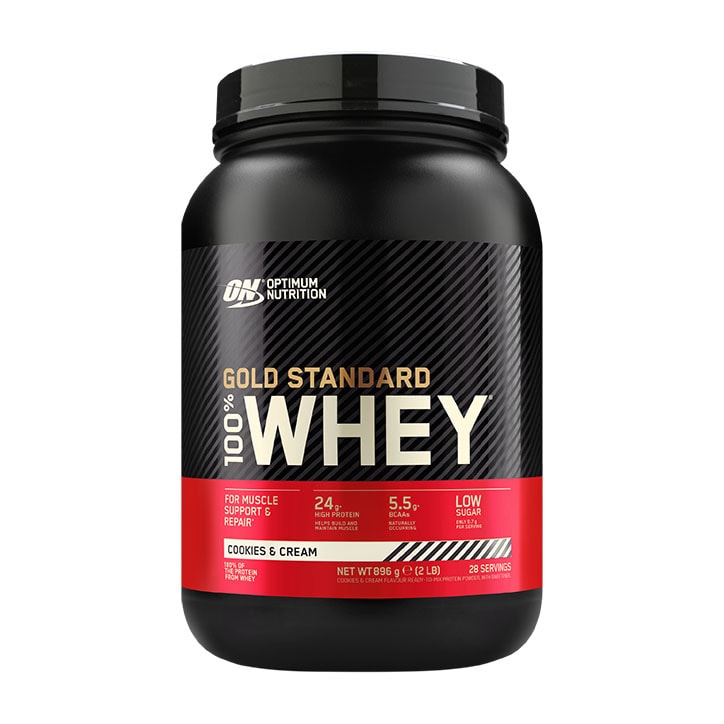
Credit: www.hollandandbarrett.com
Frequently Asked Questions
Does Whey Protein Help In Gaining Weight?
Yes, whey protein supports weight gain by providing extra calories and essential amino acids. It helps build muscle mass when combined with strength training, promoting healthy weight gain rather than fat accumulation.
How Much Whey Protein Is Needed To Gain Weight?
Consuming 20-30 grams of whey protein post-workout daily aids muscle growth. Adjust your intake based on overall calorie needs and activity level for effective weight gain.
Can Whey Protein Cause Fat Gain Instead Of Muscle?
Whey protein alone doesn’t cause fat gain. Excess calorie intake from any source, including whey, can lead to fat gain. Balanced diet and exercise ensure muscle gain, not fat accumulation.
Is Whey Protein Effective For Weight Gain Without Exercise?
Whey protein alone may increase calorie intake but won’t build muscle without exercise. Combining whey protein with resistance training maximizes healthy weight gain and muscle development.
Conclusion
Whey protein can help you gain weight by adding extra calories and protein. It supports muscle growth when combined with exercise. Eating balanced meals and staying active also matter. Remember, protein alone won’t make you gain weight fast. Consistency and patience are key for good results.
Choose quality whey protein and use it wisely. This way, you build healthy weight without unwanted fat. Keep a healthy lifestyle for lasting benefits. Whey protein can be a helpful part of your weight gain plan.


