

Are you wondering what whey protein really does for your body? Whether you’re trying to build muscle, lose weight, or just stay healthy, understanding how whey protein works can make a big difference.
This powerful supplement isn’t just for athletes—it can help you reach your goals faster and feel better every day. Keep reading to discover exactly what whey protein is for and how it can fit into your lifestyle.
Credit: www.drogaraia.com.br
What Is Whey Protein
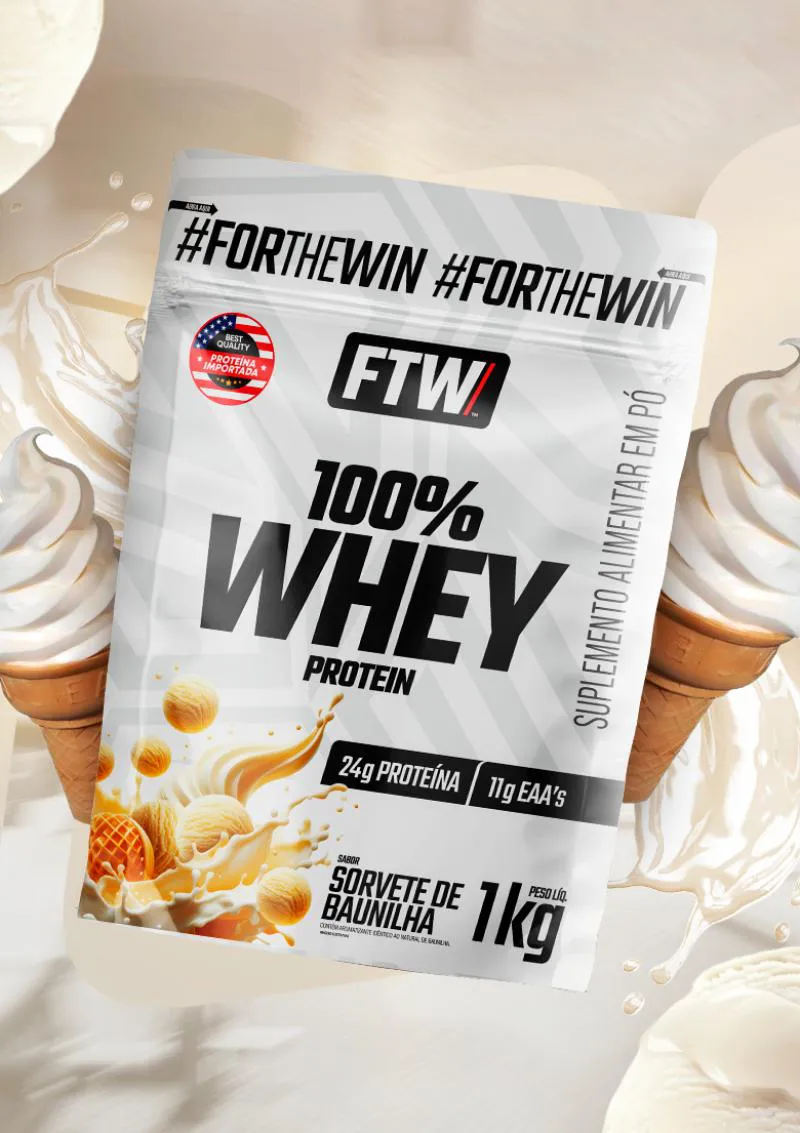
Whey protein is a popular supplement used by athletes and fitness enthusiasts. It is derived from milk during the cheese-making process.
This protein is known for its high nutritional value. It contains essential amino acids that help in muscle building and repair.
Benefits Of Whey Protein
Whey protein supports muscle growth and recovery. It is beneficial for people who exercise regularly.
- Helps build and repair muscles
- Supports immune function
- Aids in weight management
How To Use Whey Protein
Whey protein is easy to incorporate into your diet. It can be mixed with water or milk for a shake.
- Consume post-workout for best results
- Mix with smoothies for added nutrition
- Use as a meal replacement
Different Types Of Whey Protein
Whey protein comes in various forms. Each type has unique benefits.
| Type | Features |
| Whey Concentrate | Contains fats and carbohydrates |
| Whey Isolate | Higher protein content, low fat |
| Whey Hydrolysate | Pre-digested for faster absorption |
Types Of Whey Protein
Whey protein is a popular supplement for muscle building and recovery. It comes in different forms with unique features.
Knowing the types helps you pick the right one for your needs and goals.
Concentrate
Whey protein concentrate is the least processed form. It contains about 70-80% protein.
This type has some fat and lactose, which gives it a creamy taste. It is usually cheaper than other types.
Isolate
Whey protein isolate is more processed to remove fat and lactose. It has about 90% or more protein.
This type is good for people who want higher protein and less fat or lactose in their diet.
Hydrolysate
Whey protein hydrolysate is pre-digested for faster absorption. It breaks down protein into smaller parts.
This type may cause less stomach discomfort and helps muscles recover quickly after exercise.
Muscle Growth Support
Whey protein helps your muscles grow after exercise. It provides important nutrients needed for repair and strength.
People use whey protein to support muscle recovery and build muscle mass faster.
Protein Synthesis Boost
Whey protein increases the process called protein synthesis. This process builds new muscle tissue.
After workouts, your muscles need protein to fix and grow. Whey gives quick and easy protein to your body.
Amino Acid Profile
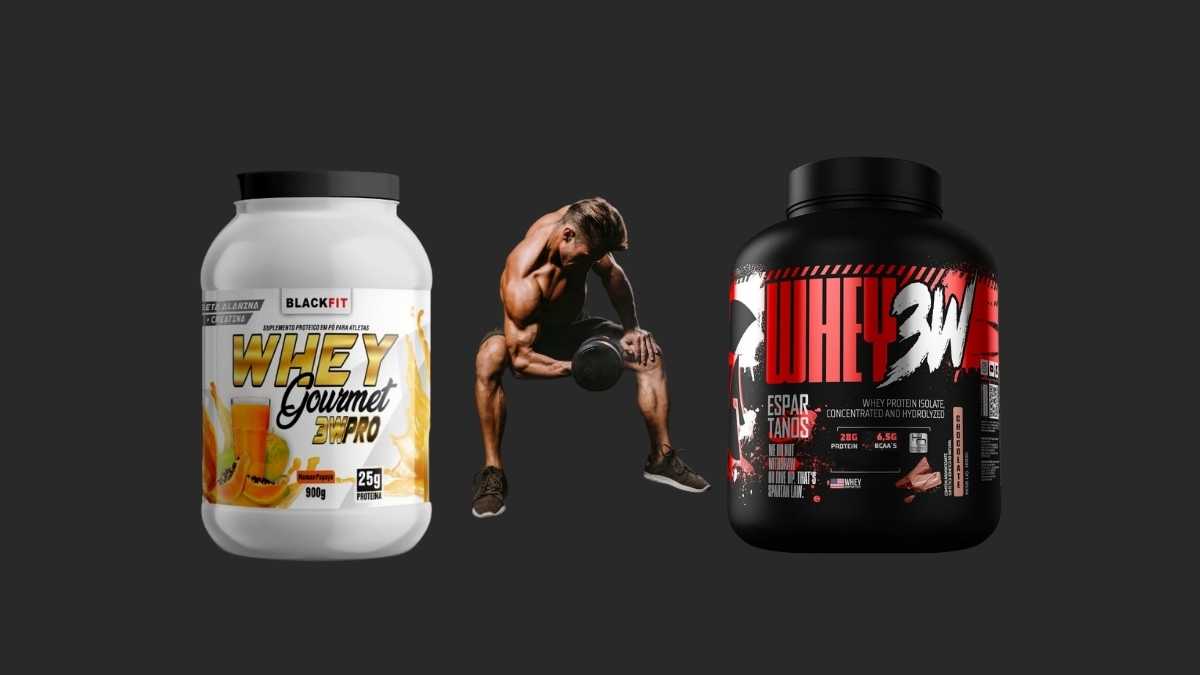
Whey protein contains all essential amino acids. These are the building blocks for muscle repair and growth.
- High levels of branched-chain amino acids (BCAAs)
- Leucine, isoleucine, and valine support muscle recovery
- Essential amino acids promote faster muscle repair
Credit: comprarsuplementonoatacado.com.br
Recovery Benefits
Whey protein helps the body recover after exercise. It provides nutrients that muscles need to heal and grow.
Using whey protein can make recovery faster and reduce discomfort after workouts.
Reducing Muscle Soreness
Whey protein can lower muscle soreness after exercise. It helps muscles get the nutrients they need to repair.
Taking whey protein soon after exercise may reduce pain and stiffness in muscles.
- Supplies essential amino acids
- Supports faster muscle recovery
- Helps reduce delayed onset muscle soreness (DOMS)
Repairing Muscle Tissue
Whey protein provides building blocks for muscle repair. It helps fix tiny tears in muscle fibers caused by exercise.
Regular intake supports muscle growth and strength by helping tissue recover well.
- Rich in branched-chain amino acids (BCAAs)
- Promotes protein synthesis in muscles
- Helps rebuild damaged muscle fibers
Whey Protein Timing
Whey protein is a popular supplement for muscle growth and recovery. The timing of when you take it can affect its benefits.
Knowing the best time to consume whey protein helps improve workout results and muscle repair.
Pre-workout
Taking whey protein before exercise gives your muscles fuel. It helps reduce muscle breakdown during workouts.
Having protein before working out also supports energy and endurance.
- Consume whey protein 30 to 60 minutes before exercise
- Mix with water or a small snack for better digestion
- Helps prepare muscles for training stress
Post-workout
After exercise, muscles need nutrients to recover. Whey protein helps repair and build muscle fast.
Post-workout whey protein boosts muscle growth and reduces soreness.
- Take whey protein within 30 minutes after training
- Combine with carbs to improve recovery
- Supports muscle repair and strength gain
Before Bed
Whey protein before sleep helps muscles recover during rest. It prevents muscle breakdown overnight.
Slow-digesting proteins are usually better at night, but whey can still be helpful.
- Consume whey protein 30 minutes before bed
- Supports muscle maintenance during sleep
- Can be mixed with casein for slower absorption
Choosing The Right Whey Protein
Whey protein helps build muscle and supports recovery after exercise. Picking the right type fits your goals and body.
Different whey proteins have unique features. Learn what suits your needs for best results.
Dietary Needs
Your diet affects which whey protein to choose. Some types have more fat or carbs than others.
Look for whey options that match your diet plan, like low-carb or low-fat versions.
- Whey concentrate has more fat and carbs
- Whey isolate has less fat and carbs
- Hydrolyzed whey digests faster
Allergies And Sensitivities
Some people are allergic to milk or lactose. Whey protein comes from milk, so be careful.
Choose whey isolate or hydrolyzed whey if you are lactose sensitive. These have less lactose.
- Check labels for milk or dairy warnings
- Try lactose-free protein powders
- Consult your doctor if unsure
Quality Indicators
Good whey protein should have clear labels and no fillers. It must contain high protein per serving.
Look for third-party testing and simple ingredients to ensure quality and safety.
- High protein content (20g or more per serving)
- Low sugar and additives
- Certified by independent labs
Potential Side Effects
Whey protein is a popular supplement used to build muscle and improve health. It is usually safe, but some people may have side effects.
Knowing the possible side effects helps you use whey protein safely and avoid problems.
Digestive Issues
Some people may feel stomach pain or bloating after taking whey protein. This happens if their body has trouble digesting it.
Whey protein contains lactose, which can cause gas or diarrhea in people who are lactose intolerant.
- Stomach cramps
- Bloating
- Gas
- Diarrhea
Allergic Reactions
Whey protein comes from milk and can cause allergies in some people. Signs include skin rash, itching, or swelling.
In rare cases, allergic reactions can be serious and need medical help quickly.
- Skin rash or hives
- Itching
- Swelling of face or throat
- Difficulty breathing
Credit: www.gsuplementos.com.br
Incorporating Whey Protein In Diet
Whey protein is a popular supplement that helps increase daily protein intake. It supports muscle growth and recovery after exercise.
You can add whey protein to many meals and snacks. This makes it easier to meet your nutrition goals.
Smoothies And Shakes
Smoothies and shakes are quick ways to use whey protein. Just blend protein powder with fruits, milk, or water.
These drinks make a good breakfast or post-workout snack. They are easy to prepare and carry on the go.
- Mix whey protein with banana and almond milk for a creamy smoothie
- Add spinach and berries for extra vitamins
- Use water or low-fat milk for a lighter shake
- Include peanut butter for extra calories and flavor
Cooking And Baking
You can add whey protein to many cooked or baked foods. It boosts protein without changing taste much.
Try mixing whey protein into pancake batter or oatmeal. You can also use it in muffins and energy bars.
- Add whey protein to pancake or waffle batter for a protein-rich breakfast
- Mix into oatmeal or porridge for a filling meal
- Include in muffin or cookie recipes to increase protein
- Use in homemade energy bars for a healthy snack
Frequently Asked Questions
What Is The Main Purpose Of Whey Protein?
Whey protein mainly helps build and repair muscles. It provides essential amino acids quickly. It supports muscle growth and recovery after workouts.
How Does Whey Protein Benefit Weight Loss?
Whey protein boosts metabolism and reduces appetite. It helps maintain lean muscle during fat loss. This makes weight loss more effective and sustainable.
When Is The Best Time To Take Whey Protein?
The best time is after exercise. It aids muscle repair and growth. You can also consume it in the morning or between meals for extra protein.
Is Whey Protein Good For Overall Health?
Yes, whey protein supports immune function and muscle health. It contains bioactive compounds that promote wellness. It is a convenient protein source for daily nutrition.
Conclusion
Whey protein helps build and repair muscles after exercise. It also supports weight management and boosts energy. Many use it to meet daily protein needs easily. Choosing the right type and amount is important for best results. Remember, a balanced diet and regular exercise work well with whey protein.
It’s a simple way to improve health and fitness. Try it as part of your routine for better strength and recovery.


