
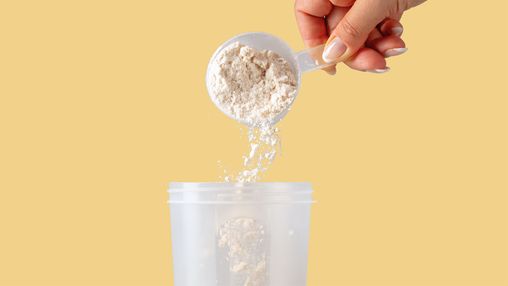
Are you using whey protein powder but wondering if it’s causing you constipation? You’re not alone.
Many people rely on whey to boost their fitness and health, but some notice uncomfortable digestive issues. What’s really going on inside your body when you take whey protein? Could it be the reason your bathroom habits have changed? Keep reading to discover the surprising truth about whey protein and constipation—and how you can stay comfortable and healthy while reaching your fitness goals.

Credit: www.eliteproteins.com
What Is Whey Protein?
Whey protein is a popular dietary supplement. It is a high-quality protein derived from milk.
People use whey protein to build muscle. It is also used for weight management and overall health.
Whey Protein Composition
Whey protein contains essential amino acids. These are important for muscle growth and repair.
It is low in lactose content. This makes it suitable for many who are lactose intolerant.
- Contains all essential amino acids
- Low in lactose
- Rich in branched-chain amino acids (BCAAs)
Forms Of Whey Protein
Whey protein comes in different forms. Each form has unique properties and uses.
Common forms include whey concentrate and whey isolate. Each has varying protein content and processing levels.
| Whey Concentrate | 70-80% protein |
| Whey Isolate | 90% or more protein |
| Whey Hydrolysate | Pre-digested for faster absorption |
Potential Side Effects
Some people experience side effects from whey protein. Constipation can occur in some individuals.
It is important to drink enough water. Staying hydrated helps minimize digestive issues.
- Constipation in some cases
- Digestive discomfort if not hydrated
- Consult a doctor if unsure
Common Uses Of Whey Protein
Whey protein is a popular supplement made from milk. Many people use it to increase their protein intake.
This protein helps with muscle growth and recovery after exercise. It also supports overall health and nutrition.
Muscle Building And Recovery
Whey protein provides essential amino acids that help muscles grow. Athletes and gym-goers often take it after workouts.
The protein helps repair muscle tissue that breaks down during exercise. This speeds up recovery and reduces soreness.
Weight Management
Whey protein can help people feel full longer. This may reduce hunger and help control eating habits.
Using whey protein as part of meals or snacks can support healthy weight loss or maintenance.
Improving Immune Health
Whey protein contains components that support the immune system. It helps the body fight infections and illnesses.
Regular intake can boost the production of glutathione, a powerful antioxidant in the body.
Supporting Nutritional Needs
People who struggle to get enough protein from food use whey protein supplements. This includes older adults and those with certain health conditions.
Whey protein helps meet daily protein needs and maintain muscle mass in these groups.
Link Between Whey Protein And Digestion
Whey protein is a popular supplement for building muscle. Some people wonder if it causes constipation.
This article explains how whey protein affects digestion and bowel movements.
How Whey Protein Affects The Digestive System
Whey protein is made from milk. It contains lactose and proteins that need to be broken down.
Some people may find it hard to digest whey protein. This can cause stomach discomfort or changes in bowel habits.
Lactose Intolerance And Constipation
Whey protein contains lactose, a sugar in milk. People with lactose intolerance may have digestion problems.
Lactose intolerance can cause bloating, gas, diarrhea, or sometimes constipation.
- Whey concentrate has more lactose
- Whey isolate has less lactose
- Lactose-free protein powders reduce issues
Low Fiber Intake And Constipation
Eating too much whey protein might reduce fiber intake. Fiber helps keep bowel movements regular.
Low fiber can make stools hard and cause constipation.
- Balance protein with fruits and vegetables
- Drink plenty of water
- Include fiber-rich foods daily
Dehydration And Its Role In Constipation
High protein diets can increase water needs. Not drinking enough water may cause dehydration.
Dehydration makes stools dry and hard to pass, leading to constipation.
- Drink water throughout the day
- Monitor urine color for hydration
- Aim for at least eight cups of water daily
Can Whey Protein Cause Constipation?
Whey protein is popular for building muscle and improving health. Some people wonder if it can cause constipation.
This article explains how whey protein may affect digestion and bowel movements.
How Whey Affects Gut Health
Whey protein contains lactose, a sugar found in milk. Some people have trouble digesting lactose.
If lactose is not digested well, it can cause gas, bloating, or constipation. Whey protein isolate has less lactose than concentrate.
- Lactose can slow digestion in sensitive people
- Whey protein isolate may cause fewer gut issues
- Drinking enough water helps prevent constipation
Individual Sensitivities And Reactions
People react to whey protein in different ways. Some tolerate it well, while others may have constipation.
Factors that affect reactions include diet, hydration, and existing gut health problems.
- Low fiber intake can increase constipation risk
- Not drinking enough water worsens digestion
- People with lactose intolerance may see more symptoms
- Some have allergies that cause gut discomfort
Factors That Influence Digestive Issues
Whey protein powder can affect digestion in some people. It may cause constipation depending on different factors.
Understanding these factors helps manage any digestive discomfort linked to whey protein use.
Dosage And Consumption Habits
Taking too much whey protein at once can strain the digestive system. Large doses may slow bowel movements.
How you consume whey protein matters. Drinking it with water or other liquids can ease digestion.
- Start with small amounts to see how your body reacts
- Spread intake throughout the day instead of one large dose
- Mix whey powder with enough liquid for better digestion
Dietary Fiber Intake
Fiber helps keep digestion smooth and prevents constipation. Whey protein has little to no fiber.
If you use whey protein, eat fiber-rich foods to balance your diet and aid digestion.
- Include fruits, vegetables, and whole grains daily
- Fiber absorbs water and softens stools
- Low fiber intake increases risk of constipation
Hydration Levels
Water helps fiber work well and keeps stools soft. Dehydration can lead to constipation.
Drinking whey protein without enough water may worsen constipation symptoms.
- Drink plenty of water throughout the day
- Balance protein intake with fluids to help digestion
- Aim for at least 8 glasses of water daily

Credit: naturesfieldng.com
Tips To Prevent Constipation While Using Whey
Whey protein powder is popular for muscle growth and recovery. Some people worry it may cause constipation.
Constipation can happen if your diet lacks fiber or fluids. There are ways to prevent this while using whey.
Balancing Protein With Fiber
Eating a lot of protein without enough fiber can slow digestion. Fiber helps keep your bowel movements regular.
Try to include fiber-rich foods with your whey shakes. This keeps your digestive system working well.
- Eat fruits like apples and berries
- Include vegetables such as spinach and carrots
- Try whole grains like oats and brown rice
- Add nuts and seeds for extra fiber
Staying Hydrated
Water helps fiber move through your digestive system. It also softens stool and prevents constipation.
Drink plenty of water during the day, especially after taking whey protein.
- Drink at least 8 glasses of water daily
- Include herbal teas or clear broths
- Avoid too many caffeinated drinks
- Carry a water bottle to remind yourself to drink
Choosing The Right Whey Protein
Some whey protein powders contain additives that may cause constipation. Choose products with fewer ingredients.
Look for whey protein that is easy to digest and low in lactose. This can reduce stomach discomfort.
- Pick whey isolate or hydrolysate for better digestion
- Avoid powders with artificial sweeteners
- Choose products with added digestive enzymes if possible
- Test small amounts first to see how your body reacts
Alternatives For Sensitive Individuals
Some people find that whey protein powder causes constipation. This can happen if they are sensitive to dairy or lack enough fiber.
There are other protein powders that might be easier on the stomach. These options can help those who want to avoid constipation.
Plant-based Protein Powders
Plant-based protein powders come from sources like peas, rice, and hemp. They are often easier to digest for sensitive people.
These powders usually have more fiber, which helps keep the digestive system moving smoothly.
- Pea protein is rich in fiber and gentle on the stomach
- Rice protein is hypoallergenic and easy to digest
- Hemp protein has healthy fats and fiber
- Soy protein contains all essential amino acids
Other Animal-based Proteins
Some animal-based proteins are not whey and may cause less constipation. Egg white and collagen proteins are good examples.
They are often lower in lactose and easier to digest for some people.
- Egg white protein has no lactose and is rich in amino acids
- Collagen protein supports joints and skin health
- Beef protein isolate is low in fat and dairy-free

Credit: www.reddit.com
Frequently Asked Questions
Does Whey Protein Powder Cause Constipation?
Whey protein can cause constipation if consumed excessively. Low fiber intake and dehydration worsen this effect. Moderation and proper hydration help prevent constipation.
How To Prevent Constipation From Whey Protein?
Drink plenty of water and eat fiber-rich foods. Balance whey protein with fruits and vegetables. Avoid excessive protein intake to maintain healthy digestion.
Can Lactose Intolerance Affect Whey Protein Digestion?
Yes, lactose intolerance may cause digestive issues with whey concentrate. Choose whey isolate or lactose-free protein powders to reduce constipation risk.
Is Constipation Common With All Protein Powders?
Not all protein powders cause constipation. Plant-based proteins often contain more fiber. Whey protein may cause constipation if diet lacks hydration and fiber.
Conclusion
Whey protein powder does not always cause constipation. Some people may feel this way if they lack fiber or water. Drinking enough water helps keep digestion smooth. Eating fruits and vegetables also supports regular bowel movements. Everyone’s body reacts differently to whey protein.
Choosing the right type and amount matters a lot. Pay attention to how your body responds. Adjust your diet if you notice any discomfort. Staying balanced makes whey protein easier to digest. Keep these tips in mind for better digestion.


