
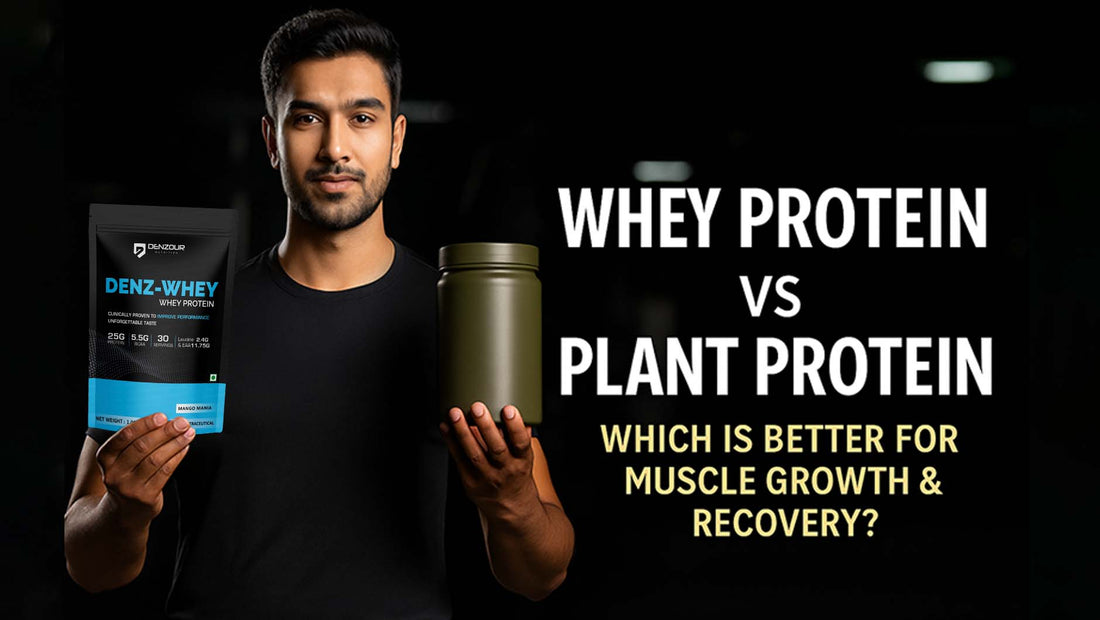
Are you confused about which protein is right for you—whey or plant protein? Choosing the best protein can make a big difference in your fitness results and overall health.
Whether you want to build muscle, lose weight, or simply feel better, knowing which option suits your body and lifestyle is key. You’ll discover the real facts about whey and plant protein, so you can make a choice that truly works for you.
Keep reading to find out which protein will help you reach your goals faster and easier.
Protein Basics
Proteins are essential nutrients for the human body. They help in building muscles and repairing tissues. People often choose whey or plant protein supplements to meet their protein needs.
Understanding the differences between whey and plant proteins can help you decide which is better for your diet. Both have unique benefits and qualities.
What Is Whey Protein
Whey protein is derived from milk. It is a by-product of cheese making. It contains all nine essential amino acids.
Whey protein is popular among athletes. It is quickly absorbed by the body. This makes it great for post-workout recovery.
What Is Plant Protein
Plant protein comes from sources like peas, rice, and soy. It is a good option for vegetarians and vegans. Plant protein is often lower in calories and fat.
Some plant proteins may not contain all amino acids. Mixing different plant proteins can help achieve a complete protein profile.
Protein Quality And Types
Whey protein is considered a complete protein. It has a high biological value. This means it is efficiently used by the body.
Plant proteins vary in quality. Some have lower biological values. Combining different sources can improve quality.
- Whey protein: fast absorption, complete protein
- Plant protein: sustainable, variety of sources
- Protein quality: biological value, amino acid profile
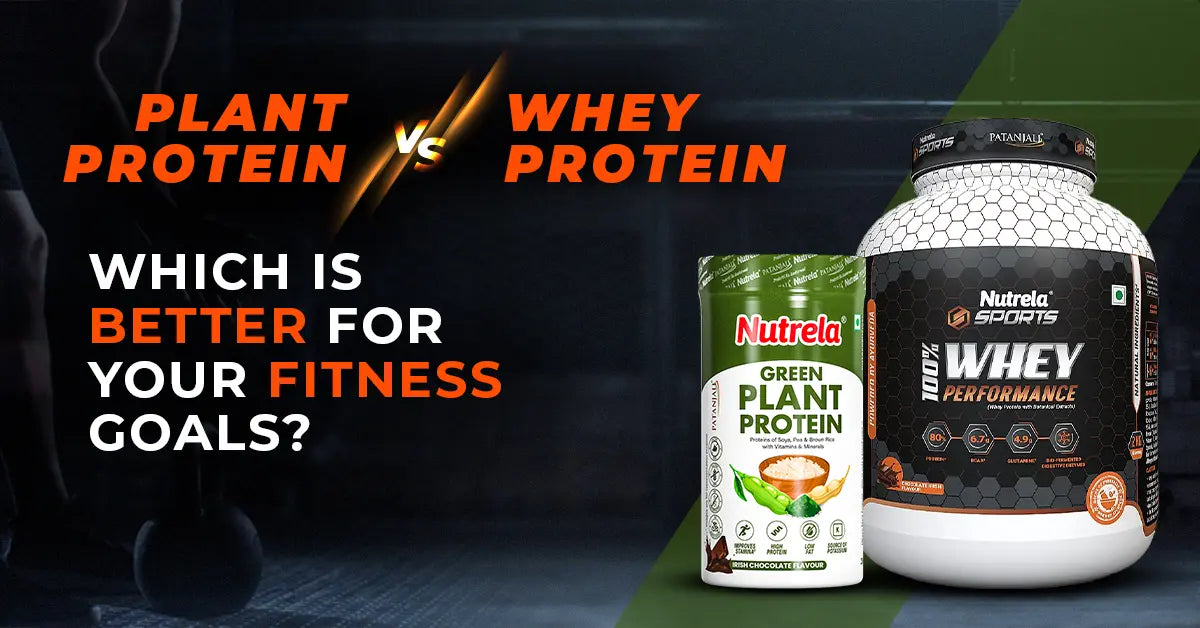
Credit: www.nutrelanutrition.com
Nutritional Content Comparison
Choosing between whey protein and plant protein depends on their nutrition. Both types offer protein but differ in nutrients.
Understanding their differences helps you pick the best option for your diet and goals.
Amino Acid Profiles
Whey protein contains all nine essential amino acids. This makes it a complete protein. It is rich in branched-chain amino acids (BCAAs).
Most plant proteins lack one or more essential amino acids. Some plants, like soy and pea, have better profiles. Combining different plant proteins can create a complete profile.
- Whey: Complete protein with all essential amino acids
- Plant: Often incomplete, except soy and pea protein
- Combining plants improves amino acid balance
Digestibility And Absorption
Whey protein digests quickly. Your body absorbs it fast, helping muscle repair after workouts. It has a high digestibility score.
Plant proteins digest slower. Some contain fiber and compounds that reduce absorption. Processing can improve digestibility. Digestibility varies by plant source.
- Whey: Fast digestion and absorption
- Plant: Slower digestion, varies by type
- Processing helps plant protein digestibility
Calorie And Macronutrient Breakdown
Whey protein usually has fewer calories per serving. It is mostly protein with little fat or carbs. This suits low-calorie diets.
Plant protein powders may have more carbs and fiber. Some have added fats or sugars. Calories vary by brand and ingredients.
| Protein Type | Calories (per 30g) | Protein (g) | Carbs (g) | Fat (g) |
|---|---|---|---|---|
| Whey Protein | 110 | 24 | 2 | 1 |
| Plant Protein | 120-140 | 20-25 | 3-6 | 1-3 |
Health Benefits
Whey protein and plant protein are popular choices for many people. Both offer different health benefits. Choosing the right one depends on your needs.
Understanding their effects on muscle growth, weight management, and allergies helps you decide.
Muscle Growth And Recovery
Whey protein contains all essential amino acids. It is rich in leucine, which helps build muscle fast. It absorbs quickly in the body.
Plant protein may lack some amino acids but is improving with blends like pea and rice protein. It supports muscle repair and growth but absorbs slower than whey.
- Whey protein: fast absorption, high leucine content
- Plant protein: slower absorption, often combined to be complete
- Both support muscle recovery after exercise
Weight Management
Protein helps keep you full longer, which aids weight control. Whey protein can reduce hunger quickly due to fast digestion.
Plant protein provides fiber that helps digestion and fullness. It may help you eat less over time and improve gut health.
- Whey protein reduces hunger fast
- Plant protein adds fiber for fullness
- Both can support healthy weight management
Allergy And Intolerance Considerations
Whey protein is made from milk and contains lactose. People with dairy allergies or lactose intolerance may face issues.
Plant protein is free from dairy and often suitable for vegans. Some may have allergies to soy or nuts used in plant protein powders.
- Whey: not suitable for dairy allergies or lactose intolerance
- Plant: good for dairy-free diets, watch for soy or nut allergies
- Check labels to avoid allergens
Environmental Impact
Choosing the right protein affects the environment. Whey and plant proteins have different impacts on nature.
Understanding their sustainability helps you make better choices for the planet.
Sustainability Of Whey Production
Whey protein comes from milk. It is a byproduct of cheese making. Using whey reduces waste from dairy farms.
Dairy farming needs a lot of water and land. It also produces greenhouse gases like methane. These gases harm the environment.
- High water use for cows and feed
- Land needed for grazing and crops
- Methane emissions from cows
- Energy used in processing whey
Sustainability Of Plant Protein Sources
Plant proteins come from peas, soy, rice, and other plants. Growing plants uses less water and land than dairy farming.
Plants produce fewer greenhouse gases. They also help keep soil healthy and reduce pollution.
- Lower water use than animal farming
- Less land needed for crops
- Minimal greenhouse gas emissions
- Supports soil health and biodiversity
Taste And Texture
Choosing between whey protein and plant protein often depends on taste and texture. These qualities can affect how much you enjoy your protein shake.
Understanding flavor profiles and mixability helps you pick the right protein for your needs.
Flavor Profiles
Whey protein usually has a mild, creamy taste. It blends well with many flavors like chocolate and vanilla.
Plant protein can have a stronger, earthier taste. Some find it a bit nutty or grassy depending on the plant source.
- Whey protein: smooth, creamy, neutral
- Plant protein: earthy, nutty, sometimes bitter
- Flavored versions can mask natural tastes
Mixability And Consistency
Whey protein mixes easily in water or milk. It creates a smooth, creamy texture without lumps.
Plant protein can be harder to mix. It may feel grainy or chalky if not blended well.
- Whey protein: smooth, easy to blend, creamy
- Plant protein: can be grainy, thicker texture
- Using a blender helps improve plant protein texture
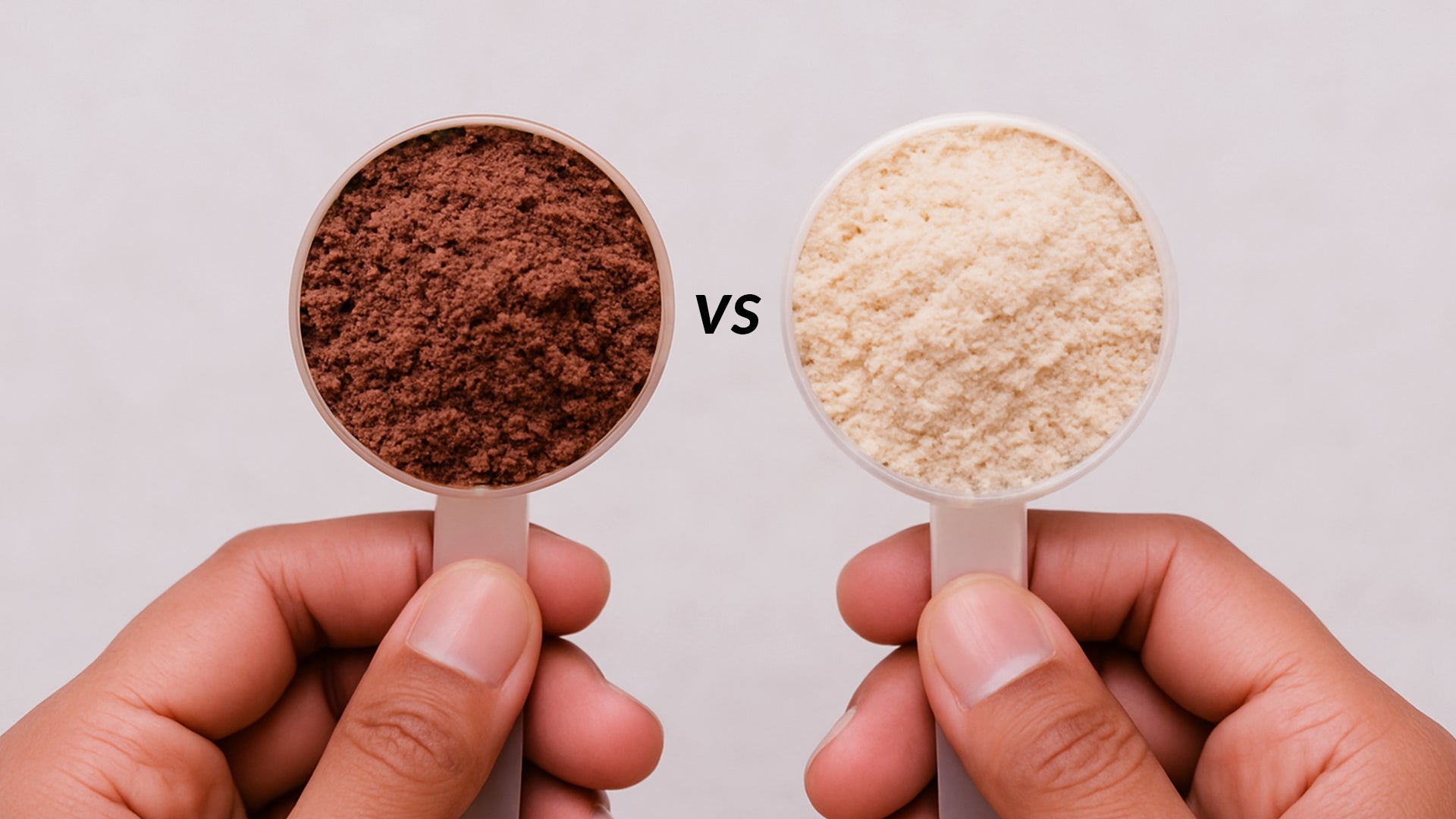
Credit: nutrova.com
Cost And Accessibility
Choosing between whey protein and plant protein often depends on price and how easy it is to find them. Both types have different costs and availability in stores.
Understanding these differences helps you pick the protein that fits your budget and location.
Price Differences
Whey protein usually costs less than plant protein. It is cheaper to produce because it comes from dairy, which is widely available.
Plant protein powders often use multiple sources like peas, rice, or hemp. This can make them more expensive to make.
- Whey protein prices range from $10 to $30 per pound.
- Plant protein powders can cost $15 to $40 per pound.
- Prices vary by brand and quality.
Availability In Markets
Whey protein is widely available in many stores, including supermarkets and gyms. It is popular and easy to find.
Plant proteins are less common but growing in popularity. Some stores may have limited options or higher prices.
- Whey protein is found in most health and grocery stores.
- Plant protein is common in health food stores and online.
- Both types are available in large cities more than rural areas.
Choosing The Right Protein
Protein is important for building muscles and staying healthy. Many people choose between whey protein and plant protein. Picking the right one depends on your needs and lifestyle.
This guide helps you decide which protein fits you best. Look at your diet, fitness goals, and any allergies you have.
Based On Dietary Preferences
Whey protein comes from milk, so it suits people who eat dairy. Plant protein is made from peas, rice, or soy. It fits well with vegan and vegetarian diets.
Choose whey if you eat dairy and want a complete protein. Pick plant protein if you avoid animal products or prefer natural sources.
- Whey protein: dairy-based, complete amino acids
- Plant protein: dairy-free, good for vegans and vegetarians
- Plant protein can mix different plants for full nutrition
Based On Fitness Goals
Whey protein is fast to digest and helps build muscle quickly. It is good for strength training and muscle recovery.
Plant protein digests slower and supports overall health. It helps with endurance and long-term fitness goals.
- Whey protein: fast muscle repair and growth
- Plant protein: supports endurance and general health
- Both provide essential amino acids for muscles
Considering Allergies And Sensitivities
Some people are allergic to dairy or lactose intolerant. Whey protein may cause stomach problems for them. Plant protein is usually easier to digest.
Plant proteins can cause allergies too, like soy or pea allergies. Check ingredients and try small amounts first.
- Whey protein: watch for dairy allergies and lactose intolerance
- Plant protein: check for soy, pea, or nut allergies
- Choose protein that fits your body’s needs

Credit: levelsprotein.com
Frequently Asked Questions
What Are The Main Differences Between Whey And Plant Protein?
Whey protein is animal-based, fast-absorbing, and rich in essential amino acids. Plant protein is plant-based, slower digesting, and often contains fiber. Whey suits muscle building, while plant protein benefits digestion and suits vegans.
Is Whey Protein Better For Muscle Growth?
Yes, whey protein is better for muscle growth. It contains all essential amino acids and digests quickly. This promotes faster muscle repair and growth after workouts compared to most plant proteins.
Can Plant Protein Replace Whey Protein Effectively?
Plant protein can replace whey but may require combining sources. It often lacks one or more essential amino acids. Mixing pea, rice, or hemp protein can provide a complete amino acid profile.
Which Protein Is Easier To Digest, Whey Or Plant?
Plant protein is generally easier to digest for people with lactose intolerance. Whey contains lactose, which can cause discomfort. However, whey isolate has less lactose and may be tolerable for some.
Conclusion
Choosing between whey and plant protein depends on your needs and goals. Whey protein offers fast absorption and a complete amino acid profile. Plant protein suits those who prefer vegan or lactose-free options. Both support muscle growth and recovery effectively.
Consider taste, digestion, and dietary restrictions too. Balance and variety can also work well. Think about what fits your lifestyle best. Your body will thank you for the right choice. Simple and smart decisions lead to better results.


