

Have you ever wondered why your favorite whey protein costs more than other supplements? You’re not alone.
If you’re serious about building muscle, recovering faster, or simply staying healthy, you want to know what makes whey protein worth the price. Understanding the reasons behind its cost can help you make smarter choices for your body and your wallet.
Keep reading, because what you learn here might change the way you shop for protein forever.

Credit: www.reddit.com
Whey Protein Production Process
Whey protein is a popular supplement for fitness enthusiasts. It is a by-product of cheese making. The production involves several steps that add to its cost.
The process requires careful handling to ensure high quality. This makes whey protein more expensive than other protein sources.
Milk Sourcing And Quality
High-quality milk is essential for good whey protein. Farmers need to provide milk from healthy cows. This ensures the final product is rich in nutrients.
Milk must be free from contaminants. This adds to the cost, as regular testing and quality control are needed.
- Healthy cows produce better milk
- Testing ensures no contaminants
- Quality milk is more expensive
Extraction And Filtration Techniques
After collecting milk, the next step is extraction. This involves separating whey from other milk components. Advanced techniques are used for this.
Filtration removes impurities and concentrates the protein. These processes require special equipment, adding to the cost.
- Extraction separates whey from milk
- Filtration concentrates the protein
- Special equipment increases production costs
Drying And Packaging
Once the whey is filtered, it needs to be dried. Drying turns the liquid whey into powder. This step is crucial for storage and transport.
Packaging must protect the whey from moisture and contamination. High-quality packaging materials add to the overall expense.
- Drying turns whey into powder
- Packaging protects the product
- Quality materials increase packaging cost
Key Factors Driving Costs
Whey protein is popular but often expensive. Several key factors make its price higher than other supplements.
Understanding these factors helps explain why whey protein costs more in stores.
Raw Material Expenses
Whey protein comes from milk. The quality and price of milk affect the cost of whey protein.
Farm costs, feed for cows, and milk processing add to raw material expenses. Organic or grass-fed milk costs even more.
- Milk prices vary by region and season
- High-quality milk increases protein purity
- Special milk sources raise costs
Manufacturing Technology
Whey protein uses advanced technology to extract and process the protein from milk.
Techniques like microfiltration or ion exchange improve purity but cost more to run and maintain.
- High-tech machines need regular upkeep
- Energy costs rise with advanced processing
- Skilled workers are needed to operate machines
Quality Control And Testing
Testing whey protein ensures it is safe and meets quality standards. This adds to the total cost.
Labs check protein content, contaminants, and taste. More tests mean higher costs but better products.
- Regular lab tests for purity and safety
- Checks for heavy metals and bacteria
- Packaging tests to keep freshness
Market Demand And Supply
Whey protein is a popular supplement used by many people. Its price depends on how much people want it and how much is available.
The balance between demand and supply affects the cost. When demand is high and supply is low, prices go up.
Popularity Among Fitness Enthusiasts
Many fitness lovers use whey protein to build muscle and recover. This creates strong demand for the product.
More people joining gyms or doing sports increase the need for whey protein. This pushes prices higher.
Global Supply Chain Challenges
Whey protein comes from milk, mostly produced in some countries. Shipping and production can face delays.
Problems like transport costs, factory shutdowns, or lack of raw materials reduce supply. This drives prices up.
- High transport fees increase product cost
- Raw material shortages limit production
- Factory or port delays slow delivery
Impact Of Brand Positioning
Brands that focus on quality or special features often charge more. Their marketing raises the product’s perceived value.
Well-known brands set higher prices because customers trust them. This affects the overall market price for whey protein.
Comparison With Other Protein Sources
Whey protein is often more expensive than other protein types. This price difference comes from how it is made and its quality.
Understanding how whey compares to other proteins helps explain why it costs more.
Plant-based Proteins
Plant-based proteins like pea, soy, and rice tend to be cheaper than whey. They come from crops that are easier to grow and harvest.
Whey protein has a higher protein quality and better amino acid profile than most plants. This makes it more effective for muscle building.
- Plant proteins are less processed, lowering costs
- Whey requires dairy farming and complex processing
- Plant proteins may lack some essential amino acids
- Whey protein is faster absorbed by the body
Other Animal Proteins
Animal proteins like casein, egg, and beef protein are closer in price to whey. They also come from animals, which costs more than plants.
Whey protein is usually more expensive than casein but similar to egg protein. Beef protein can be pricier due to its source.
| Protein Type | Cost | Processing Level | Protein Quality |
|---|---|---|---|
| Whey Protein | High | High | Excellent |
| Casein Protein | Medium | High | High |
| Egg Protein | High | Medium | Excellent |
| Beef Protein | High | Medium | Good |
Hidden Costs In Whey Protein
Whey protein often costs more than people expect. Many hidden expenses add to the price.
These costs include extra ingredients, marketing, and how the product gets to stores.
Additives And Flavoring
Whey protein usually contains additives to improve taste and texture. These include sweeteners and thickeners.
High-quality flavors and natural ingredients cost more to produce. This raises the final price.
- Sweeteners like stevia or sucralose
- Natural and artificial flavorings
- Thickeners and stabilizers
- Preservatives to extend shelf life
Marketing And Advertising Expenses
Companies spend a lot on ads to sell whey protein. This includes online, TV, and print ads.
Marketing costs increase the product price to cover these expenses.
- Social media campaigns
- Sponsorships and endorsements
- Packaging design and branding
- Promotional events
Distribution And Retail Markups
Whey protein must be shipped from factories to stores. This adds transport and storage costs.
Retailers add their own markup to make a profit. This also raises the price consumers pay.
- Shipping fees from manufacturer to warehouse
- Storage and handling costs
- Retail store markups
- Online seller fees and shipping costs
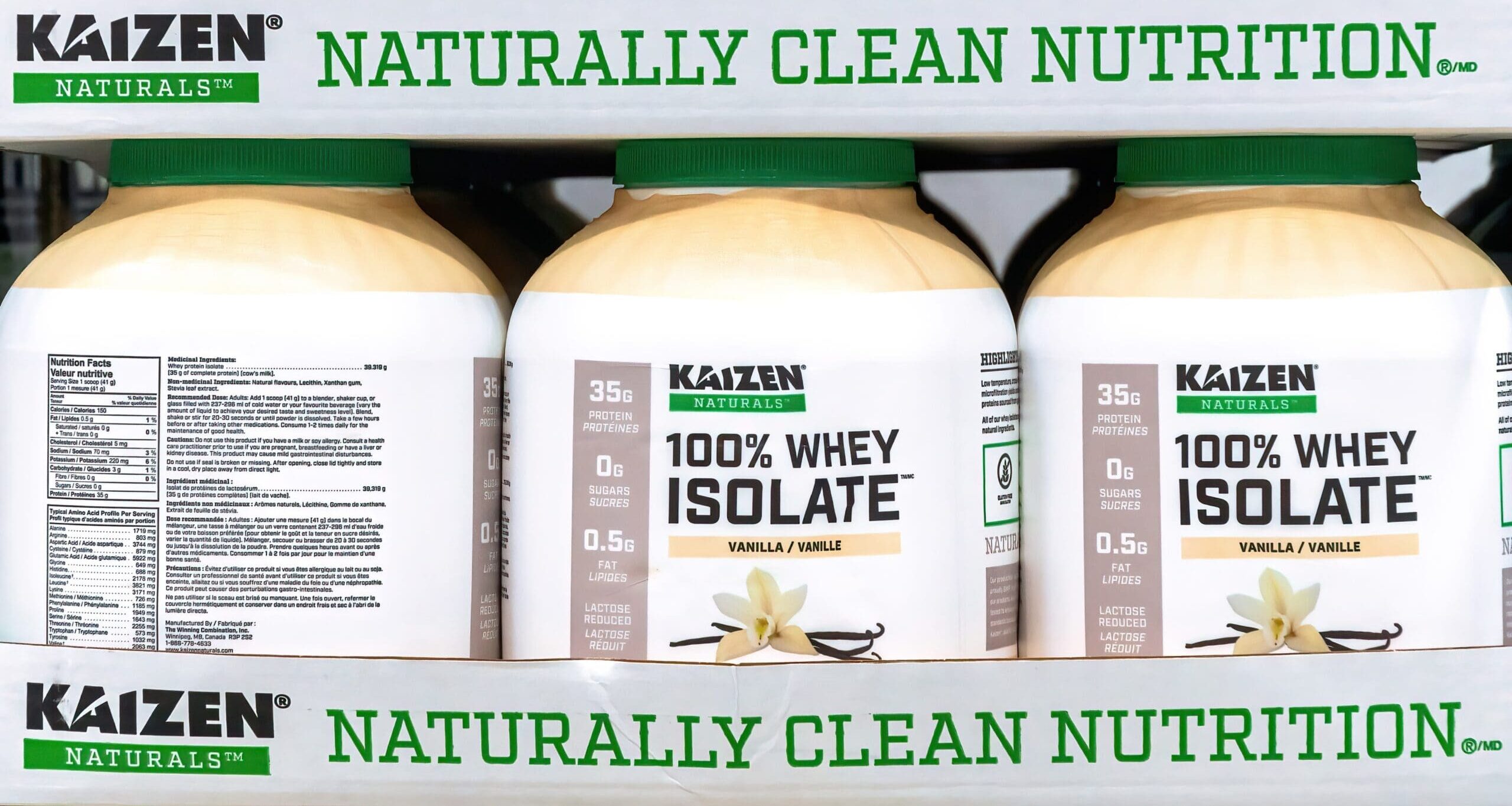
Credit: foodprint.org
Ways To Find Affordable Whey Protein
Whey protein can be expensive due to its production process and quality. Many people look for ways to save money while buying it.
Finding affordable whey protein means understanding what affects the price and how to shop smartly.
Buying In Bulk
Buying whey protein in large quantities often lowers the price per serving. Stores and online shops give discounts for bigger packages.
Bulk buying means you get more protein for less money. Just be sure to store it properly to keep it fresh.
- Look for family or value size containers
- Check expiration dates before buying
- Compare price per serving, not just package price
Choosing Lesser-known Brands
Big brands often charge more because of their name. Lesser-known brands can offer similar quality at lower prices.
Reading reviews and checking ingredient lists helps find good products from smaller companies.
- Look for brands with clear labeling
- Check for third-party testing or certifications
- Read customer feedback on quality and taste
Evaluating Nutritional Value Vs Price
Compare how much protein you get for the price. Sometimes cheaper powders have less protein per scoop.
Look at added ingredients like sugars or fillers. Higher protein content usually means better value.
| Factor | What to Check | Why It Matters |
|---|---|---|
| Protein per serving | Amount of protein in grams | More protein means better value |
| Added sugars | Check grams of sugar | Less sugar is healthier |
| Other ingredients | Fillers or additives | Less filler means purer protein |
| Price per serving | Cost divided by servings | Helps compare value across brands |

Credit: www.reddit.com
Frequently Asked Questions
Why Is Whey Protein More Costly Than Other Proteins?
Whey protein costs more due to its high-quality amino acids and fast absorption rate. Processing involves advanced filtration, raising production costs. Additionally, demand from fitness enthusiasts and athletes increases prices. Brand reputation and added ingredients like flavors also impact the cost.
Does Production Process Affect Whey Protein Price?
Yes, the production process significantly affects whey protein price. It involves milk sourcing, filtration, and drying steps. Advanced methods like microfiltration ensure purity but increase costs. More refined whey isolates cost more than concentrates due to complex processing.
How Does Quality Influence Whey Protein Cost?
Higher quality whey protein uses better milk and advanced filtration. It delivers purer protein with fewer fats and lactose. Premium brands invest in quality control and certifications, raising costs. Consumers pay more for superior taste, digestibility, and effectiveness.
Are Added Ingredients Responsible For Whey Protein Expenses?
Yes, added ingredients like flavors, sweeteners, and enzymes raise whey protein expenses. Natural or specialized additives increase production costs. These enhance taste, mixability, and digestion, making the product more appealing but pricier.
Conclusion
Whey protein costs more because of its quality and processing. It needs special care to keep its nutrients strong. Making whey protein takes time and skill. Packaging and testing add to the price too. Many people trust whey for good health and fitness.
Paying more often means getting pure and safe protein. Choosing whey means investing in your body’s strength. Keep these facts in mind when you buy whey protein. The price reflects the effort behind every scoop.


