

Are you confused about the difference between milk protein and whey protein? You’re not alone.
Many people use these terms interchangeably, but understanding how they differ can make a big impact on your health and fitness goals. Whether you want to build muscle, lose weight, or just eat smarter, knowing which protein works best for you is key.
Keep reading to discover the simple facts that will help you choose the right protein for your needs—and get the results you want faster.
Milk Protein Basics
Milk protein is a key nutrient found in dairy products. It helps build and repair muscles in our body.
It is a complete protein, meaning it contains all the essential amino acids we need. This makes it an important part of a balanced diet.
Types Of Proteins In Milk
Milk contains two main types of proteins: casein and whey. These proteins have different properties and benefits.
Casein makes up about 80% of the protein in milk. It is slow-digesting, providing a steady release of amino acids.
Whey protein is the remaining 20%. It is fast-digesting and is often used in supplements.
- Casein: Slow digestion, long-lasting energy
- Whey: Fast absorption, quick energy boost
Nutritional Profile
Milk protein is rich in essential nutrients. It provides a good balance of amino acids, vitamins, and minerals.
It is an excellent source of calcium, which is important for strong bones and teeth. Milk also contains vitamin D, which helps with calcium absorption.
| Nutrient | Amount per 100g |
| Protein | 3.4g |
| Calcium | 125mg |
| Vitamin D | 1.2µg |
Whey Protein Essentials
Whey protein comes from milk and is popular for its health benefits. It contains all the essential amino acids your body needs.
This protein is easy to digest and helps in muscle growth and repair. Many athletes and fitness lovers use whey protein daily.
Whey Production Process
Whey protein is made during cheese production. Milk is separated into curds and whey.
The liquid whey is then filtered to remove fats and lactose. This process leaves mostly protein behind.
- Milk is heated and enzymes are added.
- Curds form and are separated from whey.
- Whey is filtered to concentrate protein.
- Protein is dried into powder form.
Common Forms Of Whey Protein
There are three main forms of whey protein. Each varies in protein content and processing.
Choosing the right form depends on your diet and fitness goals.
- Whey Concentrate:Contains 70-80% protein with some fat and lactose.
- Whey Isolate:Over 90% protein, low in fat and lactose.
- Whey Hydrolysate:Pre-digested for faster absorption.
Comparing Milk And Whey Protein
Milk protein and whey protein come from the same source: milk. They both provide important nutrients for the body. Many people use these proteins to build muscle and stay healthy.
Understanding the differences helps you choose the right protein for your needs. This comparison looks at their composition, digestion, and amino acids.
Protein Composition Differences
Milk protein contains two main parts: casein and whey. Casein makes up about 80% of milk protein. Whey makes up the other 20%. Whey protein is the liquid part that separates when milk turns into cheese.
Whey protein is more pure because it contains mostly whey only. Milk protein has both whey and casein mixed. Casein forms a gel in the stomach, slowing digestion. Whey protein stays liquid and digests faster.
- Milk protein = 80% casein + 20% whey
- Whey protein = mostly whey only
- Casein digests slowly
- Whey digests quickly
Digestibility And Absorption
Whey protein breaks down faster in the stomach. It quickly enters the bloodstream. This fast absorption helps muscles recover after exercise.
Milk protein takes longer to digest. Casein forms a thick layer in the stomach. This slows the release of amino acids. Slow digestion helps provide nutrients for a longer time.
- Whey protein digests fast
- Whey quickly reaches muscles
- Milk protein digests slow
- Milk feeds muscles over time
Amino Acid Profiles
Both milk and whey protein have all nine essential amino acids. These amino acids support muscle growth and repair. Whey protein has more branched-chain amino acids (BCAAs) like leucine.
Leucine plays a key role in starting muscle building. Milk protein has BCAAs too but in smaller amounts. The different amounts affect how quickly the body builds muscle.
| Protein Type | Contains All Essential Amino Acids | BCAAs Level | Leucine Content |
|---|---|---|---|
| Whey Protein | Yes | High | High |
| Milk Protein | Yes | Moderate | Moderate |

Credit: www.steadfastnutrition.in
Benefits Of Milk Protein
Milk protein is a popular choice for many people who want to improve their health. It comes from cow’s milk and includes two main types: casein and whey.
Milk protein has many benefits that support your body in different ways. It helps with muscle growth, repair, and even weight control.
Muscle Growth And Repair
Milk protein contains all the essential amino acids your body needs. These amino acids help build and repair muscle tissue after exercise.
Casein in milk protein digests slowly. It gives your muscles a steady supply of nutrients for hours. Whey protein digests quickly and helps muscles recover fast.
- Supplies essential amino acids
- Supports muscle repair after workouts
- Provides both slow and fast digestion proteins
Satiety And Weight Management
Milk protein helps you feel full for a longer time. This can reduce hunger and help control how much you eat during the day.
Eating milk protein can support weight management by lowering your appetite and helping maintain muscle mass while losing fat.
- Increases feelings of fullness
- Helps reduce overall calorie intake
- Supports fat loss while preserving muscle
Advantages Of Whey Protein
Whey protein is a popular supplement for people who want to build muscle or improve their health. It comes from milk but is not the same as whole milk protein.
This protein type offers many benefits that make it a good choice for quick nutrition after workouts or anytime during the day.
Fast Absorption Rates
Whey protein is known for how fast the body absorbs it. This helps muscles get the nutrients they need quickly.
After exercise, your muscles need protein to repair and grow. Whey protein reaches your bloodstream faster than other proteins.
- Digests quickly in the stomach
- Supplies amino acids rapidly
- Supports faster muscle recovery
Immune System Support
Whey protein contains components that help boost the immune system. It has special proteins called immunoglobulins.
These proteins help protect the body from infections and keep the immune system strong.
- Contains antibodies to fight germs
- Supports white blood cell function
- Helps maintain overall health
Choosing Between Milk And Whey Protein
Milk protein and whey protein both come from milk but differ in makeup. Choosing the right one depends on your needs and body.
Understanding the differences helps you pick the best protein for your fitness and health goals.
Fitness Goals And Preferences
Whey protein absorbs quickly and supports muscle recovery after workouts. It is good for building muscle fast.
Milk protein digests slower and provides a steady supply of amino acids. It suits those who want longer-lasting protein.
- Whey protein: fast absorption, ideal post-workout
- Milk protein: slow digestion, good for muscle maintenance
- Choose based on workout timing and muscle goals
Dietary Restrictions And Allergies
Some people are sensitive to lactose found in milk proteins. Whey protein isolate has less lactose than milk protein.
Milk protein contains both casein and whey, which may cause allergies in some individuals. Check your tolerance before use.
- Whey isolate: lower lactose, better for lactose intolerance
- Milk protein: contains casein and whey, may trigger allergies
- Read labels carefully if you have allergies or sensitivities
Potential Side Effects
Milk protein and whey protein come from milk, but they can cause side effects. Some people may have trouble digesting these proteins. Others might have allergic reactions.
It is important to know the possible side effects before using these proteins in your diet.
Lactose Intolerance Issues
Milk protein contains lactose, a sugar found in milk. People with lactose intolerance lack the enzyme to digest lactose. This can cause stomach pain, gas, and diarrhea.
Whey protein usually has less lactose than milk protein. But some whey powders still contain lactose. People with lactose intolerance should check labels carefully.
- Bloating and gas
- Stomach cramps
- Diarrhea after consuming milk protein
- Look for lactose-free whey protein options
Allergic Reactions
Milk protein and whey protein are made from milk, which can cause allergies in some people. Allergic reactions can be mild or severe. Symptoms include itching, swelling, and breathing problems.
People allergic to milk should avoid both milk protein and whey protein. They should talk to a doctor if they show allergy signs after eating these proteins.
- Skin rash or hives
- Swelling of lips or throat
- Difficulty breathing
- Seek medical help if severe reactions occur

Credit: www.strengthlog.com
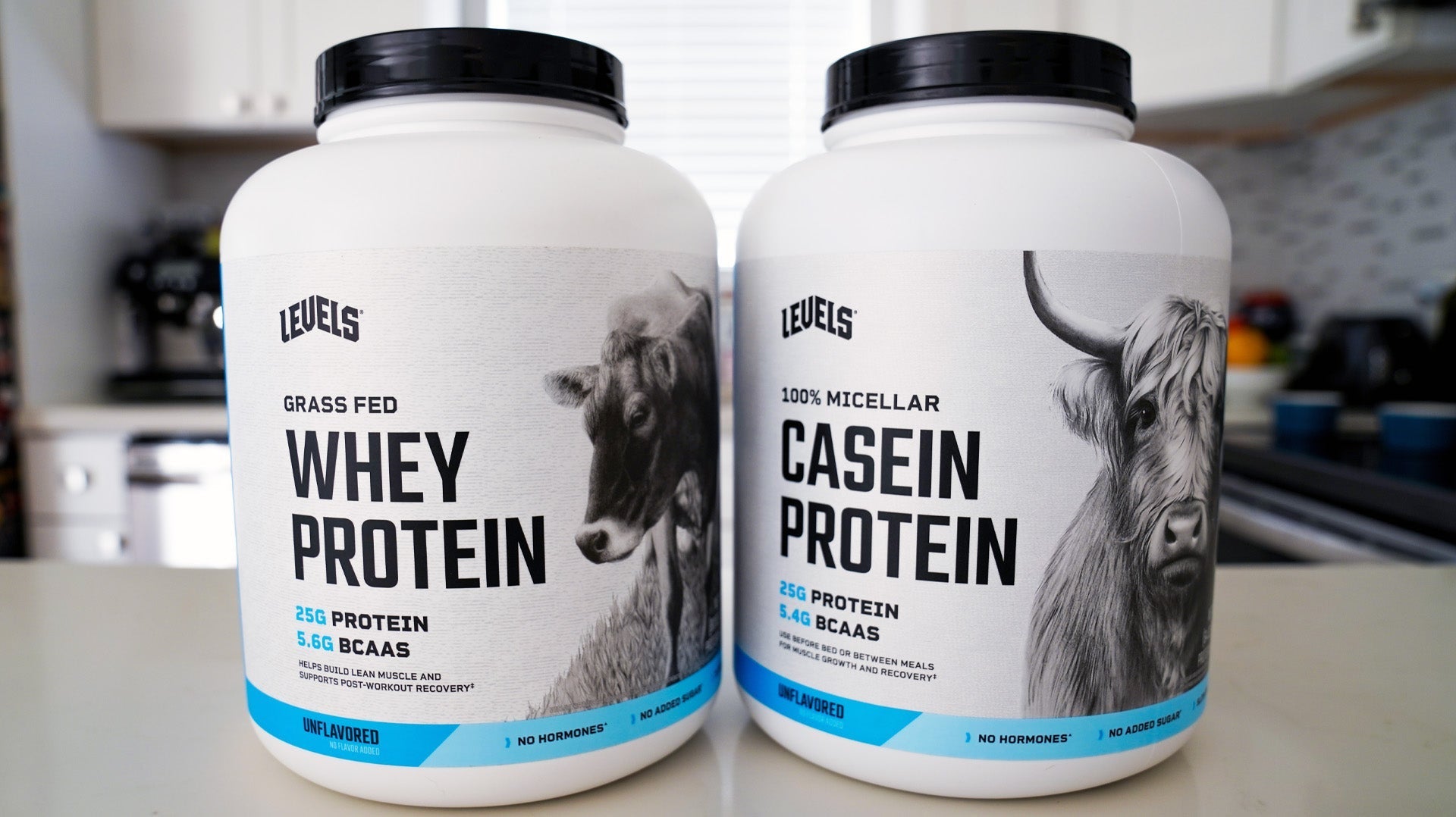
Credit: levelsprotein.com
Frequently Asked Questions
What Is The Difference Between Milk Protein And Whey Protein?
Milk protein contains both casein and whey, while whey protein is just the liquid part separated from milk. Whey digests faster, making it ideal for post-workout recovery. Milk protein offers a slower release, providing sustained amino acids over time.
Is Whey Protein A Type Of Milk Protein?
Yes, whey protein is a subset of milk protein. Milk protein is made up of approximately 80% casein and 20% whey. Whey is the water-soluble part, rich in essential amino acids, and commonly used in supplements for muscle building.
Which Protein Is Better For Muscle Growth: Milk Or Whey?
Whey protein is generally better for quick muscle recovery due to its fast absorption. Milk protein, containing both whey and casein, supports longer-lasting muscle repair. Choosing depends on your timing and dietary goals.
Can People With Lactose Intolerance Consume Whey Protein?
Many whey protein isolates have low lactose and are often tolerable for lactose-intolerant individuals. However, concentrate forms contain more lactose. It’s best to check the product label or opt for lactose-free whey options.
Conclusion
Milk protein and whey protein are not exactly the same. Milk protein contains both casein and whey. Whey protein is a part of milk protein and digests faster. Each has its own benefits for health and muscle growth. Choose based on your needs and how your body reacts.
Both can support your fitness goals well. Understanding the difference helps you pick the right protein. Simple and clear choices lead to better results. Keep your diet balanced and protein intake steady.


