

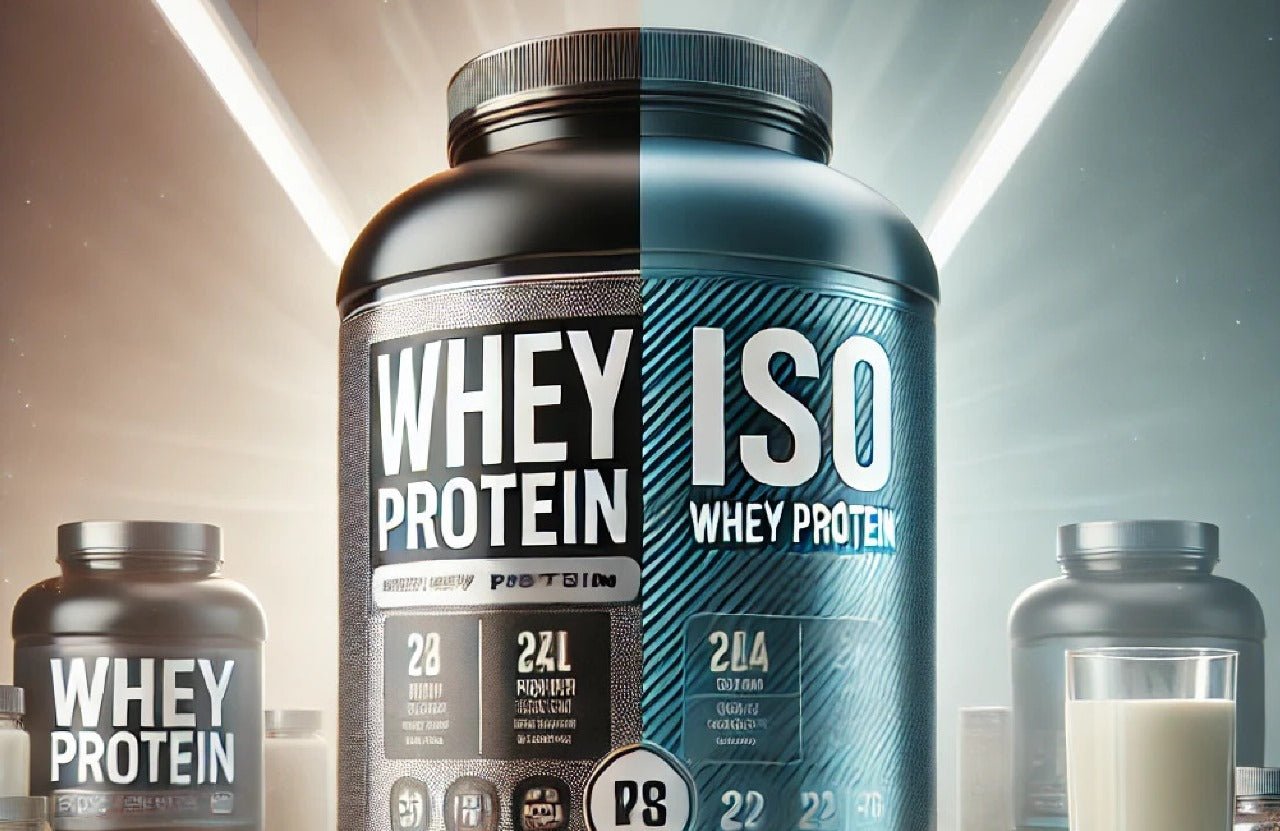
Are you confused about the difference between whey protein and isolate protein? You’re not alone.
When choosing the right protein for your fitness goals, understanding what sets these two apart can make a big difference. Whether you want to build muscle, lose weight, or simply stay healthy, knowing which protein suits your body and lifestyle is key.
Keep reading, and by the end of this article, you’ll have clear answers that help you make the best choice for your nutrition.
Whey Protein Basics
Whey protein is a popular supplement for fitness enthusiasts. It helps in muscle building and recovery.
It is derived from milk and contains all essential amino acids. Whey protein is quickly absorbed by the body.
Sources And Types
Whey protein comes from the liquid part of milk during cheese making. It is then processed to create different types.
There are mainly three types: whey concentrate, whey isolate, and whey hydrolysate. Each type has different protein levels.
- Whey Concentrate: 70-80% protein, some fats and carbohydrates
- Whey Isolate: 90% protein or higher, less fat and carbohydrates
- Whey Hydrolysate: Pre-digested, faster absorption
Nutritional Profile
Whey protein is rich in essential amino acids. It supports muscle repair and growth.
It contains branched-chain amino acids (BCAAs) that are crucial for muscle development. Whey protein also has high levels of leucine.
| Component | Whey Concentrate | Whey Isolate |
| Protein Content | 70-80% | 90% or higher |
| Fat Content | Higher | Lower |
| Carbohydrates | Higher | Lower |

Credit: levelsprotein.com
Isolate Protein Explained
Isolate protein is a type of protein powder. It is made from whey, which comes from milk.
This protein is popular because it has more protein and less fat and carbs. It is often used by athletes and people who want to build muscle.
Extraction Process
The extraction process removes most fats and carbohydrates from whey. It uses filters to separate protein from other parts.
This process helps get a purer protein powder. The protein is isolated from lactose and fats.
- Whey is filtered using micro or ultrafiltration
- Fats and lactose are removed
- High protein content remains
- Protein is dried into powder form
Purity And Composition
Isolate protein usually contains 90% or more protein by weight. It has very low fat and carbohydrate levels.
This makes it different from regular whey protein, which has more fats and carbs. Isolate protein is also lower in lactose.
| Component | Whey Protein Isolate | Regular Whey Protein |
|---|---|---|
| Protein Content | 90% or higher | 70-80% |
| Fat | Very low | Higher |
| Carbohydrates | Very low | Higher |
| Lactose | Low | Higher |
Protein Content Comparison
Whey protein and isolate protein are popular protein supplements. Both come from milk but have different protein levels.
Understanding their protein content helps you choose the right one for your needs.
Whey Protein
Whey protein contains a mix of protein, fat, and lactose. It usually has about 70-80% protein by weight.
This means it has some carbs and fats along with protein.
Isolate Protein
Isolate protein is a purer form of whey protein. It contains about 90-95% protein by weight.
It has very little fat and lactose, making it almost pure protein.
| Type | Protein Content | Fat Content | Lactose Content |
|---|---|---|---|
| Whey Protein | 70-80% | Some | Some |
| Isolate Protein | 90-95% | Very little | Very little |

Credit: www.gq-magazine.co.uk
Digestibility And Absorption
Whey protein and isolate protein are popular for muscle growth. They differ in how your body digests and absorbs them.
Understanding these differences helps you choose the right protein for your needs.
Digestibility Of Whey Protein
Whey protein contains some fat and lactose. This can slow digestion for some people. Most find it easy to digest, but it may cause discomfort in those with lactose intolerance.
The presence of fats and carbs means your stomach processes whey protein a bit slower than isolate protein.
Digestibility Of Isolate Protein
Isolate protein is more pure. It has less fat and almost no lactose. This makes it easier to digest for many people.
Because it is cleaner, isolate protein is a good choice for those with sensitive stomachs or lactose issues.
Absorption Speed Of Whey Protein
Whey protein absorbs quickly but slower than isolate. The extra fats and carbs slow absorption a little.
It still provides amino acids fast enough to support muscle repair and growth after workouts.
Absorption Speed Of Isolate Protein
Isolate protein absorbs very fast. It sends amino acids to your muscles quickly after eating.
This fast absorption helps with quick muscle recovery and supports protein needs right after exercise.
Benefits For Muscle Growth
Whey protein and isolate protein both help build muscle. They provide the body with protein needed for repair and growth.
Understanding the difference can help you choose the best option for your fitness goals.
Whey Protein Overview
Whey protein comes from milk and contains all essential amino acids. It is quickly absorbed by the body.
This protein type supports muscle repair after workouts. It also helps increase muscle size and strength.
Isolate Protein Overview
Isolate protein is a purer form of whey. It has less fat and lactose, making it easier to digest.
Because it is quickly absorbed, it supports fast muscle recovery and growth. It suits those with lactose intolerance.
Muscle Growth Benefits Comparison
| Feature | Whey Protein | Isolate Protein |
|---|---|---|
| Protein Content | 70-80% | 90% or higher |
| Fat and Lactose | Contains more | Very low |
| Absorption Speed | Fast | Faster |
| Muscle Repair | Supports well | Supports quickly |
| Best for | General muscle growth | Fast recovery and sensitive digestion |
Which Protein Helps Muscle Growth More?
Both types help muscles grow by providing protein. Isolate works faster because it is purer.
Choose whey protein if you want a balanced option. Pick isolate if you want quick absorption and less fat.
Impact On Weight Management
Whey protein and isolate protein are popular supplements for weight management. Both help support muscle growth and fat loss.
Understanding their differences can help you choose the right protein for your goals.
Whey Protein And Weight Loss
Whey protein contains some fat and carbohydrates. It helps you feel full and reduce hunger.
Its balanced nutrient mix supports muscle repair after exercise. Building muscle can increase your metabolism.
- Helps control appetite
- Supports muscle growth
- Contains small amounts of fat and carbs
Isolate Protein And Weight Loss
Isolate protein has almost no fat or carbohydrates. It is more pure and quickly absorbed by the body.
This makes it ideal for reducing calorie intake while keeping protein high. It helps preserve muscle during weight loss.
- Very low in fat and carbs
- High protein content per serving
- Fast absorption
Lactose And Allergen Considerations
Whey protein and isolate protein come from milk. Both can cause allergies or digestion issues for some people.
It is important to know the differences in lactose and allergens between them.
Lactose Content
Whey protein has more lactose than isolate protein. Lactose is a sugar found in milk.
Isolate protein goes through extra filtering to remove most lactose. This makes it easier to digest for people with lactose intolerance.
- Whey protein contains small amounts of lactose
- Isolate protein contains very little lactose
- Isolate protein is better for lactose-sensitive people
Allergen Considerations
Both whey and isolate proteins come from milk, a common allergen. People with milk allergies should avoid them.
Isolate protein has fewer impurities but still contains milk proteins that can cause allergies.
- Whey protein may cause allergic reactions in sensitive people
- Isolate protein has less fat and lactose but still contains milk allergens
- Neither is safe for people with milk allergies
Credit: www.med7online.com
Flavor And Texture Differences
Whey protein and isolate protein are popular supplements for fitness and health. They come from milk but have different taste and feel.
Understanding their flavor and texture helps you choose the right one for your needs.
Flavor Differences
Whey protein has a creamy and slightly sweet taste. It keeps more milk solids, which add flavor.
Isolate protein tastes cleaner and less sweet. It has fewer fats and lactose, so the flavor is milder.
- Whey protein is richer in taste
- Isolate protein is lighter and less creamy
- Isolate may taste a bit bland to some people
Texture Differences
Whey protein usually feels thicker and creamier in shakes. It has more fat and lactose, which add to the texture.
Isolate protein is thinner and smoother. It mixes well with water and feels lighter on the tongue.
- Whey protein is creamier and thicker
- Isolate protein is smoother and lighter
- Whey can be a bit grainy if not mixed well
Cost And Availability
Whey protein and isolate protein are popular supplements for fitness. Both have different prices and availability in stores.
Knowing the cost and where to find them helps you choose the right protein for your needs.
Cost
Whey protein usually costs less than isolate protein. It contains more parts of the milk, so it is cheaper to make.
Isolate protein goes through extra processing to remove fat and lactose. This makes it more expensive.
- Whey protein is budget-friendly
- Isolate protein costs more due to purity
- Price difference depends on brand and size
Availability
Whey protein is widely available in many stores and online. Many brands offer it in different flavors and sizes.
Isolate protein is also available but less common. It may be found in specialty shops or health stores.
- Whey protein is easy to find everywhere
- Isolate protein is more in health-focused stores
- Online shops offer both types with many choices
Choosing The Right Protein
Whey protein and isolate protein are popular choices for many people. Both come from milk but differ in processing and content.
Choosing the right protein depends on your personal needs and goals. Let’s look at factors to help you decide.
Fitness Goals
Whey protein contains more fats and carbs than isolate. It is good for muscle building and recovery.
Isolate protein has higher protein content with less fat and carbs. It suits those wanting lean muscle or weight loss.
- Choose whey for overall muscle gain and energy
- Choose isolate for cutting fat and lean muscle
- Both help with muscle repair after workouts
Dietary Restrictions
Whey protein has more lactose, which may cause issues for lactose-intolerant people. It also contains some fats.
Isolate protein is filtered to remove most lactose and fats. It is better for people with lactose sensitivity or low-fat diets.
- Whey protein may cause bloating for some
- Isolate is easier to digest for sensitive stomachs
- Check labels for added ingredients if allergies exist
Budget Factors
Whey protein is usually cheaper because it is less processed. It offers good value for everyday use.
Isolate protein costs more due to extra filtering. It can be worth it for specific dietary needs or goals.
- Whey protein fits tighter budgets
- Isolate protein suits those who can spend more
- Buying in bulk can lower costs for both
Frequently Asked Questions
What Is Whey Protein?
Whey protein is a complete protein derived from milk during cheese production. It contains all essential amino acids. It helps build muscle and aids recovery. It is quickly absorbed by the body, making it popular among athletes and fitness enthusiasts.
How Does Isolate Protein Differ From Whey?
Isolate protein is a purer form of whey protein. It undergoes extra processing to remove fat and lactose. This results in higher protein content, usually above 90%. It is ideal for those seeking low-carb and low-fat protein options.
Which Protein Is Better For Muscle Building?
Both whey and isolate protein support muscle growth effectively. Whey protein has slightly more nutrients, while isolate offers higher purity. Choose based on dietary needs and lactose tolerance. Both types quickly supply amino acids essential for muscle repair.
Is Isolate Protein Suitable For Lactose Intolerance?
Yes, isolate protein contains minimal lactose due to extra filtration. It is generally safe for people with lactose intolerance. However, always check labels and start with small amounts to ensure tolerance. It provides high-quality protein without digestive discomfort.
Conclusion
Whey protein and isolate protein both help build muscle and improve health. Whey protein has more nutrients but contains some fat and carbs. Isolate protein has fewer fats and carbs, making it purer. Choose based on your diet and fitness goals.
Both types provide good protein for your body. Understanding their differences helps you make a smart choice. Use this info to pick the best protein for your needs. Simple and clear—protein made easy.


