
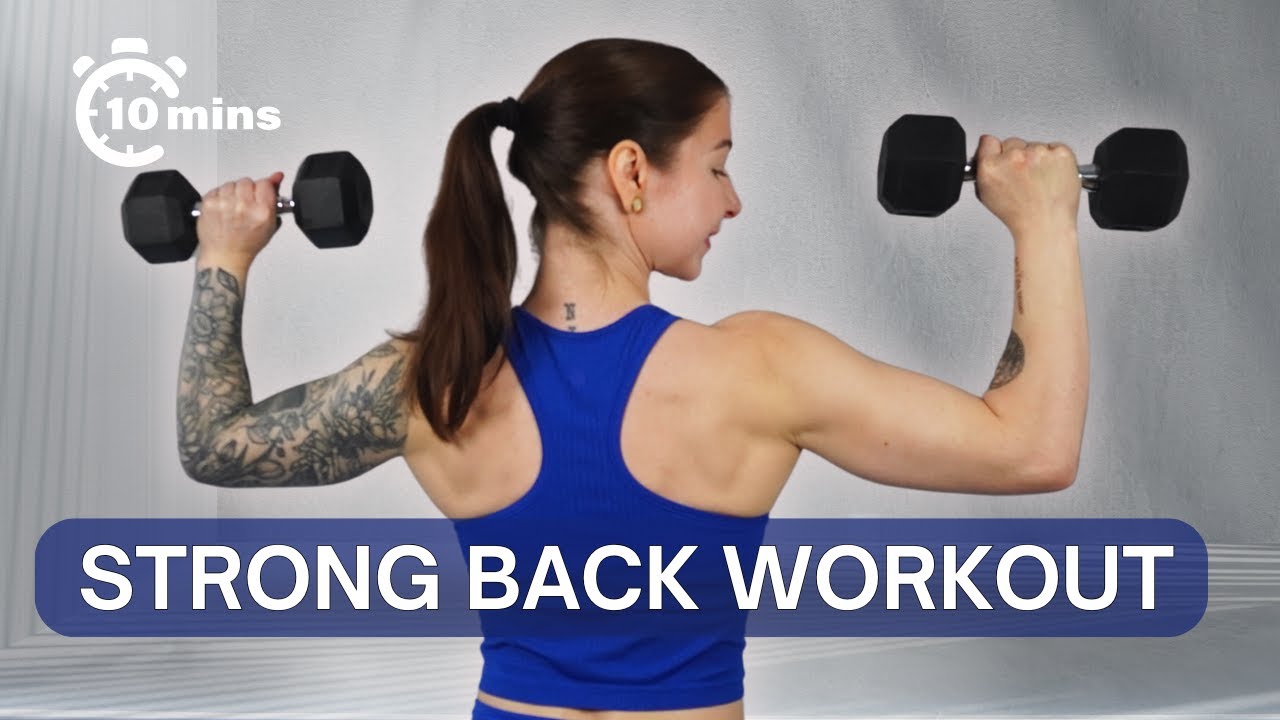
Are you ready to build a stronger, more defined back without needing a gym full of equipment? Working out your back with dumbbells is one of the easiest and most effective ways to achieve that.
Whether you want to improve your posture, boost your strength, or simply look and feel better, the right dumbbell exercises can make a huge difference. You’ll discover simple, powerful moves that target every part of your back, helping you get results faster.
Keep reading, and let’s unlock your back’s full potential together.
Benefits Of Dumbbell Back Workouts
Dumbbell back workouts are effective for building muscle and strength. They help improve posture and balance.
These workouts can be done at home or in the gym. Dumbbells are versatile and suitable for all fitness levels.
Improved Posture
Working out your back with dumbbells strengthens muscles supporting your spine. Strong back muscles help you stand and sit straight.
This reduces the risk of back pain and injuries. A good posture also boosts confidence and body language.
Enhanced Muscle Strength
Dumbbell exercises target different back muscles. This builds strength and endurance, making daily tasks easier.
- Rows focus on the upper back
- Deadlifts strengthen the lower back
- Pullovers work the lats
Greater Flexibility
Back workouts with dumbbells improve flexibility. This helps you move more easily and reduces stiffness.
Flexibility is important for overall health and prevents muscle tightness.
Convenient And Versatile
Dumbbells are easy to use and store. They are perfect for home workouts and do not require much space.
You can adjust weights as you get stronger. This makes them ideal for long-term fitness goals.
Balanced Muscle Development
Dumbbell workouts allow you to train each side of your body equally. This ensures balanced muscle growth and prevents imbalances.
Balanced muscles improve your body symmetry and function.
Essential Equipment And Setup
Working out your back with dumbbells helps build strength and improve posture. You need the right equipment and setup for safe exercises.
Using proper equipment ensures you get the best results and avoid injuries. Let’s look at what you need to start.
Dumbbells
Dumbbells are the main tool for back workouts. Choose weights that fit your strength level.
Start with lighter dumbbells to learn the correct form. You can increase the weight as you get stronger.
- Adjustable dumbbells save space and money
- Fixed-weight dumbbells are simple and durable
- Choose weights that challenge you without causing strain
Workout Bench Or Sturdy Surface
A workout bench helps you perform back exercises comfortably. It supports your body and improves balance.
If you don’t have a bench, use a sturdy chair or flat surface. Make sure it is stable and won’t move during exercises.
- Flat bench for rows and fly exercises
- Incline bench for targeting upper back muscles
- Stable surface to avoid falls or slips
Comfortable Workout Space
Choose a clean and open area for your workouts. You need enough room to move freely with dumbbells.
Good lighting and ventilation make your workout more enjoyable and safe. Remove any obstacles nearby.
- Clear space to avoid tripping
- Non-slip floor surface
- Good lighting for visibility
- Proper ventilation to stay cool
Proper Clothing And Footwear
Wear comfortable clothes that allow easy movement. Avoid loose fabrics that could catch on equipment.
Use supportive shoes with good grip to protect your feet and keep balance during exercises.
- Breathable workout clothes
- Supportive athletic shoes
- Avoid slippery socks or barefoot workouts
Warm-up Exercises For Back Training
Warming up before back workouts helps prevent injuries. It increases blood flow to your muscles.
Spend 5 to 10 minutes on warm-up exercises. This prepares your back for dumbbell training.
Arm Circles
Arm circles loosen shoulder joints and upper back muscles. Use small and large circles for best effect.
Do 10 circles forward and 10 backward for each arm. Keep movements slow and controlled.
Cat-cow Stretch
This stretch warms up the spine and back muscles. It improves flexibility and reduces stiffness.
Start on hands and knees. Arch your back up, then dip it down slowly. Repeat 8 to 10 times.
Torso Twists
Torso twists activate the lower back and core. They help improve rotation and mobility.
Stand with feet shoulder-width apart. Twist your upper body left and right slowly. Do 10 twists each side.
Scapular Retractions
This exercise warms up the muscles between your shoulder blades. It improves posture for lifting.
Stand or sit with arms straight. Pull your shoulder blades together and hold for 2 seconds. Repeat 12 times.
Light Dumbbell Rows
Perform light dumbbell rows to prepare your back muscles. Use very light weights for this warm-up.
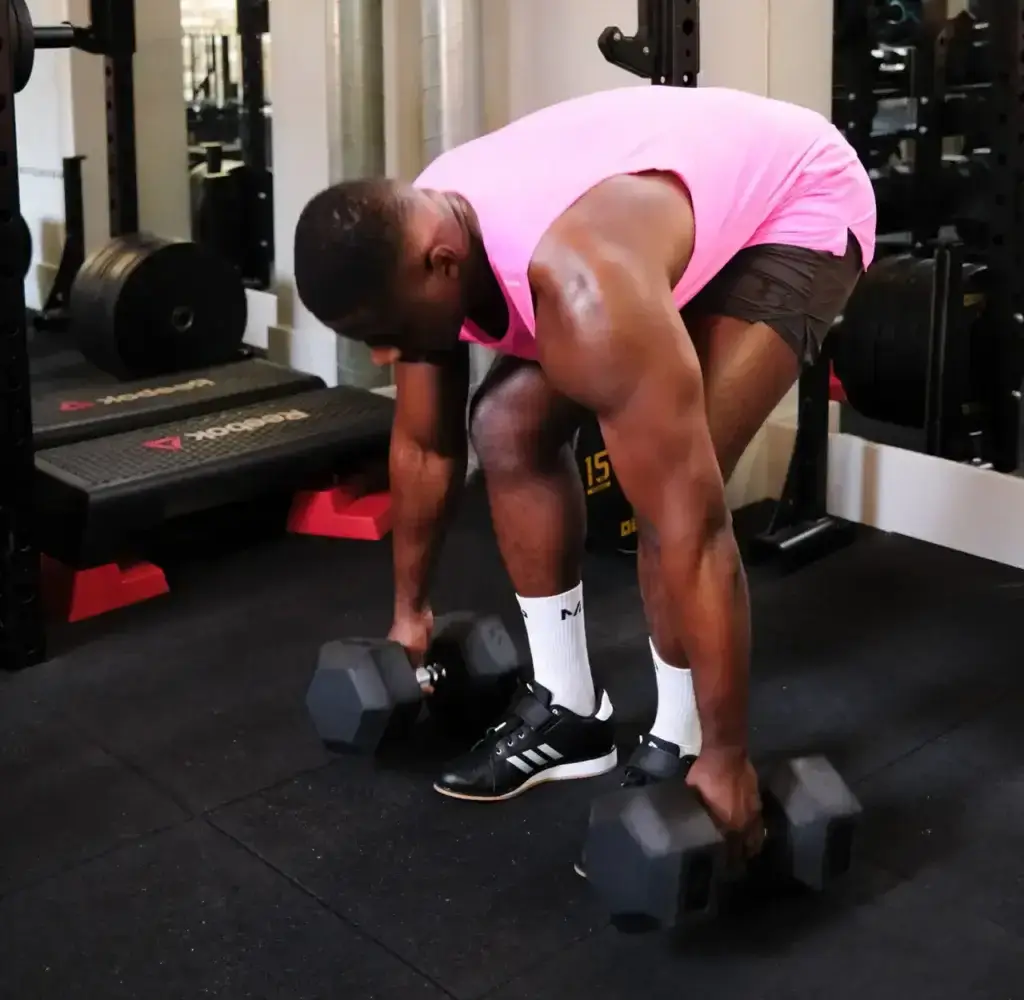
Bend at the hips with dumbbells in hands. Pull weights toward your waist slowly. Do 10 to 12 reps.
Credit: just12reps.com
Top Dumbbell Exercises For Back Strength
Strong back muscles help improve posture and reduce injury risk. Dumbbells are great tools for building back strength at home or in the gym.
Here are some top dumbbell exercises that target different parts of your back effectively.
Single-arm Dumbbell Row
This exercise works the upper and middle back muscles. It also helps improve balance and core strength.
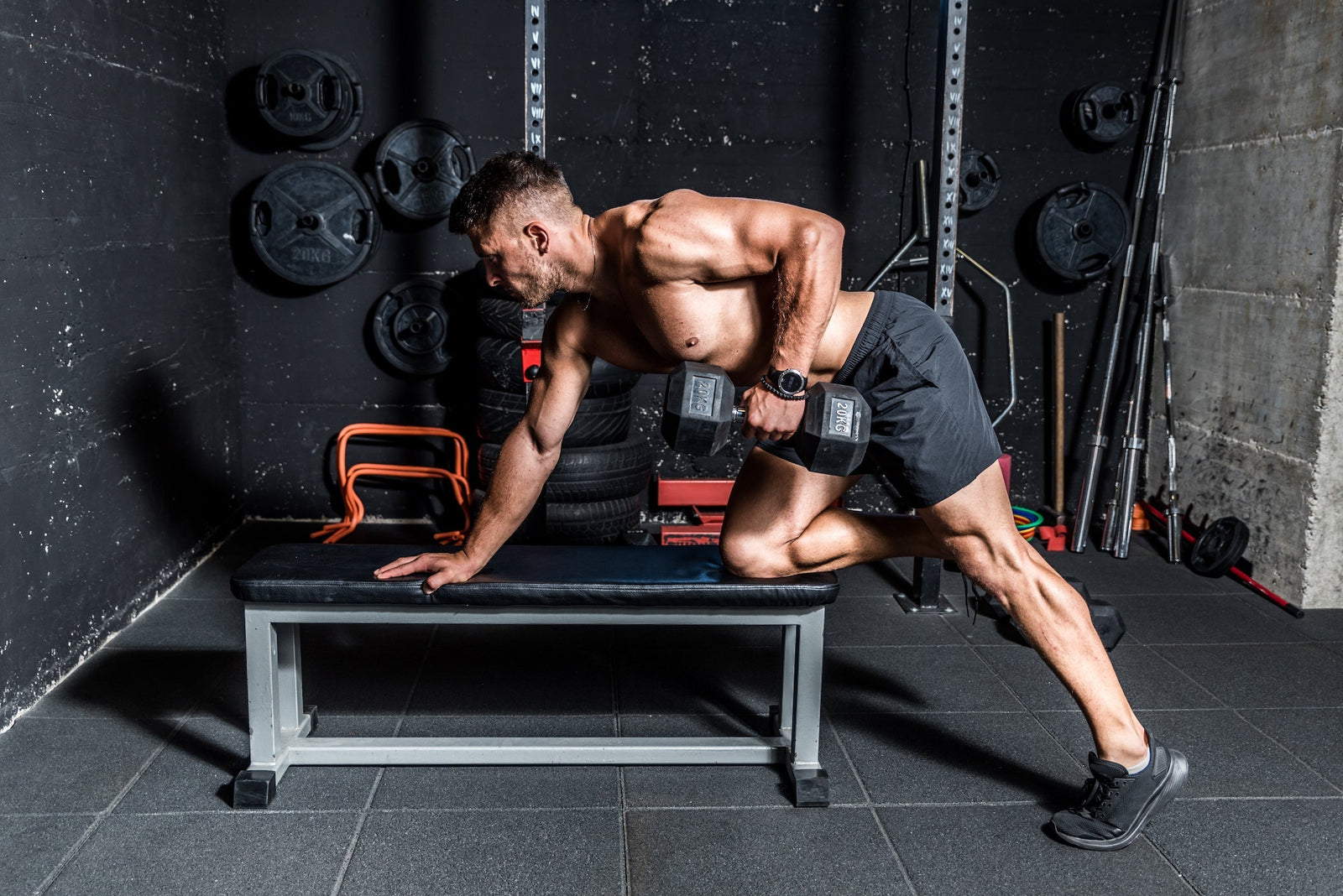
Hold a dumbbell in one hand and place the opposite knee and hand on a bench. Pull the dumbbell toward your waist, then lower it slowly.
- Keep your back flat during the movement
- Squeeze your shoulder blade as you lift
- Do equal reps on each side
Dumbbell Deadlift
The dumbbell deadlift targets the lower back, glutes, and hamstrings. It helps build overall back strength and stability.
Hold dumbbells in front of your thighs. Bend at your hips and knees, lowering the dumbbells close to the floor. Stand back up while keeping your back straight.
- Keep your chest up and shoulders back
- Do not round your lower back
- Use controlled movements
Renegade Row
This exercise combines a plank and row to work the upper back, core, and arms. It improves strength and balance.
Start in a plank position with dumbbells in your hands. Row one dumbbell up to your side while balancing on the other arm. Lower and repeat on the other side.
- Keep your hips level and body straight
- Avoid twisting your torso
- Engage your core throughout
Reverse Fly
The reverse fly targets the rear shoulder and upper back muscles. It helps improve posture and shoulder stability.
Bend forward at the hips with dumbbells in both hands. Raise your arms out to the sides until they are parallel to the floor. Lower slowly.
- Keep a slight bend in your elbows
- Do not shrug your shoulders
- Focus on squeezing your shoulder blades
Dumbbell Pullover
This exercise works the upper back and chest muscles. It also stretches the rib cage and improves breathing.
Lie on a bench holding a dumbbell with both hands above your chest. Slowly lower the dumbbell behind your head, then bring it back up.
- Keep your arms slightly bent
- Move in a controlled manner
- Do not arch your lower back
Proper Form And Technique Tips
Working out your back with dumbbells helps build strength and improve posture. Using the right form prevents injuries and makes exercises effective.
Focus on controlling your movements and keeping your body stable. This guide shares key tips to keep your form correct during back exercises.
Maintain A Neutral Spine
Keep your spine straight and avoid rounding your back. A neutral spine protects your lower back from strain and injury.
To do this, tighten your core and look slightly ahead. This position helps keep your back flat during lifts.
Engage Your Shoulder Blades
Pull your shoulder blades back and down when lifting dumbbells. This activates the right muscles in your upper back.
Think about squeezing your shoulder blades together at the top of the movement. This improves muscle engagement and control.
Use Controlled Movements
Lift and lower the dumbbells slowly. Avoid swinging or using momentum to complete the exercise.
Controlled movements increase muscle activation and reduce the risk of injury.
Keep Your Elbows Close To Your Body
When doing rows or lifts, keep your elbows near your sides. This ensures your back muscles do most of the work.
Flared elbows reduce effectiveness and may cause shoulder strain.
Choose The Right Dumbbell Weight
Select a dumbbell weight that challenges you but allows good form. Too heavy weights cause poor technique and injury risk.
Start with lighter weights and increase as you build strength and confidence.
Creating A Balanced Back Workout Routine
Working out your back with dumbbells helps build strength and improve posture. A balanced routine targets all parts of your back.
This guide shows how to create a simple and effective dumbbell back workout.
Include Different Back Muscle Groups
Your back has many muscles, like the lats, traps, and rhomboids. A good workout hits all these areas.
Focusing on one group can cause muscle imbalance and poor posture.
- Latissimus dorsi (lats) for width
- Trapezius (traps) for upper back
- Rhomboids for middle back
- Erector spinae for lower back
Choose Effective Dumbbell Exercises
Select exercises that target all back muscles. Dumbbells allow for a full range of motion.
- Dumbbell rows for lats and rhomboids
- Reverse flyes for traps and rear shoulders
- Deadlifts for lower back and spine
- Renegade rows for core and back
Balance Volume And Intensity
Use enough sets and reps to challenge muscles without overdoing it. Rest between sets helps recovery.
Start with moderate weights and increase gradually.
- 3 to 4 sets per exercise
- 8 to 12 reps per set
- Rest 30 to 60 seconds between sets
Maintain Proper Form And Posture
Correct form prevents injury and works muscles well. Keep your back straight and core tight during exercises.
Move slowly and control the dumbbells throughout each movement.
- Keep shoulders down and back
- Engage core for stability
- Avoid swinging the weights
Schedule Regular Workouts
Consistency helps build strength and size. Aim to train your back 1 to 2 times weekly.
Allow at least 48 hours between back workouts for muscle recovery.
- Plan workouts on non-consecutive days
- Combine with other muscle group training
- Listen to your body for rest needs
Common Mistakes To Avoid
Working out your back with dumbbells can build strength and improve posture. Avoid mistakes to get the best results.
Here are common errors people make and how to fix them during dumbbell back exercises.
Using Too Much Weight
Lifting dumbbells that are too heavy can cause poor form. This may lead to injury or less effective workouts.
Start with lighter weights. Focus on controlling the movement. Increase weight only when your form stays correct.
Not Keeping Your Back Straight
Bending or rounding your back can cause strain and reduce exercise benefits. Keep your spine neutral during lifts.
Engage your core muscles to support your back. Look forward or slightly down to keep your neck aligned.
Using Momentum Instead Of Muscle
Swinging the dumbbells or using body momentum lowers muscle activation. It also increases injury risk.
Lift and lower the weights slowly. Control every part of the movement to target your back muscles well.
Neglecting Both Sides Equally
Favoring one side can create muscle imbalance. This can cause posture problems and injury over time.
Work both sides evenly. Do the same number of reps for each arm to build balanced strength.
Ignoring Proper Breathing
Holding your breath or breathing incorrectly reduces oxygen flow. This makes exercises harder and less safe.
Exhale when lifting the dumbbells. Inhale as you lower them. Keep a steady breathing rhythm throughout.
Progression Strategies For Strength Gains
Building back strength with dumbbells requires steady progress. Using smart strategies helps improve muscle power safely.
These tips will guide you in increasing your back workout effectiveness step by step.
Increase Dumbbell Weight Gradually
Start with a weight you can lift with good form. Slowly add more weight as you get stronger.
Adding small weight increments helps avoid injury and encourages steady gains.
- Use dumbbells that challenge you but allow full control
- Add 1 to 5 pounds as strength improves
- Track progress to know when to increase weight
Increase Repetitions And Sets
Doing more reps or extra sets builds endurance and strength. Raise reps before adding weight.
This method helps your muscles adapt to heavier loads gradually.
- Start with 8–12 reps per set
- Add more reps up to 15 before raising weight
- Add extra sets to increase workout volume
Improve Exercise Form And Range Of Motion
Good form targets muscles better and prevents injury. Work on full range of motion during lifts.
Better form makes workouts more effective, leading to stronger muscles over time.
- Control the dumbbells slowly during each rep
- Stretch fully before lifting
- Keep your back straight and core tight
Use Progressive Overload Techniques
Progressive overload means challenging muscles more over time. Change variables like weight, reps, or rest.
Mixing these methods prevents plateaus and keeps muscles growing.
- Increase dumbbell weight
- Do more reps or sets
- Shorten rest time between sets
- Try slower lifting speed for more muscle tension
Track Your Progress Consistently
Write down your workouts to see improvements. Tracking helps you know when to increase difficulty.
It also keeps you motivated and focused on your goals.
- Note dumbbell weight and reps used
- Record number of sets completed
- Track rest periods between sets
Recovery And Mobility Practices
Working out your back with dumbbells requires proper recovery. Rest helps your muscles heal and grow stronger.
Mobility exercises keep your joints flexible. They reduce stiffness and lower injury risks.
Stretching After Workouts
Stretching helps your muscles relax after lifting dumbbells. It also improves blood flow to your back muscles.
Focus on gentle stretches that target your upper and lower back. Hold each stretch for about 20 seconds.
- Cat-Cow stretch to loosen the spine
- Child’s pose to stretch the lower back
- Seated spinal twist for mobility
Foam Rolling For Muscle Relief
Foam rolling helps release muscle tightness. It reduces soreness after dumbbell workouts.
Roll slowly over your upper and lower back. Spend extra time on sore spots to ease tension.
- Use a foam roller or massage ball
- Roll each area for 30 to 60 seconds
- Apply gentle pressure to avoid pain
Active Recovery Movements
Active recovery keeps your blood flowing. It helps your back muscles repair faster.
Try light exercises like walking or gentle yoga on rest days. These movements promote healing without strain.
- Easy walking for 15 to 30 minutes
- Gentle yoga focusing on back stretches
- Light swimming to move muscles softly
Proper Hydration And Nutrition
Drinking water helps your muscles recover well. Staying hydrated reduces cramps and stiffness.
Eating protein and healthy foods gives your muscles energy. It helps repair small muscle tears from workouts.
- Drink water before, during, and after workouts
- Include protein like chicken, beans, or tofu
- Eat fruits and vegetables for vitamins
Rest And Sleep Importance
Rest days allow your back muscles to rebuild stronger. Avoid heavy lifting on these days.
Good sleep supports muscle recovery. Aim for seven to nine hours each night to help heal your body.
- Take at least one rest day per week
- Sleep in a position that supports your spine
- Create a calm bedtime routine for better sleep
Credit: swolverine.com

Credit: www.youtube.com
Frequently Asked Questions
What Are The Best Dumbbell Exercises For Back Muscles?
Dumbbell rows, reverse flyes, and deadlifts effectively target back muscles. These exercises build strength and improve posture. Use proper form to avoid injury and maximize results. Adjust weights based on your fitness level and gradually increase intensity.
How Often Should I Work Out My Back With Dumbbells?
Train your back with dumbbells 2-3 times weekly. Allow 48 hours for muscle recovery between sessions. Consistency is key to building strength and muscle. Combine with other muscle groups for balanced workouts and avoid overtraining.
Can Dumbbell Workouts Improve Back Posture?
Yes, dumbbell exercises strengthen upper and lower back muscles. Strong back muscles support spine alignment and reduce slouching. Regular workouts improve posture, reduce pain, and enhance overall body mechanics. Always use proper technique for best results.
How Do I Avoid Injury During Dumbbell Back Workouts?
Warm up before exercising and use correct form during lifts. Start with lighter weights and increase gradually. Avoid jerky movements and maintain controlled motion. Rest between sets and listen to your body to prevent strains.
Conclusion
Working out your back with dumbbells helps build strength and improve posture. You can do many effective exercises at home or in the gym. Focus on form and control to avoid injury and get the best results. Start with lighter weights and increase gradually as you get stronger.
Consistency is key for progress and muscle growth. Keep your workouts simple and steady. Enjoy the process and feel your back getting stronger each day.


